
Description
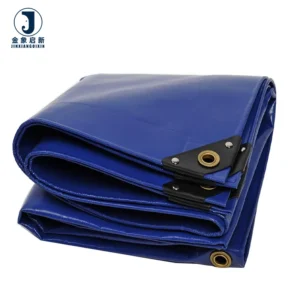
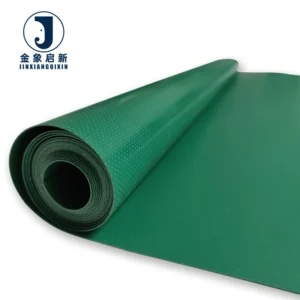
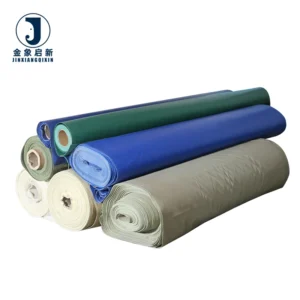
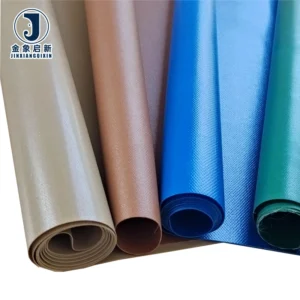
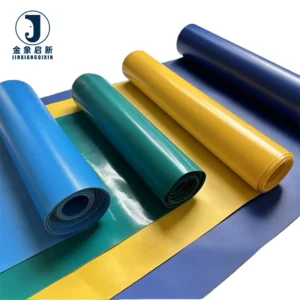
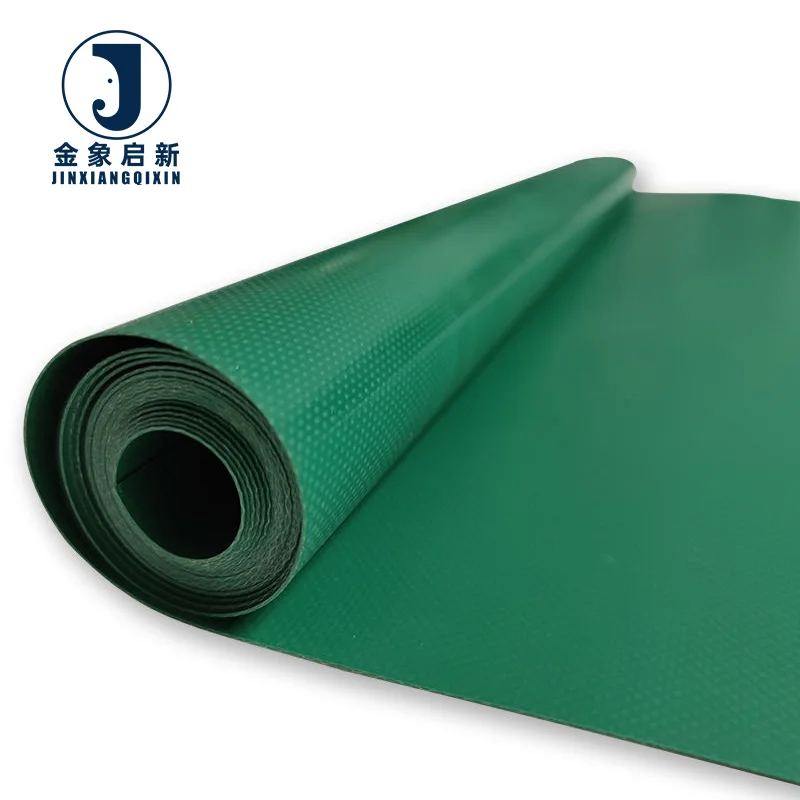
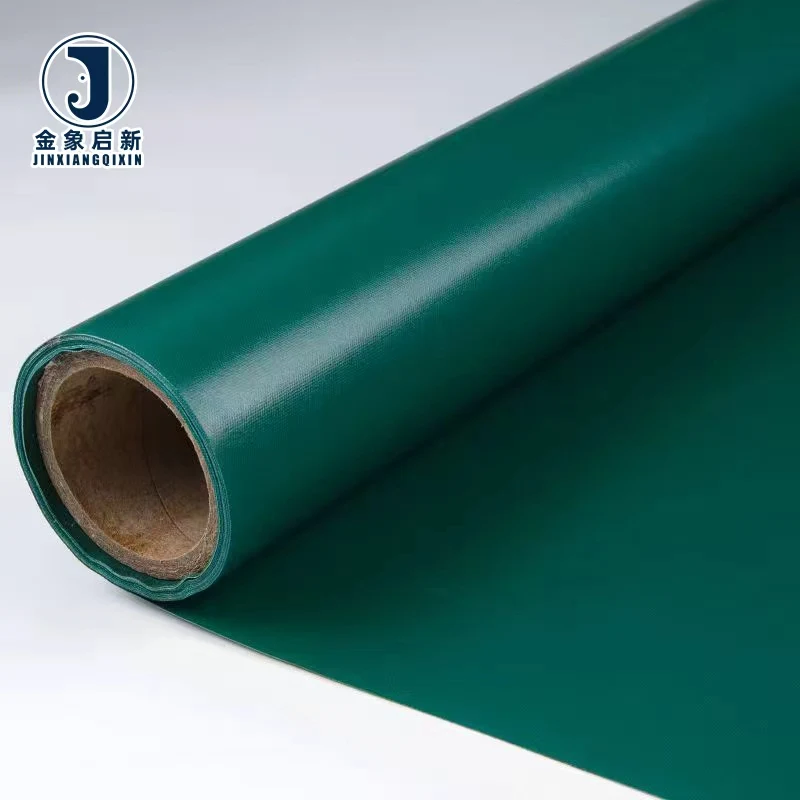
Roll-to-Roll Consistency — every PVC coated tarpaulin roll is weighed and inspected against the agreed GSM before dispatch, ensuring uniform weight and colour across container-load orders.
Technical Specifications
| Parameter | Value |
|---|---|
| Product Type | PVC Coated Tarpaulin Roll |
| Base Fabric Denier Options | 500D840D / 500D1000D / 1000D1000D / 1000D1300D / 1300D1300D / 1000D2000D |
| Weight Range | 350, 400, 420, 500, 600, 650, 750, 900 GSM |
| Total Thickness Range | 0.29mm – 0.65mm |
| Mesh Count Options | 2020 / 3015 / 30*19 |
| Coating Material | PVC (double-sided) |
| Base Fabric Material | Polyester |
| Tensile Strength (Warp) | 1650N – 3900N (varies by grade) |
| Tensile Strength (Weft) | 1600N – 3500N (varies by grade) |
| Roll Width Options | 2m / 2.1m |
| Flame Retardant | Available in flame retardant grades — confirm the grade required for your market |
| UV Treatment | Anti-UV treatment available — confirm test basis for your region |
| Water Resistance | Water resistant |
| Brittle Temperature | ≤ -50 ~ -60 °C |
| Softening Temperature | ≥ 80 °C |
| Density Parameter | 1.15–2.00 g/cm³ |
Application Suitability
| Application | Exposure & Requirement |
|---|---|
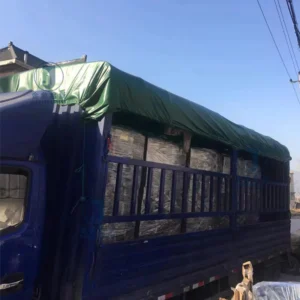
| Truck side curtain and trailer cover | Constant flexing at load points, road debris abrasion, UV and weather exposure |
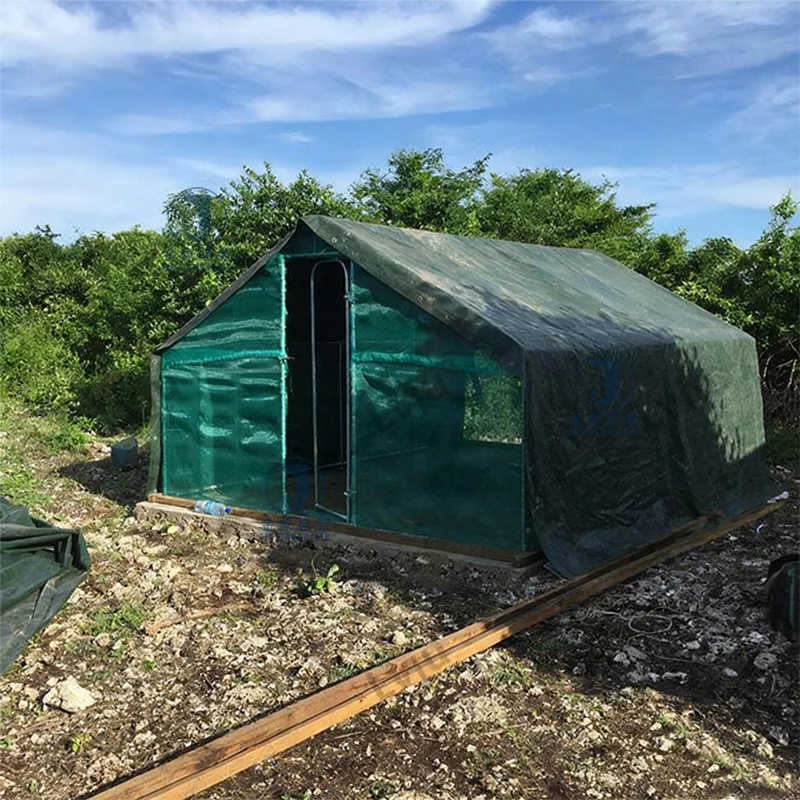
| Tent and awning fabric | Prolonged outdoor UV exposure, wind-driven rain, repeated folding and erection |
| Inflatable and membrane structure | Air pressure load, seam integrity under tension, surface durability |
| Pond and reservoir liner | Permanent water contact, soil chemistry, puncture from substrate |
| Machine and equipment cover | Dust ingress, UV degradation, abrasion from wind flap |
| Tarpaulin distribution stock | Multiple GSM grades for regional resale, batch colour consistency |
Why Quoted GSM Does Not Guarantee Roll-to-Roll Strength
Weight alone tells only part of the story — base fabric denier and weave density are what carry the tensile and tear load.
When sourcing PVC coated tarpaulin roll stock in bulk, buyers often rely on GSM as the single benchmark for durability. A roll that arrives at the quoted weight can still underperform if the base fabric is a lighter denier with a heavier coating compensating for the difference. The coating adds mass but does little for tear propagation resistance; that comes from the polyester yarn structure underneath. Wholesale PVC coated tarpaulin roll stock must therefore be specified by both GSM and denier, with both verified per roll before shipment [NEED_CITE: tensile and tear test methods for coated fabrics per ISO 1421]. I have seen coated rolls pass a weight check yet fail at the weld line because the base fabric lacked the necessary yarn count for the intended stress.
Stock Grades and Width Coverage for Volume Buyers
This PVC coated tarpaulin roll range spans eight weight grades from 350 to 900 GSM, covering applications from lightweight equipment covers to heavy-duty truck side curtains. Roll widths are held at 2m and 2.1m across the range, which aligns with standard cutting patterns used by fabricators producing covers, tents and awnings. The consistent width offering means distributors can consolidate orders across multiple GSM grades without changing downstream cutting dies or heat-seal jig settings.
Batch Consistency Across Container-Load Orders
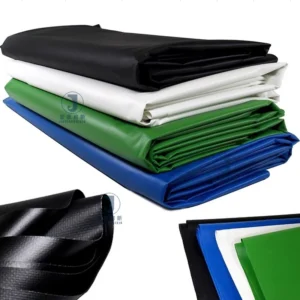
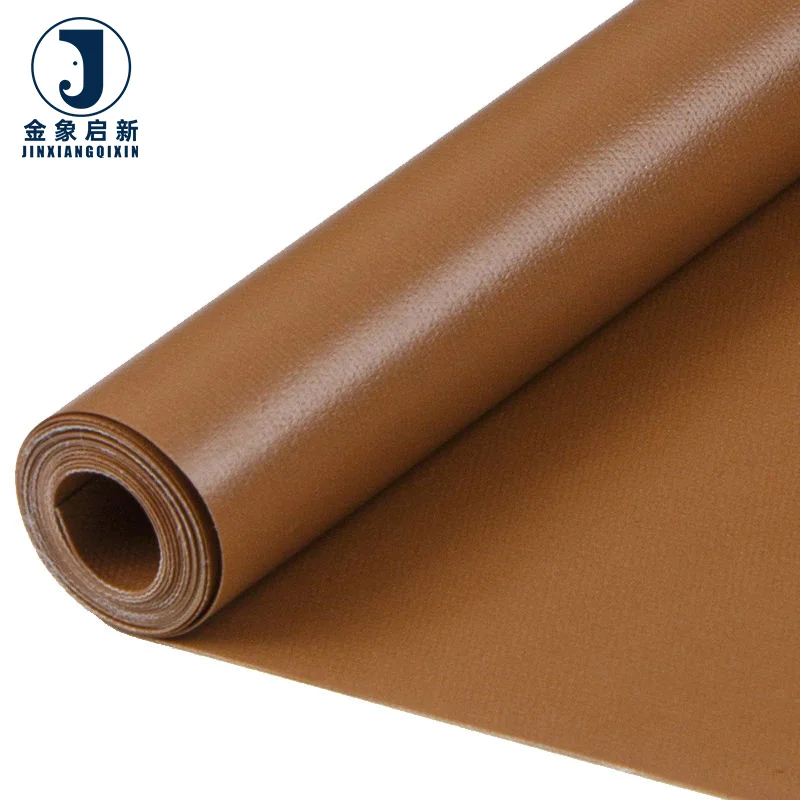
Colour drift between rolls in the same production batch is a frequent complaint from fabricators who install panels side by side. Each production run here is monitored for colour reference consistency, with rolls from the same batch checked against the agreed colour standard before packing. For buyers importing full container loads, this means the PVC coated tarpaulin roll stock arriving at the warehouse matches across every roll, reducing rejection rates and re-cutting waste [NEED_CITE: colour measurement standards for coated textiles].
Reading the Specification Table Beyond GSM
GSM and base fabric denier work together to define how a coated fabric performs under load. A 500 GSM roll built on a 1000D×1000D base will show higher tensile and tear values than a 500 GSM roll on a 500D×840D base, because the heavier yarn carries more of the mechanical stress while the coating fills the interstices. The mesh count — whether 20×20, 30×15 or 30×19 — determines the coating penetration depth and therefore the adhesion between PVC and polyester. Higher mesh density with finer yarn gives a smoother surface suited to printing; lower mesh with heavier yarn favours tear resistance for applications like truck curtains where flex fatigue is the primary failure mode. Thickness readings from 0.29mm to 0.65mm across the grade range reflect the combined contribution of base fabric and coating, and should be cross-referenced with GSM rather than treated as an independent indicator.
The Hidden Cost of Specification Mismatches in Bulk Orders
When a roll is lighter than quoted, the shortfall is often absorbed in the coating layer, leaving the base fabric thinner than the application requires. The result shows up not at the inspection bench but in the field — a truck cover that tears at the tie-down point after a season of flexing, or a tent panel that splits along the weld under wind load. Similarly, rolls produced without batch-level colour control create visible panel mismatches once fabricated and installed side by side, leading to wholesale returns that far exceed the cost of the original material. Flame retardant grades specified without a confirmed test basis can cause a project to fail site inspection, forcing replacement under time pressure [NEED_CITE: fire classification requirements for temporary structures and building sites].
Production Infrastructure Behind Roll Stock Supply
Three full production lines and 36 sets of professional equipment support bulk capacity with scheduling flexibility for mixed-grade container orders. A 10-person R&D team handles custom width requests, colour matching and sample development within days rather than weeks. Dedicated QA and QC checkpoints at every production stage ensure that each PVC coated tarpaulin roll meets the stated GSM, denier and colour reference before it reaches the packing area. The facility operates under ISO and CE certification frameworks, providing documentation trails that distributors and importers need for customs and compliance.
Documentation & Verification
- Material specification sheet stating exact GSM, base fabric denier and coating weight per roll grade
- Pre-shipment inspection record with roll-by-roll weight and dimension verification
- Roll packing list detailing roll count, net weight and container loading plan
- Test report for UV or flame retardant grades where applicable to the order
- Certificate of origin and customs support documentation for export shipments
Fabrication, Handling & Storage
- Heat-seal temperature and dwell time must be calibrated to the specific GSM and coating thickness of the roll grade selected
- Reinforced corners and high-temperature heat-sealed edge wrapping distribute load away from stress concentration points
- Store rolls upright on end caps in a shaded, ventilated area to prevent flat-spot deformation and surface blocking
- Allow cold-stored rolls to reach ambient temperature before unrolling to avoid coating crack at brittle threshold
- Use mild detergent for surface cleaning; solvent-based agents may degrade the PVC coating surface layer
- Plan cutting layout against the 2m or 2.1m roll width to maximise yield and minimise weld seam count
Specifying Your Roll Order
To receive an accurate quotation, provide the target GSM, base fabric denier preference, required roll width and estimated annual volume. Confirm whether your end-use application demands flame retardant or anti-UV certification and which test standard your market requires. If custom colour or printed branding is needed, share the Pantone or RAL reference along with the roll quantity per colour for batch planning.
Frequently Asked Questions
Q: How is GSM verified on each roll before shipment?
A: Every roll is weighed individually against the agreed specification during pre-shipment inspection. A roll-by-roll QA record accompanies the shipment, showing actual weight, width and length measured at the packing stage. This documentation allows distributors to cross-check on arrival and resolve any discrepancy immediately rather than after fabrication.
Q: How do you control colour consistency across multiple rolls in one batch?
A: Colour reference is checked at the coating stage and again before roll packing, using the agreed standard for the order. Rolls within the same production batch are grouped together for dispatch so that fabricators receive matched stock. If an order spans multiple batches, this is flagged in advance for buyer approval.
Q: What roll widths and lengths are available for container loading?
A: Standard roll widths are 2m and 2.1m across all GSM grades. Roll length can be specified to suit your cutting patterns or container weight limits. The packing list details roll count, net weight and loading plan so you can optimise container utilisation and freight cost per square metre.
Q: What is the minimum order for custom width, colour or printed branding?
A: Custom width, colour and printing are available on bulk orders, with minimum quantities set by the production line changeover requirements for your chosen GSM grade. Providing your target roll count and colour reference at inquiry stage allows the production team to confirm minimums and lead time before sampling begins.
Q: Can UV and flame retardant test certificates be supplied with the shipment?
A: Where your order specifies UV resistant or flame retardant grades, the corresponding test report is included in the dispatch documentation. Confirm the test standard required by your destination market at inquiry stage so the correct grade is produced and documented for your compliance records.