Description
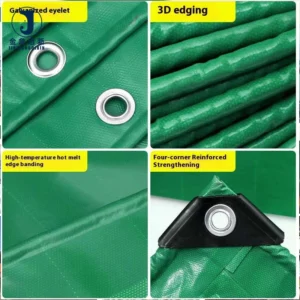
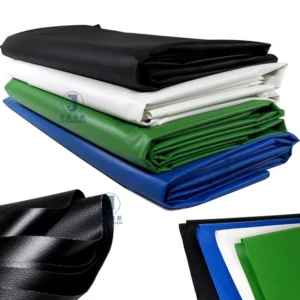
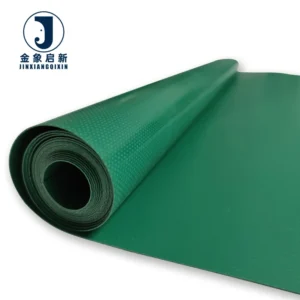
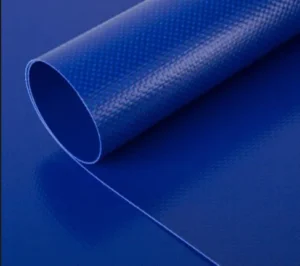
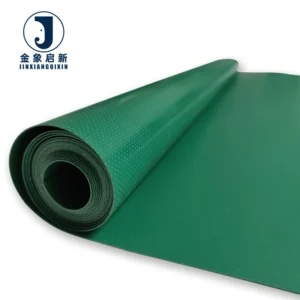
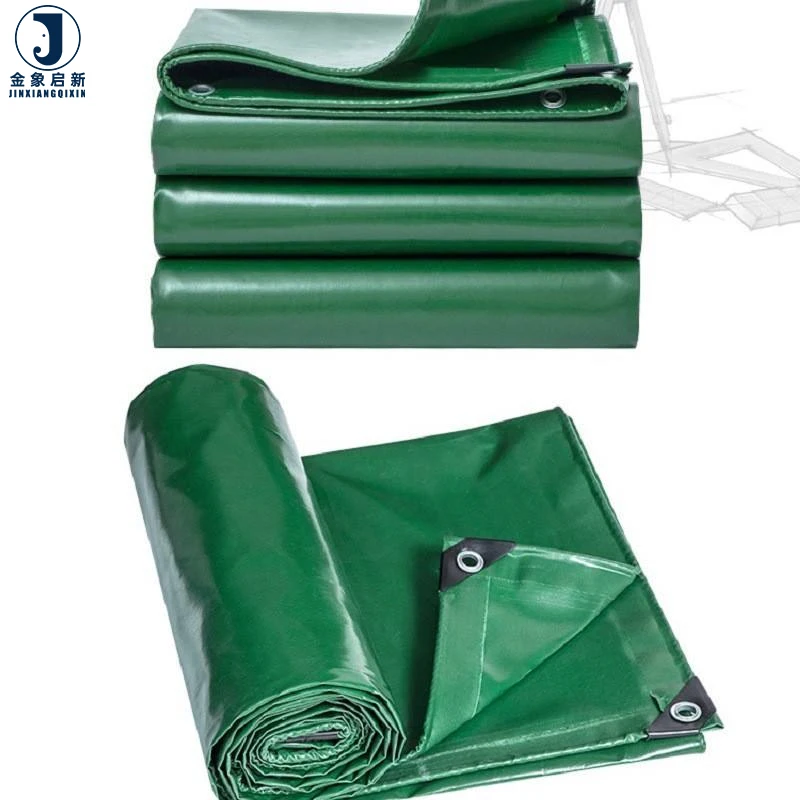
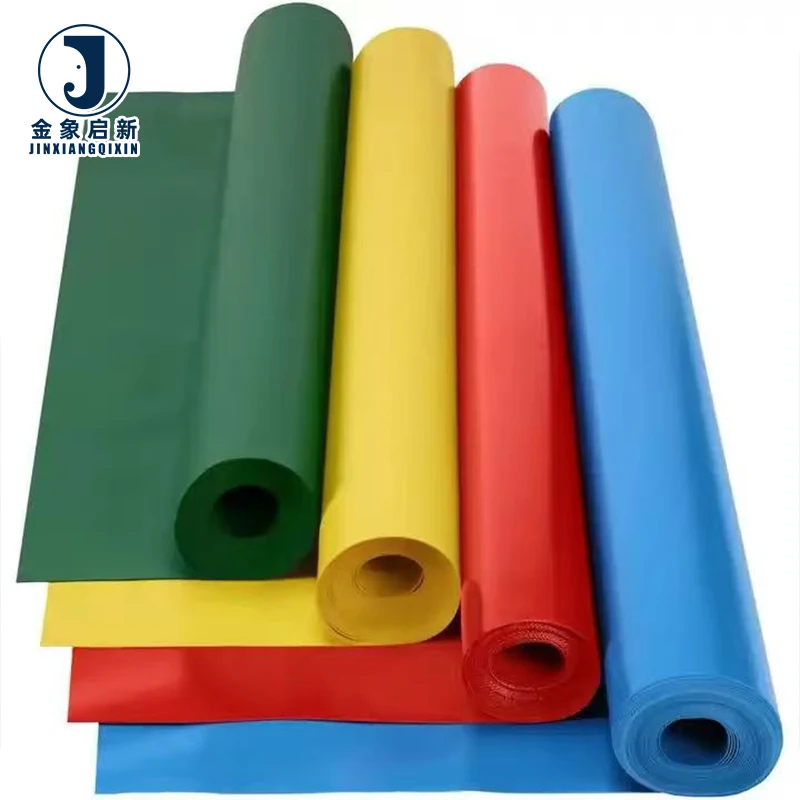
Roll-to-Roll Consistency — Batch-controlled coating ensures uniform GSM, colour and finish across every PVC Coated Tarpaulin Roll in your container shipment.
Technical Specifications
| Parameter | Value |
|---|---|
| Product Type | PVC Tarpaulin Roll |
| Material | PVC + High-strength polyester mesh fabric |
| GSM Options | 350gsm, 420gsm, 500gsm, 550gsm, 600gsm, 750gsm |
| Thickness Options | 0.32mm, 0.35mm, 0.4mm, 0.45mm, 0.5mm, 0.65mm |
| Roll Configurations | 2m × 75m / 2.1m × 50m |
| Coating Technology | Laminated technology & Hot-melt Coating technology |
| Surface Finish | Glossy Surface or Matt Surface |
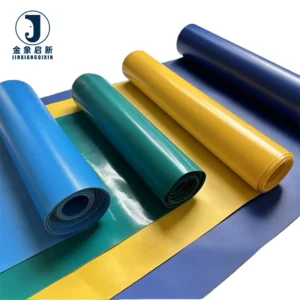
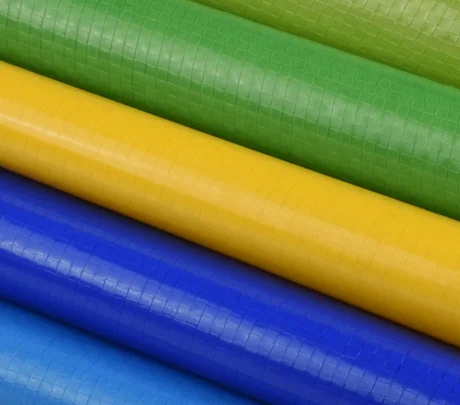
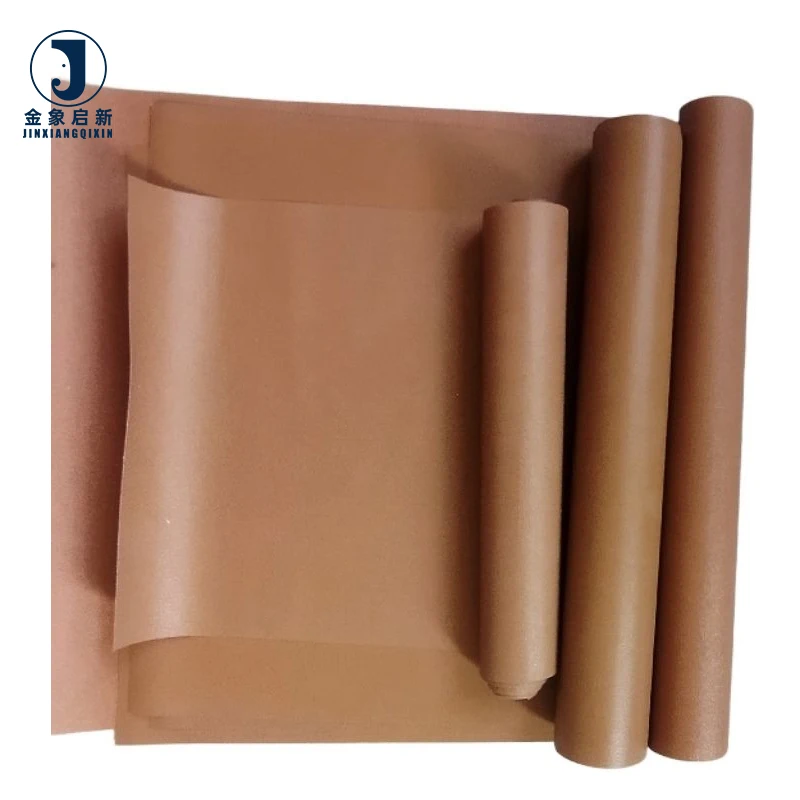
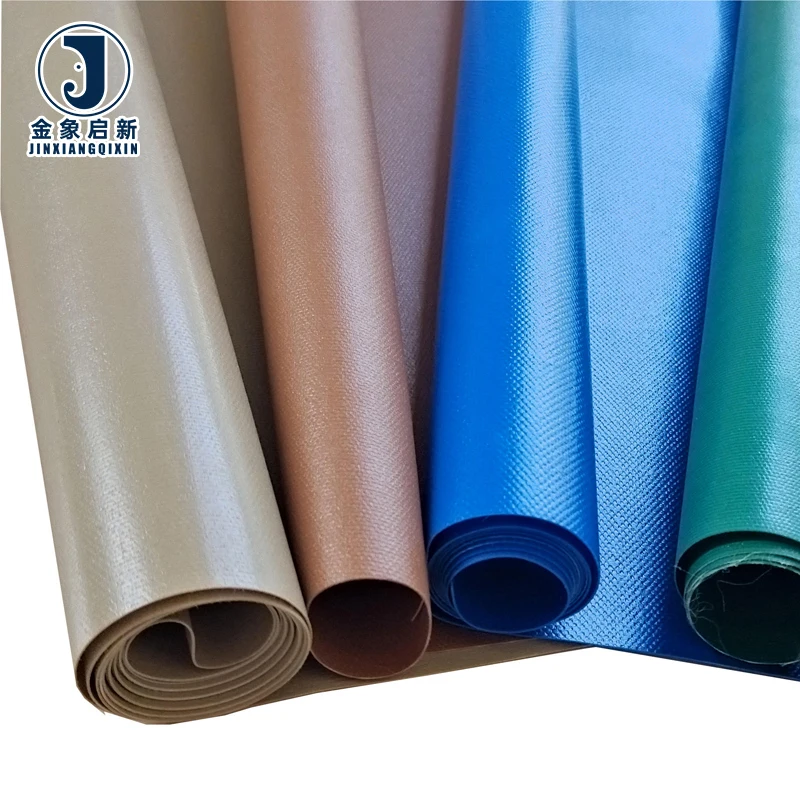
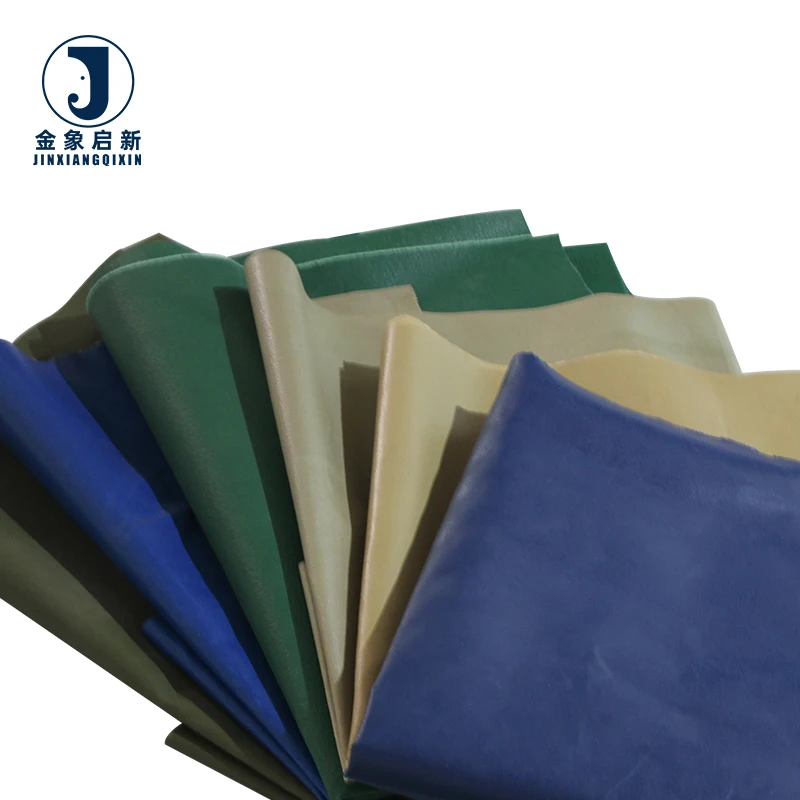
| Colour Options | Blue, Red, Yellow, Light Blue, Grey (Customized) |
| Waterproof | Double-sided 100% Waterproof |
| Flame Retardant | Available in flame retardant grades — confirm the grade required for your market |
| Anti-Static | Anti-Static treatment available — surface resistance grade to be confirmed |
| Anti-Mildew | Yes |
| Cold Crack Resistance | Yes |
| Key Features | High tension strength, high tear strength, outstanding tearing strength for welding |
| Certifications | ISO, CE |
Application Suitability
| Application | Exposure & Requirement |
|---|---|
| Tarpaulin distributor warehouse stock | Multiple GSM grades needed for regional resale; batch consistency across rolls to avoid customer complaints on colour mismatch |
| Tent, awning and inflatable fabrication | Buying fabric by the roll for continuous production runs; reliable weld performance and surface finish for printing or cutting |
| Agricultural pond liner and cover | Permanent water contact, soil chemistry, puncture risk; UV and mildew resistance for extended outdoor deployment |
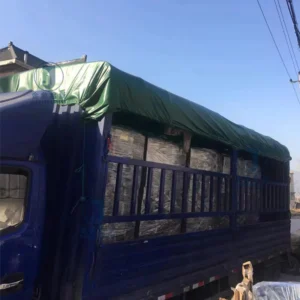
| Truck awning and side curtain | Constant flexing, road abrasion, weather exposure; needs tear resistance at seams and flex points |
| Cargo ship deck cover | Salt spray, heavy rain, wind load; high tensile strength and waterproof integrity over large spans |
Why Batch-Verified GSM Matters More Than the Number on the Quote Sheet
The quoted GSM is only as reliable as the inspection record that backs it.
When a container of PVC Coated Tarpaulin Roll stock arrives and the material measures lighter than the agreed specification, the loss is not limited to the weight difference. Distributors who cut and resell by the square metre lose margin on every roll, and fabricators who rely on a certain denier count for tensile performance find seams failing under load [NEED_CITE: tensile and tear test methods for coated fabrics per ISO 1421]. Our production process verifies GSM at every coating stage, with a 100% pre-shipment inspection that catches deviation before the roll is wrapped and loaded.
Six Weight Grades from One Production Line
Stocking a full range of PVC Coated Tarpaulin Roll options means your customers can source light-duty covers and heavy-duty transport fabric from the same shipment. The 350gsm grade suits short-term agricultural covers, while 750gsm handles demanding truck awning and cargo ship applications. Hot-melt coating technology delivers consistent adhesion across the entire range, so weld performance does not drop when you move between grades.
Roll Configurations Optimised for Container Loading
The two standard roll sizes — 2m × 75m and 2.1m × 50m — are designed to maximise container utilisation. A full 20-foot or 40-foot container loads cleanly with minimal dead space, reducing freight cost per square metre. For distributors managing PVC Coated Tarpaulin Roll inventory, this means predictable container counts and straightforward warehouse stacking [NEED_CITE: container loading plans for coated fabric rolls].
How Coating Method Affects Your Downstream Processing
Laminated and hot-melt coating technologies produce different adhesion profiles. Laminated fabric bonds the PVC film to the polyester mesh under heat and pressure, yielding a smooth surface well-suited to printing and clean cutting. Hot-melt coating penetrates the mesh more deeply, producing higher peel strength and better performance at welded seams. For fabricators who heat-weld panels together, the hot-melt construction resists delamination at the flex point where the load shifts. The choice between glossy and matte finish also matters — glossy surfaces shed dirt and water more readily, while matte finishes reduce glare and accept ink adhesion for printed branding.
The Hidden Cost of Colour Variation Between Rolls
When rolls from the same order show visible colour differences once laid side by side, the entire installation may need rework. This is not a cosmetic issue for distributors whose customers install covers across large visible areas — tent panels, awning canopies, or truck curtains. Colour inconsistency traces back to pigment dosing and coating temperature control at the mill [NEED_CITE: colour fastness standards for coated textile batches]. Our batch-controlled production holds colour reference within tolerance across every roll in a single shipment, supported by best colour fastness ratings.
What Inconsistent Coating Control Costs You
A roll that arrives lighter than specified is not just a weight discrepancy — it signals thinner coating that compromises waterproof integrity, reduces UV screening, and weakens the bond between PVC and the base mesh. Fabricators who discover this mid-production face scrap costs and delayed shipments to their own customers. For importers, the reputational damage of passing inconsistent material downstream compounds with every container [NEED_CITE: common failure modes in coated tarpaulin at weld seams]. This is why we hold 100% pre-shipment inspection as non-negotiable, verifying GSM, colour and coating adhesion on every roll before it leaves the production line.
Why Distributors Source PVC Coated Tarpaulin Roll Stock Here
Three full production lines and 36 sets of professional equipment support bulk roll output with reliable dispatch scheduling, so your container ships on time even during peak order periods.
A dedicated 10-person R&D team handles custom width, colour matching and pattern printing requests, developing samples within days rather than weeks.
Every roll passes through dedicated QA/QC checkpoints at coating, winding and packing stages, with documented inspection records — not random sampling.
Deep process control over coating weight and adhesion, built over nearly 30 years focused exclusively on coated fabric, means the GSM on your spec sheet matches the roll you receive.
Full export documentation ships with every container, reducing customs delays at your destination port.
Documentation & Verification
- Material specification sheet listing exact GSM, base fabric denier and coating type per roll grade
- Pre-shipment inspection record confirming 100% QC check on weight, colour and adhesion
- Roll packing list with roll count, gross weight and container loading plan for freight forwarder
- Certificate of origin and customs support documentation matched to destination market requirements
- Test report for flame retardant and anti-UV grades where applicable to your specification
Fabrication, Handling & Storage
- Hot-weld temperature should match coating type — laminated rolls and hot-melt rolls require different heat settings for optimal peel strength
- Store rolls upright on pallets to prevent flat-spot deformation across the 2m or 2.1m width
- Unroll in moderate temperatures; cold-stiffened PVC at 750gsm needs acclimatisation before cutting and folding
- Clean glossy surfaces with mild detergent — abrasive cleaners damage the top coat and reduce water beading
- Plan cutting layouts around 75m or 50m roll lengths to minimise offcuts and maximise yield per roll
What We Need to Prepare Your Quotation
Tell us which GSM grades you need to stock and your target container volume so we can build a loading plan around the 2m × 75m or 2.1m × 50m roll configurations. If your market requires specific flame retardant or anti-static certification, share the standard your customers specify so we can confirm grade availability. For custom colour or printed rolls, provide a Pantone or RAL reference and your annual volume estimate.
Frequently Asked Questions
Q: How is GSM verified per roll, and what documentation supports arrival inspection?
A: Every roll is weighed and measured at the winding stage, with GSM calculated from a known-area sample. A pre-shipment inspection record documents the result for each roll in your order. On arrival, you can cross-check using the same method — cut a measured square, weigh it, and compare against the specification sheet shipped with your container.
Q: How do you ensure colour consistency across rolls within the same shipment?
A: Pigment dosing is controlled per batch, and coating temperature is held within tolerance throughout the production run. Each roll is checked against the colour reference before packing. This means rolls from the same order can be installed side by side without visible variation — a critical point for tent and awning fabricators.
Q: Which roll configuration suits my container loading plan?
A: The 2m × 75m roll gives you more linear metres per roll and suits applications where panels are cut to length. The 2.1m × 50m roll offers wider coverage per panel and may reduce seam counts on large covers. We provide a container loading plan showing roll count and weight for either option based on your order volume.
Q: What is the MOQ and lead time for custom width, colour or printed rolls?
A: Custom orders are produced on our full-width coating lines, and minimum quantities depend on the colour or print complexity. Samples are developed within days for your approval before bulk production begins. Share your required width, colour reference and estimated volume so we can confirm the minimum and schedule.
Q: Do you provide test reports for anti-UV and flame-retardant claims?
A: Where your specification calls for UV or flame-retardant treatment, we supply the corresponding test report with the shipment. The specific grade and test standard are confirmed during the specification stage — share the requirements for your destination market so we match the correct grade to your order.