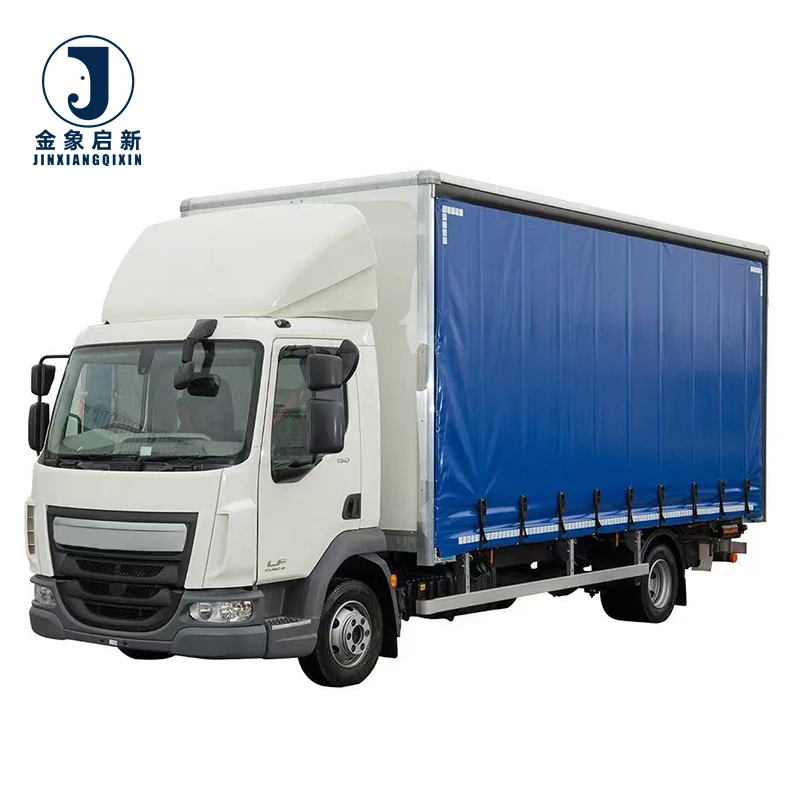
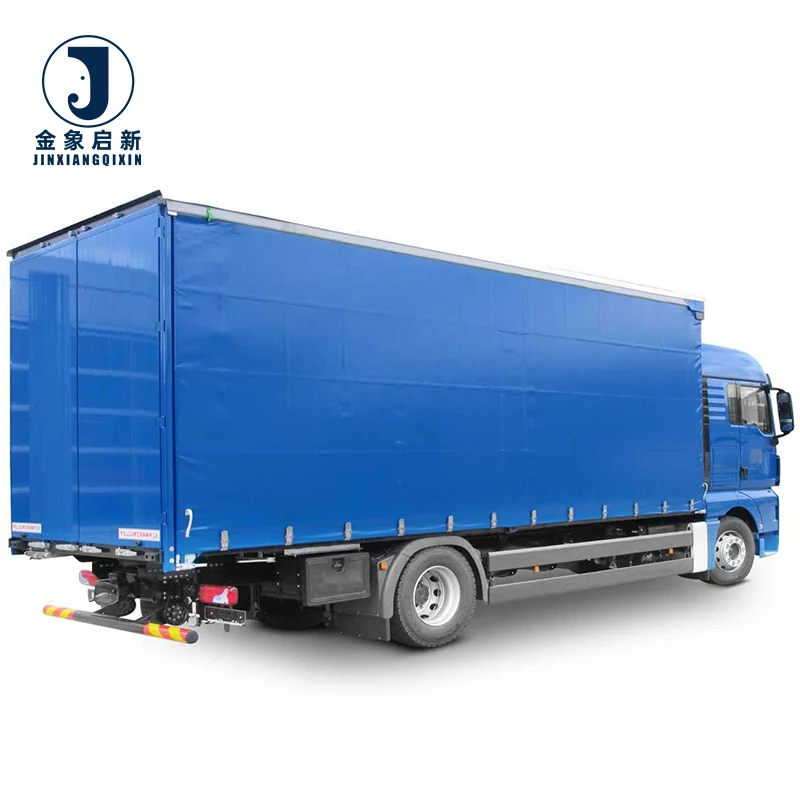
Description
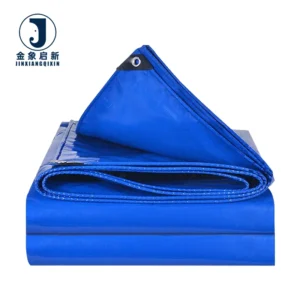
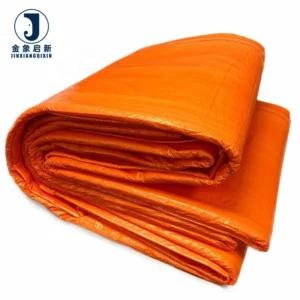
Batch-consistent roll stock — three full production lines with dedicated QA checkpoints ensure every roll in a container shipment matches the quoted GSM, denier and colour reference before dispatch.
Technical Specifications
| Parameter | Value |
|---|---|
| Product Type | PVC Coated Tarpaulin |
| Weight Range | 250gsm-1500gsm |
| Base Fabric Denier | 200DX300D, 500DX500D, 840DX840D, 1000DX1000D |
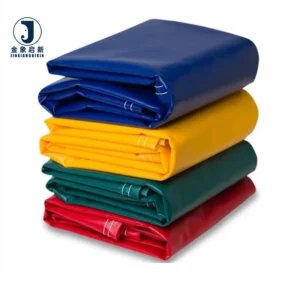
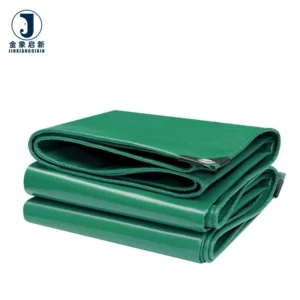
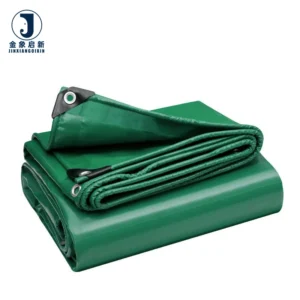
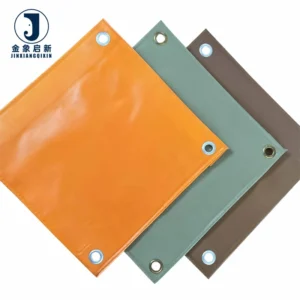
| Colour Options | Blue, Yellow, Black, Green, White, etc. |
| Surface Finish | Glossy or Matte |
| UV Treatment | Customized (test basis not stated in source) |
| Flame Retardant Grade | FR treated (grade not stated in source) |
| Anti-Mildew | Anti-fungal treated |
| Waterproof Rating | Waterproof, Rain-resistant |
| Temperature Range | -15ºC to 70ºC |
| Environment | Eco-friendly |
| Working Life | 3-10 years depend on different usage environment (source value — verify against manufacturer catalog) |
| Size Options | 3x4m, 6x8m, 8x10m, 10x12m or custom made |
| Printing Option | OEM/ODM warmly welcomed |
| Package | Carton or bale |
| Standards | ISO, CE |
Application Suitability
| Application | Exposure & Requirement |
|---|---|
| Tarpaulin distributor stock | Broad GSM range for regional resale, consistent colour across container loads |
| Fabricator roll-to-roll buying | In-house cutting and welding requires uniform coating weight and predictable seam behaviour |
| Mixed-denier wholesale orders | Importers consolidating light to heavy-duty grades in a single shipment need lot-matched documentation |
| Agricultural and aquaculture liners | Permanent water contact demands verified waterproof integrity across the full roll length |
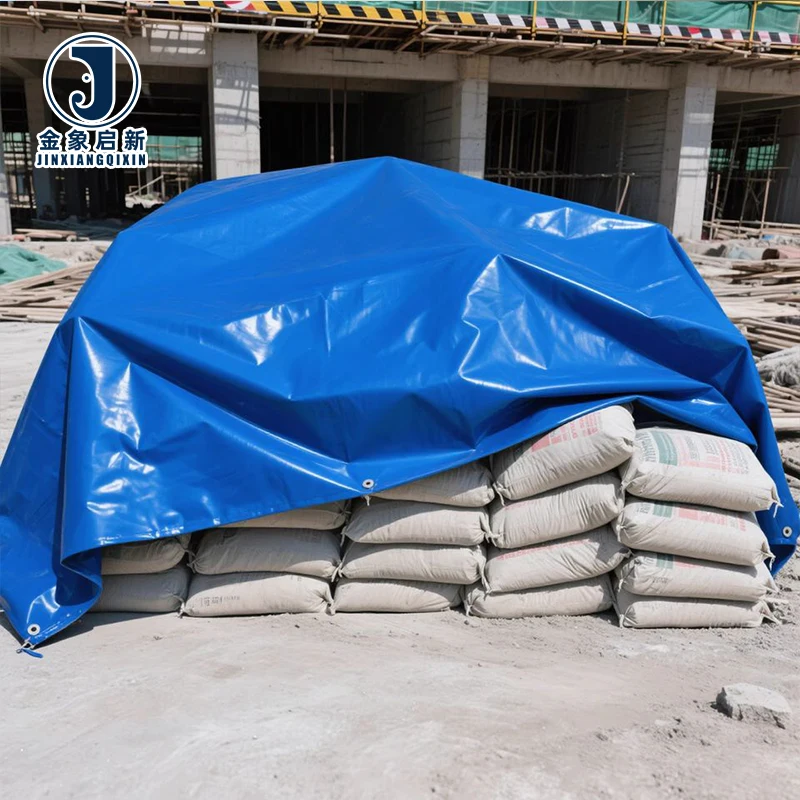
| Construction site covers | Abrasion from equipment, UV exposure during multi-month site use |
Why GSM Drift Between Rolls Destroys Distributor Credibility
Roll-to-roll weight verification before dispatch is the only reliable safeguard against GSM shortfall.
I have watched importers lose entire accounts because the first roll off the container floor tested lighter than the quotation stated. The fabric looked right, felt close enough, but when the end user put it on a scale the discrepancy was clear. That single shipment eroded years of trust. Wholesale buyers cannot absorb that risk across a mixed-grade container order. [NEED_CITE: ISO 1421 test methods for coated fabric weight and tensile verification]
How Roll-to-Roll Consistency Is Maintained Across a Container Order
Each PVC Coated Tarpaulin roll on a wholesale order passes through in-process QA checkpoints that measure coating weight and verify colour against the batch reference. This is not a random sampling exercise — it runs across the full production batch so that rolls destined for the same container share matched coating parameters. Distributors who stock multiple GSM grades benefit directly because their resale customers receive predictable material from one order to the next.
What Container Loading Planning Means for Freight Costs
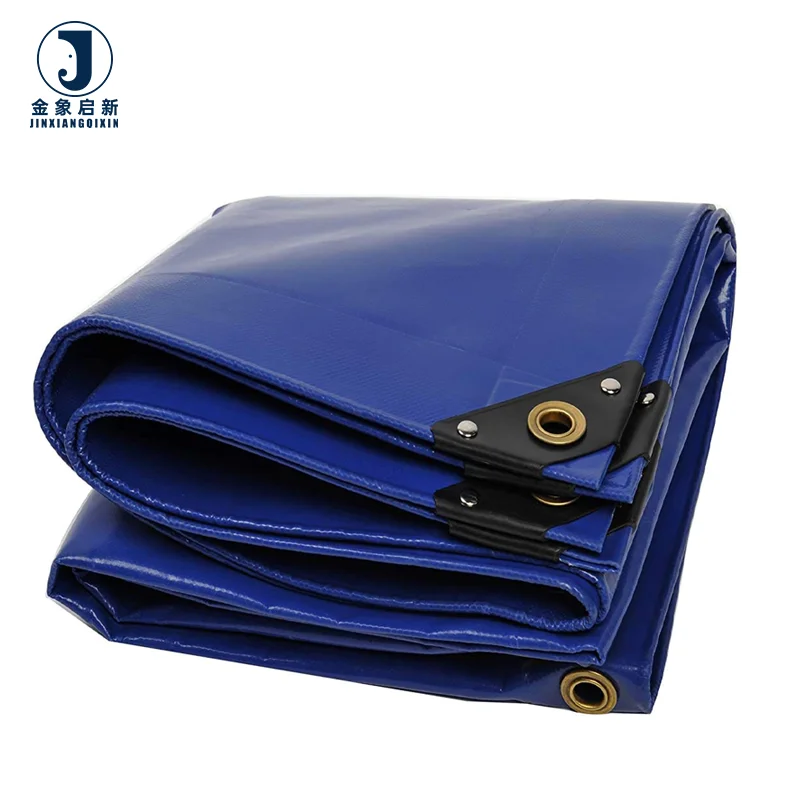
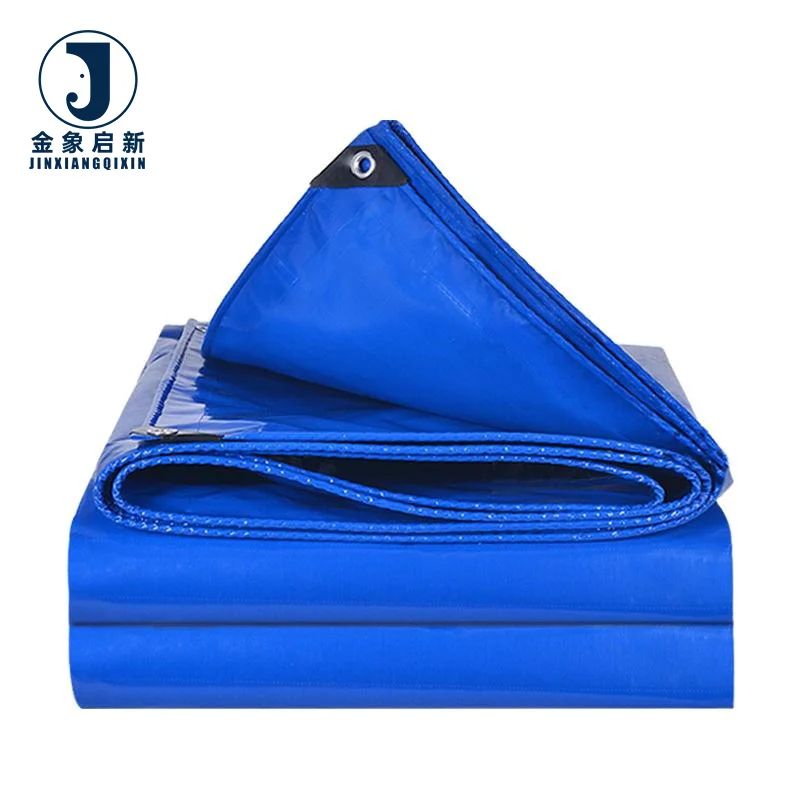
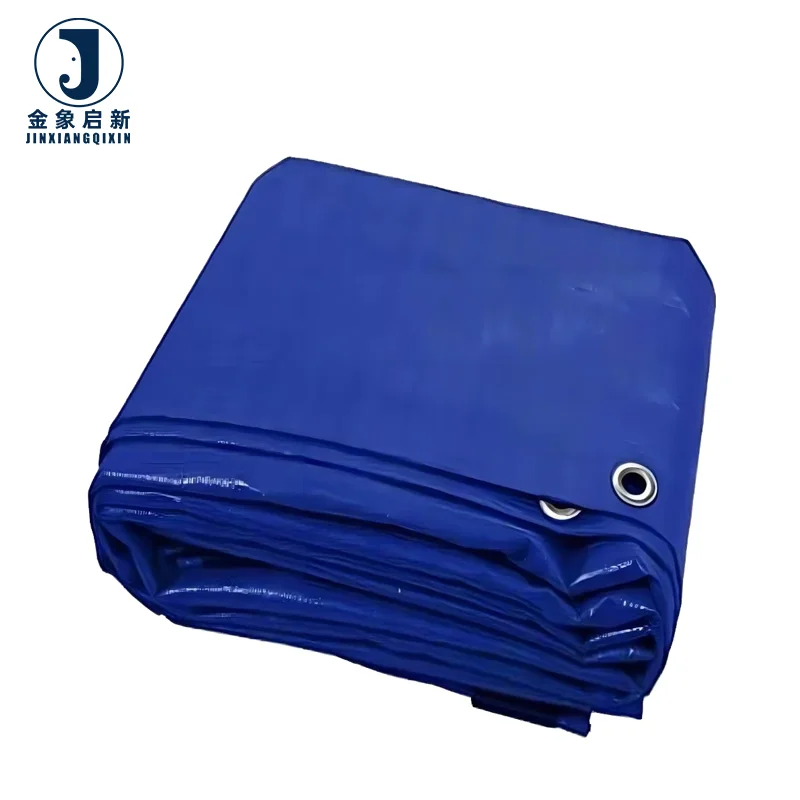
Roll packing by carton or bale affects how many linear metres fit in a standard container. Heavier denier grades such as 1000DX1000D occupy more volume per roll, which means fewer rolls per container compared to 200DX300D lightweight stock. Buyers consolidating mixed-denier orders need accurate roll count, individual roll weight and total payload data to plan freight efficiently. [NEED_CITE: typical container loading configurations for coated fabric rolls]
Reading the Spec Sheet Beyond the GSM Number
GSM alone does not determine how the fabric performs under load. A 650 GSM roll woven from 1000DX1000D base fabric distributes weight across fewer but heavier yarns, producing different tear propagation behaviour than a 650 GSM roll on a 500DX500D weave with denser yarn count. Coating method matters equally — knife-coated fabric typically achieves higher peel strength at the weld line compared to laminated alternatives, which influences how fabricated seams hold under flex stress. The glossy or matte surface finish also plays a functional role: glossy surfaces shed water and dirt more readily, while matte finishes accept printed branding and reduce glare during installation. Temperature range rated from -15ºC to 70ºC defines the boundaries where the PVC coating remains flexible without becoming brittle in cold conditions or softening excessively in sustained heat.
The Hidden Cost of Colour Variation in a Bulk Shipment
When rolls within the same container order show visible colour differences after installation, the entire lot can be rejected by the end user. This is not a minor cosmetic complaint — it forces the distributor to sort, replace and reship at significant cost. Colour drift typically originates from inconsistent pigment dosing or coating temperature variation between production runs. Batch-matched colour references and pre-shipment visual inspection across all rolls in the order are the practical controls that prevent this failure mode. [NEED_CITE: colour consistency standards for coated textile batches]
Why Sourcing Roll Stock Here Reduces Wholesale Risk
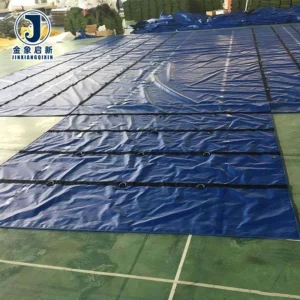
Three full production lines with 36 sets of professional equipment support bulk capacity without splitting your order across outsourced coaters — every roll stays within one controlled production environment. A 10-person R&D team handles custom width, colour matching and sample development so that trial rolls match what the container eventually carries. Dedicated QA/QC at every production stage with 100% inspection before dispatch means GSM and colour are verified roll by roll, not averaged across a batch. Samples are developed within days for custom requirements, letting wholesale buyers confirm specification before committing a full container. Nearly 30 years of focused coated fabric production provides process control over coating weight and adhesion that shows up in consistent weld performance downstream.
Documentation & Verification
- Material specification sheet stating exact GSM, base fabric denier and colour reference per roll batch
- Pre-shipment inspection record confirming GSM and colour consistency roll by roll before container loading
- Roll packing list with roll count, individual weight and container loading data for freight planning
- ISO and CE certificates provided alongside certificate of origin and full customs documentation
- Test reports for UV and flame-retardant grades supplied where applicable, matched to order batch
Fabrication, Handling & Storage
- Hot-air weld temperature must match the PVC coating weight — heavier GSM grades require longer dwell time for full peel strength
- Store rolls upright on pallets to prevent flat-spotting and permanent crease marks across the coated surface
- Unroll at ambient temperature above 5ºC to avoid cracking the PVC coating along the fold line
- Matte finish rolls accept solvent-based ink printing; confirm ink compatibility before full production runs
- Allow 24-hour acclimatisation after transport in cold conditions before cutting or welding
- Plan cutting layout around standard roll widths to minimise off-cuts and welded seam joints
What We Need to Build Your Roll Stock Quotation
Provide the target GSM, denier preference and colour reference so the correct grade is matched to your market. Confirm whether glossy or matte finish suits your downstream fabrication process. Specify roll width and the approximate annual volume so pricing tiers and container loading can be calculated. If your market requires flame-retardant or UV treatment, state the grade or test standard your end users demand.
Frequently Asked Questions
Q: How is roll-to-roll colour consistency controlled across a bulk order?
A: Each production run is matched to a batch colour reference, with pigment dosing monitored across the coating line. Pre-shipment inspection verifies colour roll by roll so that visible variation is caught before container loading. Distributors receive a matched lot rather than mixed production runs.
Q: How can I verify the GSM on arrival matches the quotation?
A: A material specification sheet accompanies every shipment stating the exact GSM and base fabric denier per roll batch. Combined with the pre-shipment inspection record, you can cross-reference the documented weight against your own scale test on arrival.
Q: What roll widths and lengths are stocked versus custom-ordered?
A: Standard widths and lengths cover common distributor requirements, with custom widths available subject to minimum order quantities. Confirm your required width and linear metres per roll so the production team can advise stock availability versus custom lead time.
Q: How are rolls packed for container loading — carton or bale?
A: Both carton and bale packing options are available depending on your freight preference and downstream handling. Carton packing protects roll edges during transit, while bale packing maximises container space. Your roll packing list details count and weight for freight planning.
Q: Can I order mixed denier and GSM grades in a single container?
A: Mixed-denier container orders are supported, letting distributors consolidate lightweight and heavy-duty grades in one shipment. Each grade is documented separately on the packing list and specification sheet for clear customs clearance and warehouse sorting.