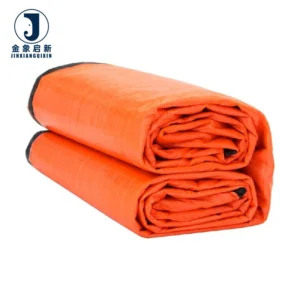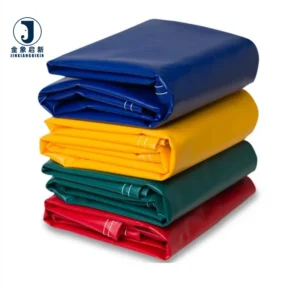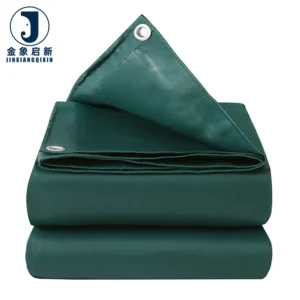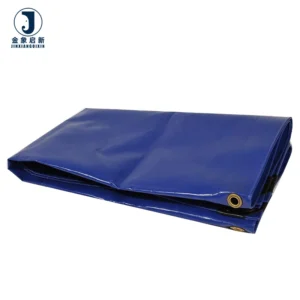
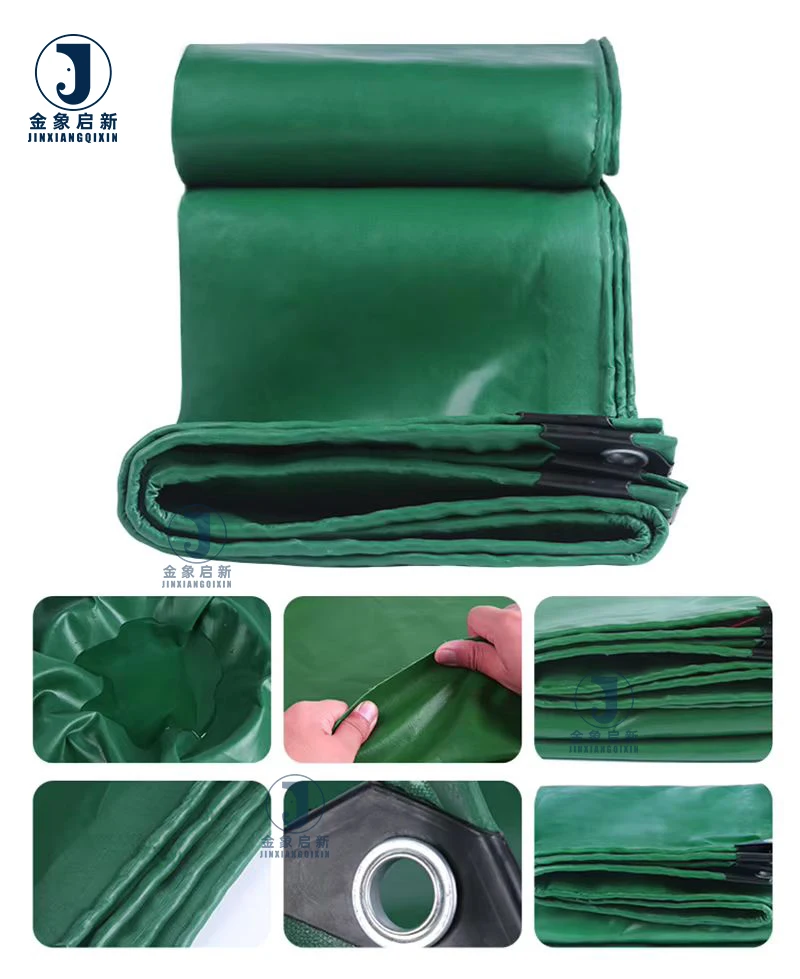
Description
Process-Controlled Bulk Roll Stock — Three dedicated coating lines and dedicated QA at every production stage eliminate the colour shift and GSM variance that typically appear across mixed-batch tarpaulin roll shipments.
Technical Specifications
| Parameter | Value |
|---|---|
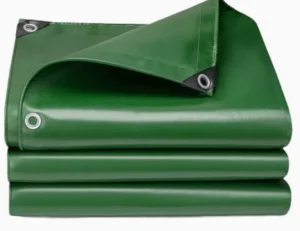
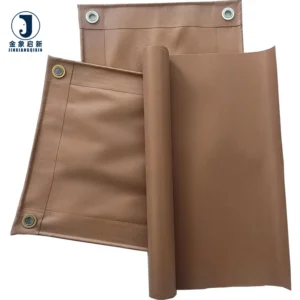
| Product Type | PVC Coated Tarpaulin |
| Base Fabric Yarn Count | 500D-500D |
| Coating Material | PVC & Polyester |
| Weight Range | 450-900 g/m² |
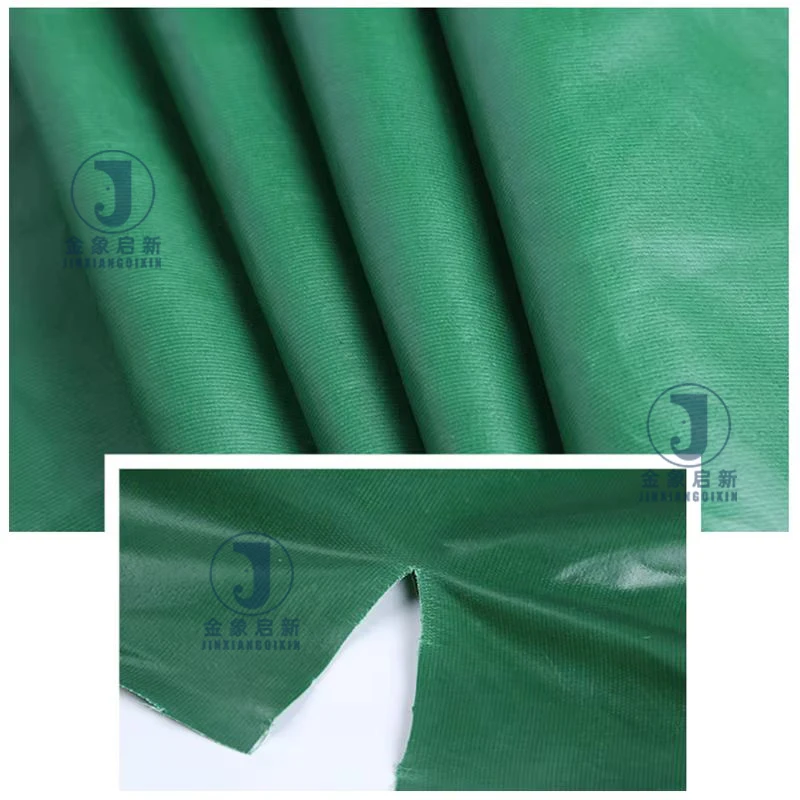
| Surface Finish | Available in glossy or matte finish |
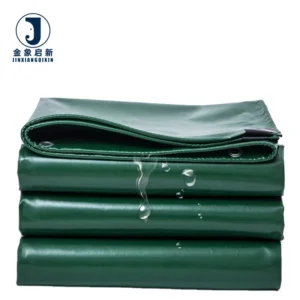
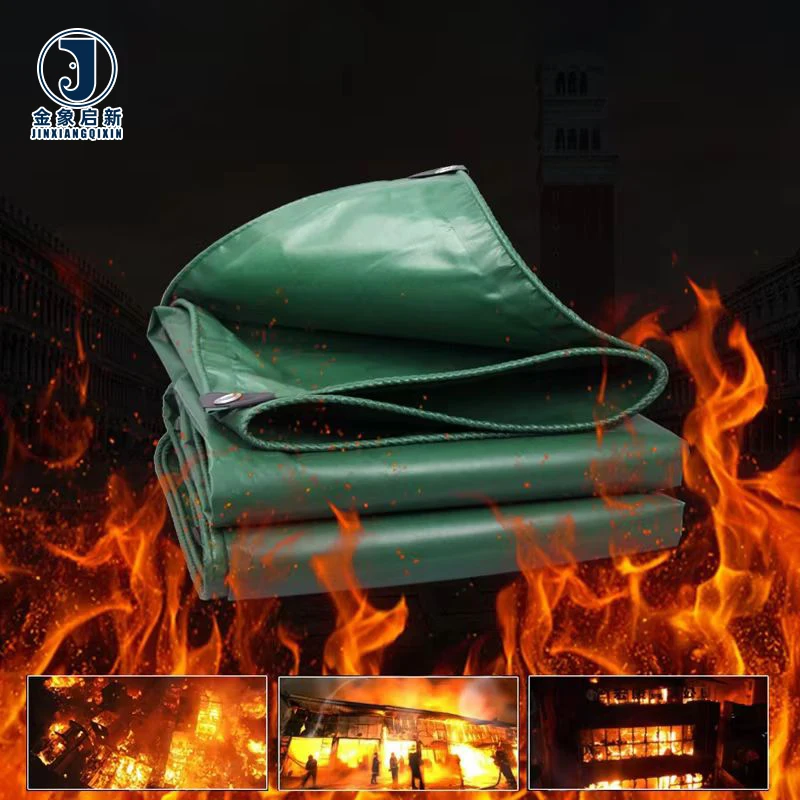
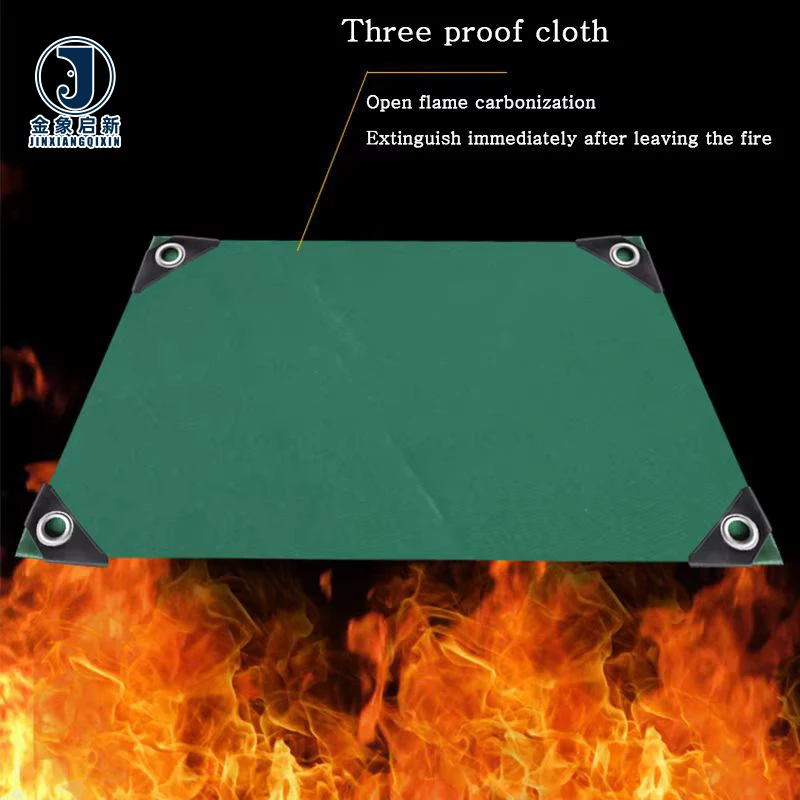
| Key Features | Water Resistant, Flame Retardant (grade not stated in source), Waterproof, Anti-UV (test basis not stated in source) |
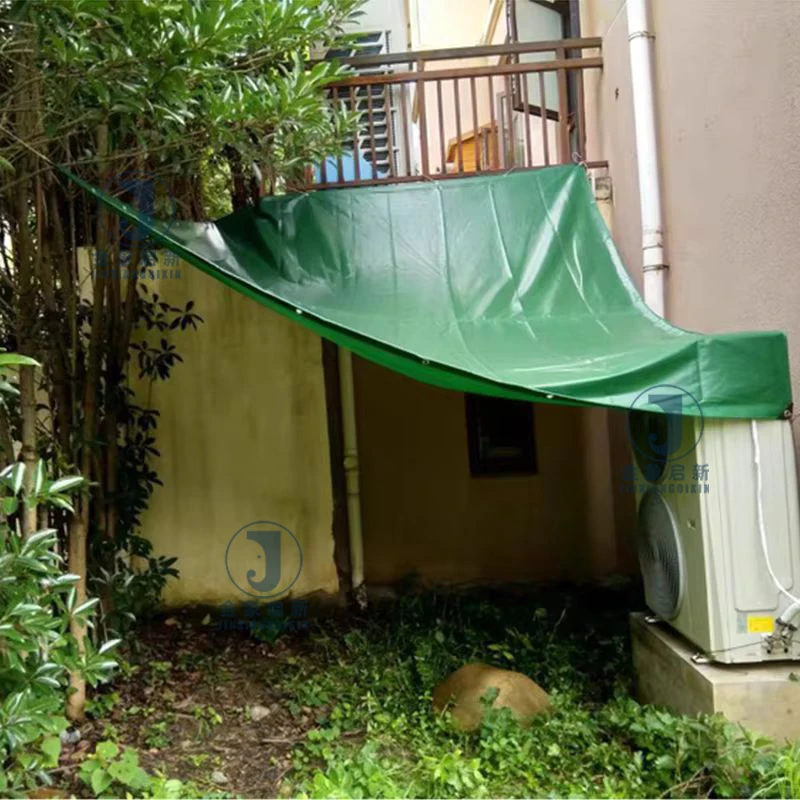
| Intended Usage | Truck / Car / Trailer / Machine / Wood Cover / Awning / Tent |
| Service Life | Suited to extended outdoor exposure |
| Repair Method | Repairable by hot air welding |
| Compliance Framework | ISO, CE (company-level certification) |
Application Suitability
| Application | Exposure & Requirement |
|---|---|
| Tarpaulin distributors and importers | Regional resale requiring multiple widths and colourways with batch-to-batch consistency across container loads |
| Tent, awning and inflatable manufacturers | Cut-and-weld production runs demanding uniform coating weight and predictable hot-air welding behaviour across every roll |
| Fabrication workshops | Large-panel welding for truck side curtains and industrial covers where visible colour shift between adjacent panels causes rejection |
| Logistics and transport fleets | Bulk procurement of PVC coated tarpaulin roll stock for trailer covers and side curtains exposed to road abrasion and weather |
Why Colour Drift Across Rolls Ruins Bulk Orders
Colour variation between rolls within a single PVC coated tarpaulin roll wholesale order becomes visible the moment panels are installed side by side, triggering costly rework or outright rejection.
When a container arrives with rolls pulled from different production batches, the slight hue or gloss difference that was invisible in individual sample swatches suddenly shows up across a truck curtain or a large tent canopy. Fabricators end up cutting around the mismatched sections, losing usable material and delaying shipment to their own customers. This is rarely a coating chemistry failure; it is almost always a process control and batch scheduling failure at the mill level [NEED_CITE: colour consistency measurement methods for coated textiles per ISO 105 series].
Batch Scheduling That Eliminates Panel Mismatch
Ensuring every roll in a PVC coated tarpaulin roll wholesale order comes from the same coating run is a scheduling discipline, not a quality inspection afterthought. When raw polyester base fabric enters the coating line in a single continuous campaign, the PVC compound, pigment dispersion, and oven temperature remain constant from the first metre to the last. This is how roll-to-roll colour consistency is achieved without relying on post-production sorting or selective cutting.
How Roll Allocation Works for Large Orders
For orders that exceed a single coating campaign, the production plan allocates rolls by panel position rather than by random warehouse picking. Rolls destined for adjacent panels on the same truck curtain or tent roof are grouped from the same production window, while any unavoidable batch transition is placed at a natural seam line where the colour shift is least detectable. This level of allocation planning is essential for PVC coated tarpaulin roll wholesale buyers who fabricate large-format covers [NEED_CITE: batch allocation practices in coated fabric manufacturing].
Reading GSM Beyond the Quotation Sheet
The weight stated on a quotation does not automatically arrive on the roll. GSM is a function of base fabric denier, weave density, and the combined weight of both PVC coating layers. A 500D-500D base fabric provides a stable substrate, but the coating weight applied during the knife-over-edge or calendering process determines where the final product falls within the 450-900 g/m² range. Tensile and tear performance depends on the base fabric carrying the structural load while the coating provides environmental protection; neither layer performs alone. A lighter coating on a heavy base fabric yields a stiff but poorly sealed material, while excessive coating on a light base creates a heavy roll with insufficient tear resistance.
The Cost of Overlooking Batch Documentation
When an importer accepts a container of rolls without batch-level documentation, there is no way to trace a colour complaint back to a specific coating run. The mill cannot determine whether the issue originated in pigment mixing, oven temperature fluctuation, or base fabric variation. Requesting a pre-shipment inspection record that lists each roll against its production batch number creates an auditable trail that protects both the buyer and the supplier from disputes that would otherwise become costly arguments over photographs taken in different lighting conditions [NEED_CITE: pre-shipment inspection standards for textile products].
Why Procurement Teams Specify Here
Dedicated QA at every coating stage means GSM is verified during production, not only at the packing bench, reducing the variance that causes weight disputes at destination. Three full production lines allow a PVC coated tarpaulin roll wholesale order to be scheduled as a single campaign, which is the most effective method for maintaining colour consistency across the entire shipment. A ten-person R&D team develops custom samples within days, so buyers can confirm colour, hand feel, and welding behaviour before committing to bulk yardage. Roll packing, bale packing, and carton options are matched to the container loading plan, preventing edge damage and creasing that would render outer wraps unsellable. Every dispatch is accompanied by a roll packing list detailing roll count, net weight, and container position, giving the receiving warehouse the information needed to verify the shipment against the purchase order without guesswork.
Documentation & Verification
- Material specification sheet stating GSM, base fabric denier, and coating weight for each roll grade in the order.
- Pre-shipment inspection record confirming actual GSM verification and colour reference match per production batch.
- Roll packing list showing roll count, individual net weight, and container loading position for receiving checks.
- Test reports for flame retardant and anti-UV grades matched to specific batch numbers where applicable.
- Certificate of origin and customs documentation prepared per destination country requirements.
Fabrication, Handling & Storage
- Hot air welding temperature and speed should be calibrated to the specific GSM within the 450-900 g/m² range to avoid seam failure at flex points.
- Rolls should be stored horizontally on pallets in a dry warehouse to prevent edge crushing that affects unwinding and cutting accuracy.
- Cold-weather transport may stiffen the PVC coating; allow rolls to acclimatise before unrolling to avoid surface cracking.
- Mild detergent cleaning preserves the coating surface; solvent-based cleaners may degrade the PVC layer over repeated use.
- Field repairs on PVC coated polyester fabric are performed with hot air welding using matching scrap material from the same batch.
- Nesting patterns for cut-and-weld production should account for the roll width to minimise offcuts and seam count on large panels.
What We Need to Quote Your Roll Stock Accurately
Provide the target GSM, required roll width and length, and the intended end use so we can recommend the appropriate base fabric and coating weight combination. Specify any flame retardant or anti-UV requirements along with the test standard your market demands, so we can confirm grade availability and lead time. Confirm your preferred packing method and container type so the loading plan and roll count are optimised for your warehouse receiving process.
Frequently Asked Questions
Q: How do you control colour consistency across rolls within a single bulk order?
A: Every roll in a PVC coated tarpaulin roll wholesale order is scheduled from the same coating campaign whenever possible. Pigment batches, oven temperatures, and coating weights remain constant throughout the run. A colour reference document accompanies each shipment, and the pre-shipment inspection record confirms that every roll matches the approved standard within the agreed tolerance before container loading begins.
Q: What widths and roll lengths are stocked versus made-to-order, and how does that affect MOQ?
A: Common widths and mid-range GSM grades are produced regularly, allowing smaller MOQ for buyers who can work with available inventory. Custom widths, specific colourways, or functional treatments such as flame retardant grades require dedicated production runs with higher minimums. We confirm the exact MOQ and lead time once the full specification, including any treatment requirements, is submitted.
Q: How are rolls packed for container shipping to prevent creasing and edge damage?
A: Roll packing, bale packing, and carton options are all available depending on the buyer’s warehouse handling equipment and resale format. Rolls are secured to prevent movement during transit, and outer wrapping protects against moisture ingress. The packing method is matched to the container loading plan so that roll count and weight distribution are optimised for safe transit.
Q: Can you supply roll stock with custom printing or branding, and what is the minimum run?
A: Custom pattern printing and branding are available on PVC coated tarpaulin rolls through our R&D team, which develops print samples for approval before bulk production. Minimum run lengths depend on the number of colours in the design and the roll width specified. We confirm the sample development timeline and production MOQ once the artwork and colour references are provided.