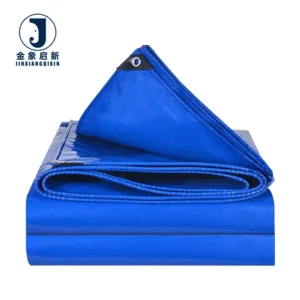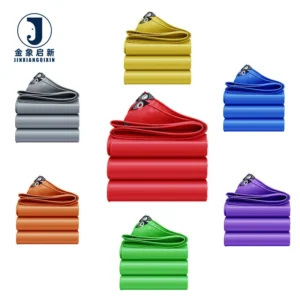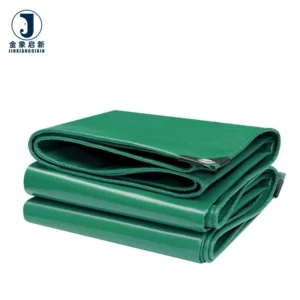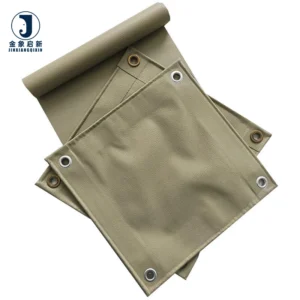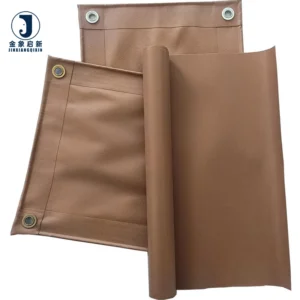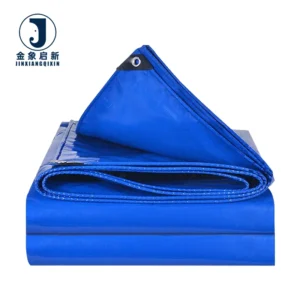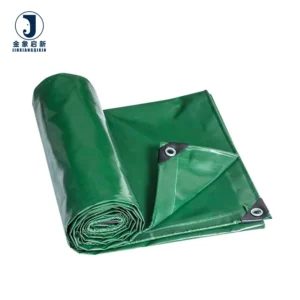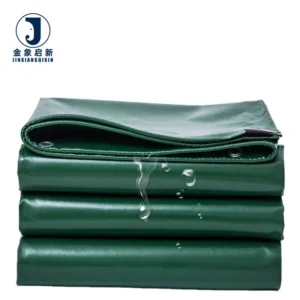
Description
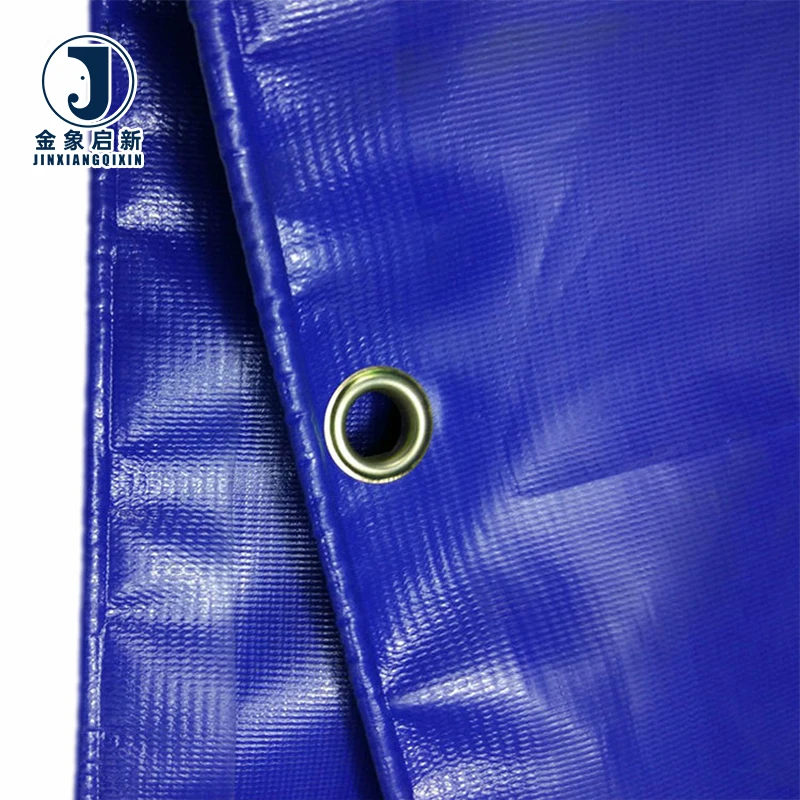
Three full production lines — delivering roll-to-roll weight and colour consistency across container-load orders of PVC coated tarpaulin fabric.
Technical Specifications
| Parameter | Value |
|---|---|
| Product Type | PVC Coated Tarpaulin Fabric |
| Base Material | 100% high toughness polyester yarn with PVC coating |
| Coating Technology | Lamination and hot melt coating |
| Weight (Medium-duty) | 400–500 g/m² |
| Weight (Heavy-duty) | 700–1000 g/m² |
| Weight (Super Heavy-duty) | 1100–1500 g/m² |
| Thickness (Medium-duty) | 0.35–0.45 mm |
| Thickness (Heavy-duty) | 0.70–1.0 mm |
| Thickness (Super Heavy-duty) | 1.2–1.5 mm |
| Knitting Density (Medium-duty) | 500D |
| Knitting Density (Heavy-duty) | 1000D |
| Knitting Density (Super Heavy-duty) | 500D–2000D |
| Tensile Strength (Medium-duty) | Warp 1500–2000 / Weft 1200–1800 N/5cm |
| Tensile Strength (Heavy-duty) | Warp 2000–2500 / Weft 1800–2200 N/5cm |
| Tensile Strength (Super Heavy-duty) | Warp 2500–3000 / Weft 2200–2800 N/5cm |
| Flame Retardant Grade | B1 (per DIN 4102) |
| Key Features | Waterproof, cold resistant cracking, mold proof, anti-static treatment available |
| Welding Tear Strength | Excellent |
| Color Fastness | Best color fastness |
| Weather Resistance | Suited to extended outdoor exposure |
| Color Options | Blue, Blue/Orange, Green, Grey, Black, Clear, Grey/Green, Orange, or custom |
| Standards | ISO, CE |
Application Suitability
| Application | Exposure & Requirement |
|---|---|
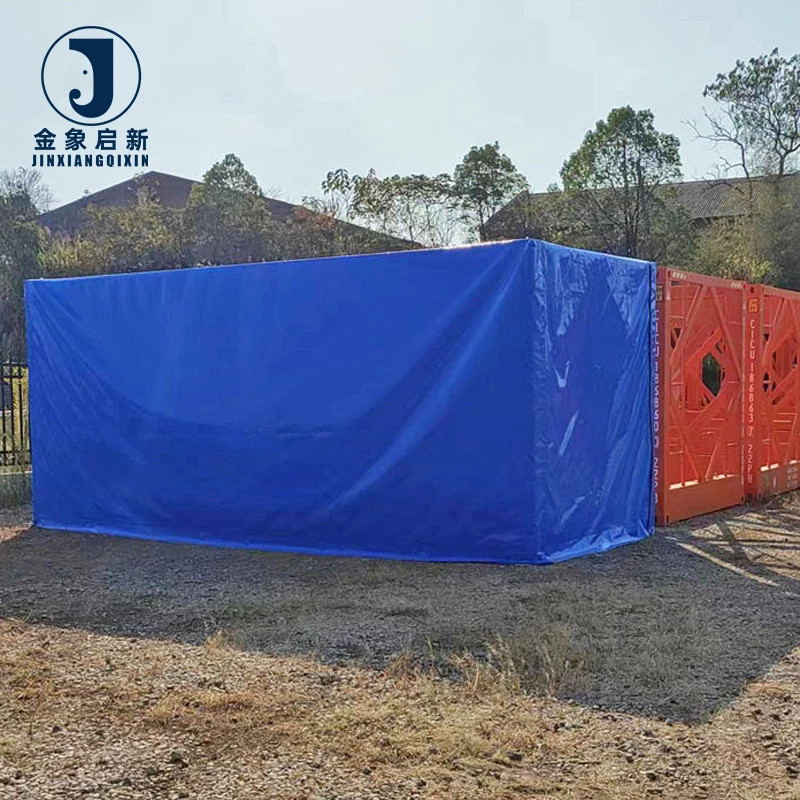
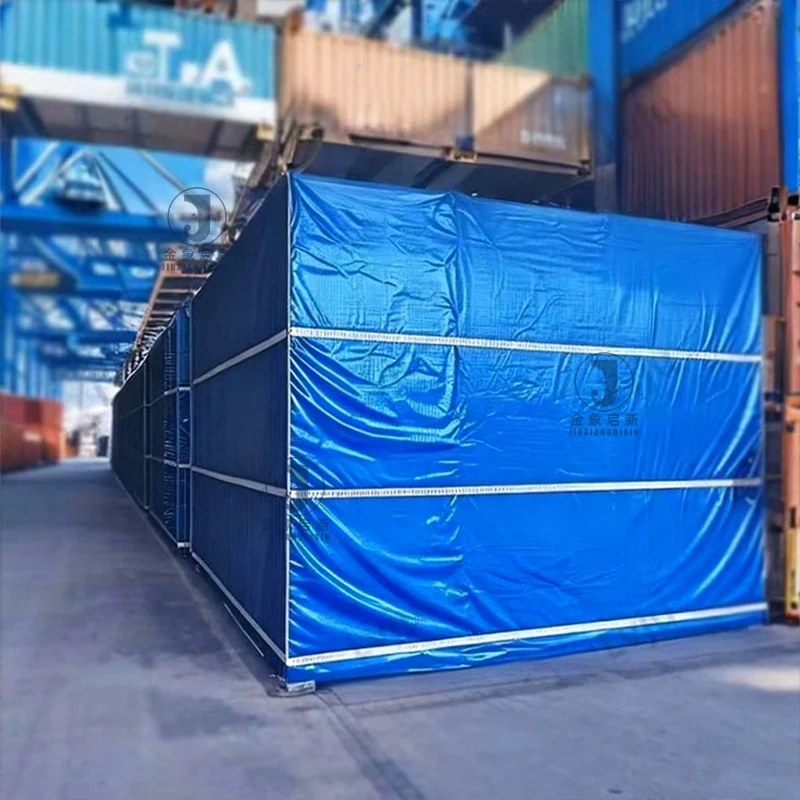
| Warehouse cover | Constant UV and rain exposure, flame retardant compliance for enclosed storage, large span coverage with minimal seams |
| Construction site protection | Abrasion from debris and equipment contact, wind load on temporary enclosures, dust and moisture containment |
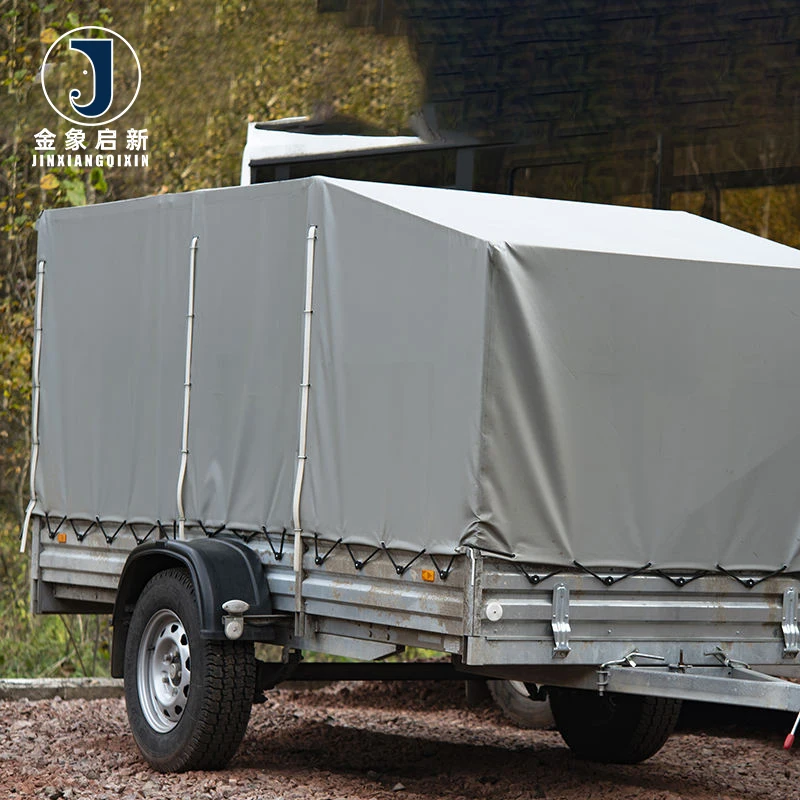
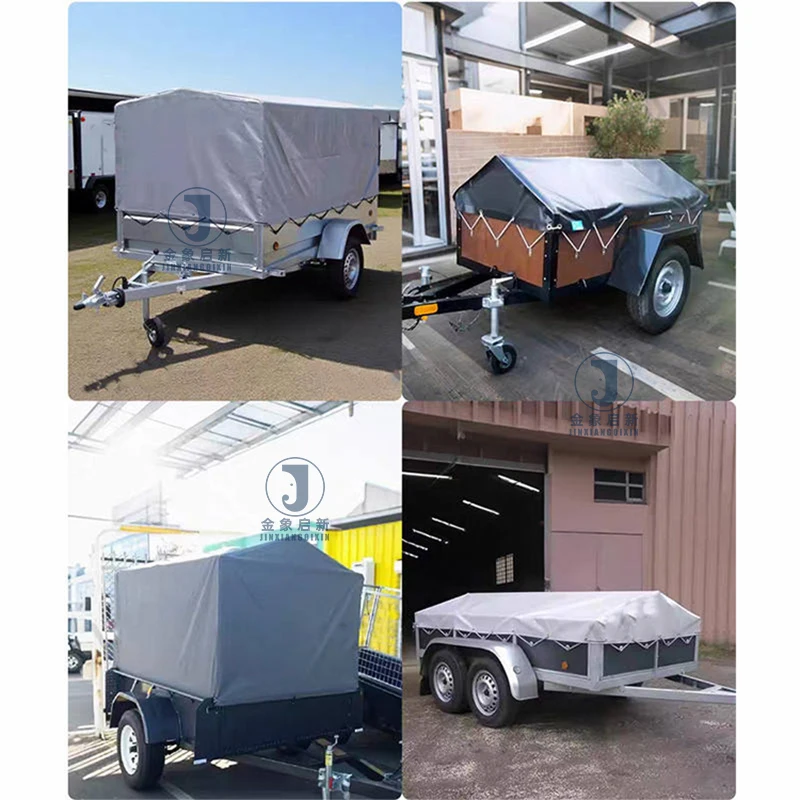
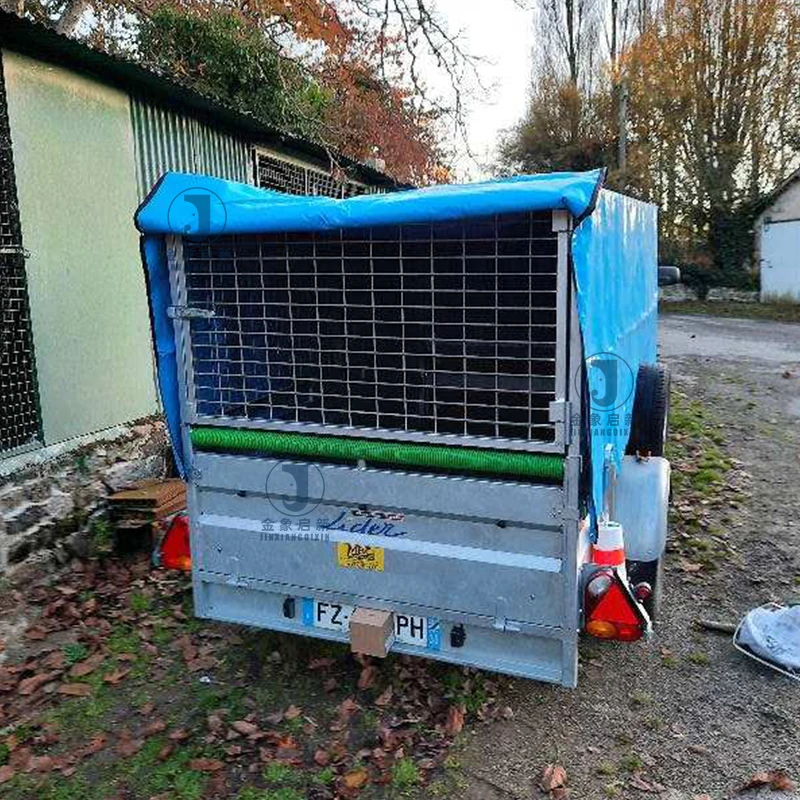
| Truck tarpaulin | Road vibration and flexing at load points, tie-down stress at hems, UV and weather exposure during transit |
| Heavy truck tarpaulin | Higher tensile demand from larger load surfaces, repeated rolling and unrolling, abrasion against cargo edges |
| Engineering protective cloth | Contact with construction chemicals and particulates, field cutting and heat welding on-site |
| Industrial pipe canopy | Heat exposure from process equipment, chemical splash resistance, long-term structural tension |
| Tensioned structural fabric | Sustained biaxial tension, wind uplift forces, architectural appearance requirements |
Why GSM Verification Matters More Than the Quotation Sheet
Every roll is weighed and cross-checked against the stated GSM before it leaves the production floor.
When buying PVC coated tarpaulin fabric by the roll, the weight on paper and the weight on arrival often diverge. Distributors receive containers where the material feels lighter than expected, and by the time the discrepancy surfaces, the shipment has already cleared customs and entered the production line. The cost of discovering a GSM shortfall mid-cut is far greater than the cost of verification at source. [NEED_CITE: coated fabric weight verification methods per ISO 3801]
Batch Consistency Across Container-Load Orders
Wholesale buyers loading full containers need every roll to perform identically on the cutting table. The PVC coated tarpaulin fabric produced across three lines maintains uniform coating weight and base fabric tension, so tensile values and thickness stay within the specified grade from the first roll to the last. Colour matching is controlled per production run, meaning rolls intended for side-by-side installation arrive with consistent shade and surface finish.
Mixed-Grade Loading for Distribution Networks
Importers serving diverse downstream markets often need medium-duty rolls for light covers alongside super heavy-duty stock for truck curtain applications within a single container. The product family spans from 400 g/m² to 1500 g/m², allowing consolidated orders that reduce freight costs per roll. Each grade is produced on dedicated line settings to prevent cross-contamination of coating weights and to maintain the separation between lamination and hot melt coating processes. [NEED_CITE: coating method selection for different GSM ranges in PVC tarpaulin production]
Reading the Specification Sheet Beyond GSM
Tensile strength and knitting density together determine how the fabric behaves under load, not gsm alone. A 700 g/m² roll woven at 1000D delivers different tear propagation resistance than a 700 g/m² roll at lower denier — the base yarn structure governs how a puncture spreads. Hot melt coating produces stronger adhesion between PVC and polyester than lamination alone, which directly affects weld integrity during fabrication. Buyers specifying material for heat-welded truck curtains should confirm the coating method matches their joining process, since peel strength at the weld line depends on it.
The Hidden Cost of Underspecified Rolls
Colour variation between rolls in the same order becomes visible only after installation, when two panels sit side by side under daylight. By that point, the fabric is already cut, welded, and mounted — making a full replacement the only remedy. Similarly, PVC coated tarpaulin fabric supplied without a flame retardant grade backed by a test report creates compliance risk on construction sites where fire safety documentation is audited. Welds failing before the fabric body tears indicate a mismatch between coating adhesion and the thermal profile used during fabrication, a problem that surfaces in the field rather than the factory. [NEED_CITE: weld failure analysis in PVC coated fabrics per ISO 1421 tensile testing]
Why Source From Jinxiang
Three full production lines with dedicated settings per grade prevent the coating weight drift that occurs when a single line switches between light and heavy specifications. The 10-person R&D team develops sample rolls within days for custom width, colour, or treatment requirements, shortening the approval cycle for new stock-keeping units. A 10-person quality team conducts inspection at every production stage rather than sampling only at dispatch, catching GSM deviations before the roll reaches the packing area. Hot melt coating and lamination technology on-site means the supplier controls adhesion strength from the raw yarn stage, rather than outsourcing the coating step and inheriting someone else’s process variables.
Documentation & Verification
- Material specification sheet per roll batch stating exact GSM, base fabric denier, and PVC coating weight
- Weight verification record for each roll measured against the quoted grade before packing
- Test report for B1 flame retardant classification available for applicable product grades
- Pre-shipment inspection record documenting roll count, weight check, and surface defect review
- Roll packing list with batch traceability linking each roll to its production run
- Certificate of origin and customs documentation support for cross-border wholesale shipments
Fabrication, Handling & Storage
- Hot melt coated rolls bond reliably under standard high-frequency welding settings for truck curtain fabrication
- Store rolls upright on pallets to prevent flat-spot deformation on the outer coating layer
- Unroll super heavy-duty grades at ambient temperature to avoid creasing in the 1.2–1.5 mm thickness range
- Allow adequate heat dwell time when welding 1000D base fabric to ensure full PVC flow at the seam
- Clean with mild detergent only; solvent-based cleaners can degrade the mold proof surface treatment
- Plan cutting layouts to minimise off-cuts when working with standard roll widths in the heavier GSM grades
What to Include in Your Inquiry
To receive an accurate specification recommendation and quotation, provide the target application and expected environmental exposure, the required GSM grade and roll width, annual volume forecast for pricing tier assessment, and whether flame retardant certification to B1 or another standard is needed for your market. If custom colour matching or printed branding is required, include a Pantone or RAL reference and request a sample roll before committing to the full production run.
Frequently Asked Questions
Q: How is GSM verified on arrival and what documentation accompanies each roll batch?
A: Each roll is individually weighed during pre-shipment inspection and the results are recorded on the dispatch documentation. A material specification sheet accompanies every batch, stating the exact GSM, base fabric denier, and PVC coating weight. Buyers can cross-check the arrival weight against these documents before the rolls enter their production line.
Q: How do you control colour consistency across multiple rolls in the same wholesale order?
A: All rolls within a single order are produced in the same coating run using matched pigment batches. The R&D team establishes a colour reference before production begins, and the quality team checks shade uniformity against that reference during the line run. This prevents the visible panel-to-panel variation that occurs when rolls are drawn from different production dates.
Q: What are the standard roll widths and how is container loading planned by roll count and weight?
A: Roll widths are configured to suit the buyer’s cutting table or fabrication equipment. Container loading plans are prepared during the quotation stage, showing roll count, gross weight, and cubic utilisation so that freight costs per roll can be calculated before the order is confirmed. Mixed-grade containers are supported.
Q: What is the MOQ for custom width, colour, or printed rolls?
A: Minimum order quantities depend on the specific grade, treatment combination, and colour requested. Custom runs on the dedicated production lines are feasible at wholesale volumes. Submit your target specification and annual requirement to receive the applicable minimum and lead time for your configuration.
Q: How are rolls packed and protected during ocean freight to prevent surface damage?
A: Rolls are packed on pallets with protective wrapping around the outer PVC coating layer to prevent abrasion and moisture ingress during transit. The packing list details the number of rolls per pallet and the stacking configuration within the container, allowing the receiving warehouse to plan unloading and storage space in advance.