Description
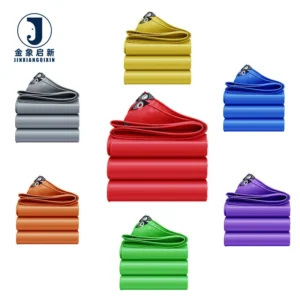
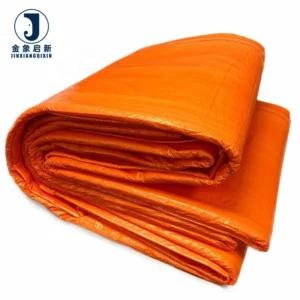
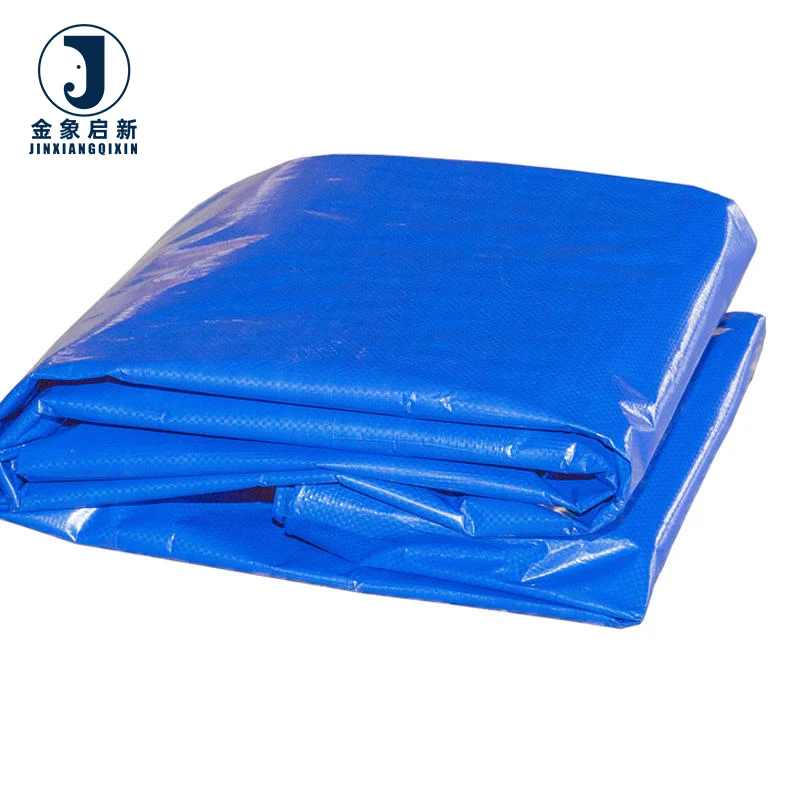
Batch-Controlled Consistency — every roll in a shipment matches the colour reference and GSM stated on the material specification sheet, verified before dispatch.
Technical Specifications
| Parameter | Value |
|---|---|
| Product Type | PVC Coated Polyester Fabric |
| Base Fabric Yarn | 500D × 500D Polyester |
| Coating Material | PVC (double-sided) |
| Weight Range | 450–900 g/m² (multiple grades available) |
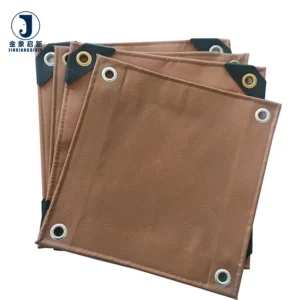
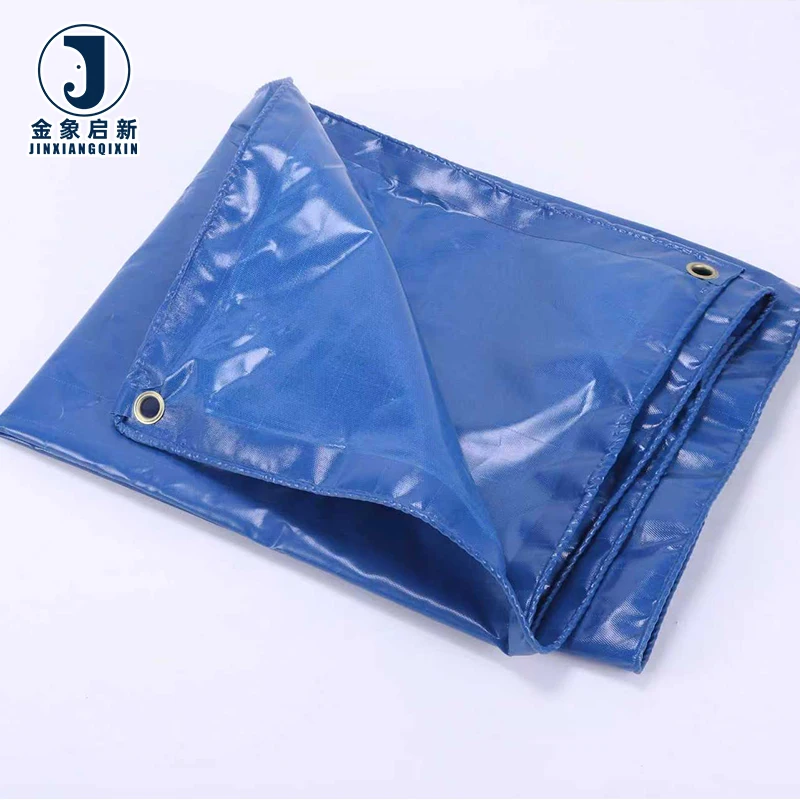
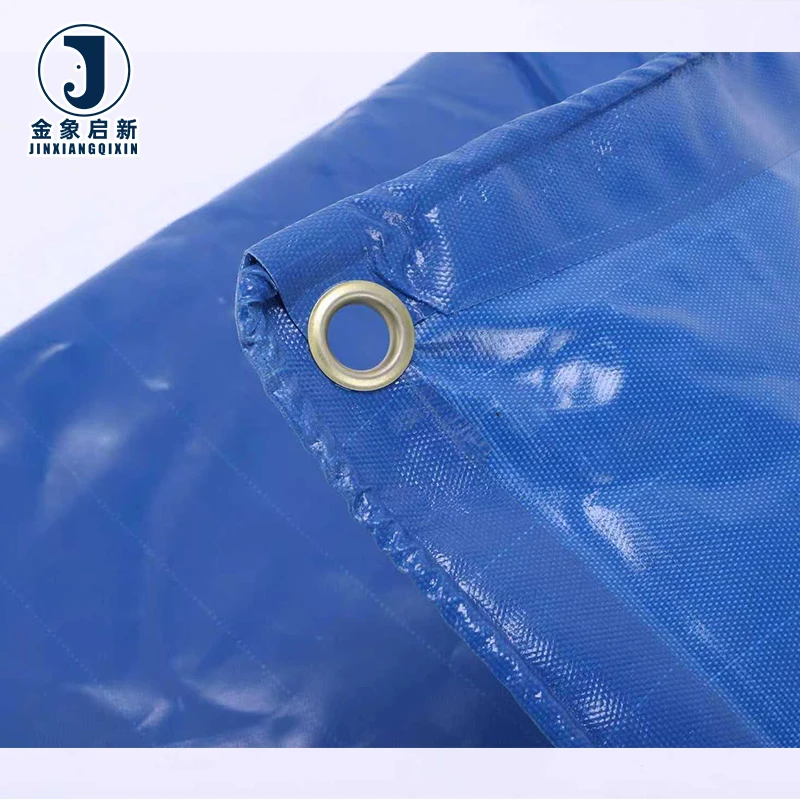
| Surface Finish | Smooth, leather-like texture |
| Water Resistance | Fully waterproof coated construction |
| Flame Retardancy | Available in flame retardant grades — confirm the grade required for your market |
| UV Treatment | Anti-UV treatment available — test basis to be confirmed per order |
| Repairability | Hot air weldable |
| Standards | ISO, CE |
Application Suitability
| Application | Exposure & Requirement |
|---|---|
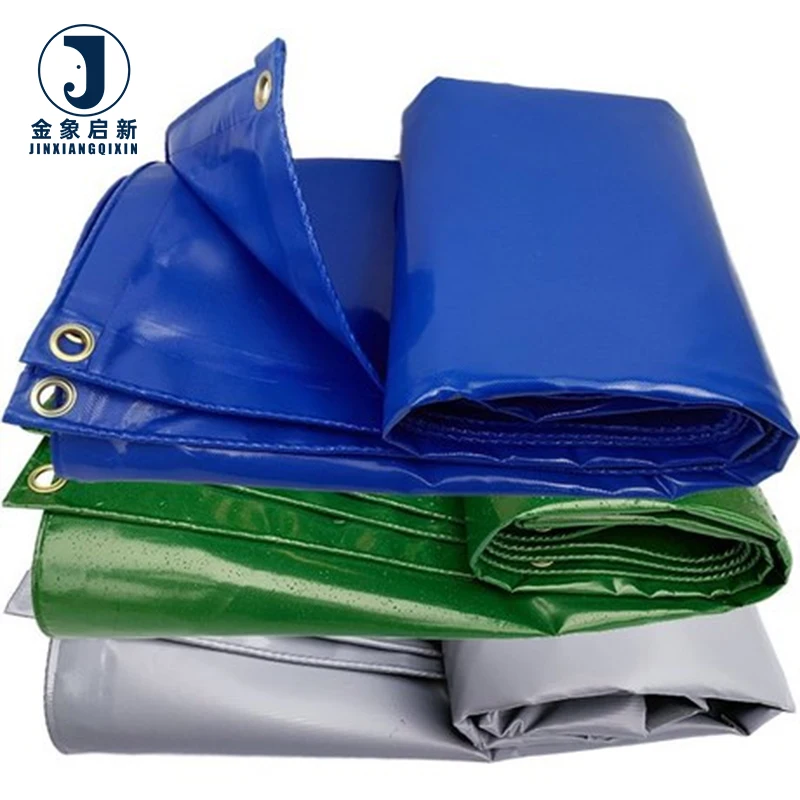
| Tarpaulin distribution & regional resale | Multiple GSM grades stocked for diverse end-user demand, batch colour consistency for shelf display |
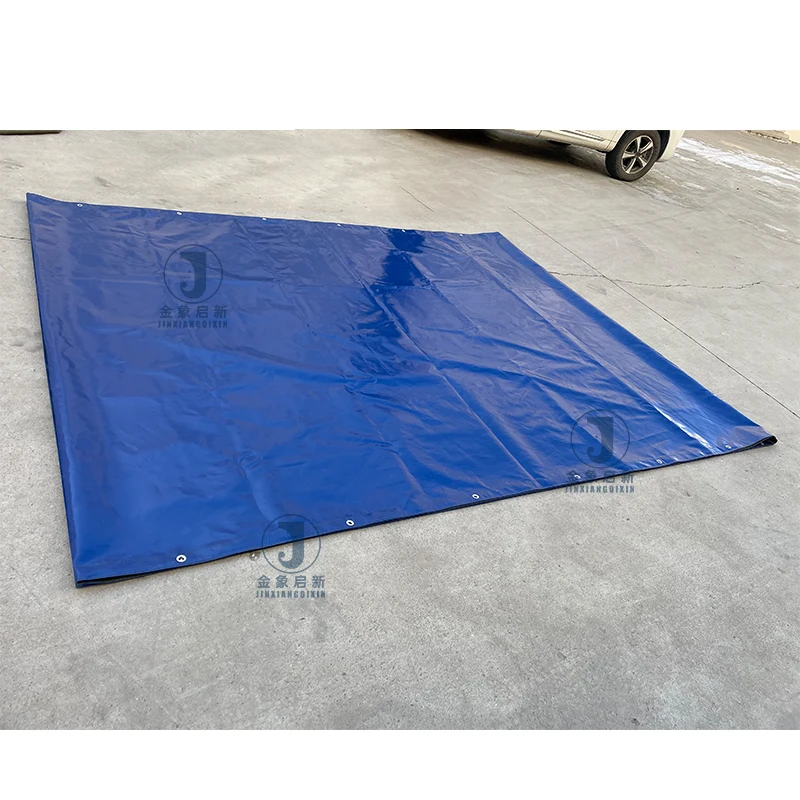
| Custom cover fabrication | Hot air weldable surface for fabricators cutting and joining panels to order |
| Tent and awning manufacturing | Roll stock purchased by the roll, requiring uniform thickness and consistent coating adhesion across long runs |
| Truck and trailer side curtains | Constant flexing, road spray, UV exposure demanding reliable tensile baseline from 500D×500D weave |
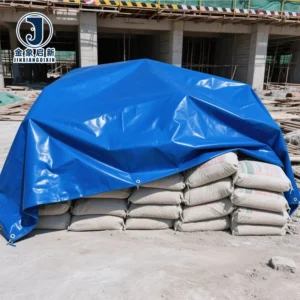
| Machine and equipment covers | Abrasion contact, outdoor storage, water ingress protection |
Why a Quoted GSM Does Not Guarantee What Arrives on the Dock
GSM on paper is meaningless unless it is verified on every roll before it leaves the factory.
Buyers who purchase PVC coated tarpaulin roll stock at container scale frequently discover that the weight stated on the quotation does not match the material received. A roll that is lighter than agreed shifts the cost burden back to the buyer through reduced service life and earlier replacement cycles. This discrepancy is rarely caught until the fabric is already in use or on a fabricator’s cutting table. [NEED_CITE: tensile and tear test methods for coated fabrics per ISO 1421] The gap between quoted and delivered GSM is one of the most common disputes in coated fabric procurement, and it is entirely preventable with in-line weight checks and pre-shipment documentation tied to each batch number.
Roll-to-Roll Colour Traceability Across a Container Load
Colour variation between rolls in a single shipment is a problem that only becomes visible once the fabric is unrolled and installed side by side. For distributors stocking PVC coated tarpaulin roll stock for resale, or fabricators producing matched sets of covers, even a slight shade shift between batches forces sorting, returns, or rejection. Our production runs assign a batch reference to each roll, linking it to the colour standard approved at the sample stage so that every roll in one container traces back to the same dye lot.
Coating Weight and the Relationship to Flex Life
The PVC coating applied to both sides of the 500D×500D polyester base does more than provide waterproofing. Coating weight directly influences how the fabric behaves when folded, flexed, or welded repeatedly. A heavier coating may offer more abrasion resistance but can stiffen the hand feel, while a lighter coating keeps the fabric supple for awning and tent applications where drape matters. Selecting the right GSM grade within the 450–900 g/m² range depends on the end use, and our specification sheet states the exact coating weight per roll so buyers can match material to application without guesswork. [NEED_CITE: coating adhesion and peel strength test methods for PVC coated polyester]
How Denier and Weave Density Define the Structural Baseline
The 500D×500D polyester yarn provides the tensile skeleton of this fabric. Denier alone does not determine strength — weave density and yarn twist also govern how load distributes across the panel. A tighter weave resists tear propagation better than a looser one at the same yarn count. When evaluating PVC coated polyester fabric roll stock, buyers should request the base fabric specification alongside the coated GSM, because two rolls with identical total weight can perform very differently if one relies on heavier coating to compensate for a thinner base cloth. Understanding this relationship prevents overspecifying coating weight where base fabric density is the real driver of durability.
The Hidden Cost of Specifying on Price per Kilogram Alone
When buyers select roll stock primarily on cost per kilogram, the incentive for suppliers shifts toward delivering lighter coating or thinner base fabric within the tolerance band. The result is PVC coated tarpaulin that meets the quoted weight on a laboratory scale but fails prematurely at stress points — welded seams splitting, coating delaminating under UV exposure, or fabric tearing at tie-down positions. These failures surface months after delivery, long after the shipment has been paid for. [NEED_CITE: common failure modes in coated technical fabrics under field conditions] Specifying on verified GSM, base fabric denier, and coating adhesion data removes the ambiguity that lets underweight material pass inspection.
Why Fabricators and Distributors Source Roll Stock Here
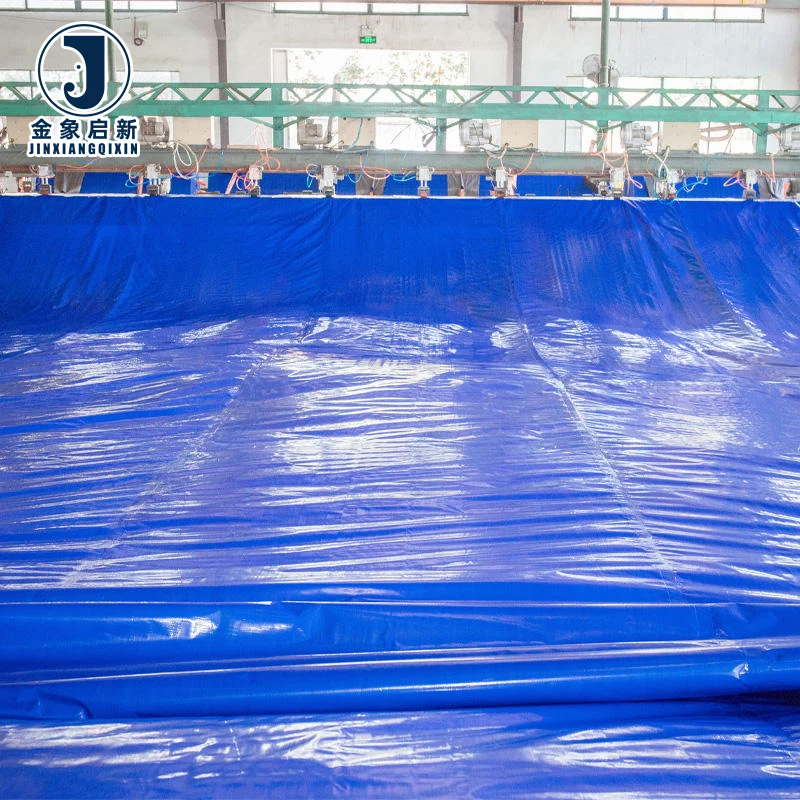
Dedicated QA at every production stage means each roll of PVC coated polyester fabric is checked for weight, colour, and coating integrity before packing, not sampled from a batch after the fact. Three full production lines and 36 sets of professional equipment support bulk container orders with on-time scheduling, reducing the risk of partial shipments that delay fabrication projects. A 10-person R&D team handles custom width, colour matching, and sample development within days, so distributors can test material on their own welding equipment before committing to a full container. Every shipment includes a roll packing list with batch number, weight, and length per roll, giving receiving teams the data they need to verify the order against the specification sheet without waiting for a separate document request. Nearly 30 years of coated fabric production experience underpins process control over coating weight and adhesion consistency from the first roll to the last.
Documentation & Verification
- Material specification sheet stating exact GSM, base fabric denier, and coating weight per roll
- Pre-shipment inspection record verifying delivered GSM against the quoted value
- Roll packing list with batch number for colour traceability across the entire shipment
- UV and flame retardant test reports issued for the specific production batch where applicable
- Certificate of origin and customs documentation prepared for destination market requirements
Fabrication, Handling & Storage
- Hot air welding parameters should be tested on a sample swatch from the received roll before production runs begin
- Store rolls upright on pallets to prevent flat-spotting and permanent creasing on the PVC coating surface
- Allow cold-transported rolls to reach ambient temperature before unrolling to avoid coating crack at low flex points
- Use a sharp rotary blade for cutting to maintain clean edges that weld evenly without fraying the 500D base yarn
- Clean surfaces with mild detergent only — solvent-based cleaners can soften the PVC coating and reduce adhesion at weld lines
What to Include in Your Inquiry
Provide the intended application and exposure conditions so we can recommend the appropriate GSM grade and treatment level within the 450–900 g/m² range. Specify required roll widths, annual volume, and whether you need fabric only or finished cut-to-size panels. If your market has fire safety or UV performance requirements, state the target standard so we can confirm the matching grade and supply the relevant test documentation with your shipment.
Frequently Asked Questions
Q: What GSM grades are stocked and which require production lead time?
A: Multiple grades within the 450–900 g/m² range are available. High-volume stock grades ship on shorter schedules, while custom GSM targets, widths, or colours require a production run. Confirming your required weight and annual volume at inquiry stage lets us quote accurate lead times and minimum order quantities for your specific roll configuration.
Q: How is colour consistency maintained across multiple rolls in one shipment?
A: Each production batch is assigned a reference number linked to the approved colour standard. All rolls in one container order are produced from the same dye lot, and the packing list records the batch number per roll. This traceability ensures that if a shade question arises, the exact production run can be identified and cross-checked against the original sample.
Q: Can I get UV and flame retardant test reports for my specific batch?
A: Yes. When UV or flame retardant treatment is specified on the order, test reports are generated for that production batch rather than supplied as generic documents. State the target standard or market regulation at inquiry stage so we align the treatment grade and testing scope to your compliance requirements before production begins.
Q: What are the standard and custom roll widths available?
A: Standard widths cover common tarpaulin and fabrication requirements, while custom widths can be produced to order subject to minimum quantities. Specifying your cutting layout and panel dimensions at inquiry stage helps us recommend the roll width that maximizes material utilization and minimizes weld seams in your finished product.
Q: How are rolls packed for container loading and what documentation ships with the load?
A: Rolls are packed in roll packing, bale packing, or carton format depending on the grade and destination requirements. Each shipment includes a detailed packing list with roll count, individual weight, length, batch number, and colour reference alongside material specification sheets and certificates of origin for customs clearance at destination.