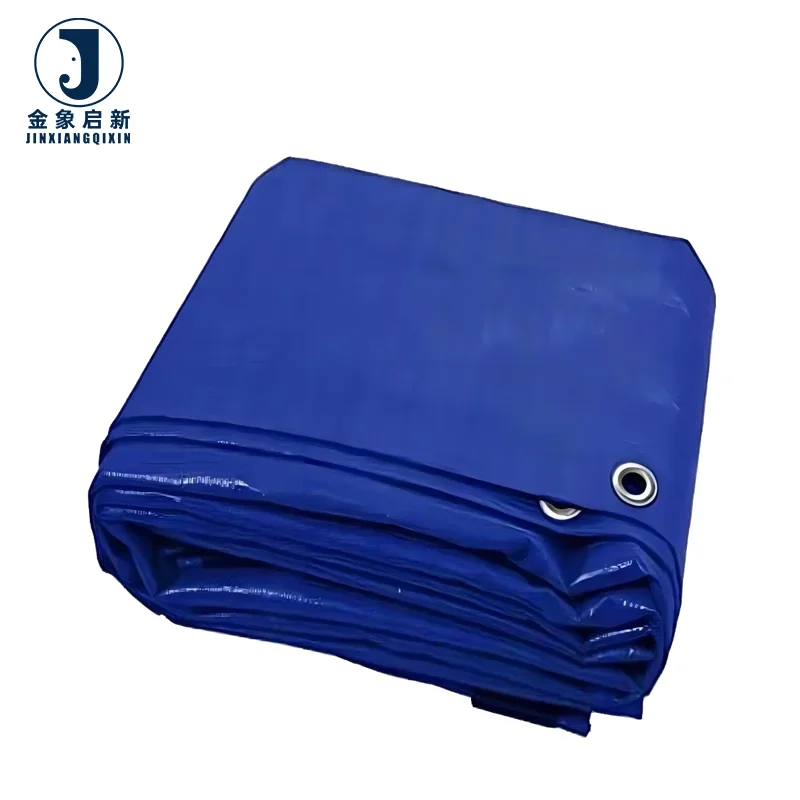
Description
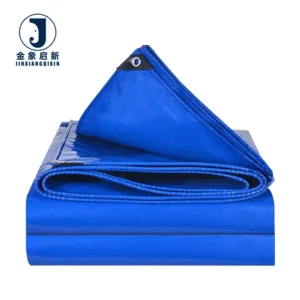
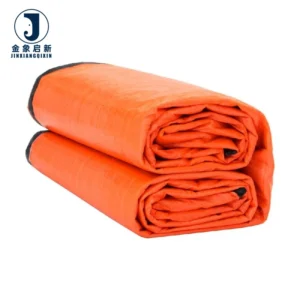
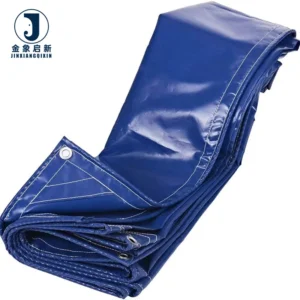
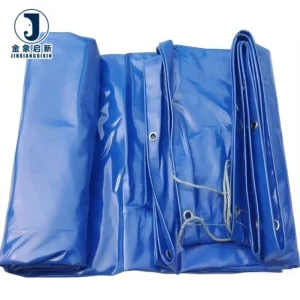
Consistent Roll-to-Roll Quality — every PVC coated tarpaulin roll in a bulk order ships with a verified specification sheet matching the quoted grade, eliminating the mismatch between invoice and arrival.
Technical Specifications
| Parameter | Value |
|---|---|
| Product Type | PVC Coated Tarpaulin Roll |
| Base Fabric | Polyester woven scrim |
| Coating | Double-sided PVC |
| Weight Options | 350, 400, 420, 500, 600, 650, 750, 900 GSM |
| Yarn Count Options | 500D×840D, 500D×1000D, 1000D×1000D, 1000D×1300D, 1300D×1300D, 1000D×2000D |
| Mesh Count | 30×19, 20×20, 30×15 |
| Thickness Range | 0.29 mm – 0.65 mm |
| Tensile Strength (Warp) | 1650 – 3900 N (varies by grade) |
| Tensile Strength (Weft) | 1600 – 3500 N (varies by grade) |
| Welding Methods | High frequency hot melt, hot air, sewing |
| Temperature Range | Brittle point ≤ -50 to -60 °C, softening ≥ 80 °C, melting point 212 °C |
| Density | 1.15 – 2.00 g/cm³ |
| Tensile Strength (Material) | 50 – 80 MPa |
| Fire Retardant | Available in flame retardant grades — confirm the grade required for your market |
| Anti-UV | Available with UV treatment — confirm the test basis for your region |
| Key Features | Waterproof, anti-mildew, heavy metal free, flexible, self-clean surface |
Application Suitability
| Application | Exposure & Requirement |
|---|---|
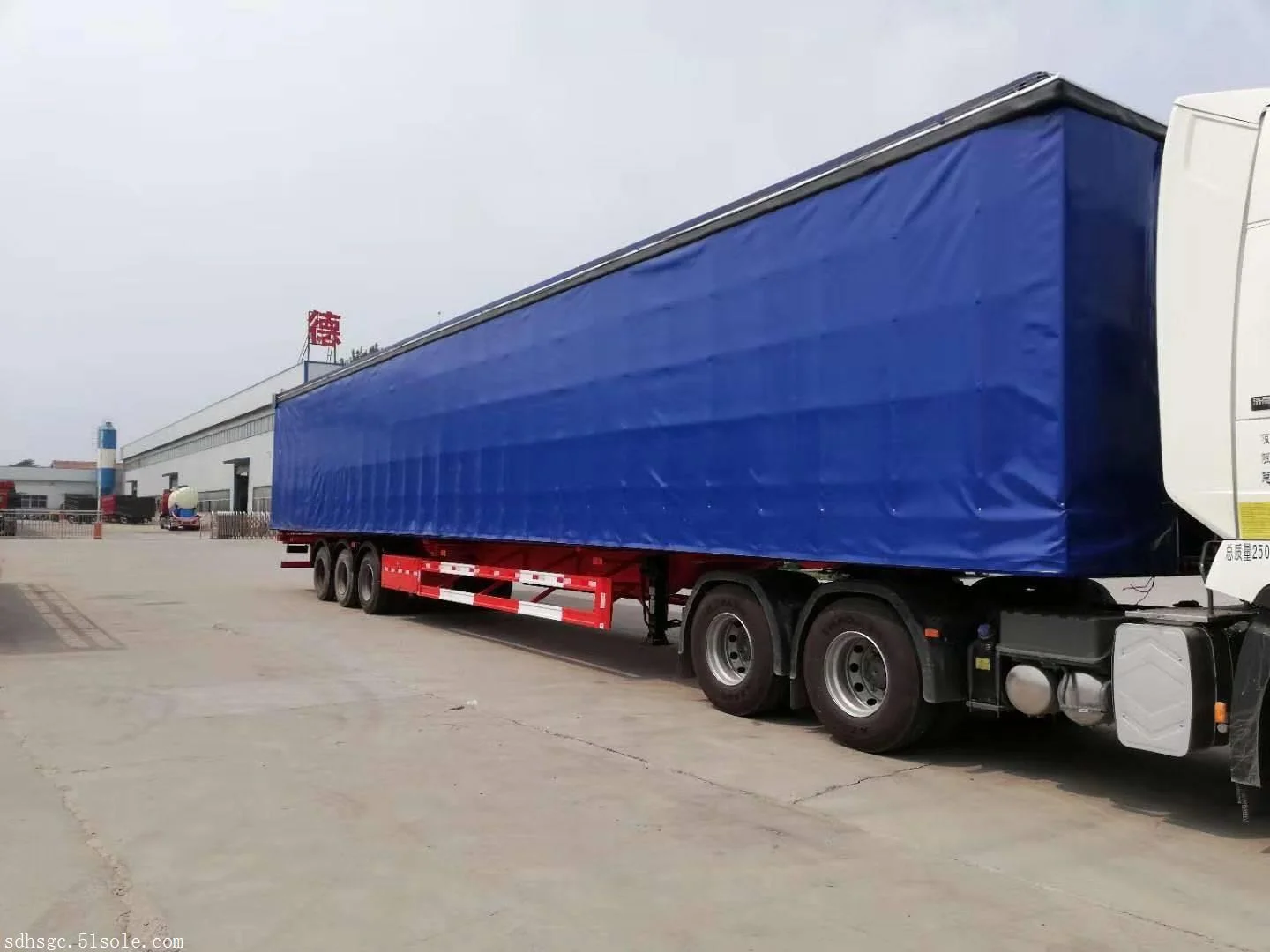
| Truck and trailer side curtains | Constant flexing at hinges, road spray abrasion, sun exposure, repeated rolling and unrolling |
| Pallet and equipment covers | Warehouse stacking load, outdoor weather between shipments, forklift handling friction |
| Tent and awning fabrication by the roll | Weld seam integrity during fabrication, colour match across panels, UV exposure in end use |
| Inflatable and membrane structures | Air pressure retention, double-sided coating adhesion, heat-welded seam strength |
| Construction enclosure and hoarding | Wind load on large panels, dust and debris abrasion, temporary site UV exposure |
Why Quoted GSM Does Not Guarantee What Arrives on the Dock
Roll-to-roll GSM verification before dispatch is the only way to confirm the material you ordered is the material you receive.
Tarpaulin importers routinely open containers to find rolls that feel lighter than the grade stated on the invoice. The discrepancy is often small enough to escape casual inspection yet large enough to affect tensile performance downstream. When a distributor stocks multiple weight grades, even a slight shortfall in coating weight compounds across hundreds of cut panels sold to end users. The root cause is rarely fraud — it is usually a lack of in-line weighing discipline at the coating stage [NEED_CITE: typical GSM verification practices for coated fabric production].
Stocking Multiple Grades Without Sacrificing Batch Consistency
Distributors and importers need a PVC coated tarpaulin roll range that covers light awning grades through to heavy truck curtain weights without sacrificing uniformity within each grade. Eight weight points from 350 to 900 GSM, built on matched denier and mesh combinations, let you fill a container with a mixed-grade order while keeping each roll within its stated specification band. The double-sided PVC coating on a polyester base fabric provides a consistent waterproof barrier and abrasion surface across all grades in the range.
Colour Matching Across Rolls in a Single Shipment
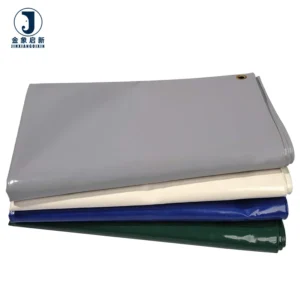
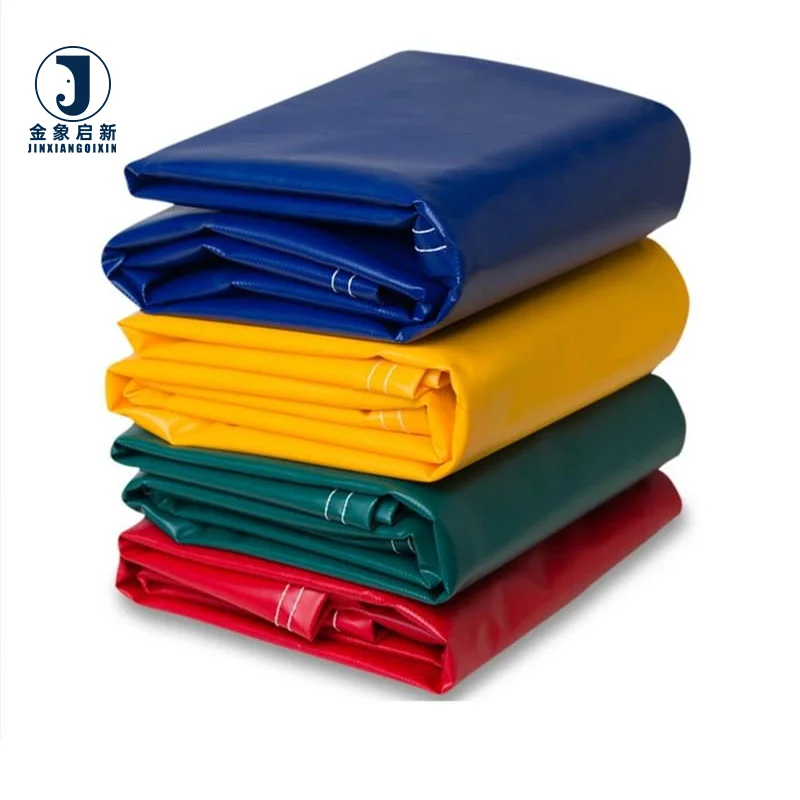
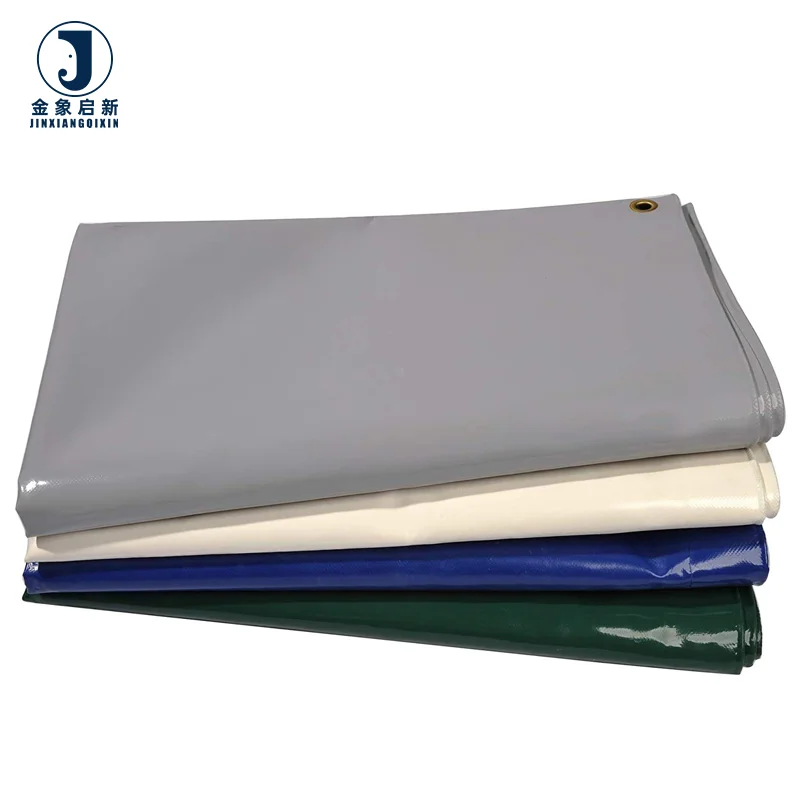
When two rolls from the same order are installed side by side — whether on a truck curtain or a tensioned awning — any shade variation becomes immediately visible. Colour drift between rolls typically originates from inconsistent pigment dosing or temperature fluctuation across the coating line. Production discipline at the mixing and calendering stage keeps roll-to-roll colour within tolerance, so fabricators can cut panels from any roll in the batch without visible mismatch.
How Denier and Mesh Count Determine What GSM Alone Cannot
GSM tells you how much material is present, but the base fabric construction determines how that material behaves under load. A 650 GSM roll built on 1000D×1000D yarn with a 20×20 mesh distributes tensile stress differently than one built on finer yarn at a higher mesh count, even at identical weight. Coarser denier yarns resist tear propagation more effectively because each individual filament carries a higher share of the load before breaking [NEED_CITE: relationship between base fabric denier and tear propagation in coated textiles]. The PVC coating then locks the weave geometry in place, transferring load between warp and weft at every intersection. Double-sided coating adds adhesion area, improving weld strength when the fabric is fabricated into finished covers or curtains. Temperature behaviour also matters: the stated brittle point of ≤ -50 to -60 °C and softening threshold of ≥ 80 °C define the climate envelope within which the material remains flexible and dimensionally stable.
The Hidden Cost of Specifying by Weight Alone
Ordering strictly on quoted GSM without verifying base fabric denier or coating adhesion leads to predictable failures in the field. A lighter base fabric coated heavily to reach the target weight may pass a scale check yet tear easily at the eyelet line under wind load. Welded seams fail before the fabric body when the coating formulation is optimised for weight rather than adhesion, particularly at the flex points of a side curtain that rolls daily. Flame retardant grades specified without a documented test basis cause rejection at the job site when the inspector asks for certification [NEED_CITE: fire classification standards required for temporary structures and transport covers]. Colour inconsistency between rolls forces fabricators to reject entire panels, inflating waste and delaying shipment to their own customers.
Why Fabricators and Distributors Source Roll Stock Here
Three full production lines and 36 sets of professional equipment support bulk roll output with reliable scheduling, so container bookings do not slip due to machine bottlenecks. A 10-person R&D team handles custom colour matching and sample development within days, allowing distributors to approve a shade standard before the full order runs. Dedicated QA/QC inspection at every production stage — from base fabric intake through coating, winding and packing — catches weight drift and surface defects before rolls reach the dispatch area. Every roll ships with a pre-shipment inspection record confirming GSM and colour against the purchase order. The product range covers stock grades and widths that load efficiently into standard containers by roll count and weight, reducing freight cost per kilogram for wholesale buyers.
Documentation & Verification
- Material specification sheet per roll stating base fabric denier, coating type and GSM
- Pre-shipment inspection record confirming weight and colour against the purchase order
- Roll packing list with dimensions and weight for container load planning
- Test report for UV and flame retardant grades where applicable to the selected product
- ISO and CE certificates covering the production facility
- Certificate of origin and customs documentation for export shipment
Fabrication, Handling & Storage
- High frequency hot melt welding suits all grades in the range; adjust dwell time for 900 GSM versus 350 GSM rolls
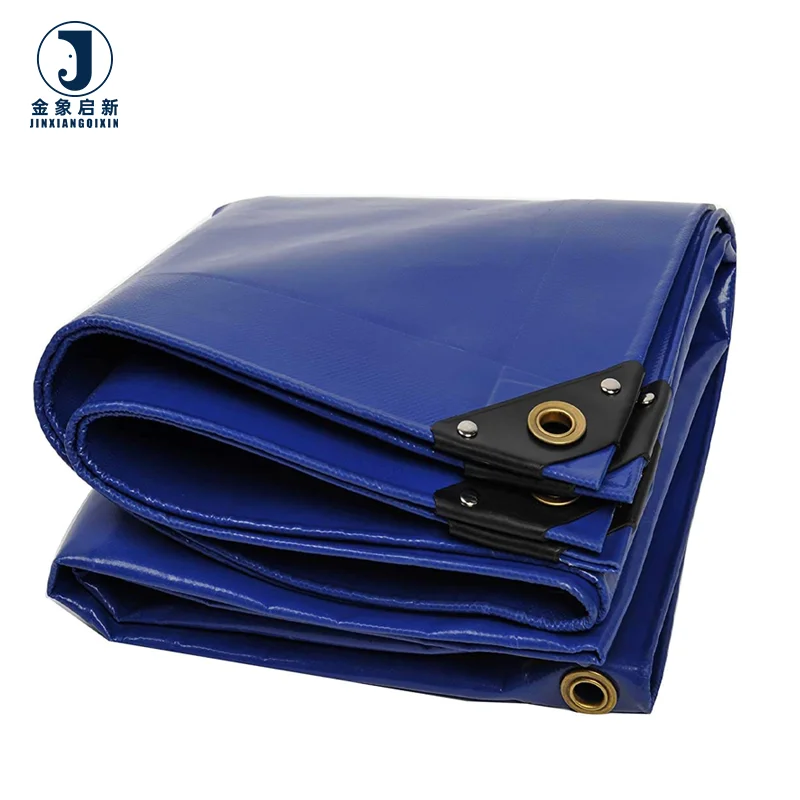
- Reinforce corners and eyelet zones before tensioning, especially on heavier denier base fabrics
- Store rolls horizontally on pallets to prevent edge deformation and permanent creasing
- Unroll in temperatures above freezing to avoid cracking the PVC coating at low temperature
- Use mild detergent for surface cleaning; solvent-based cleaners may degrade the self-clean finish
- Plan cut patterns across roll width to minimise off-cuts and maximise yield per roll
What to Include in Your Enquiry
Provide the weight grade, base fabric denier preference and target roll width so the specification can be matched precisely. If your market requires a specific flame retardant or UV test basis, state the standard name and grade in the initial enquiry. Confirm whether you need plain roll stock or custom colour and printing, and indicate your expected annual volume to support container-load planning.
Frequently Asked Questions
Q: How is GSM verified roll by roll before shipment?
A: Each roll is weighed and measured during the pre-shipment inspection to confirm the actual GSM matches the grade stated on your purchase order. The inspection record accompanies the shipping documentation, giving you a traceable weight verification for every roll in the container before it leaves the factory.
Q: How do you control colour consistency between rolls in one order?
A: Pigment dosing and coating temperature are held constant across the full production run for a single order. Rolls from the same batch are cross-checked visually and against the approved colour reference before packing, so panels cut from different rolls install side by side without visible shade variation.
Q: What roll widths and lengths are available for container loading?
A: Roll widths and lengths vary by grade and are confirmed at quotation stage based on your cutting requirements. The packing list details roll dimensions and weight per roll, allowing you to plan container loading by count and total weight for efficient freight utilisation.
Q: Can I mix different weight grades in one container?
A: Mixed-grade orders are supported, with each grade packed and labelled separately. The pre-shipment inspection covers every roll regardless of grade, and the packing list itemises each weight variant so you can allocate stock to different product lines on arrival.
Q: Do you provide test reports for UV and flame retardant grades?
A: Test reports are supplied for the specific flame retardant grade and UV treatment selected for your order. State the standard or classification required by your market in the enquiry so the appropriate grade is produced and documented before shipment.