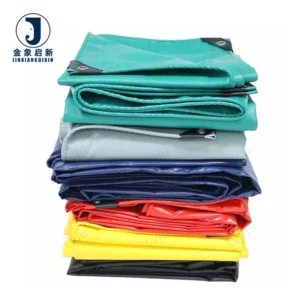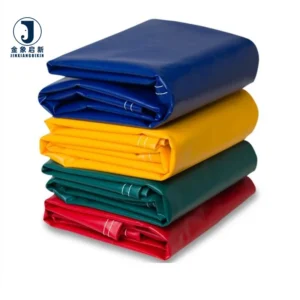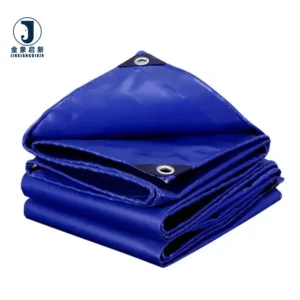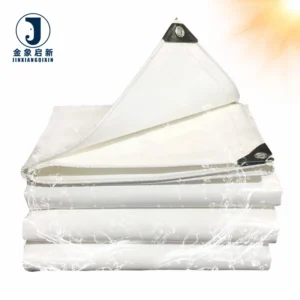
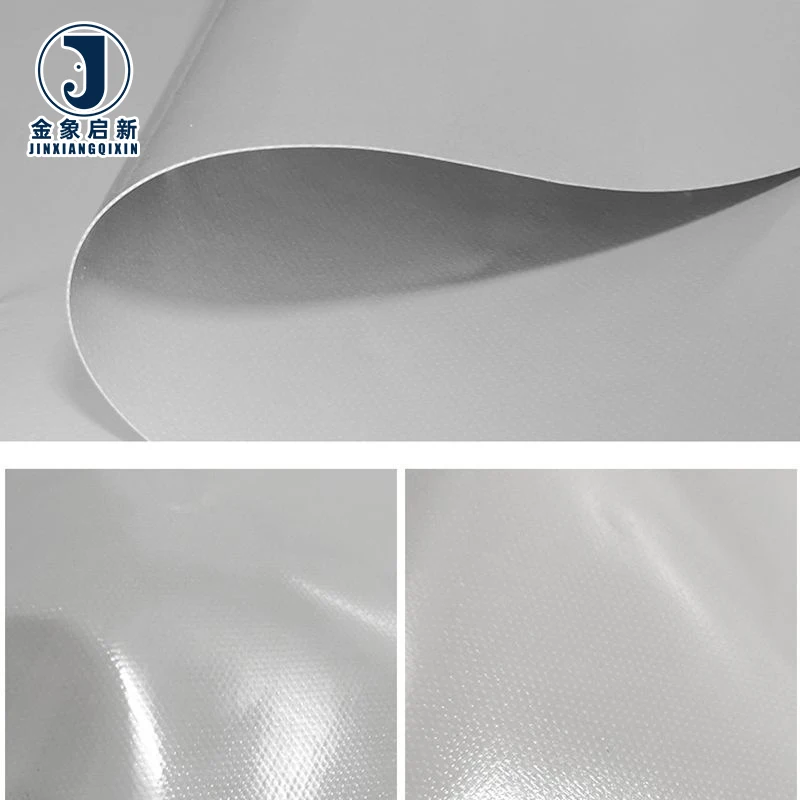
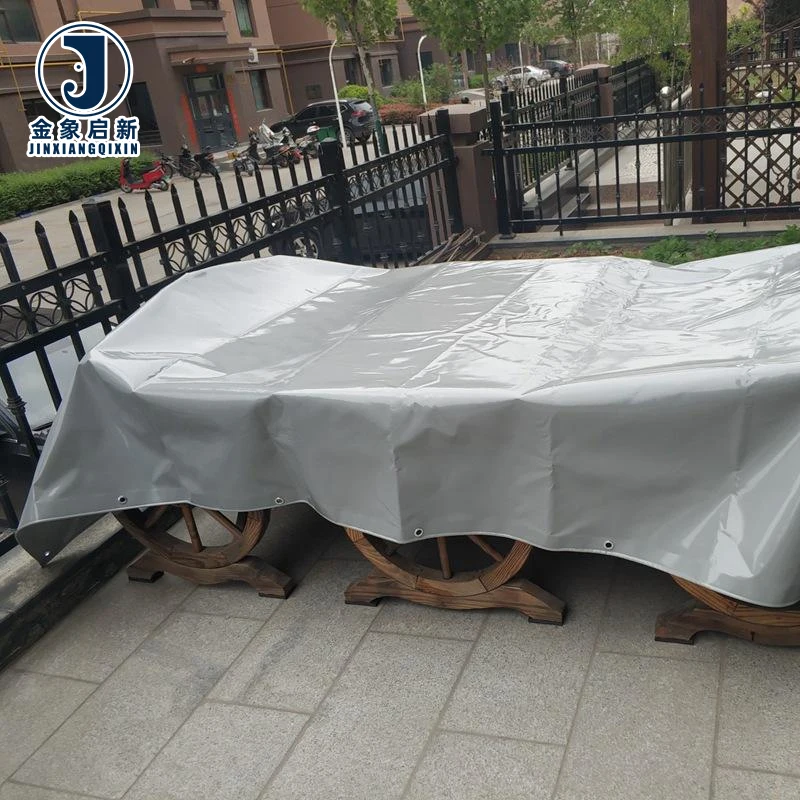
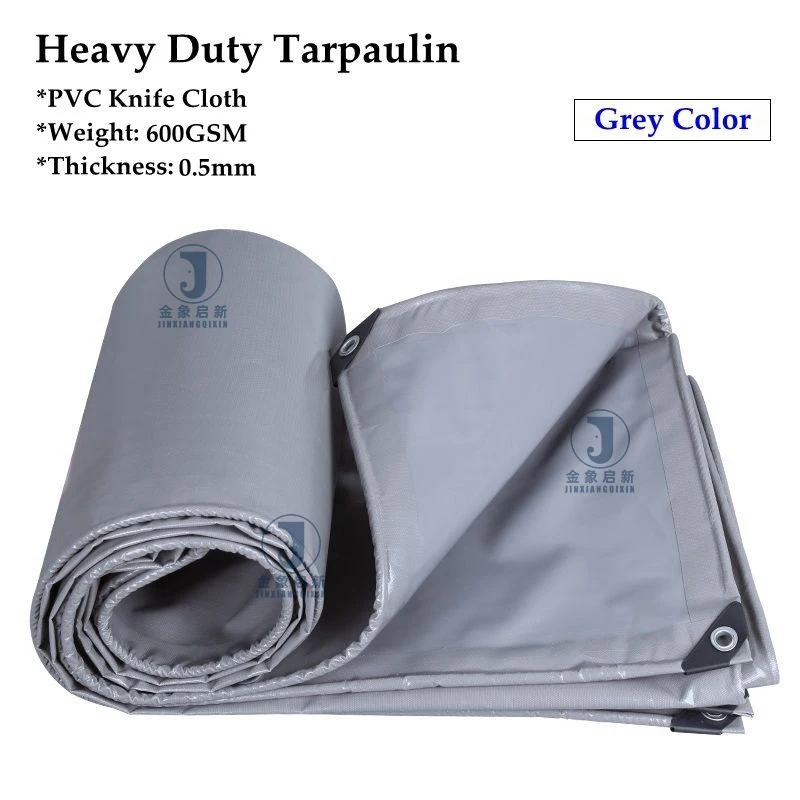
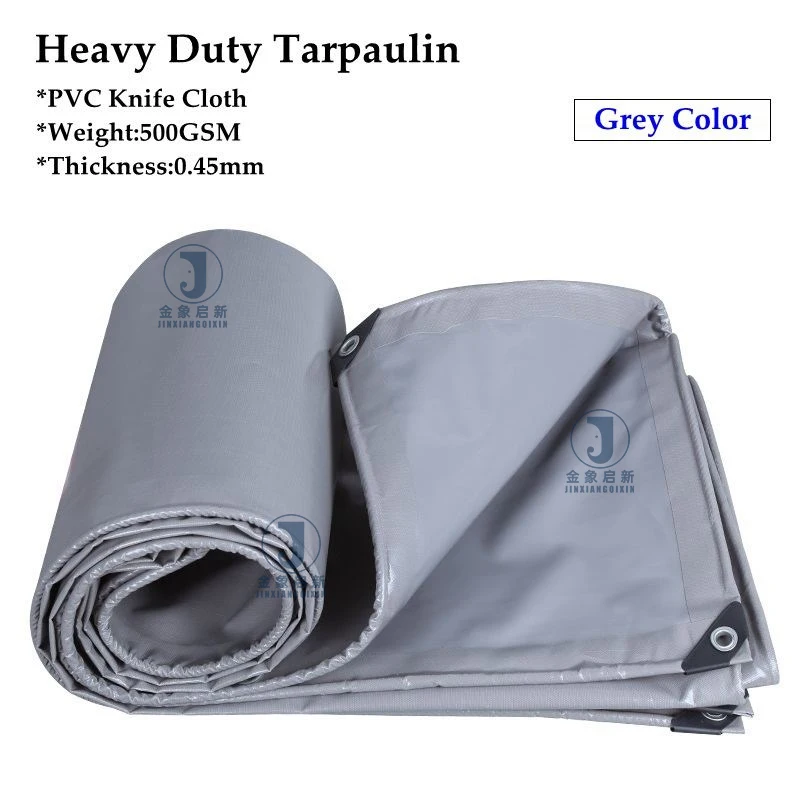
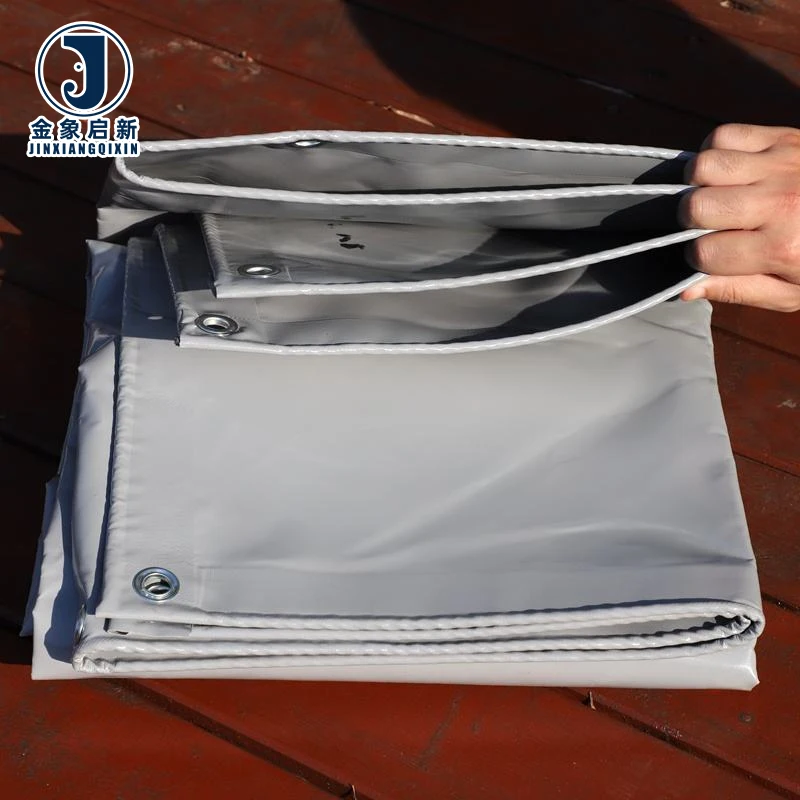
Description
Batch-Matched Roll Supply — every roll of PVC Knife-Coated Fabric in your order is verified for weight and colour before dispatch, cutting out the rework caused by shade shifts mid-production.
Technical Specifications
| Parameter | Value |
|---|---|
| Product Type | PVC Knife-Coated Tarpaulin |
| Coating Method | Knife coated with high-frequency heat combined seam |
| Base Material | PVC coated on woven base fabric |
| Waterproof Rating | Anti-permeable ≥ 20KPa |
| Flame Retardant | ≤ 10 seconds (grade not stated — confirm required classification) |
| UV Treatment | Anti-UV treated (test basis not stated — request report for your market) |
| Low-Temperature Flexibility | Not fractured at -30℃ |
| Water Absorption | Almost none, rapid drying |
| Corrosion Resistance | Acid, alkali and brine resistant |
| Tensile Strength | High tensile (standard not stated) |
| Anti-Mildew | Mildew proofing properties stated (grade not stated) |
Application Suitability
| Application | Exposure & Requirement |
|---|---|
| Awning and canopy fabrication | Prolonged UV exposure, wind loading, rain pooling, frequent retraction stress at hem lines |
| Car tent and shelter manufacturing | Outdoor weathering, chemical splash from road environments, repeated folding and storage |
| Tarpaulin distributor stock | Roll-to-roll colour consistency, reliable GSM across batches, compatibility with heat welding equipment |
| Industrial outdoor covers | Acid or alkali exposure from stored materials, moisture ingress, abrasion at contact points |
Why Batch Consistency Matters More Than Quoted GSM for Roll Buyers
Shade variation between rolls is the silent rework cost that no quotation warns you about.
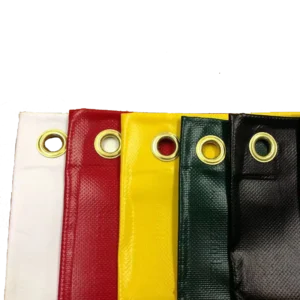
When fabricators buy Knife Coated PVC Tarpaulin roll stock in volume, the quoted weight and price per metre tell only part of the story. A batch where one roll runs slightly lighter in shade than the next becomes visible the moment two panels are welded side by side on a finished awning. The customer rejects the install, the fabricator absorbs the labour loss, and the supplier dispute begins [NEED_CITE: colour tolerance standards for coated textile batches]. This is why roll-to-roll verification at the coating line matters as much as the GSM stated on the specification sheet.
Controlling Shade and Weight Across a Production Run
Coating weight drift occurs when line speed, paste viscosity or oven temperature fluctuate during a long run. Our process holds these variables within defined bands, and each roll of PVC Knife-Coated Fabric is logged against its production batch number so that reorders can be matched to the original shade reference. Volume buyers specifying colour across multiple container loads receive rolls pulled from the same production window wherever possible.
How Knife Coating Affects Your Weld Line Yield
The knife-coated method produces a smooth, uniform PVC layer bonded directly to the base fabric under controlled tension. This creates a surface that responds predictably to high-frequency and hot-wedge welding, producing seams that are water-tight and resistant to cracking under flex. For awning fabricators running automated weld lines, consistent coating thickness means fewer rejected seams and less time spent adjusting machine settings between rolls [NEED_CITE: high-frequency welding parameters for PVC coated fabrics].
Reading GSM in Context: What It Does and Does Not Tell You
Grams per square metre indicates total coated weight but says nothing about how that weight is distributed between base fabric and coating. A 600 GSM fabric with a heavier base yarn and thinner coating will behave differently under tensile load than one with a lighter base and thicker coat. Tensile and tear resistance depend on base fabric denier and weave density, while puncture and abrasion resistance track more closely with coating thickness. Specifying on GSM alone without reviewing the base fabric construction leaves gaps in performance prediction [NEED_CITE: relationship between base fabric denier and tensile strength in coated textiles]. The anti-permeable ≥ 20KPa rating on this fabric confirms waterproof integrity under hydrostatic pressure, while the -30℃ low-temperature flexibility ensures the PVC layer does not embrittle in cold-climate installations.
The Hidden Cost of Skipping Roll Verification
A distributor who accepts a container of roll stock without checking GSM and shade on arrival faces two failure modes. First, rolls that run under the quoted weight yield more linear metres per kilogram but deliver less tensile and tear margin, leading to field failures at stress points. Second, shade variance discovered only after fabrication forces the supplier claim into a grey area where the mill argues the fabric meets specification while the fabricator points to the installed result [NEED_CITE: GSM variance tolerance in coated fabric trade]. These disputes consume more time and relationship capital than the original material saving justified.
Why Fabricators and Distributors Source This Roll Stock Here
Three full production lines and 36 sets of professional equipment run dedicated batches, meaning your roll order is not slotted into leftover capacity on a shared line. The 10-person R&D team develops custom width and shade samples within days, letting you approve a physical roll before committing to a full container. Every roll passes dedicated QA/QC at each production stage, with 100% inspection before shipment rather than statistical sampling. Custom widths are available with defined minimums and lead times, avoiding the generic roll sizes that force excessive trim waste on your cutting table. ISO and CE certified production ensures documentation accompanies every dispatch for customs and compliance.
Documentation & Verification
- Material specification sheet stating GSM, base fabric construction and coating type per roll batch
- Pre-shipment inspection record with weight and shade check against the purchase specification
- Roll packing list detailing roll count, individual weights and total container load for freight planning
- Test reports for UV and flame-retardant grades supplied where the specified grade requires third-party validation
- Certificate of origin and customs documentation supporting international roll shipments
Fabrication, Handling & Storage
- Set high-frequency welder temperature and dwell time to match the PVC knife-coated layer thickness for water-tight seams
- Store rolls upright on end cores in a shaded warehouse to prevent flat-spot deformation of the coated surface
- Allow cold-stored rolls to reach ambient temperature before unrolling to avoid micro-cracking of the PVC coat
- Use a sharp rotary blade on the coated surface to prevent base fabric fraying that weakens the subsequent weld joint
- Clean with mild detergent only; solvent-based cleaners can soften the PVC coating and reduce seam adhesion
What to Include in Your Roll Stock Enquiry
Specify the target GSM range, the shade reference or RAL code, and the roll width required for your cutting table layout. Confirm whether your end-use market demands a particular flame-retardant classification so the correct grade is quoted with supporting test documentation. Indicate your annual volume and whether you need a sample roll for weld-line trials before the production order is scheduled.
Frequently Asked Questions
Q: How is GSM verified on arrival and what documentation accompanies each roll shipment?
A: Every roll is weighed and logged during pre-shipment inspection, and the results are recorded on the packing list and inspection report that travel with the container. On arrival you can cross-check the physical roll weight against the stated GSM using a simple scale and measured sample cut. The material specification sheet included in the dispatch confirms the base fabric, coating method and any treatment grades applied.
Q: How is roll-to-roll colour consistency controlled across a single order?
A: Rolls within one order are scheduled within the same production window and coated from the same PVC paste batch to minimise shade drift. Each roll is visually checked against the approved shade reference during final inspection, and batch numbers are recorded so that reorders can be matched to the original run. If your project demands panels from adjacent rolls to be welded side by side, flag this at enquiry stage.
Q: What custom widths and roll lengths are available, and what are the minimum order quantities?
A: Standard and custom widths are available to suit your cutting table and reduce trim waste on the fabrication floor. Minimum order quantities and lead times depend on the width and whether a custom colour or treatment is required. Request a quotation with your target width, GSM and annual volume so the production team can confirm the most efficient roll configuration for your operation.
Q: How are rolls packed and loaded into containers for long-distance ocean freight?
A: Each roll is wound on a reinforced core and wrapped to protect the coated surface from abrasion and moisture ingress during transit. Rolls are loaded vertically or horizontally depending on container type and roll dimensions, with the packing list detailing roll count, individual weights and total payload. This supports your warehouse receiving process and freight cost allocation.
Q: What are the heat-seaming and welding guidelines for this fabric during fabrication?
A: The knife-coated PVC surface is designed for high-frequency and hot-wedge welding. We recommend running test welds on a sample piece to set the correct temperature, pressure and dwell time for your specific machine before starting production. Seams should be inspected for continuity and peel strength, particularly at flex points where the finished product will experience repeated movement or wind loading.