
Description
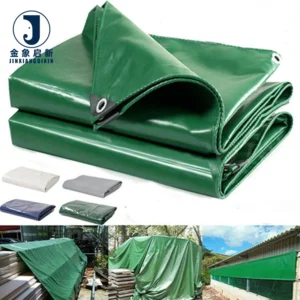
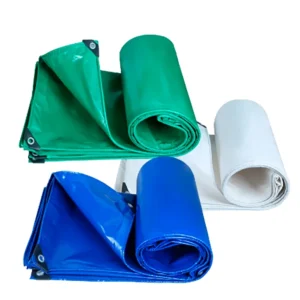
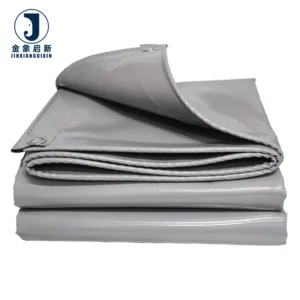
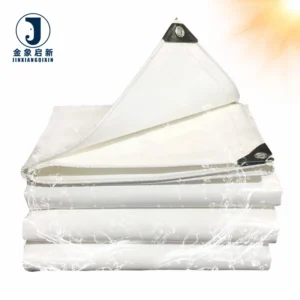
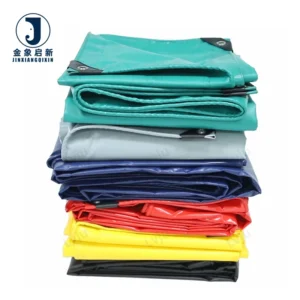
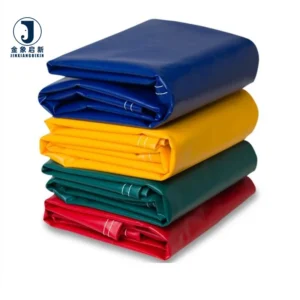
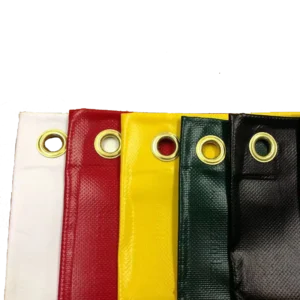
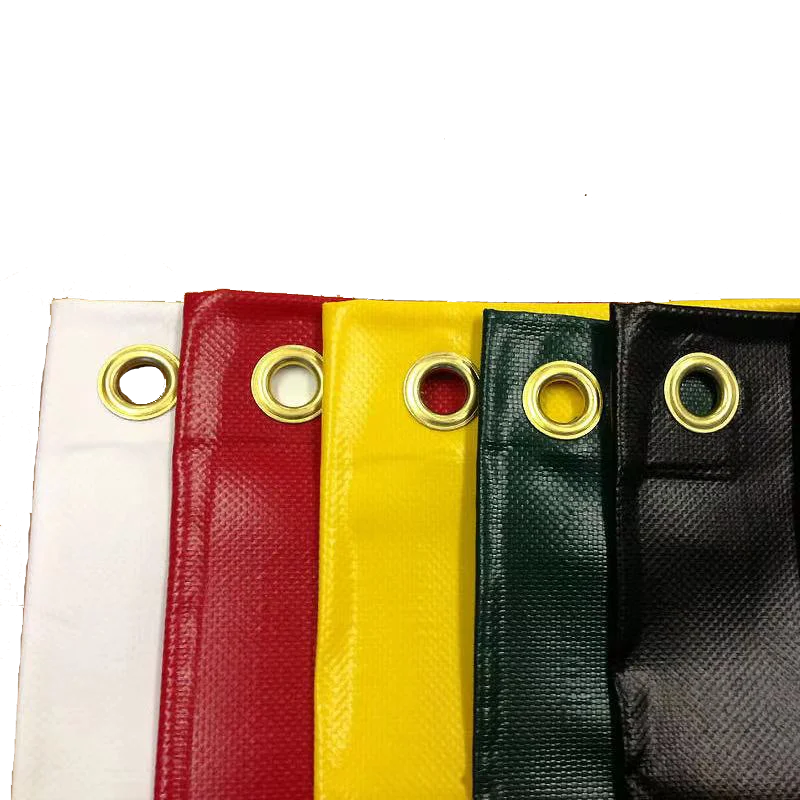
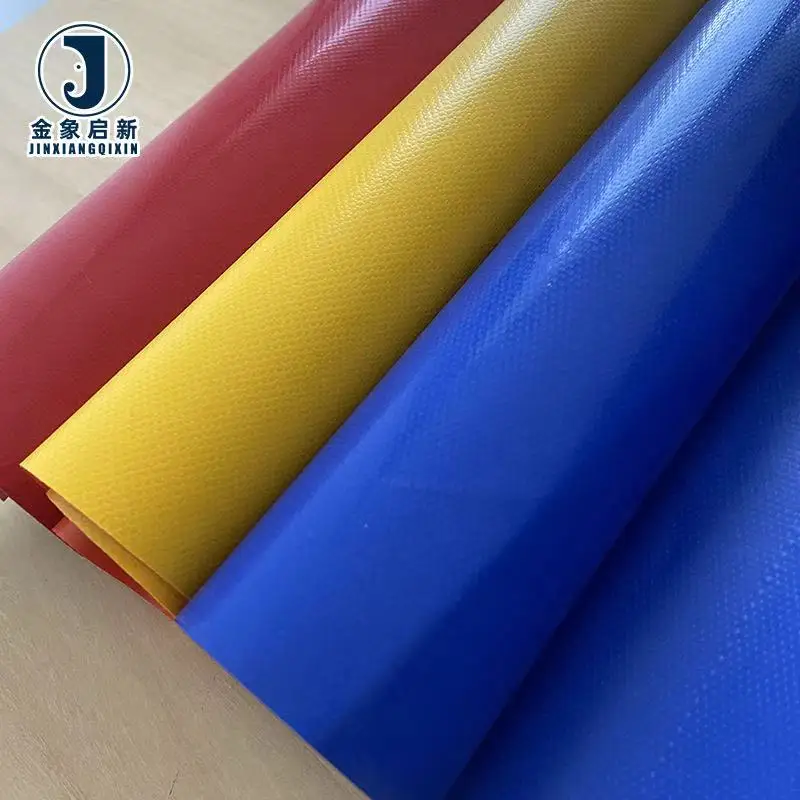
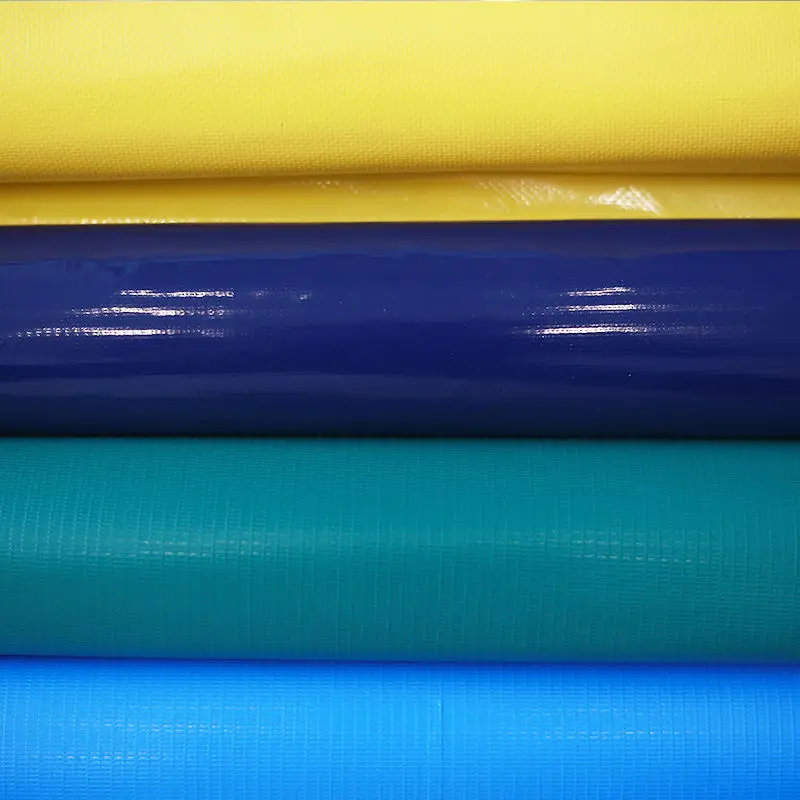
Batch-Matched Consistency — Every roll of PVC knife-coated tarpaulin roll wholesale inventory is checked for weight and colour tolerance at multiple production stages, keeping your container order uniform from first roll to last.
Technical Specifications
| Parameter | Value |
|---|---|
| Product Type | PVC Coated Tarpaulin |
| Coating Method | Knife coated |
| Coating Material | PVC |
| Waterproof | Yes |
| Oilproof | Yes |
| Tear-Resistant | Yes |
| UV Treatment | Anti-UV (test basis not stated in source — confirm requirement) |
| Flame Retardant Grade | Available (grade not stated — confirm the grade required for your market) |
| Anti-Static | Available (test basis not stated in source — confirm requirement) |
| Anti-Cold | Available |
| Anti-Mildew | Available |
| Key Features | Tear-resistant, waterproof, oilproof construction in roll format with optional custom cut sizes |
Application Suitability
| Application | Exposure & Requirement |
|---|---|
| Tarpaulin distributor inventory | Multiple GSM grades stocked for regional resale, requiring roll-to-roll colour and weight uniformity across container loads |
| Tent and awning manufacturing | Fabric bought by the roll for production runs, demanding consistent coating adhesion and predictable heat-seal behaviour |
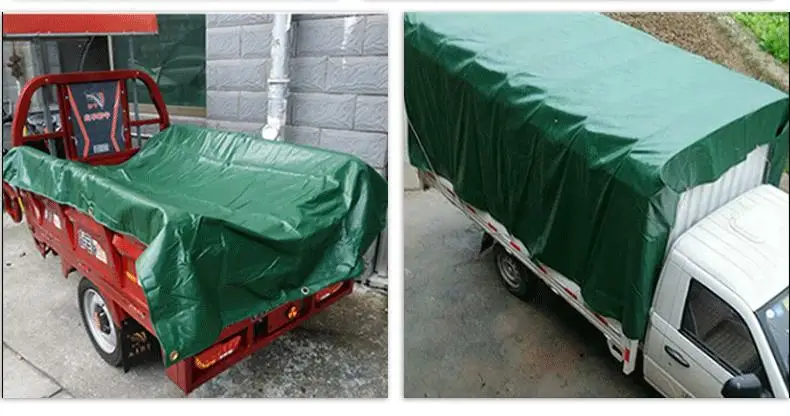
| Truck side curtain fabrication | Roll stock cut and welded into side curtains exposed to constant flexing, road debris abrasion and weather |
| Inflatable and membrane structure production | Bulk roll supply with stable dimensional behaviour during cutting and high-frequency welding |
Why Roll-to-Roll GSM Variance Wreck Container Orders
Verified weight per roll at production and again before dispatch keeps your stock within the tolerance you ordered.
When a PVC knife-coated tarpaulin roll wholesale shipment arrives with some rolls noticeably lighter than others, the problem is not just a scale reading. Lighter rolls mean thinner coating, which translates to lower tear resistance and earlier failure at weld lines or flex points. Distributors who sell by GSM grade face customer complaints when end users discover the material does not match the label. The inconsistency often shows up only after the rolls are cut and laid side by side, making partial returns impractical once production has started. [NEED_CITE: ISO 1421 tensile and tear test methods for coated fabrics]
How Knife Coating Builds Uniform Weight Across the Roll
The knife-coating process forces PVC paste through a controlled gap onto the moving base fabric, scraping excess away to leave a precise coating thickness. This method delivers even coverage from edge to edge and from the first metre to the last on a long roll. For wholesale buyers ordering full containers, that uniformity means the fabric cuts, welds and performs the same way regardless of which roll your production team pulls from the rack.
Batch Colour Control Across Multi-Roll Orders
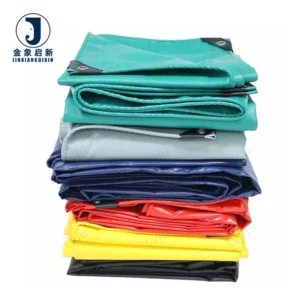
Colour drift between rolls in the same container order is a frequent source of rejection in the tarpaulin distribution trade. When two rolls installed side by side show a visible shade difference, the entire lot can be flagged. Production stage checks on pigment dispersion and coating weight, followed by a final pre-shipment inspection against a colour reference, keep every PVC knife-coated tarpaulin roll wholesale order within acceptable visual tolerance so your inventory looks consistent on the shelf and on the job. [NEED_CITE: colour fastness testing standards for PVC-coated textiles]
Reading the Specification Sheet Beyond the GSM Number
A 300-600gsm range covers a wide product family, and the actual grade you receive determines how the fabric behaves in service. Higher GSM within this range typically pairs a heavier base fabric with thicker coating, improving tear resistance and weld strength. The knife-coating method produces stronger coating-to-fabric adhesion than simple lamination, which matters when the material is heat-welded into finished products — poor adhesion causes delamination at the seam before the fabric itself fails. Anti-UV, flame retardant, anti-static, anti-cold and anti-mildew treatments are available by specification, but the test basis and applicable grade for each should be confirmed against your market’s regulatory requirements before placing the order. Surface finish options in glossy or matte affect cleaning behaviour and print adhesion differently.
The Hidden Cost of Specifying on Price Per Roll Alone
Choosing roll stock based on the lowest quoted price per roll frequently leads to downstream losses. Rolls that arrive lighter than the stated GSM yield fewer linear metres of usable fabric per kilogram, raising the real cost per square metre. Coating that is thinner than specified fails prematurely at flex points on truck curtains or at the welded seams of tent panels. Colour variation across rolls forces fabrication shops to sort and match manually, consuming labour hours and creating waste from off-cuts that cannot be joined without a visible shade line. Flame retardant or anti-static treatments claimed without supporting test reports result in site inspection failures that halt installation until compliant material arrives. [NEED_CITE: common causes of coated fabric failure at welded seams in field service]
Production Infrastructure Behind Reliable Roll Supply
Three full production lines and 36 sets of professional equipment support the bulk capacity needed for container-scale PVC knife-coated tarpaulin roll wholesale orders without sacrificing lead-time reliability. A 10-person R&D team handles custom width, colour matching and sample development within days, allowing distributors to test new grades before committing to full production runs. Dedicated QA/QC checkpoints at every production stage — from base fabric inspection through coating weight verification to final roll packing — catch deviations before they reach your warehouse. One hundred percent pre-shipment inspection confirms weight, colour and treatment compliance per roll, backed by documented inspection records. Samples for custom requirements are developed rapidly so approval happens before the full order enters production.
Documentation & Verification
- Material specification sheet stating exact GSM, base fabric type and coating details for each roll
- Roll packing list showing weight, length count and colour reference per roll for container loading plans
- Pre-shipment inspection record confirming weight, colour and treatment verification before dispatch
- Test reports for UV and flame retardant grades supplied with shipment where applicable
- ISO and CE certificates plus certificate of origin and full customs documentation
Fabrication, Handling & Storage
- Heat-weld knife-coated rolls at temperatures matching the PVC formulation to avoid seam delamination during fabrication
- Store rolls upright on pallets to prevent flat-spot creases that persist through the coating layer
- Allow cold-stored rolls to reach ambient temperature before unrolling to avoid coating cracking in anti-cold grades
- Cut layouts should account for roll width tolerance to maximise yield from each PVC knife-coated tarpaulin roll wholesale unit
- Clean matte finish surfaces with non-solvent cleaners to preserve coating integrity and anti-mildew treatment
- Use sharp blades for cross-cuts to prevent fraying the base fabric at edges before welding or hemming
Preparing Your Enquiry for Fast Quotation
Provide the target GSM grade, required roll width and approximate annual volume so we can confirm stock availability or custom production slots. Specify any treatment requirements — flame retardant grade, anti-static certification basis or anti-UV standard — along with your destination market’s regulatory expectations. Indicate whether you need roll stock only or also require cut-to-size panels with welded hems and eyelets. Requesting a sample before full production ensures colour, finish and weight meet your approval.
Frequently Asked Questions
Q: How is GSM verified on each roll before shipment?
A: Every roll is weighed and measured during production to confirm the coating weight matches the specified grade. A second verification occurs during 100% pre-shipment inspection, where GSM is checked against the material specification sheet and recorded in the inspection report that accompanies your container load.
Q: What roll widths and lengths are available, and what are the minimums for custom sizes?
A: Standard widths are held in stock for common grades. Custom widths and lengths are produced on request with sample approval before the full run. Minimum order quantities vary by specification — our team confirms the threshold once your required width, GSM and treatment combination is defined.
Q: How do you control batch-to-batch colour consistency across a container order?
A: Pigment batches are mixed under controlled conditions and checked against the approved colour reference at the coating stage. Pre-shipment inspection includes a visual comparison across rolls in the same order to ensure no visible shade variation exists before the container is loaded.
Q: Which flame retardant and anti-static grades can be supplied, and with what test reports?
A: Flame retardant and anti-static treatments are available across the product range. The applicable grade and test standard depend on your market requirements — specify the classification needed so we can confirm availability and include the relevant test report with your shipment documentation.
Q: How are rolls packed and loaded for container shipping to prevent transit damage?
A: Each roll is wrapped and secured on pallets designed for container loading. The roll packing list details weight and count per pallet to support loading plans and weight distribution. Protective packaging prevents compression damage and edge bruising during ocean transit to your destination port.