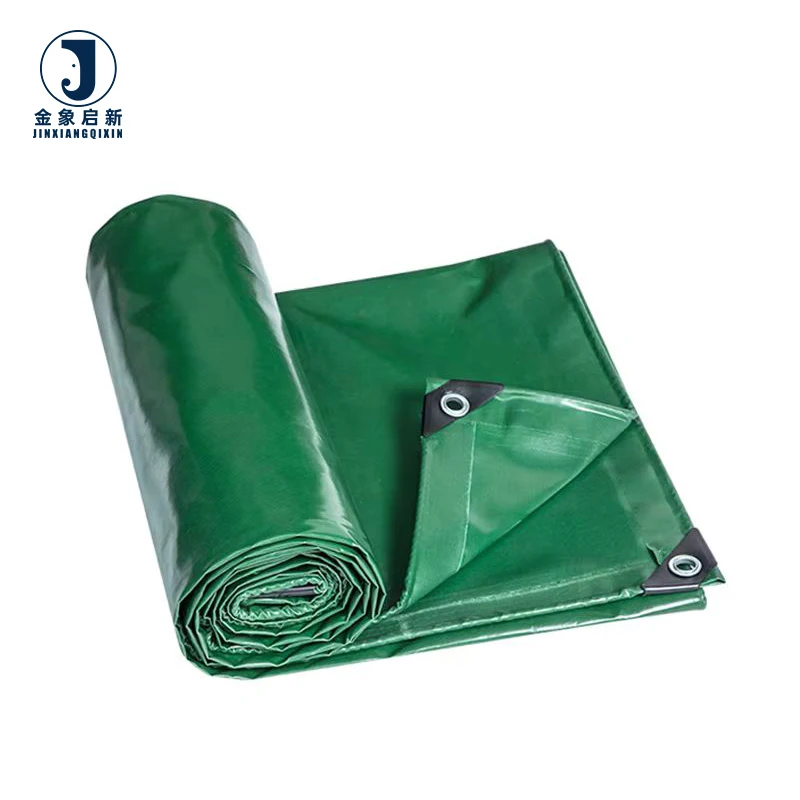
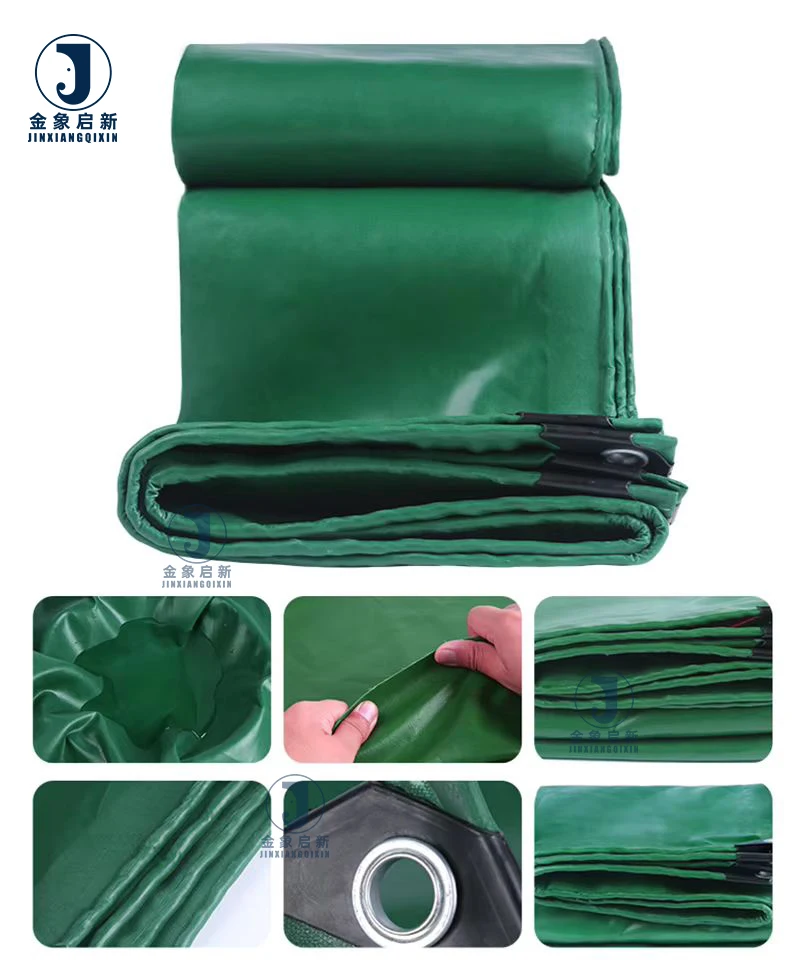
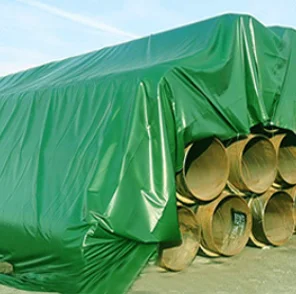
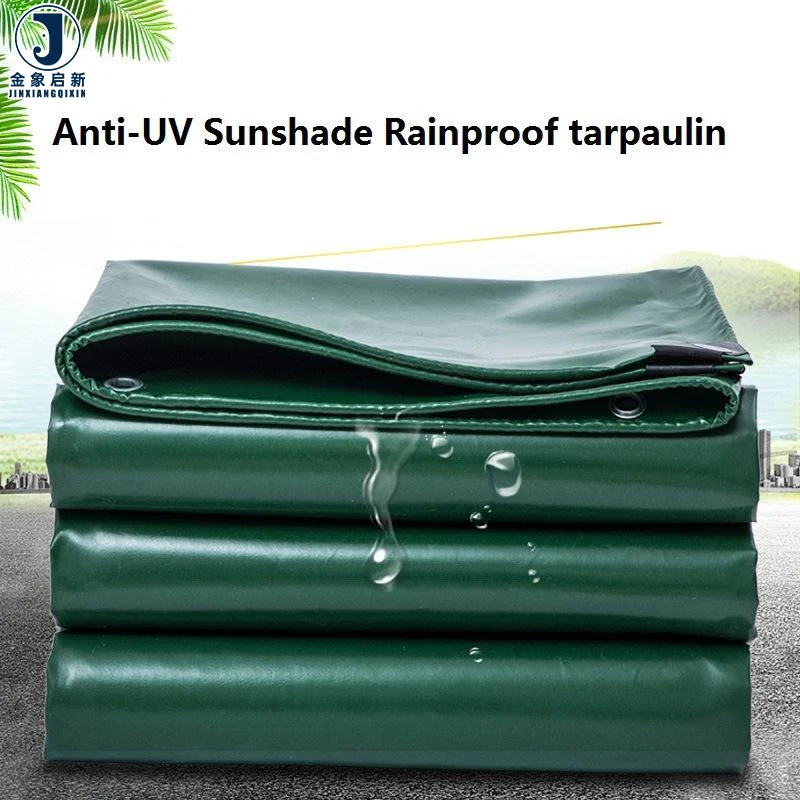
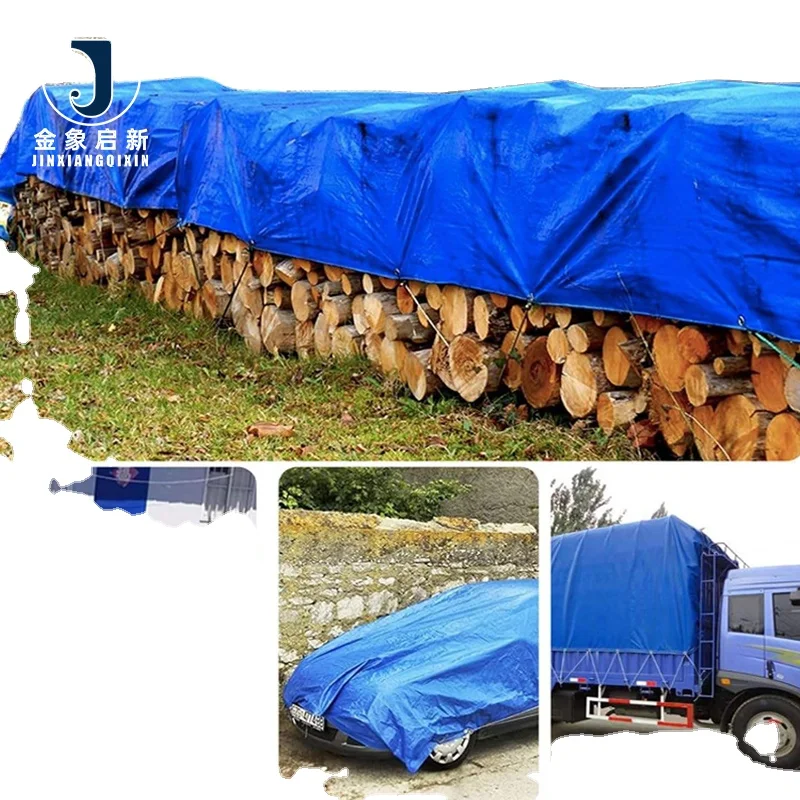
Description
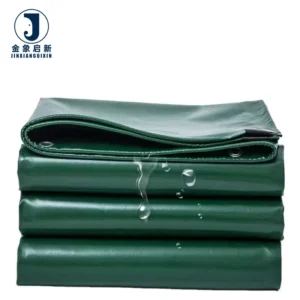
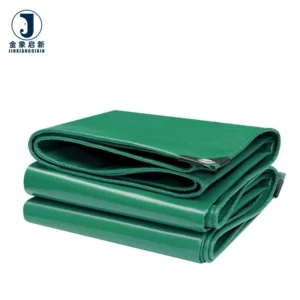
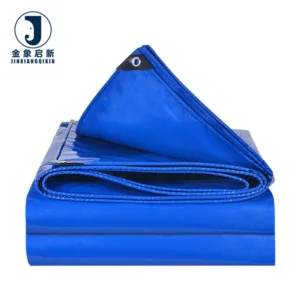
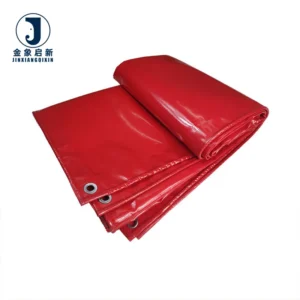
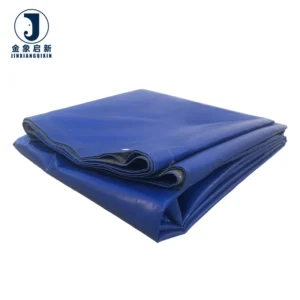
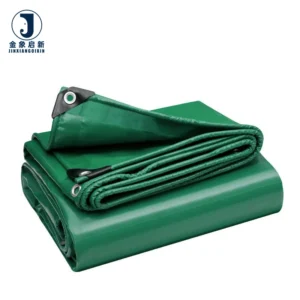
Consistent Roll Output — Every PVC coated tarpaulin roll leaves the line checked against the order spec for GSM, width, and colour, so what arrives at your warehouse matches what was quoted.
Technical Specifications
| Parameter | Value |
|---|---|
| Product Type | PVC Coated Tarpaulin Fabric |
| Base Fabric | 1000×1000 denier woven |
| Coating Material | PVC |
| Coating Method | Knife coated |
| Weight | At least 450 GSM |
| Surface Treatment | Anti-UV / Waterproof / Oilproof (test basis not stated) |
| Finish Options | Glossy or matte (implied by product family) |
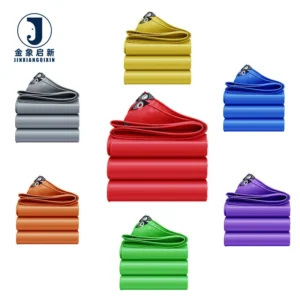
| Colour Options | Multiple options including black back coated variant |
| Assembly State | Roll stock |
| Custom Size | Available |
| Standards | ISO / CE (from company profile — confirm applicability per order) |
Application Suitability
| Application | Exposure & Requirement |
|---|---|
| Truck and trailer side curtains | Constant flexing at load points, road abrasion, UV exposure, tie-down stress at hems |
| Outdoor tent and awning fabrication | Prolonged sun and rain exposure, repeated folding and unfolding, weld seam integrity |
| Industrial equipment covers | Oil splash, dust ingress, forklift contact, outdoor storage weathering |
| Tarpaulin distributor resale stock | Shelf-ready roll presentation, batch-to-batch colour match, consistent GSM across the shipment |
Why Roll Buyers Lose Money on Unverified GSM and Batch Colour Drift
A quoted 450 GSM means nothing if the arriving rolls measure lighter, and colour shifts between rolls force fabricators to reject entire panels after cutting.
When buying PVC coated tarpaulin roll wholesale, the most common disputes start at the receiving dock. Rolls that test below the stated weight reduce tensile reserve and shorten service life under tension. Colour variation between rolls in a single container often goes unnoticed until two panels are heat-welded side by side on a truck curtain or tent roof, at which point the mismatch is permanent and the material is already cut. These failures are not random — they trace back to in-process checks that were skipped or sampling that only covered the first roll off the line [NEED_CITE: tensile and tear test methods for coated fabrics per ISO 1421].
Knife Coating and What It Means for Your Fabrication Line
The knife coated process forces PVC paste directly into the woven base fabric under controlled blade pressure, producing a mechanical bond between coating and yarn. This matters for fabricators running high-frequency welders: uniform coating adhesion reduces the chance of delamination at the weld line, which is where most field failures originate. For a PVC coated tarpaulin fabric roll, knife coating also delivers a more consistent surface across the full width, reducing thickness variation that can cause uneven heat absorption during welding.
Batch-to-Batch Colour Control Across Repeat Orders
Colour consistency is a process discipline problem, not a pigment problem. When 50 rolls ship today and another 50 follow three months later, the PVC compound, pigment lot, and oven temperature profile all need to fall within a controlled window. Our in-process QA checks colour reference at multiple points across each roll, not just the leader end, so that panels cut from different rolls install without visible mismatch. This is especially critical for fleet operators fitting side curtains across a multi-truck order where adjacent vehicles are parked in line [NEED_CITE: colour measurement methods for coated textile surfaces].
Reading the Spec Sheet Beyond the GSM Number
The 1000×1000 denier woven base fabric provides the structural backbone — denier and weave density together determine how the material resists tear propagation once a puncture starts. A 450 GSM weight sits in the medium-duty range, suited to applications where the fabric must flex repeatedly without cracking, such as truck curtains that roll and unroll daily. The knife coated construction ensures the PVC layer penetrates the weave rather than sitting on top, which improves peel strength at seams. Anti-UV and oilproof surface treatments extend the usable range, though buyers should confirm the specific test standard required for their market before specifying these as mandatory. Surface finish — glossy or matte — affects both cleanability and print adhesion, so the choice should match the end-use environment rather than defaulting to one option.
The Hidden Cost of Skipping Pre-Shipment Roll Verification
When a distributor accepts a container of roll stock without per-roll verification, the problems surface downstream. A roll that is lighter than quoted may pass visual inspection but fail when a fabricator welds it into a truck cover that then tears at the hem under wind load. Flame retardant material shipped without a valid test certificate can halt a construction site installation at the inspection stage, costing weeks of delay. Colour drift across a batch forces tent makers to sort and regroup rolls before cutting, adding labour and waste. These costs always exceed the price difference of sourcing from a supplier with documented QA [NEED_CITE: pre-shipment inspection standards for coated fabric rolls].
Why Fabricators and Distributors Source Roll Stock Here
Three full production lines and 36 sets of professional equipment mean roll orders are not squeezed into gaps between custom jobs — bulk PVC coated tarpaulin fabric runs on dedicated capacity. A 10-person R&D team handles custom width, colour matching, and sample development within days, not weeks, so you can confirm the material before committing to a container. Every roll undergoes 100% inspection before dispatch, with GSM and coating weight checked against the order specification, not just the original sample. Nearly 30 years of focused coated fabric production has refined the process control that keeps batch colour and weight within tolerance. Documentation travels with the shipment — spec sheets, packing lists, and certificates — so customs clearance and warehouse intake do not stall on missing paperwork.
Documentation & Verification
- Material specification sheet stating base fabric denier, coating weight, and colour reference per roll batch
- GSM verification recorded on pre-shipment inspection against the quoted value
- Roll packing list with individual roll ID, net weight, and running length for warehouse intake
- Anti-UV and flame retardant test reports provided where applicable to the ordered grade
- Certificate of origin and customs documentation included for cross-border roll shipments
- ISO and CE certificates included in the documentation package per order
Fabrication, Handling & Storage
- Heat-weld at temperatures matched to the knife coated PVC layer to avoid delamination at seams
- Store rolls upright on cores to prevent flat spots that show as creases after unrolling
- Cut panels with the woven grain direction noted to maintain dimensional stability under tension
- Use compatible PVC-based adhesives for patch repairs on the 450 GSM coated surface
- Avoid dragging rolls on unprotected concrete to prevent abrasion through the outer coating layer
- Allow cold-stored rolls to reach workshop temperature before unrolling to prevent coating crack
What We Need to Quote Your Roll Order Accurately
To move from inquiry to sample, share your target application and the exposure conditions the fabric will face in service. Specify the roll width and running length you need, along with annual volume so we can align production runs for colour consistency. If your market requires a specific fire classification or anti-UV standard, name the test method — we will confirm which grades in our range carry a valid test certificate. Let us know whether you need rolls only or if finished cut sizes with hemming are part of the order.
Frequently Asked Questions
Q: What is the minimum order for custom width or colour on PVC coated tarpaulin fabric?
A: Standard grades in stock widths carry lower minimums suited to trial orders and restocking. Custom widths and non-standard colours require a production run, and the minimum is set by the batch size needed to maintain colour consistency across all rolls in the order. Request a quote with your target dimensions and we will confirm the applicable threshold.
Q: How is GSM verified — can I get a test report per roll?
A: GSM is tested at multiple points across each roll during the pre-shipment inspection, not only on the sample submitted at inquiry stage. The recorded values appear on the inspection record that ships with your documentation package. If your purchasing policy requires an individual test certificate per roll, confirm this at order placement so we can structure the QA documentation accordingly.
Q: Will colour be consistent if I order 50 rolls now and 50 more in three months?
A: Batch-to-batch colour consistency depends on controlled pigment lots and oven profiles across both production runs. We record the colour reference for every order and retain it for future matches. When you place a repeat order, share the original order number and we will align the new batch to the same reference, reducing visible variation between shipments.
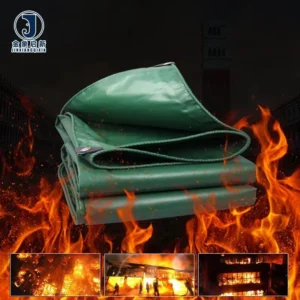
Q: Do you supply flame retardant grades with a valid test certificate?
A: Flame retardant PVC coated tarpaulin fabric is available in specific grades, each tied to a particular test standard. Confirm the classification your market or project requires — for example, a building code standard or a mining safety regulation — and we will identify which grades in our range carry a current test certificate matching that requirement.
Q: What documentation ships with a container of roll stock?
A: A typical container shipment includes a material specification sheet, pre-shipment inspection record, roll packing list with individual roll IDs, certificate of origin, and applicable ISO or CE certificates. Test reports for anti-UV or flame retardant treatments ship with the order when those grades are specified. Additional customs documents can be arranged based on destination country requirements.