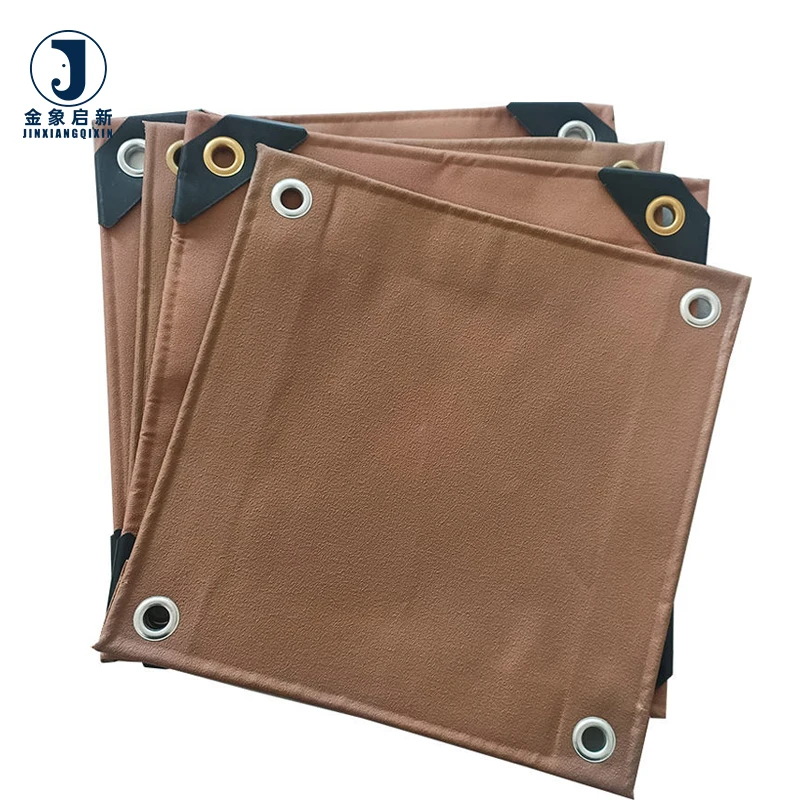
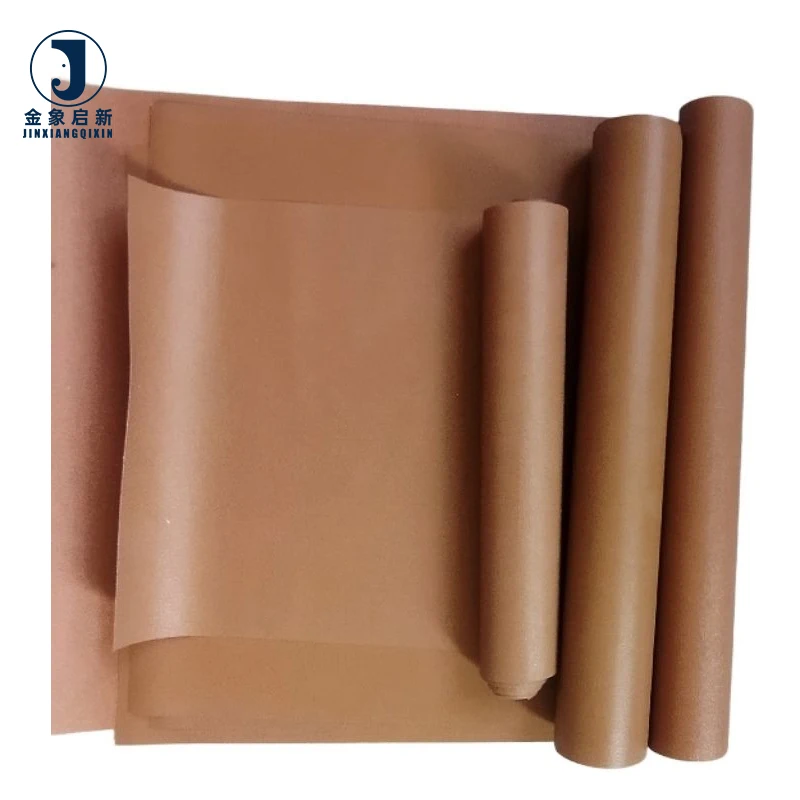
Description
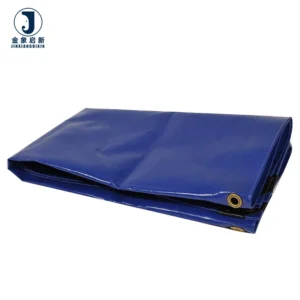
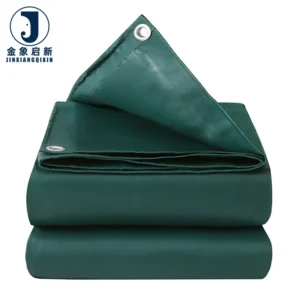
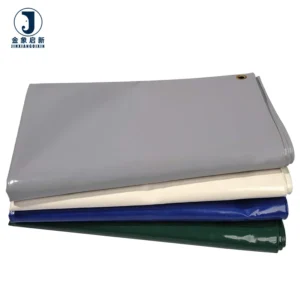
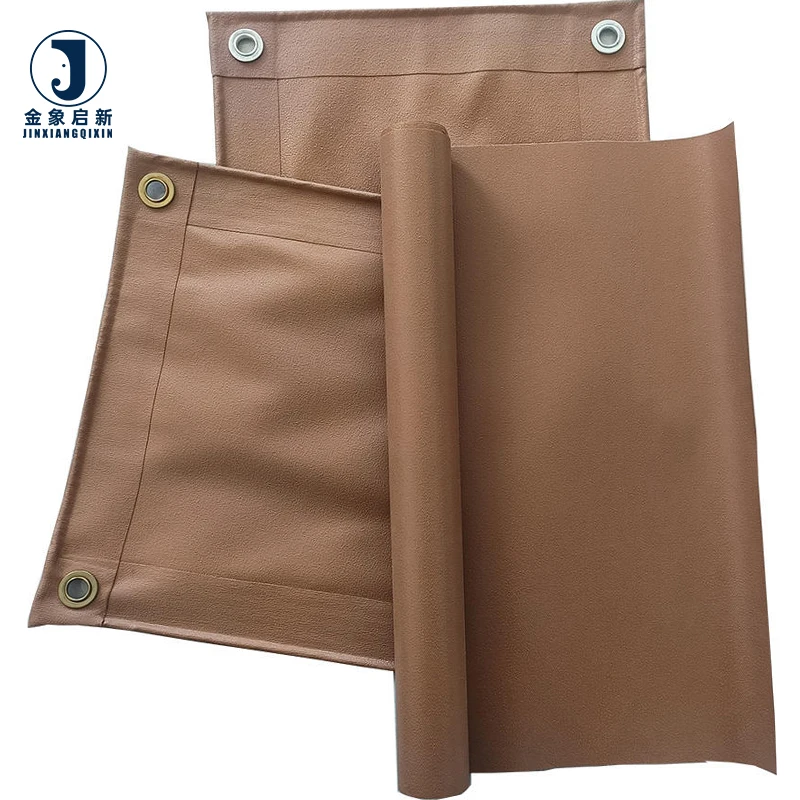
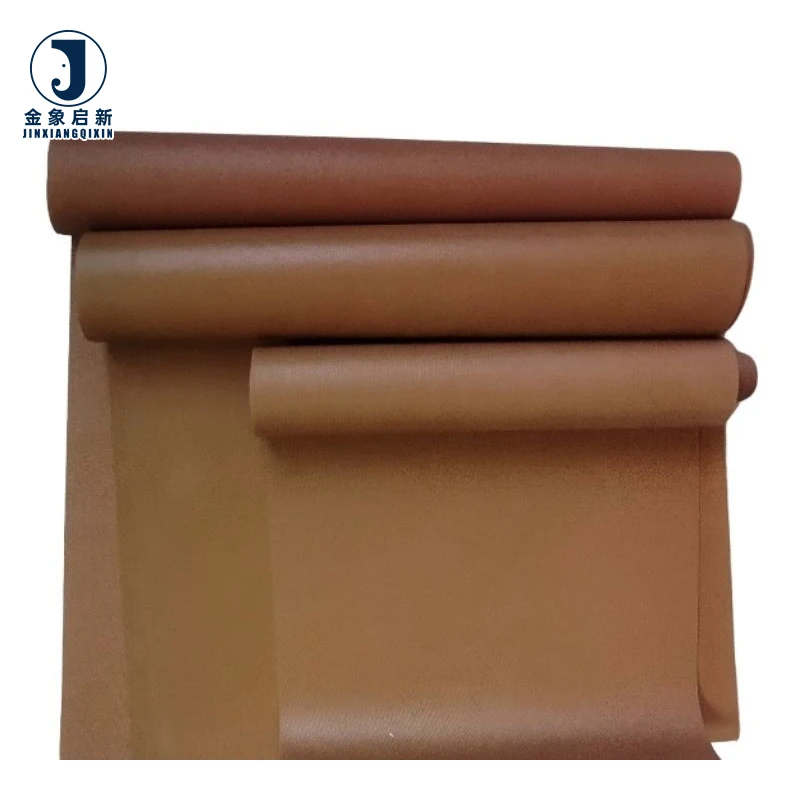
Consistent Roll-to-Roll Weight — Every shipment leaves the coating line with a documented GSM inspection record verifying that the PVC Coated Tarpaulin Roll matches the ordered specification before it is loaded.
Technical Specifications
| Parameter | Value |
|---|---|
| Product Type | PVC Coated Tarpaulin Roll |
| Base Fabric Denier | 1000D |
| Weight Options | 550GSM / 900GSM |
| Coating Material | PVC |
| Coating Method | Knife Coated |
| Surface Finish | Self Clean |
| Waterproof | Yes |
| Anti-Mildew | Yes |
| Anti-Cold | Yes |
| Flame Retardant | Available — confirm the grade required for your market |
| Anti-Static | Available — confirm the standard required for your market |
| UV Treatment | Available — confirm the test basis required for your market |
| Standards | ISO, CE |
Application Suitability
| Application | Exposure & Requirement |
|---|---|
| Truck side curtain fabric | Continuous flexing at load points, road debris abrasion, weather and UV exposure during long-haul transit |
| Tent and awning manufacturing | Roll-fed cutting for pattern production, seam weld integrity at panel joints, prolonged outdoor weather exposure |
| Tarpaulin distribution and resale | Container-volume stocking with batch-consistent colour and weight for regional fabrication downstream |
| Roof and flood barrier covers | Extended water contact, wind uplift stress on seams, temperature fluctuation across seasons |
Why Roll Buyers Need Documented GSM Before the Container Ships
A roll that arrives lighter than quoted quietly erodes margin on every cut-and-sew job downstream.
Buyers ordering PVC Coated Tarpaulin Roll wholesale frequently discover weight shortfalls only after the fabric hits the cutting table. The label states one grade, but the scale reads another — and by then the container has cleared customs and the return logistics are uneconomical. I have watched converters absorb thin rolls into production rather than ship them back, passing the shortfall to their own customers and inviting warranty disputes later [NEED_CITE: tensile and tear test methods for coated fabrics per ISO 1421]. This product family is available in 550GSM and 900GSM, and every roll ships against a pre-shipment inspection record that verifies the actual coating weight before dispatch.
Roll-to-Roll Consistency Across a Full Container Load
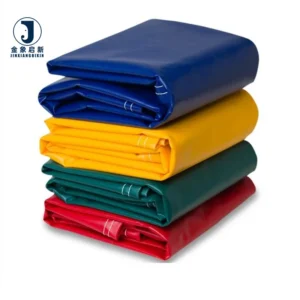
Tarpaulin distributors stocking inventory for regional resale cannot afford visible variation between rolls that were invoiced as identical. Colour drift or GSM fluctuation within a single order surfaces the moment two rolls are unrolled side by side on the fabrication floor. The coating line controls weight and pigment dosing per batch, and roll swatches from the same production run are available for approval before the full order ships. This is what separates a PVC Coated Tarpaulin Roll wholesale programme from spot-market purchasing.
Knife Coated Construction and Weld Integrity at Flex Points
The PVC knife coated method bonds the coating directly into the 1000D base fabric weave, producing adhesion strength that matters most where the material flexes repeatedly. Truck side curtains and tensioned tent panels both experience cyclic loading at seams and hem lines. When coating adhesion is insufficient, delamination begins at the weld before the fabric itself shows wear [NEED_CITE: peel adhesion test methods for PVC coated fabrics]. Knife coating delivers the bond density that hot-air and high-frequency welding processes require for clean, consistent seam formation.
How Denier, GSM and Coating Weight Interact on the Cutting Table
The 1000D base fabric sets the tensile ceiling, but the GSM determines how much PVC mass sits on and within that weave. A 550GSM grade delivers mid-duty coverage suited to tent panels and light truck covers, while 900GSM adds coating thickness for heavier abuse environments like flood barriers and long-exposure roof covers. The self-clean surface finish reduces dirt adhesion across both grades, which matters for installed applications where washing access is limited. Buyers should match GSM to the mechanical and environmental demand of the end use rather than defaulting to the heavier option, because excess weight adds roll cost and container weight without proportional performance gain.
What Happens When Colour Consistency Fails in a Bulk Shipment
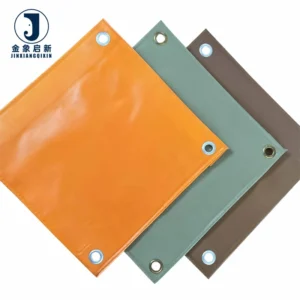
A distributor who receives rolls with visible shade variation faces a difficult choice: sort and segregate at the warehouse, or ship mixed batches to fabricators and absorb the complaints. Either path adds cost and delays order fulfilment. This problem typically originates from pigment batches that were not locked per order, or from production runs spread across multiple coating shifts without colour reconciliation between them [NEED_CITE: colour fastness and batch consistency standards for coated textiles]. Locking the colour reference at sample approval stage and requesting production-run swatches before full dispatch prevents the issue entirely.
Why Roll Buyers Source This PVC Coated Tarpaulin Here
Three full production lines and 36 sets of professional equipment provide the throughput that container-volume orders require without extended lead time compromises. A 10-person R&D team handles custom width runs and sample development, returning samples within days rather than weeks so that bulk production can begin once approval is received. Dedicated QA and QC operates at every production stage, with 100 percent inspection before shipment ensuring that the roll count, weight and packing list reconcile before the container is sealed. The facility holds ISO and CE certification, and documentation packages are assembled per consignment to match the import requirements of destination markets. Nearly 30 years of focused coated fabric production means the process controls around coating weight, adhesion and colour are established routines rather than experimental procedures.
Documentation & Verification
- Material specification sheet confirming base fabric denier, coating weight and colour reference per batch
- Pre-shipment GSM inspection record verifying weight roll by roll against the ordered grade
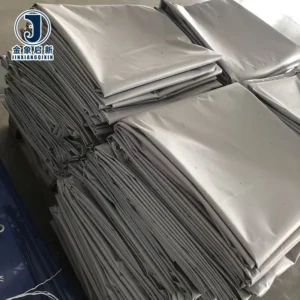
- Roll packing list with roll count, net weight and container loading plan for logistics coordination
- Test reports for flame retardant, anti-static and UV treatments supplied where applicable to the order
- Certificate of origin and customs documentation matched to the destination country requirements
Fabrication, Handling & Storage
- Hot-air welding temperature and speed settings must account for the PVC coating thickness at 550GSM or 900GSM to avoid surface scorching or incomplete bonding
- Store rolls upright on reinforced cores in a shaded, dry environment to prevent flat spots and surface creasing on the self-clean finish
- Cold-weather transport requires allowing rolls to reach ambient temperature before unrolling to prevent coating stiffness and cracking
- Cutting layout planning should account for roll width to maximise panel yield and minimise offcut waste on the 1000D base fabric
- Surface cleaning on installed covers should use mild detergent compatible with the self-clean treatment to preserve the finish over time
What to Include in Your Roll Stock Enquiry
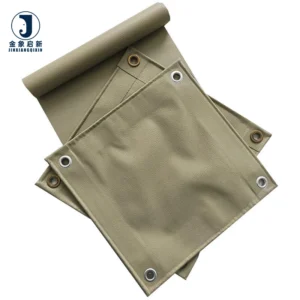
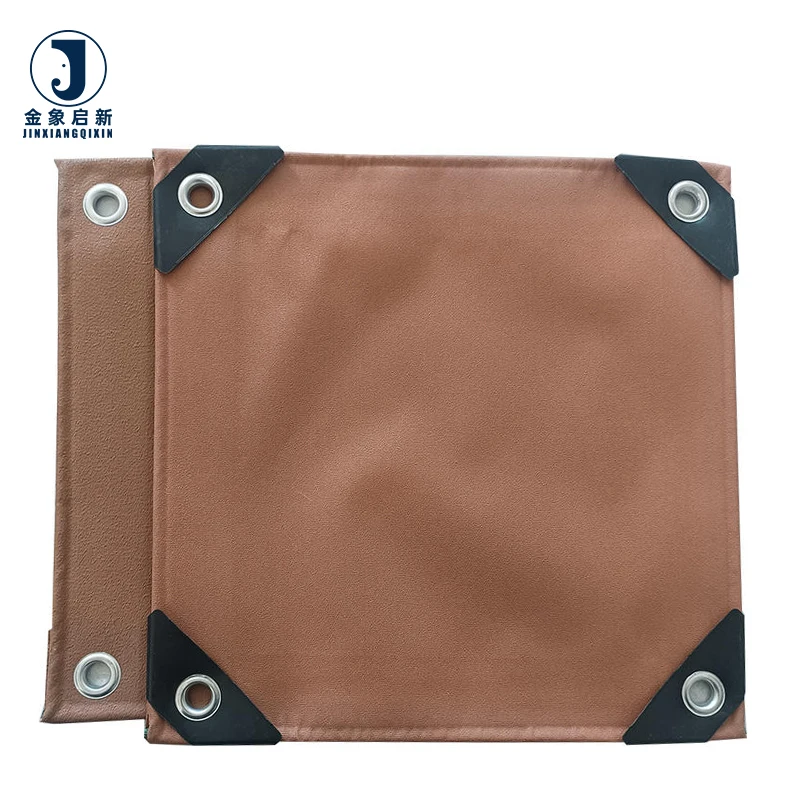
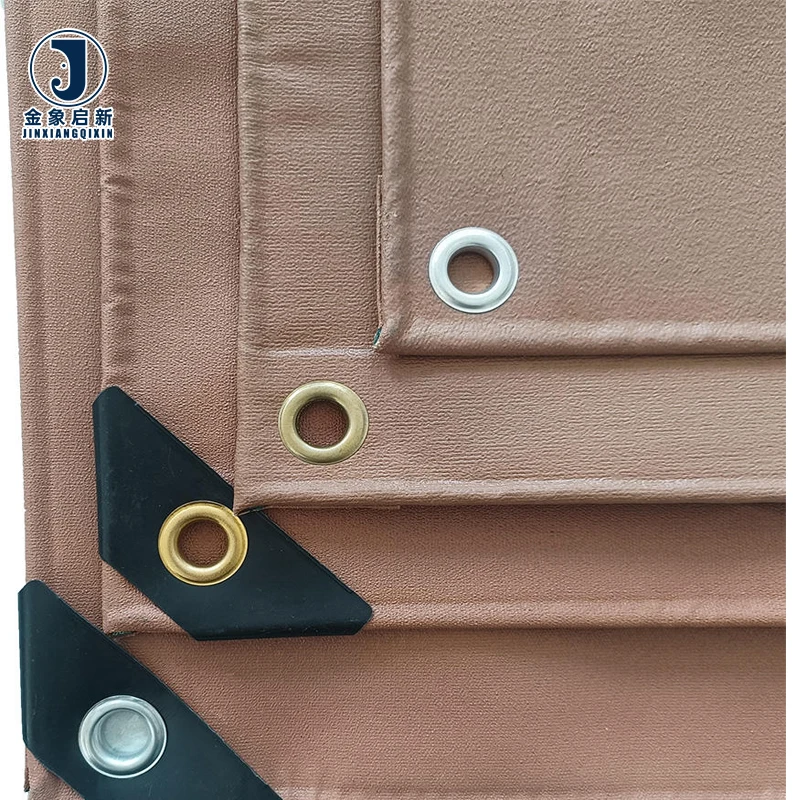
Provide the end-use application and the environmental exposure conditions your customers face, along with the target GSM grade and any treatment requirements specific to your market regulations. Specify the roll width and length you need, your annual volume estimate, and whether you require roll stock only or finished cut sizes with hem and eyelet work. If colour matching or printed branding is required, send the reference so that a production-run swatch can be prepared before bulk commitment.
Frequently Asked Questions
Q: How is GSM verified for each roll and what documentation accompanies the shipment?
A: Each roll is weighed and measured during pre-shipment inspection, and the verified GSM is recorded against the order specification. The inspection record ships with the consignment alongside the material specification sheet and packing list, so you can reconcile the documentation against physical rolls on arrival without needing separate lab testing.
Q: How do you control colour variation between rolls in the same bulk order?
A: Colour reference is locked at the sample approval stage, and all rolls for a single order are scheduled within the same production run. Swatches from the production batch are available for buyer review before full dispatch, preventing shade differences that would become visible when rolls are fabricated side by side.
Q: What roll widths and lengths are available, and how does this affect container loading?
A: Standard and custom widths are available to suit your fabrication equipment. Roll length and core diameter are coordinated with the packing list to optimise container utilisation. The loading plan is shared before dispatch so you can confirm roll count and weight against your shipping budget.
Q: What is the minimum order for custom width, colour or printed rolls?
A: Custom runs require a minimum that varies with the specification complexity and colour changeover requirements on the coating line. Submit your target width, colour reference and volume, and the production team will confirm the minimum and lead time against current line scheduling.
Q: Are test reports available for flame retardant or anti-static treatments before committing to an order?
A: Yes, test reports are available for review during the sample approval stage. Specify the standard or grade your market requires, and the documentation package will include the relevant certificate with your shipment once the treatment is confirmed for your production run.