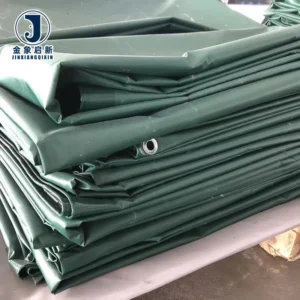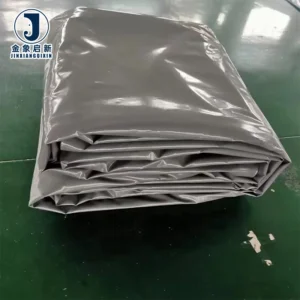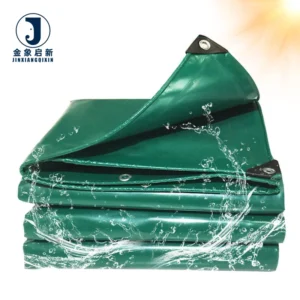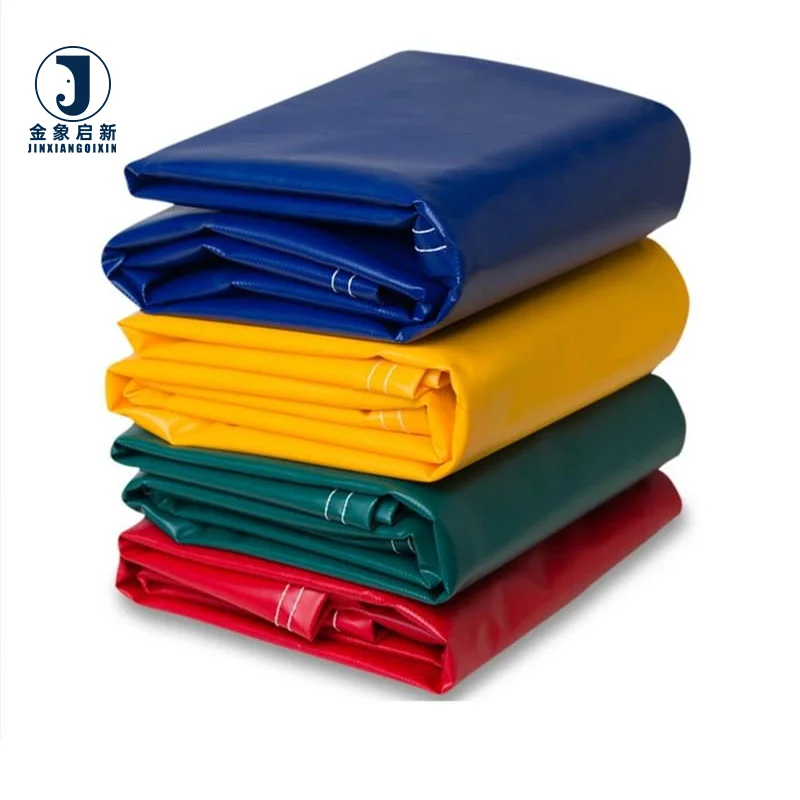
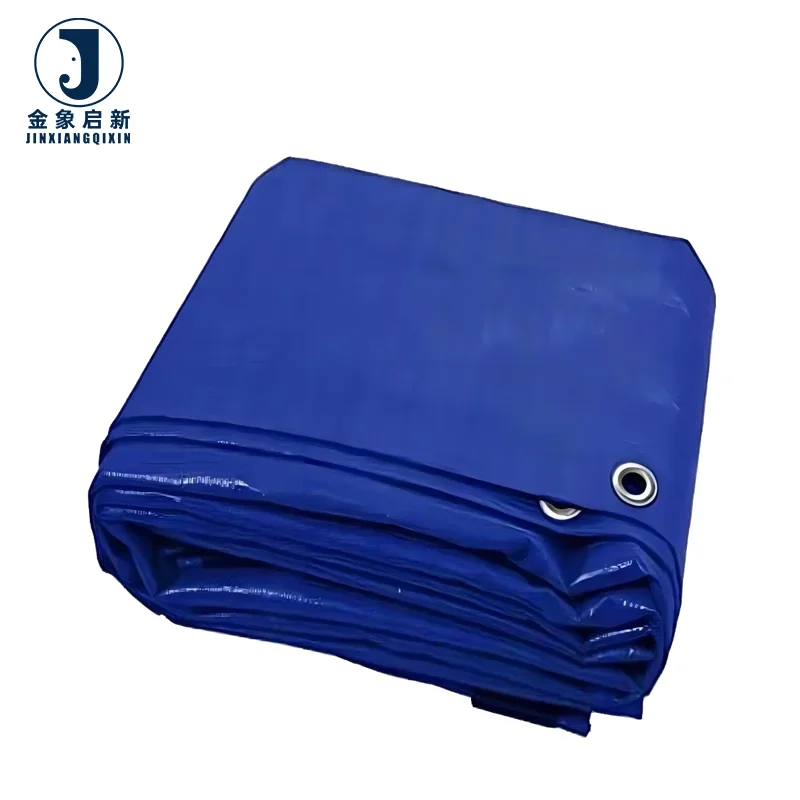
Description
Controlled Coating Weight — Every roll from 350 GSM to 900 GSM is weighed and verified at the coating stage before it leaves the line, so the label matches the scale.
Technical Specifications
| Parameter | Value |
|---|---|
| Product Type | PVC Coated Tarpaulin |
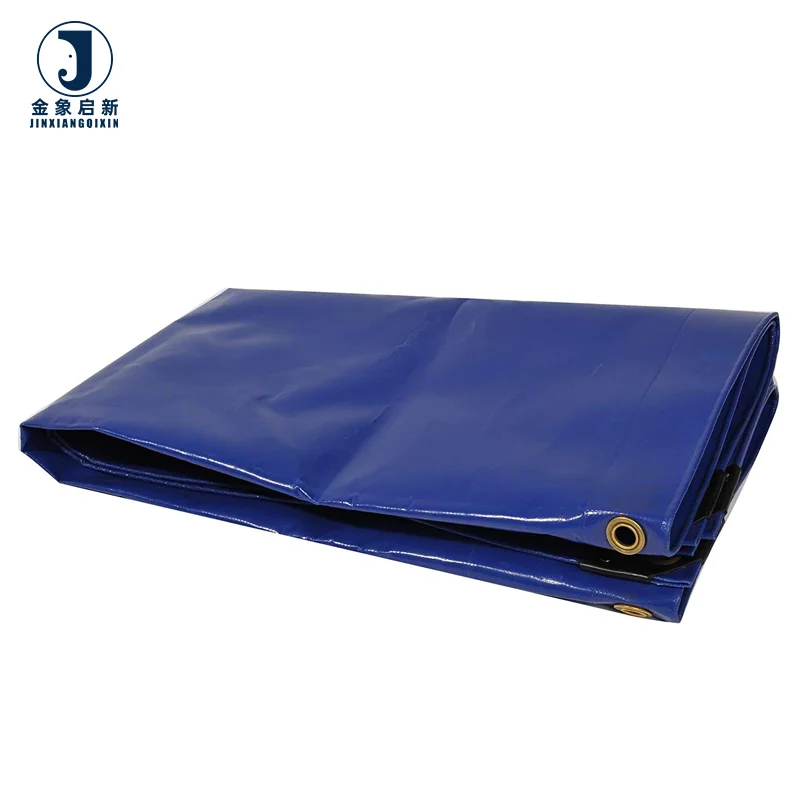
| Material Composition | Polyester Base Fabric + Double-Sided PVC Coating |
| Weight Range | 350 GSM, 400 GSM, 420 GSM, 500 GSM, 600 GSM, 650 GSM, 750 GSM, 900 GSM |
| Yarn Count Options | 500D×840D / 500D×1000D / 1000D×1000D / 1000D×1300D / 1300D×1300D / 1000D×2000D |
| Weave Density | 20×20 / 30×15 / 30×19 (varies by grade) |
| Thickness Range | 0.29 mm – 0.65 mm (varies by grade) |
| Tensile Strength (Warp) | 1650 N – 3900 N (test basis not stated in source) |
| Tensile Strength (Weft) | 1600 N – 3500 N (test basis not stated in source) |
| Coating Method | High frequency hot melt / Hot air welding / Sewing |
| Temperature Range | Brittle ≤ -50 °C to -60 °C / Softening ≥ 80 °C |
| Flame Retardant | Available in fire retardant grades — confirm the grade required for your market |
| UV Treatment | Available with anti-UV treatment — confirm test basis for your region |
| Key Features | Waterproof, Anti-Mildew, Heavy Metal Free, Self-Clean, Printable |
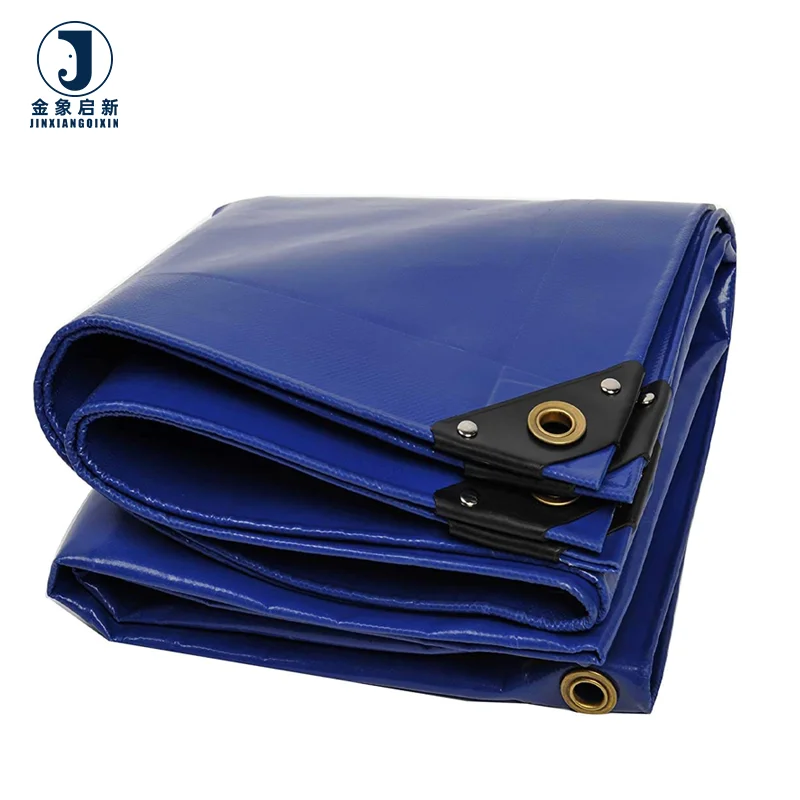
| Edge Finish | High temperature heat sealed seamless edge wrapping |
| Packing | Polyester bag per roll |
Application Suitability
| Application | Exposure & Requirement |
|---|---|
| Tarpaulin distributor stock | Multiple GSM grades from 350 to 900 in container loads for regional resale, roll-to-roll colour consistency |
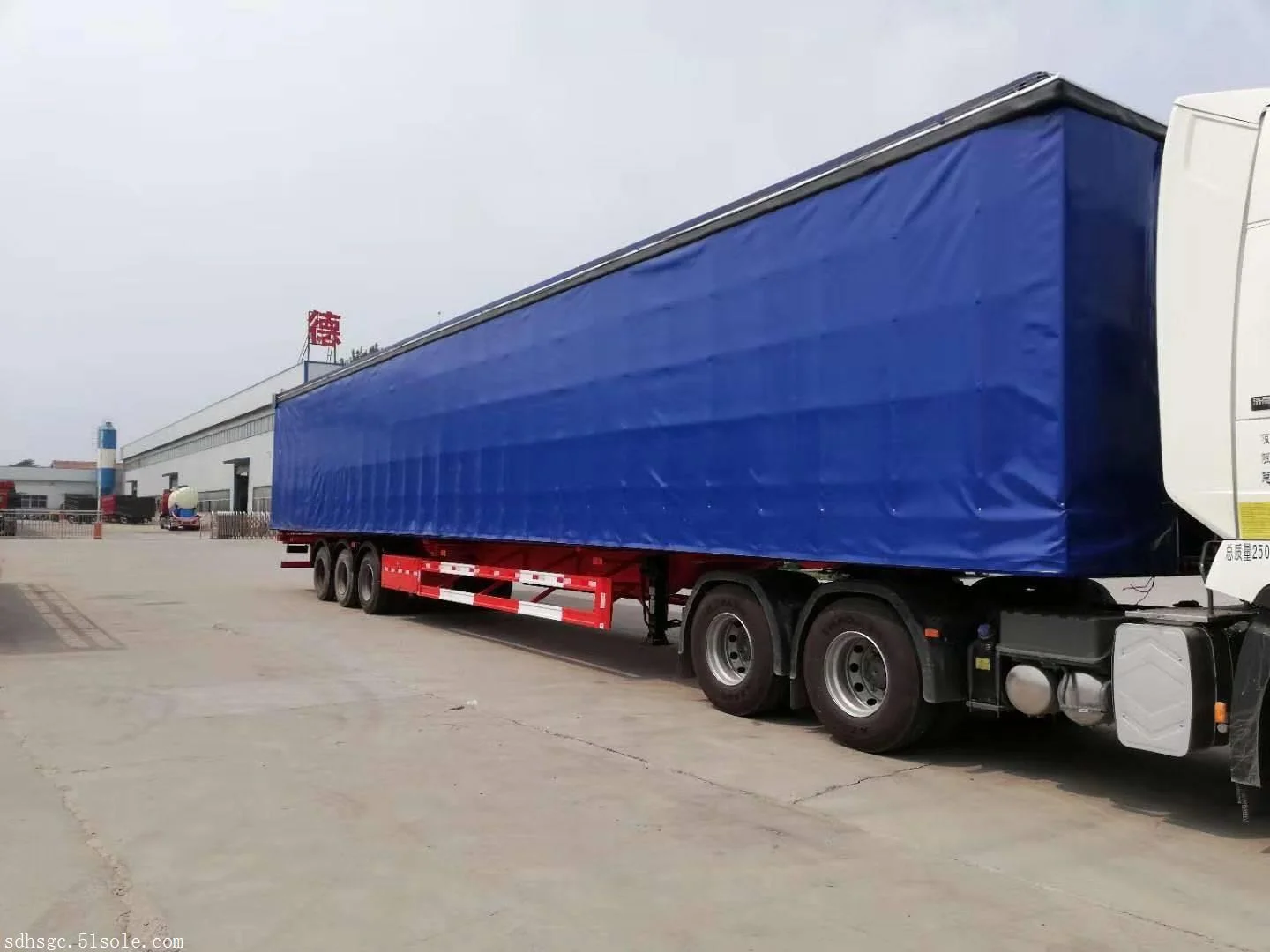
| Side curtain and truck cover fabrication | Constant flexing at load points, road debris abrasion, UV exposure during transit |
| Tent and awning manufacturing | Roll-width cutting efficiency, consistent coating adhesion for downstream heat welding |
| Pallet and equipment wrapping | Warehouse dust and moisture, repeated handling and folding |
| Inflatable and membrane structures | Air-holding coating integrity, high-frequency weldability, dimensional stability under tension |
Why the Roll Label GSM Does Not Always Match What Arrives
Verified weight per roll before the container is sealed — not after it reaches your warehouse.
When wholesale buyers order PVC coated tarpaulin roll stock, the most common dispute starts at the receiving dock: the roll goes on the scale and comes up lighter than the specification sheet promised. This is not always deliberate short-weighting. Coating lines that run too fast or lack inline weight monitoring can produce rolls that drift below the stated GSM, especially at the lighter end of the range. I have seen importers accept container loads where the average shortfall across rolls was enough to affect both downstream cutting yield and end-user trust [NEED_CITE: weight verification methods for coated fabric rolls per ISO 3801]. The fix is not a better contract clause — it is inspection at the point of production, before the roll is wrapped and loaded.
Roll-to-Roll Consistency Across a Container Load
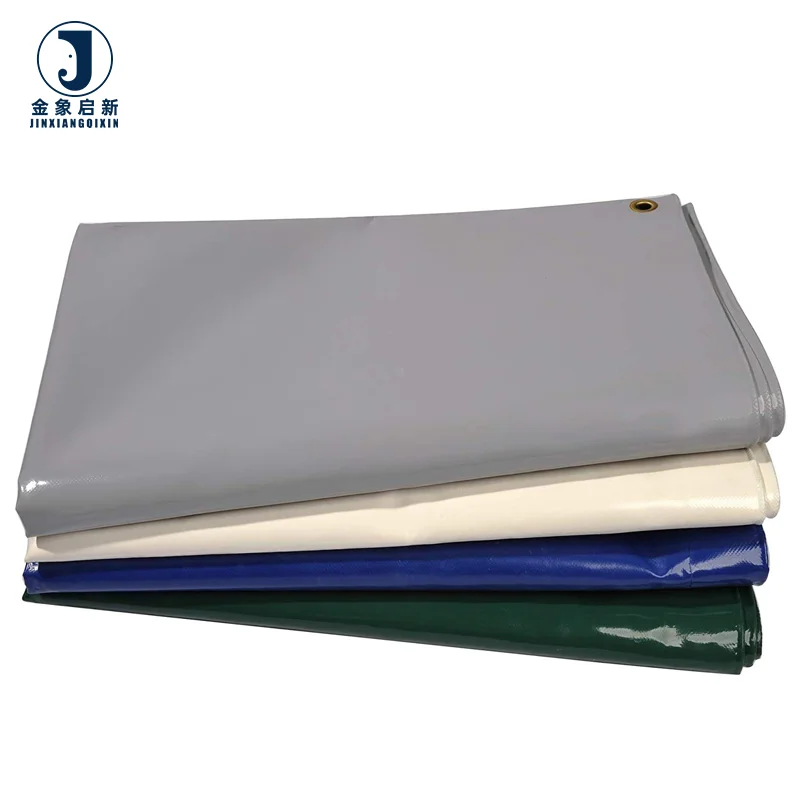
Colour shift between rolls in the same order is the second most frequent complaint from fabricators who unroll material side by side on the shop floor. On this PVC coated tarpaulin range, colour is controlled at the compounding stage rather than adjusted on the coating head, so the pigment dispersion remains stable from the first roll to the last in a production run. Buyers ordering mixed-grade containers — for example, 650 GSM for truck curtains alongside 420 GSM for pallet covers — receive each grade from the same dye lot where possible, reducing the chance of visible mismatch when rolls from different pallets are used on the same job.
Container Loading Planned by Roll Count and Diameter
Wholesale roll stock purchasing is a logistics exercise as much as a material decision. Each grade in this range has a different thickness and therefore a different roll diameter at standard length, which directly affects how many rolls fit in a 20-foot or 40-foot container. A loading plan that accounts for roll diameter, net weight per roll, and stacking orientation prevents both wasted cubic space and crushing damage to the bottom layer. The pre-shipment roll packing list details net weight, dimensions, and roll count per pallet so that customs documentation and warehouse slotting can be prepared before the vessel departs [NEED_CITE: container loading planning for coated textile rolls].
How Base Fabric Denier and GSM Interact to Determine Real Strength
A common mistake in roll-stock purchasing is selecting on GSM alone and assuming a heavier coating automatically means a stronger fabric. The tensile and tear performance of a PVC coated tarpaulin depends on the polyester base fabric denier and weave density as much as on the coating weight. A 650 GSM roll built on a 1000D×1300D base at 30×19 mesh will resist tearing under load far better than a 650 GSM roll on a lighter 500D×1000D base with the extra weight carried in the coating layer alone. Coating adds waterproofing, UV shielding, and surface durability, but the structural skeleton is the woven polyester. This is why the specification sheet for each grade lists both yarn count and mesh density alongside the GSM — the three values must be read together to predict how the material will behave when cut, welded, and put under tension in the field.
What Happens When Roll Specifications Are Mismatched to the End Use
Ordering a lighter GSM to save on per-roll cost seems efficient until the fabricated product fails in service. A truck side curtain made from a grade with insufficient base fabric denier will develop cracks at the flex points where the curtain folds over the trailer frame, and the coating will delaminate from the base cloth before the expected service life is reached. Similarly, specifying a roll without the fire retardant grade that the end-user’s local building code requires leads to rejected deliveries and re-orders at short notice — often at a premium and on a tighter lead time [NEED_CITE: fire classification standards for temporary structures and membrane fabrics]. The cost of a specification error compounds through the supply chain from fabricator to installer to the client who signed off on the project.
Production Control That Shows Up in the Documentation
The 10-person R&D team develops custom width and colour samples within days, so roll-stock buyers can confirm a specification before committing to a container order. Three full production lines with dedicated coating weight monitoring allow the facility to run multiple GSM grades in parallel without cross-contamination of colour or treatment. Every roll passes through a 100 percent pre-shipment inspection where weight, width, and visual surface quality are checked against the order specification. ISO and CE certified production processes provide the framework, but the practical evidence is the inspection record that accompanies each shipment — listing verified GSM, colour reference, and treatment status for every roll in the consignment.
Documentation & Verification
- Material specification sheet stating exact GSM, base fabric denier, and coating weight for each roll grade ordered
- Pre-shipment inspection record confirming weight verification and visual consistency across rolls in the same batch
- Roll packing list with net weight, dimensions, and roll count per pallet for customs and warehouse planning
- Certificate of origin and customs documentation support included with every container shipment
- UV and fire retardant test reports supplied with applicable grades where treatment is specified
- Colour reference confirmation and dye lot tracking for repeat roll orders
Fabrication, Handling & Storage
- High frequency and hot air welding compatible across all GSM grades — adjust dwell time to coating thickness
- Edge wrapping uses heat sealed construction to prevent fraying during slitting and cutting operations
- Rolls stored upright on pallets to avoid flat-spotting the coating surface under prolonged horizontal stacking
- Allow cold-stored rolls to reach ambient temperature before unrolling to prevent coating crack at low-brittle threshold
- Self-clean surface finish tolerates mild detergent cleaning without degrading the PVC coating layer
What to Include in Your Roll Stock Enquiry
Specify the GSM grades and base fabric denier you need, the total linear metres per colour, and whether rolls are destined for resale or for in-house fabrication into finished products. If your end market requires fire retardant or anti-UV certification, state the standard or regulation so that the correct grade and supporting test report can be matched to your order. Indicate any custom width requirements and your preferred container loading configuration so the production schedule can be aligned to your shipping window.
Frequently Asked Questions
Q: How is GSM verified on each roll before shipment?
A: Each roll is weighed and measured at the production line after coating and before packing. A cut-and-weigh sample is taken to confirm the grams per square metre matches the stated grade. The verified weight is recorded on the pre-shipment inspection report that travels with the container documentation.
Q: How do you ensure colour consistency across rolls in a bulk order?
A: Colour is compounded at the PVC mixing stage rather than adjusted on the coating head, which maintains pigment stability across the full production run. Rolls in the same order are pulled from the same dye lot wherever possible, and a colour reference is confirmed before production begins.
Q: What is the container loading plan by roll count and weight?
A: Loading plans are prepared per order based on the GSM grades, roll diameters, and container size selected. The roll packing list shows net weight and dimensions per roll, total roll count, and pallet configuration so buyers can plan warehouse space and customs clearance before the vessel arrives.
Q: What are the lead times and minimums for custom width or colour on roll orders?
A: Custom widths and colours are produced on dedicated runs with minimums set by the coating line setup requirements. Samples are developed within days for approval before full production begins. Exact lead times depend on order volume and current line scheduling at the time of enquiry.
Q: How are rolls packed and protected for ocean freight?
A: Each roll is individually packed in a polyester bag and loaded upright on pallets to prevent crushing and surface marking. The packing list details the roll count and weight per pallet, and the container loading plan accounts for stacking order to protect lighter GSM rolls from compression damage.