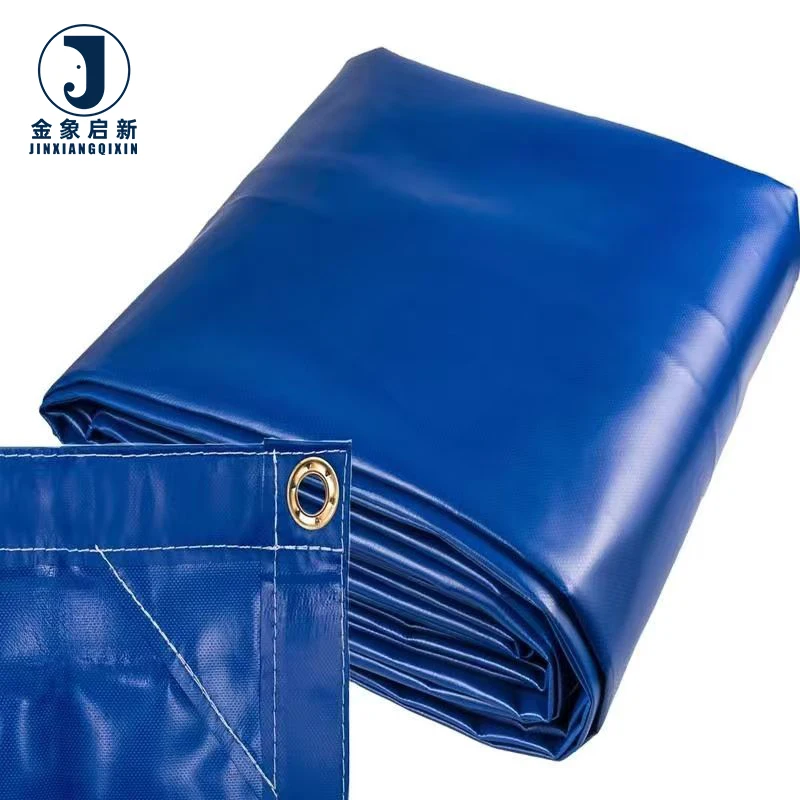
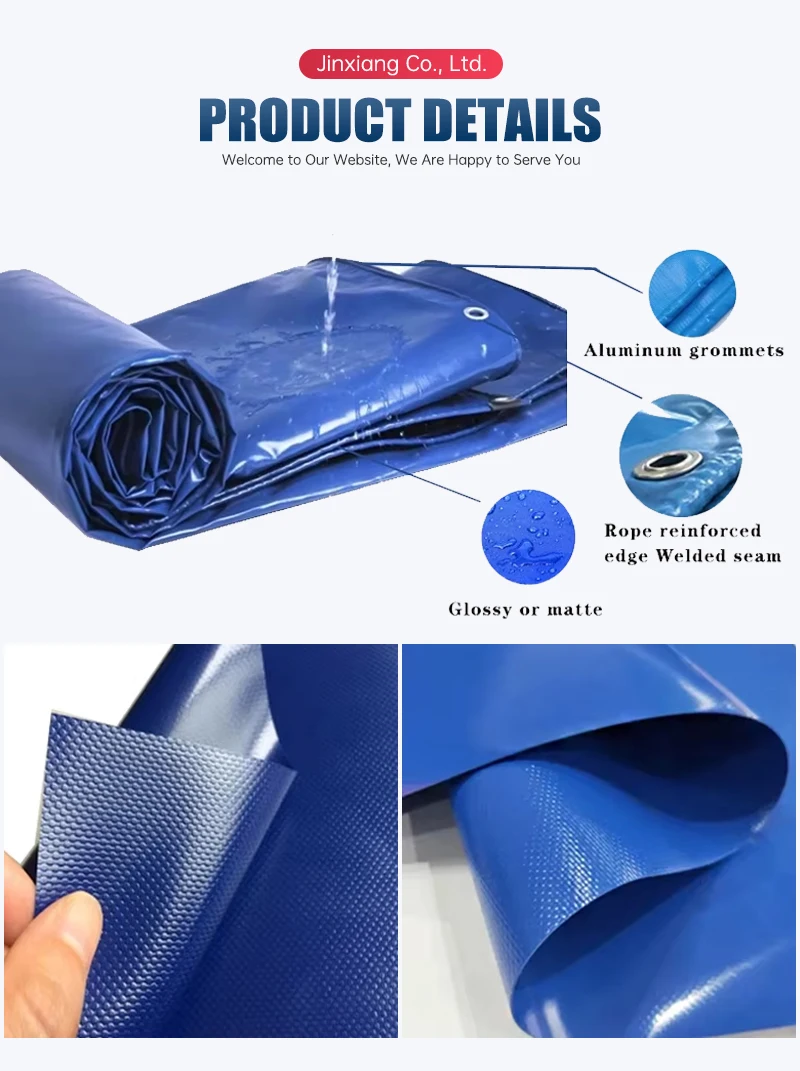
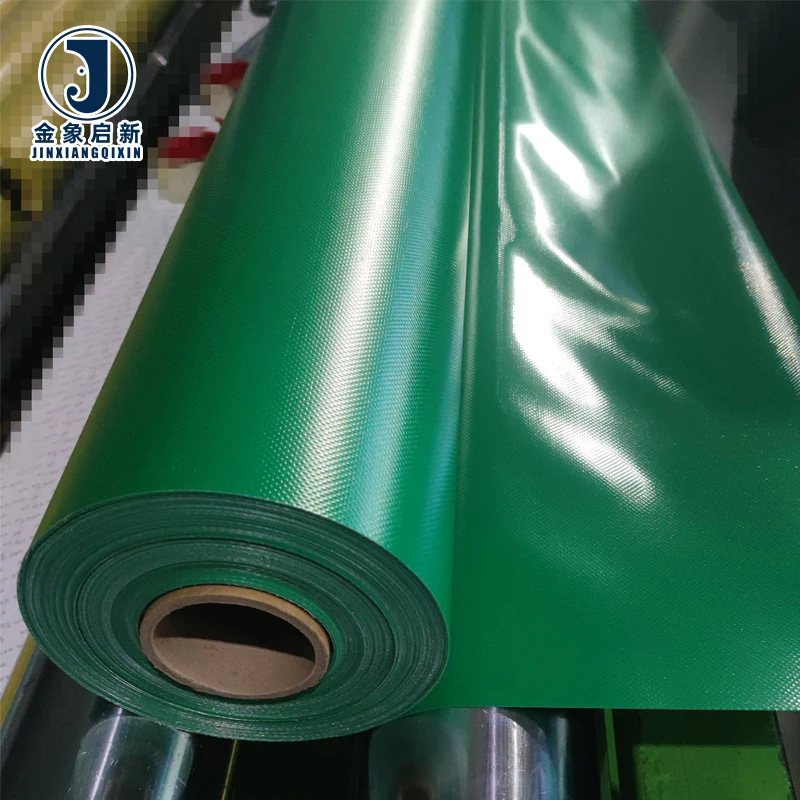
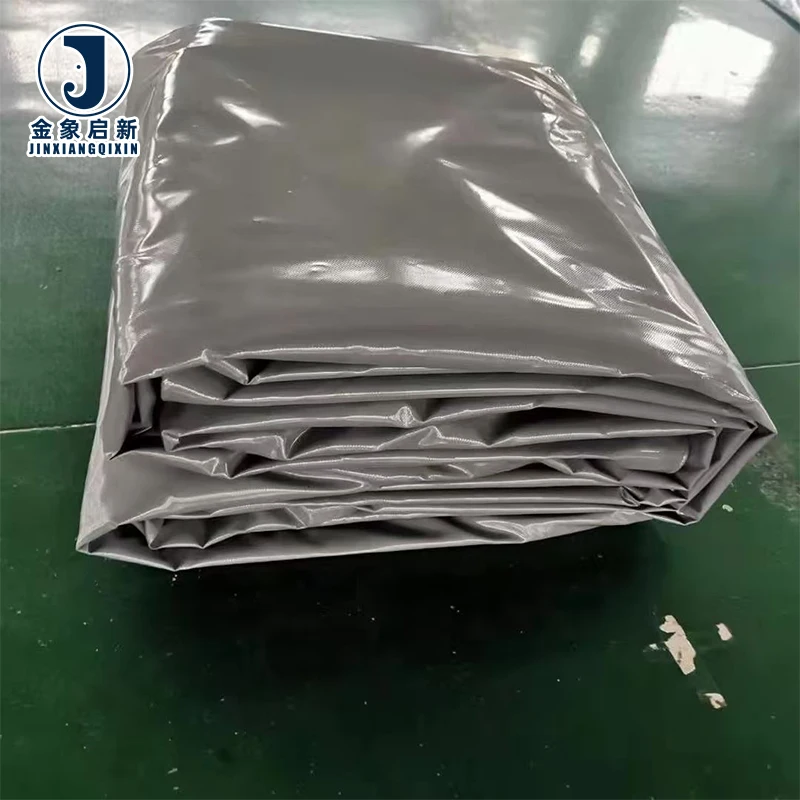
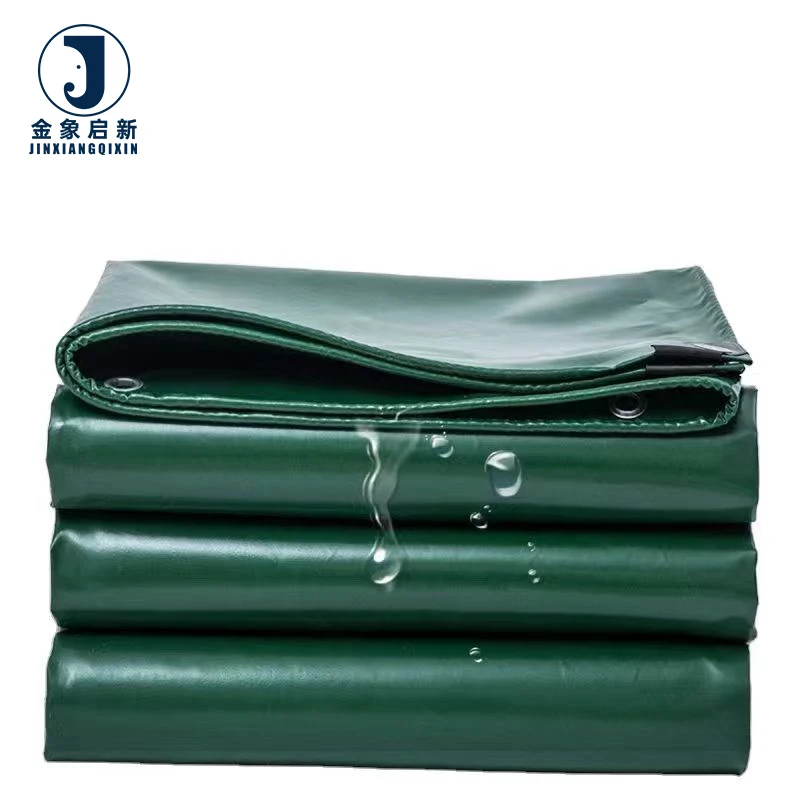
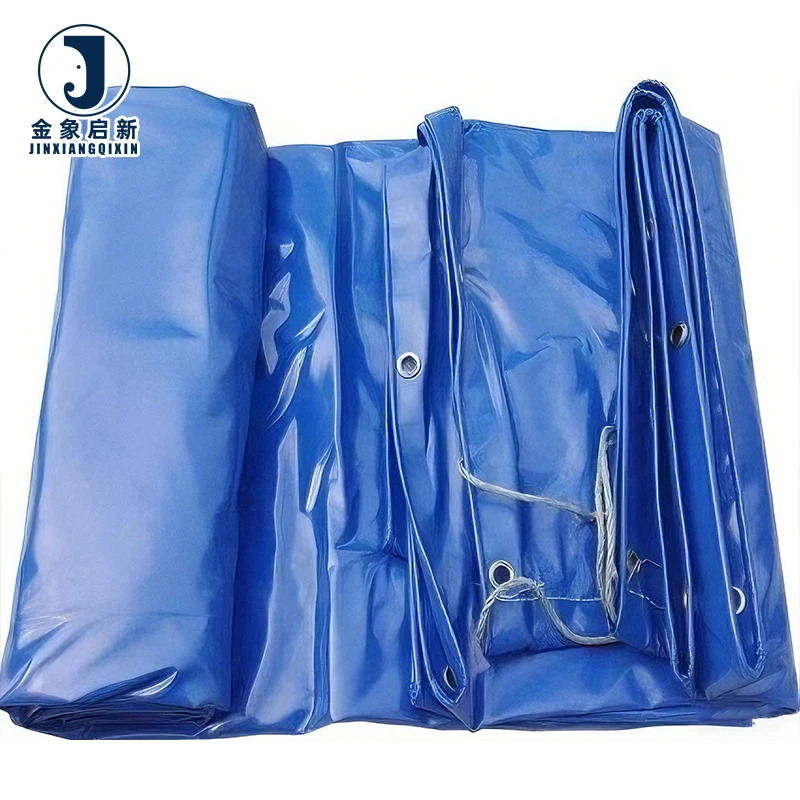
Description
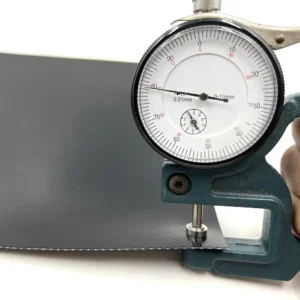
Verified GSM Consistency — Every PVC coated tarpaulin roll leaves the factory with a documented weight inspection, so wholesale buyers receive exactly the gsm specified on the purchase order.
Technical Specifications
| Parameter | Value |
|---|---|
| Product Type | PVC Coated Tarpaulin |
| Base Fabric | Polyester woven substrate |
| Weight Range | 500 to 800 gsm |
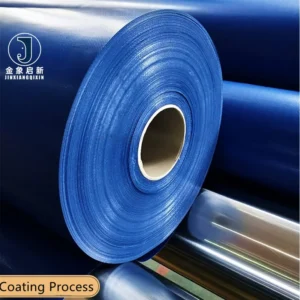
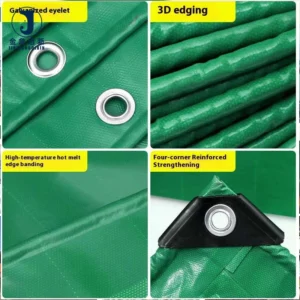
| Coating Method | Heat combined with high-frequency |
| Waterproof Rating | Anti-permeable ≥20KPa |
| Flame Retardant Grade | Self-extinguishing ≤10 seconds |
| Low-Temperature Flexibility | Not fractured by pliers at -30℃ |
| Chemical Resistance | Acid, alkali and brine corrosion resistant |
| Anti-Mildew | Yes |
| Water Absorption | Almost none, dries quickly after rain |
| Seaming Method | High-frequency heat welding |
| Key Features | Mildew proof, chemical resistant, low-temperature flexible |
Application Suitability
| Application | Exposure & Requirement |
|---|---|
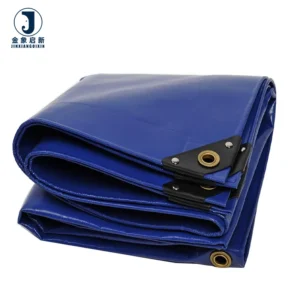
| Truck and trailer load covering | Constant flexing at tie-down points, road debris abrasion, sustained rain and UV exposure |
| Construction site and equipment covers | Prolonged outdoor weathering, dust and chemical splash, wind-driven rain |
| Agricultural and aquaculture pond lining | Permanent water contact, soil chemistry, puncture and root pressure |
| Tent and awning fabric | Repeated folding and unfolding, solar heat load, colour fastness over seasons |
| Pallet and machinery covers | Indoor and outdoor storage, handling abrasion, moisture ingress prevention |
Why Roll-to-Roll GSM Variance Matters More Than You Think
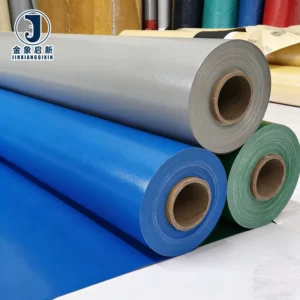
A PVC Coated Tarpaulin Roll that arrives lighter than quoted fails before the first season ends.
When a distributor unloads a container and weighs the first roll, finding it below the agreed gsm, every downstream fabrication decision is already compromised. The base fabric density, coating adhesion and tensile behaviour all shift downward with that missing weight. Fleet operators who cut and weld truck covers from underweight stock report seam failures at flex points within months, not years [NEED_CITE: tensile and tear test methods for coated fabrics per ISO 1421].
Batch Uniformity Across Full Container Loads
Distributors loading containers by roll count need every roll to behave identically on the welding table. When PVC coated tarpaulin rolls vary in coating thickness from one end of a batch to another, the high-frequency welding parameters that worked on roll one produce weak bonds on roll fifteen. Our coating lines maintain consistent weight distribution across the full web width, meaning your fabricators set their welding equipment once and do not adjust between rolls.
Colour Matching That Survives Side-by-Side Installation
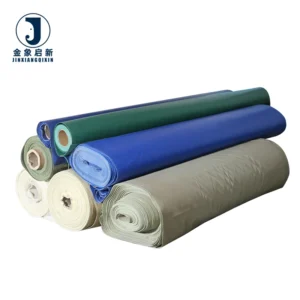
A truck fleet ordering forty side curtains expects every panel to read as one continuous surface when vehicles are parked in a row. Visible shade variation between rolls sourced from different production batches forces installers to sort, swap and sometimes reject entire panels. Our production scheduling groups full project volumes into single coating runs, eliminating the cross-batch colour drift that causes on-site rejection [NEED_CITE: colour measurement standards for coated textile batches].
How Coating Weight, Base Fabric and Welding Interact
The 500 to 800 gsm range covers distinct structural grades. A heavier coating does not automatically deliver higher tear strength if the underlying polyester denier and weave density remain unchanged. Tensile performance depends on the base fabric carrying the load while the PVC coating protects against abrasion, moisture and chemical attack. High-frequency heat welding bonds the PVC layers by melting the coating itself rather than relying on adhesives, which means the weld line achieves strength comparable to the parent material when coating weight and formulation stay within specification [NEED_CITE: high-frequency welding parameters for PVC coated polyester]. Low-temperature flexibility down to -30℃ ensures the material does not become brittle during cold-climate transport or winter installation, a property directly tied to plasticiser selection and coating formulation.
The Hidden Cost of Specifying on Price Per Kilogram Alone
Buyers who award orders solely on the lowest cost per kilogram often receive rolls where coating weight meets the letter of the quotation but base fabric quality has been reduced to compensate. The result is a material that passes the incoming scale check yet tears prematurely under load because the polyester substrate lacks the necessary denier and weave density. Weld failures appear at stress points where the load flexes most, and replacement costs far exceed the original savings [NEED_CITE: coated fabric failure analysis at seam and weld junctions].
Why Sourcing PVC Coated Tarpaulin Rolls Here Makes Sense
Three full production lines and thirty-six sets of professional equipment give us the capacity to schedule large wholesale orders without compressing lead times. A dedicated ten-person R&D team handles custom width requests, colour matching and sample development within days rather than weeks. Every roll undergoes inspection at each production stage with one hundred percent pre-shipment verification, so what arrives at your warehouse matches the documented specification. Deep process control over coating weight and adhesion comes from nearly thirty years focused exclusively on coated fabric manufacturing. Quick sample turnaround allows you to confirm hand feel, colour and welding behaviour before committing to container volumes.
Documentation & Verification
- Material specification sheet stating gsm, base fabric denier, weave and coating type per roll
- Pre-shipment inspection record with actual gsm verification against quoted weight before dispatch
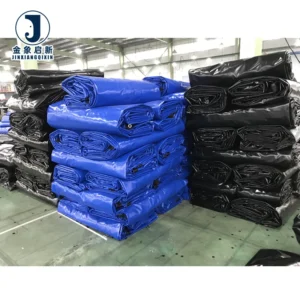
- Roll packing list with container loading plan detailing roll count, dimensions and total weight
- Certificate of origin and customs documentation prepared for destination-country import clearance
- Test reports for flame retardant and anti-permeability performance where applicable to the ordered grade
Fabrication, Handling & Storage
- High-frequency welding parameters must match the specific gsm grade ordered for consistent seam strength
- Store rolls upright on end caps to prevent flat-spot deformation across the full web width
- Allow cold-stored rolls to reach ambient temperature before unrolling to avoid coating micro-cracking
- Use PVC-compatible cleaners only to preserve the anti-mildew treatment on the coated surface
- Plan cut layouts around the roll width to minimise off-cuts and reduce the number of welded joins
What We Need to Quote Your Roll Stock Order
Provide your target gsm grade, required roll width and preferred roll length so we can calculate container loading efficiency. Specify whether you need flame retardant or UV treatment and which market standards apply. Confirm your annual volume and colour requirements so we can schedule production runs that guarantee batch consistency across every shipment.
Frequently Asked Questions
Q: How do you verify gsm matches the quotation on every roll?
A: Each roll is weighed and measured during pre-shipment inspection. We record the actual gsm value and compare it against the specification stated on your purchase order. The inspection report travels with the shipping documentation, giving you a verifiable record before the container leaves the factory.
Q: Can you guarantee colour consistency across multiple rolls in one order?
A: We schedule full project volumes within a single coating run whenever possible. This keeps pigment batches and coating formulation identical across all rolls in your order, eliminating the shade variation that occurs when rolls are pulled from separate production dates.
Q: What is the minimum order quantity for custom roll widths?
A: Custom widths require a production run minimum that depends on the specific width and gsm grade requested. We provide the exact minimum and lead time once you share your width requirement, and we develop a sample roll for your approval before bulk production begins.
Q: How many rolls fit in a standard shipping container?
A: Container loading depends on roll width, roll length and gsm grade. We prepare a detailed loading plan showing roll count, stacking arrangement and total weight for your specific order, ensuring maximum container utilisation without exceeding weight limits.
Q: Can we receive samples before placing a bulk roll order?
A: Sample rolls are developed within days for your specific gsm, colour and treatment requirements. We recommend testing welding parameters and confirming colour under your local lighting conditions before approving the sample and proceeding to full container production.