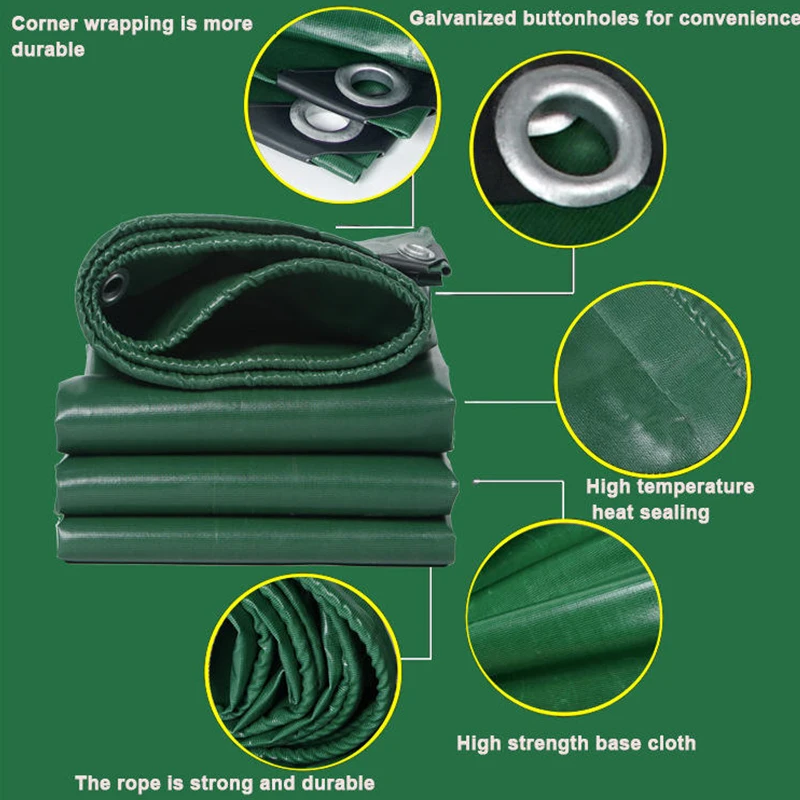
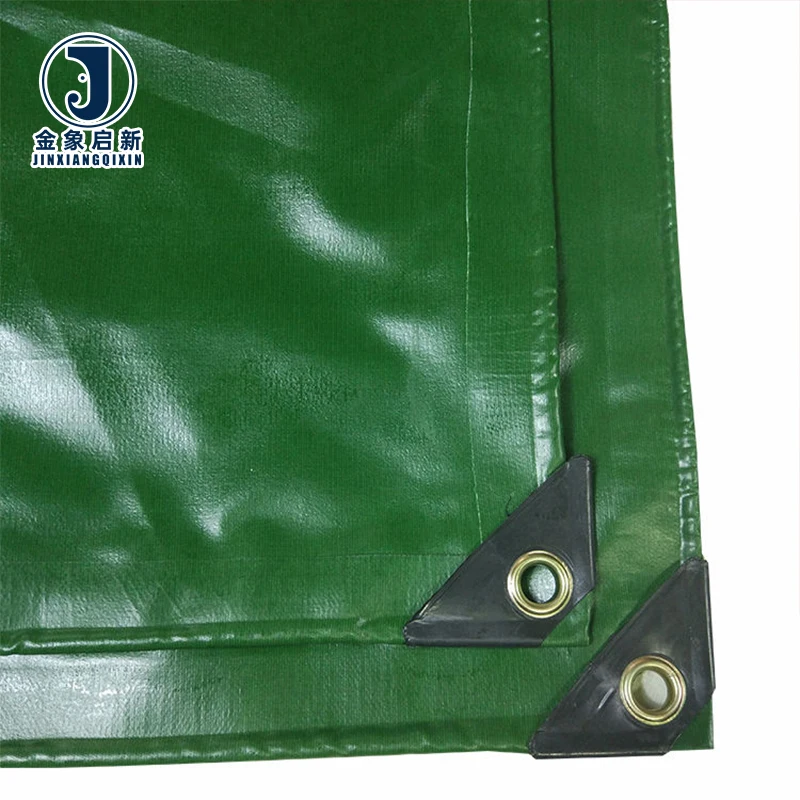
Description
Verified Roll Weight Consistency — Every roll is weighed and recorded individually before dispatch, ensuring the PVC tarpaulin roll aftermarket supplier you choose delivers material that matches the specification sheet down to the gram, not an averaged batch estimate.
Technical Specifications
| Parameter | Value |
|---|---|
| Product Type | PVC Coated Tarpaulin |
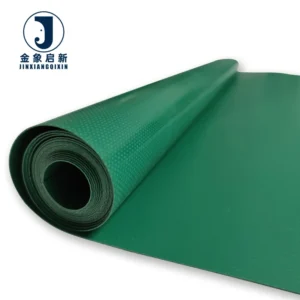
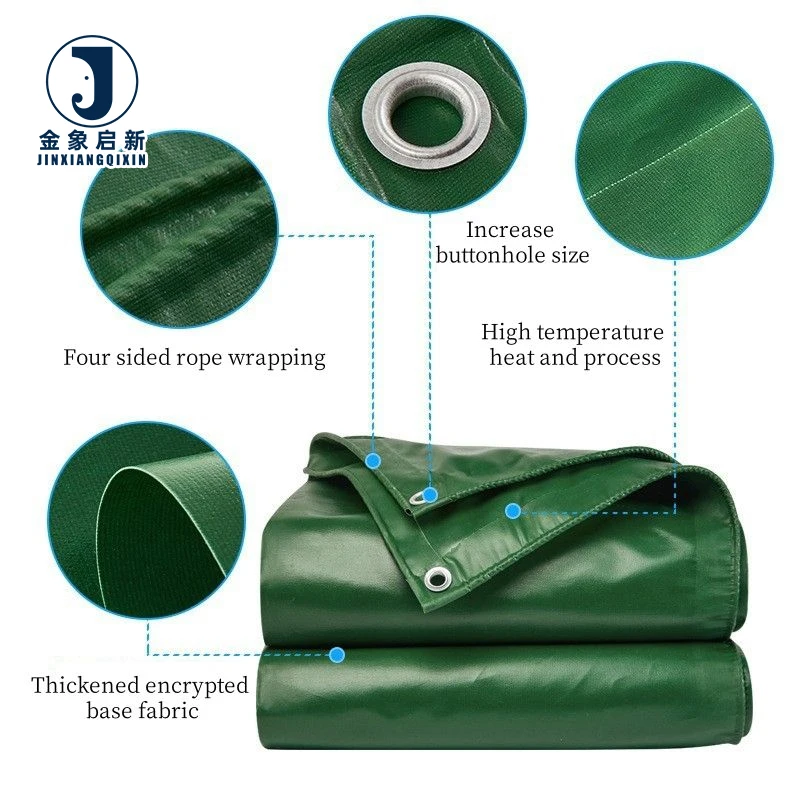
| Material | PVC coated polyester tricot fabric |
| Weight Grade | 500GSM (source value — verify against manufacturer catalog) |
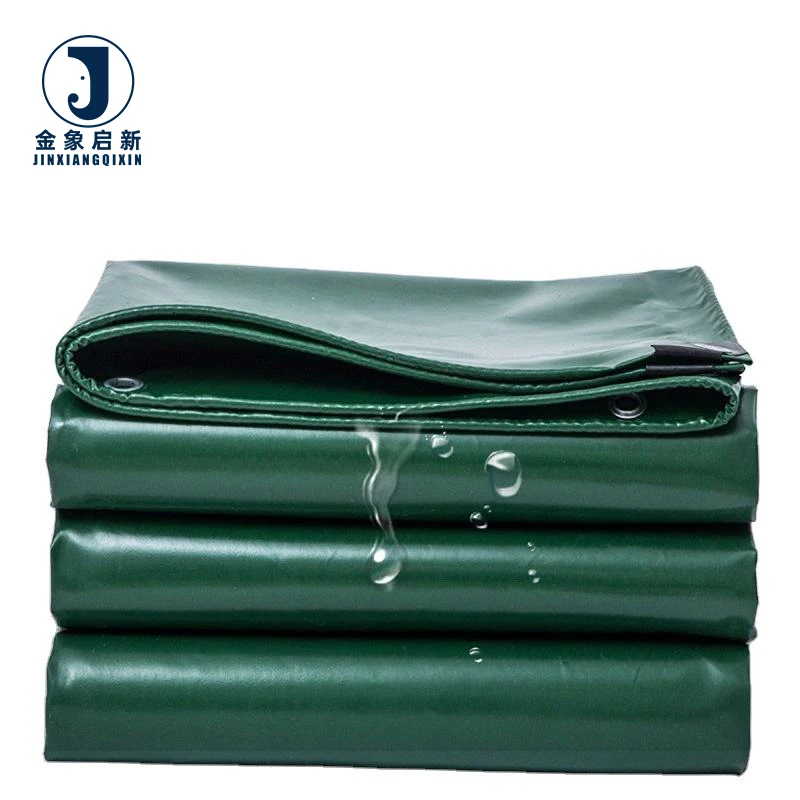
| Waterproof Rating | Anti-permeable ≥20KPa |
| Flame Retardant | ≤10 seconds (grade not stated in source — confirm required grade for your market) |
| Low-Temperature Flexibility | Not fractured at -30°C (source value — verify against manufacturer catalog) |
| Properties | Mildew proof, anticorrosion (acid, alkali, brine), heat resistance, UV resistance (test basis not stated) |
| Finish | Woven plain, abrasion-resistant |
| Standards | ISO, CE (based on company profile) |
Application Suitability
| Application | Exposure & Requirement |
|---|---|
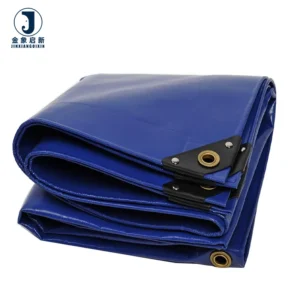
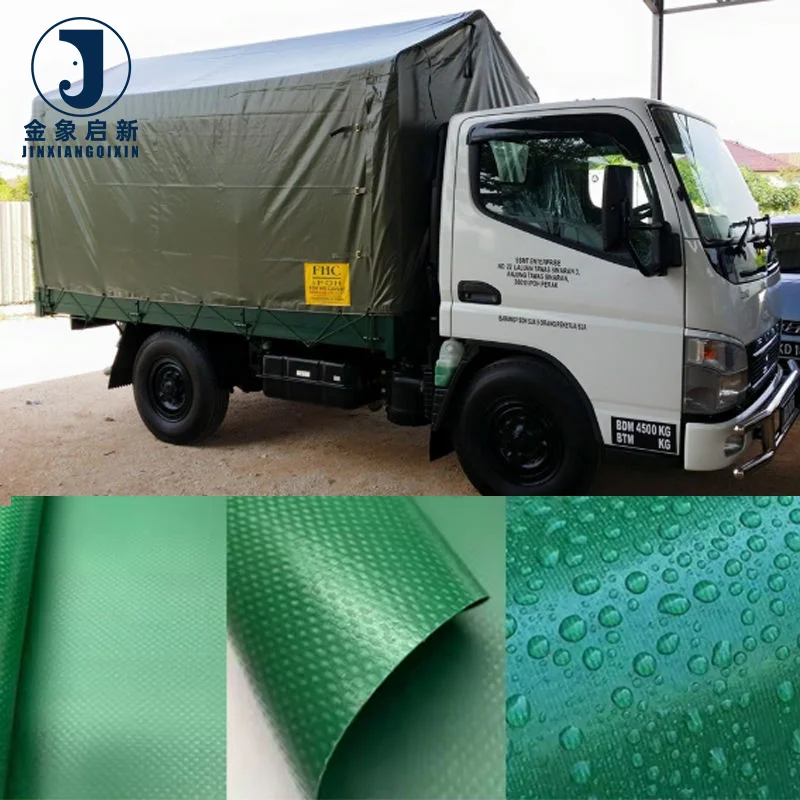
| Truck cargo covers | Constant flexing at load points, road debris abrasion, prolonged rain exposure requiring ≥20KPa waterproofing |
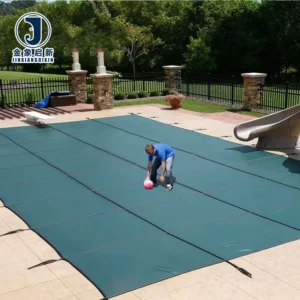
| Heavy-duty pool covers | Permanent water contact, chemical treatment exposure, UV degradation from continuous sun |
| Outdoor equipment protection | Variable weather cycles, dust and moisture ingress prevention, periodic folding and unfolding |
| Open-air load protection | Wind-driven rain, temperature swings from -30°C upward, stacking pressure during transport |
Why Roll Buyers Lose Money on Unverified GSM Claims
A quoted GSM that never gets checked at the receiving dock is the single most expensive gap in the coated fabric supply chain.
Buyers ordering PVC tarpaulin roll aftermarket supplier stock often discover after customs clearance that the material feels lighter than expected. By then, the shipment is on the warehouse floor and the fabricator is already cutting panels. Returning rolls across borders is rarely practical [NEED_CITE: common disputes in coated fabric import regarding weight discrepancy]. The result is either absorbing the loss or fabricating covers from underspec material that fails prematurely at stress points. This problem compounds when distributors sell roll stock onward to smaller workshops who trust the label without independent verification.
Roll-to-Roll Weight Tracking Before Dispatch
Each roll produced on our three full production lines passes through a dedicated QA/QC checkpoint where coating weight is measured and logged against the target PVC coated tarpaulin roll specification. This is not a random sampling exercise — every roll is weighed individually so that distributors and importers receive documented proof that the GSM on the packing list matches what was quoted. For bulk orders filling multiple containers, this per-roll tracking prevents the situation where one container holds compliant material while another drifts below specification.
Batch Colour Control Across Multi-Roll Orders
When tarpaulin distributors order several hundred rolls of the same colour for local fabrication, visible shade variation between adjacent panels installed on the same truck or pool structure becomes a costly rejection. Our coating lines maintain batch-controlled pigment dosing throughout a single production run, so rolls cut from the same order display consistent colour when unrolled side by side. This matters particularly for fleet operators covering a mixed trailer fleet where visual uniformity signals professionalism to their clients. [NEED_CITE: colour consistency standards in PVC coated fabric production]
How Coating Weight and Base Fabric Interact to Determine Real Strength
The 500GSM weight grade of this PVC coated tarpaulin reflects the combined mass of the polyester tricot base fabric and the PVC coating applied to it. A common misconception among roll buyers is that higher GSM automatically means stronger fabric. In reality, the denier of the base yarn and the weave density — the number of warp and weft threads per centimetre — determine tensile and tear resistance far more than coating thickness alone. A 500GSM roll built on a dense, high-denier tricot base will outperform a heavier roll made on a loose weave with excess coating filler simply added to reach the target weight. This is why requesting the material specification sheet with base fabric denier and weave count, not just the total GSM, is essential for making informed comparisons between suppliers. The PVC coating method — whether knife-over-roll, dip, or calender — also affects how deeply the coating penetrates the weave, which in turn governs peel strength at welded seams.
The Hidden Cost of Specifying Roll Stock on Price Per Kilogram Alone
When purchasing decisions are driven solely by the lowest cost per kilogram of coated fabric, suppliers have an incentive to reduce base fabric density and compensate with heavier, cheaper coating compounds. The roll arrives at the correct GSM but tears more easily along the weft because the underlying weave is sparse. Fabricators discover this only when welded seams pull apart under load flexing, or when grommets tear out of thin base fabric at tie-down points. For distributors reselling to end users, these field failures come back as warranty claims that erase any initial savings [NEED_CITE: coated fabric failure modes related to base fabric density]. Similarly, flame retardant grades claimed without a corresponding test report create compliance risk when the fabricated covers are installed on sites that require documented fire classification.
Why Fabricators and Distributors Source Roll Stock Here
Three full production lines and 36 sets of professional equipment give us the throughput capacity to fill container-volume orders without splitting production across multiple runs that could introduce batch variation. The 10-person R&D team handles custom width requests, colour matching, and sample roll development within days rather than weeks, so distributors can confirm material suitability before committing to bulk. Dedicated QA/QC inspection at every production stage — not just final audit — catches coating weight drift and surface defects before rolls reach the packing area. ISO and CE certified processes provide the documentation foundation that importers need for customs clearance in regulated markets. Samples are developed and shipped quickly for custom requirements, letting buyers validate weld parameters and fabrication behaviour on their own equipment before the main order enters production.
Documentation & Verification
- Material specification sheet stating 500GSM weight, polyester tricot base fabric, and PVC coating details for each roll
- Pre-shipment inspection record with per-roll GSM weight verification logged before container loading
- Roll packing list detailing roll count, individual net weight, and container loading plan for logistics coordination
- Certificate of origin and full customs documentation package included with every roll stock shipment
- Test reports for flame retardant and anti-UV treatment available — confirm required grade for your destination market
Fabrication, Handling & Storage
- Hot-air weld temperature and speed settings should be calibrated to the PVC coating thickness of this 500GSM roll stock
- Store rolls upright on pallets to prevent flat-spot deformation that creates permanent creases in the woven plain finish
- Allow cold-shipped rolls to acclimate to workshop temperature before unrolling to preserve low-temperature flexibility rated to -30°C
- Use compatible PVC-based adhesives for patch repairs on abrasion-resistant coated surfaces to maintain bond integrity
- Plan cutting layouts to maximise yield from standard roll width and minimise welded seam count on large truck covers
What We Need to Quote Your Roll Stock Order Accurately
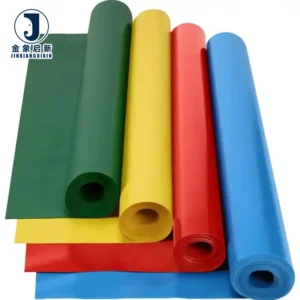
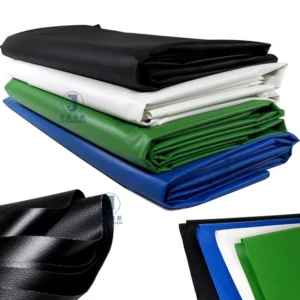
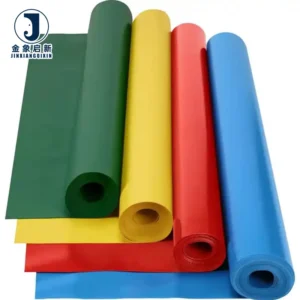
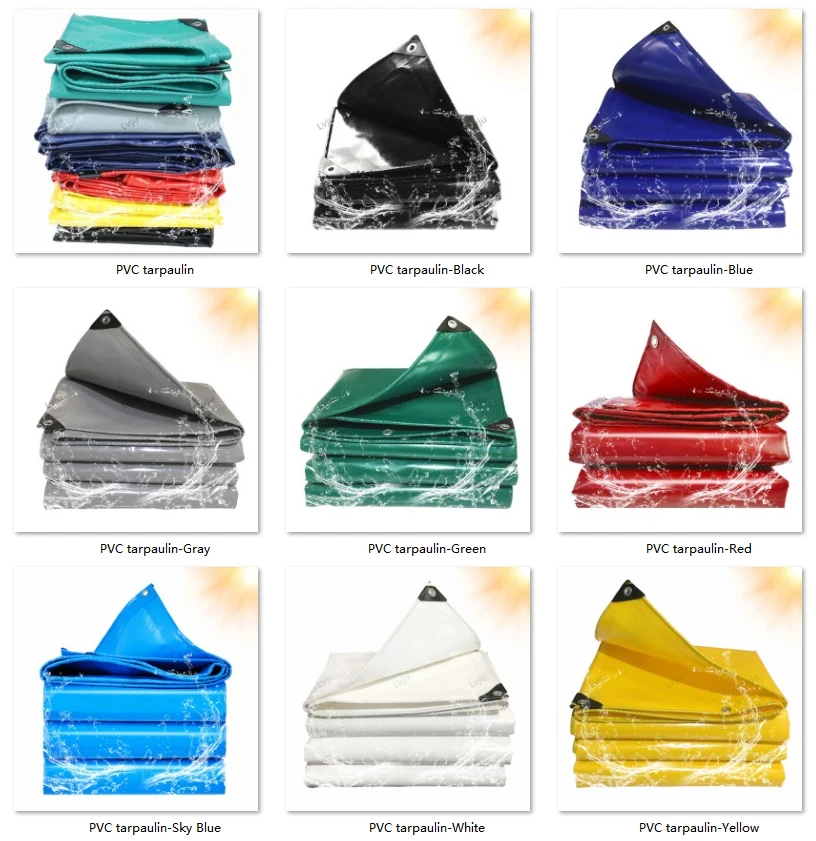
Provide your target roll width, the annual volume you expect to purchase, and whether you need the 500GSM grade or are evaluating multiple weight options for different applications. If your destination market mandates specific flame retardant or fire classification standards, share the exact regulation so we can confirm whether our available grades match and supply the corresponding test documentation. Let us know if you require custom colours or if standard colour options are sufficient for your distribution channel.
Frequently Asked Questions
Q: How is GSM verified on each roll before shipment?
A: Every roll passes through a QA checkpoint where it is individually weighed and the result is recorded against the target 500GSM specification. The pre-shipment inspection report includes these per-roll measurements, so you receive documented confirmation rather than a batch average. Rolls that fall outside tolerance are separated before packing.
Q: What roll widths and lengths are available for bulk orders?
A: Standard widths are produced on our three coating lines, and custom widths can be developed through our R&D team with sample rolls shipped for your approval first. Length per roll is configurable based on your fabrication equipment capacity and container loading efficiency. Confirm your preferred dimensions at inquiry stage.
Q: How is colour consistency controlled across multiple rolls in one order?
A: Rolls within a single production run use batch-controlled pigment dosing to maintain shade uniformity. When orders span multiple runs, we retain reference samples from each batch and cross-check before dispatch. This prevents visible colour differences when your fabricators install adjacent panels from different rolls.
Q: What documentation ships with each roll stock consignment?
A: Every shipment includes a material specification sheet detailing the base fabric and coating, a roll packing list with individual weights, the pre-shipment inspection record, and a certificate of origin. Flame retardant test reports are supplied when the ordered grade has been confirmed against your market requirements.
Q: Can flame retardant performance be confirmed with a test report?
A: Flame retardant grades are available for this PVC coated tarpaulin roll stock. We provide test reports corresponding to the specific grade produced, but you must confirm which fire classification your end-use application or local regulation requires before we quote, as grades vary by market.