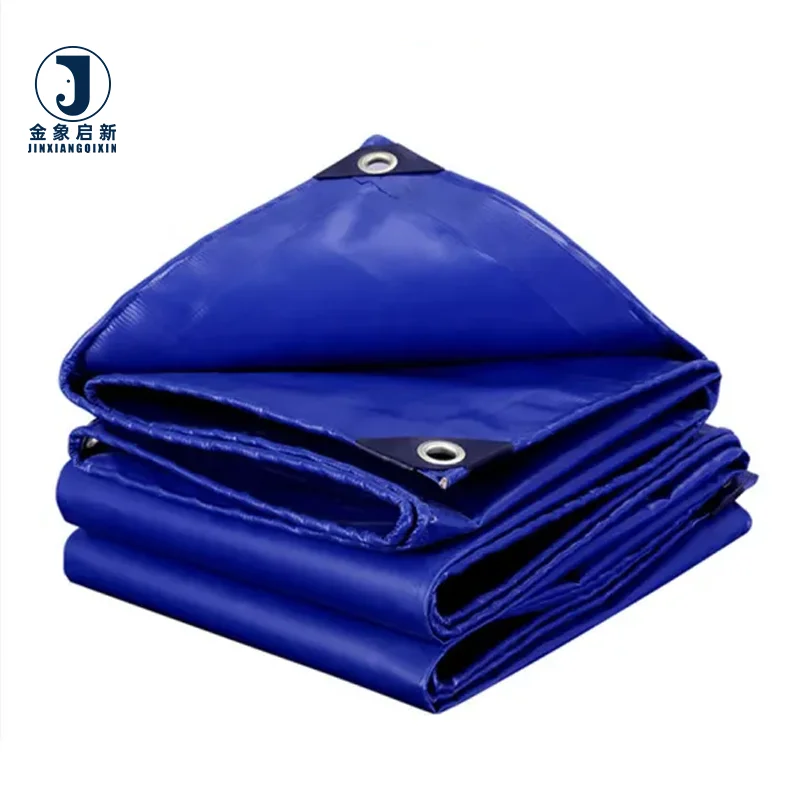
Description
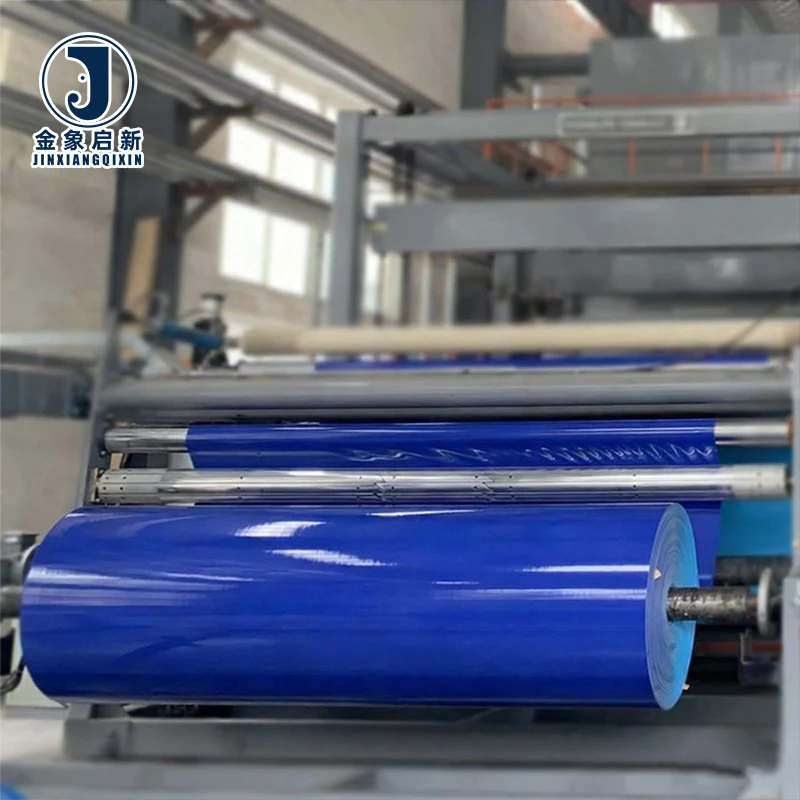
Coated Fabric Process Control — nearly 30 years focused on coated fabric production, with deep process control over coating weight and adhesion ensuring roll-to-roll consistency for wholesale importers.
Technical Specifications
| Parameter | Value |
|---|---|
| Product Type | PVC Tarpaulin Roll |
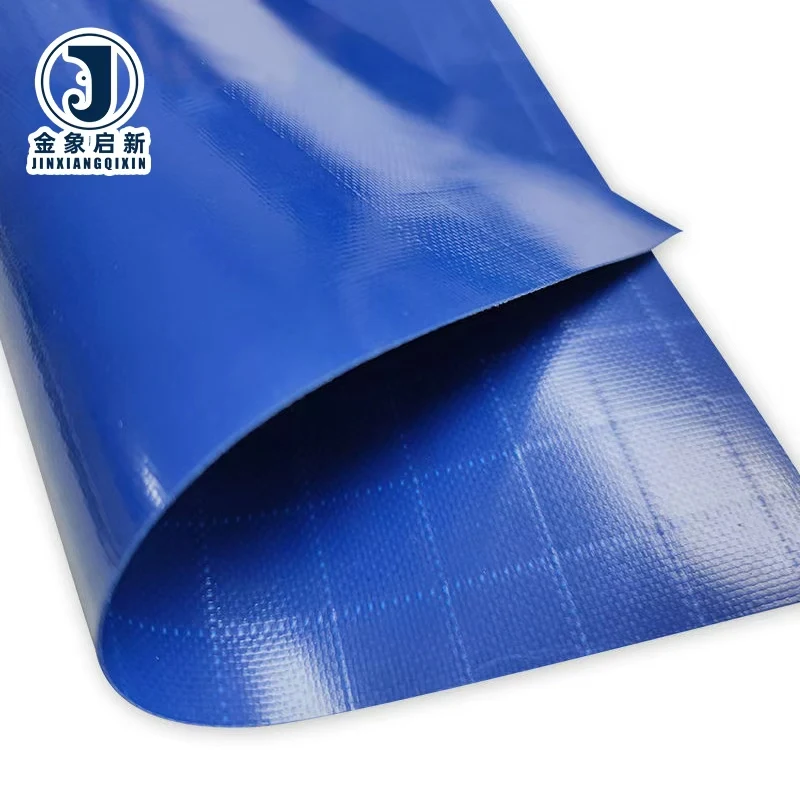
| Coating Material | HDPE weaving with LDPE lamination on both sides |
| Weight (GSM) | 50 gr/m² ~ 300 gr/m² available across the product family — confirm the grade required for your application |
| Total Thickness | 0.2–0.4 mm / 8 mil–16 mil |
| Weave Density Options | 6×6, 6×7, 7×7, 7×8, 8×8, 9×9, 8×10, 10×10, 12×12, 14×14, 14×16 |
| Roll Width | 6 ft / 8 ft / 10 ft / 12 ft or 2 m / 4 m / 6 m |
| Roll Length | 100 yards / 100 meters or custom |
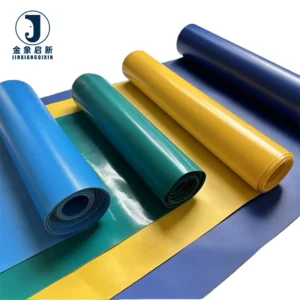
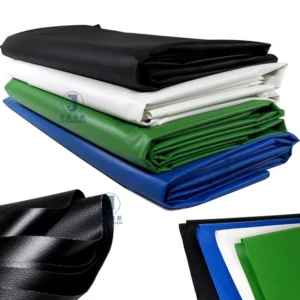
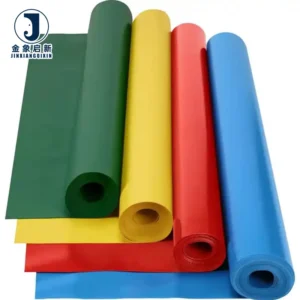
| Color Options | Blue, Blue/Orange, Green, Grey, Black, Clear, Grey/Green, Orange, or custom |
| Waterproof | Yes |
| UV Treatment | Available — confirm the treatment level required for your market |
| Anti-Mildew | Yes |
| Tear Resistance | Stated feature — test basis not specified |
| Key Features | Waterproof, washable, mildew proof, anti-aging |
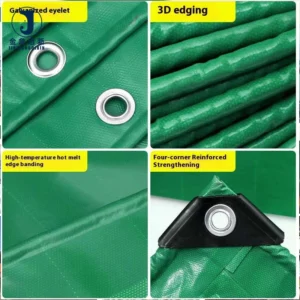
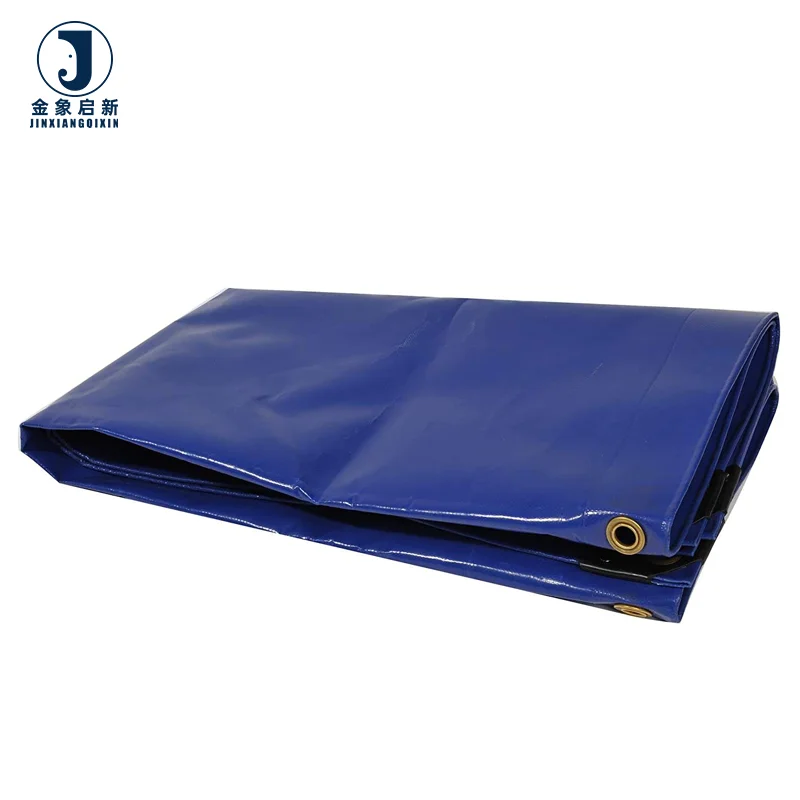
| Finished Options | PP rope reinforced hem, galvanized eyelets every 3 ft or 1 m, reinforced plastic corners |
| Printing Option | Custom branding available |
| Standards | ISO, CE |
Application Suitability
| Application | Exposure & Requirement |
|---|---|
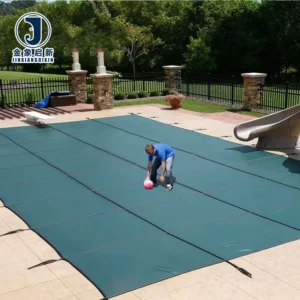
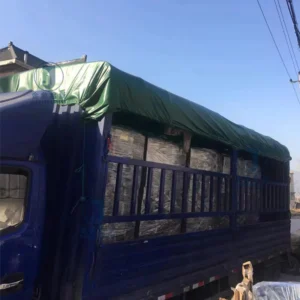
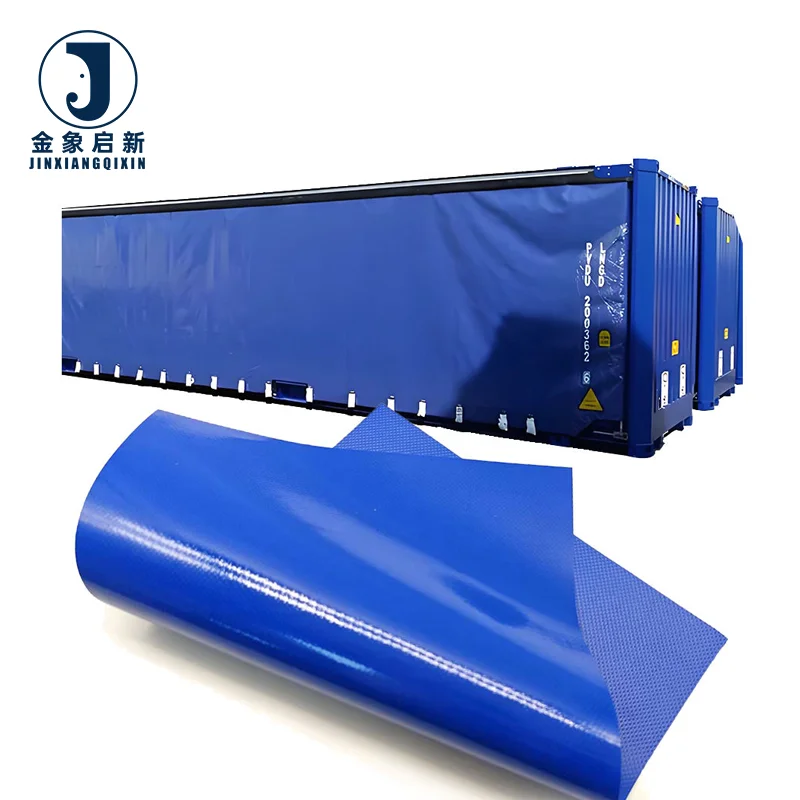
| Truck and container covers | Road vibration, UV exposure, abrasion at tie-down points, wind load during transit |
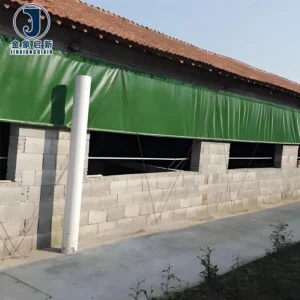
| Construction scaffolding and material covers | Dust, rain, debris impact, repeated installation and removal on site |
| Agricultural crop and timber covers | Extended outdoor weathering, moisture ingress, mildew in humid storage |
| Tent and canopy construction | Tensile load across span, UV degradation, seam stress under wind load |
| Pond and reservoir lining | Permanent water contact, soil chemistry, puncture risk from substrate |
| Garden and backyard furniture covers | Seasonal UV, rain pooling, mildew underneath in shaded areas |
Why Roll-to-Roll Consistency Matters More Than Quoted GSM in PE Tarpaulin Roll Wholesale
A quoted GSM is meaningless if the roll that arrives weighs less than the sample you approved.
Buyers sourcing PVC tarpaulin rolls by the container frequently encounter variance between the stated weight and the actual weight upon arrival. This discrepancy is not always intentional — it can stem from inconsistent coating application across production runs, raw material substitution between batches, or simple quality control gaps at the inspection stage [NEED_CITE: pre-shipment GSM verification methods for coated fabrics]. When rolls within the same shipment vary in weight, the lighter rolls fail first in the field while the heavier rolls perform as expected, creating warranty claims that are difficult to trace back to the source.
Batch Weight Tracking Across Every Production Run
Every roll in a PE tarpaulin roll wholesale order ships with a pre-shipment inspection record that confirms the actual measured GSM. This is not a spot-check of the first and last roll — the inspection covers the full production batch, ensuring that the rolls loaded into your container match the specification you approved at the sample stage. For buyers distributing across regional markets, this eliminates the risk of customer complaints driven by material that underperforms relative to its label.
Color Matching Across the Full Container Load
Color shift between rolls in the same order is a common complaint in tarpaulin wholesale. When rolls are installed side by side on a construction hoarding or a truck side curtain, even a minor shade variation becomes visible [NEED_CITE: batch color consistency standards for coated tarpaulin rolls]. Production controls color reference at the batch level, checking each dye lot against the approved sample before the rolls proceed to coating and lamination. This applies whether you are ordering standard blue, green, or a custom color matched to your brand specification.
Weave Density Selection and Its Effect on End-Use Performance
The available weave densities — from 6×6 for light-duty covers up to 14×16 for heavier applications — determine how the base fabric distributes load across the weave. A denser weave resists tear propagation more effectively because the load is shared across more yarn intersections. For PE tarpaulin roll wholesale buyers stocking multiple grades, matching weave density to the target application prevents both overspecification (paying for density the end user does not need) and underspecification (supplying a grade that tears under normal working conditions).
Roll Width, Length, and Container Loading Efficiency
Roll widths from 2 m to 6 m and standard lengths of 100 yards or 100 meters are designed to optimize container utilization. A 20’GP container accommodates up to 17 tons of roll-packed tarpaulin, while a 40’HQ holds up to 28 tons when packed by bale. Custom roll lengths are available for buyers whose downstream cutting operations benefit from longer continuous runs, reducing waste at the splice point. Selecting the right width and packing method directly affects landed cost per square meter.
Understanding How GSM and Weave Density Interact
GSM alone does not determine the strength of a coated tarpaulin roll. A 180 gr/m² fabric with a 6×6 weave may have lower tear resistance than a 150 gr/m² fabric with a 10×10 weave, because the denser base fabric distributes stress more evenly across the yarn structure [NEED_CITE: tensile and tear test methods for coated fabrics per ISO 1421]. The LDPE lamination on both sides adds waterproofing and surface durability, but the mechanical strength comes primarily from the HDPE woven base. Buyers should request samples at the target GSM and weave combination, then test under the specific conditions their end users will face — whether that is wind load on a construction fence or abrasion on a truck bed.
The Cost of Overlooking Coating Adhesion Quality
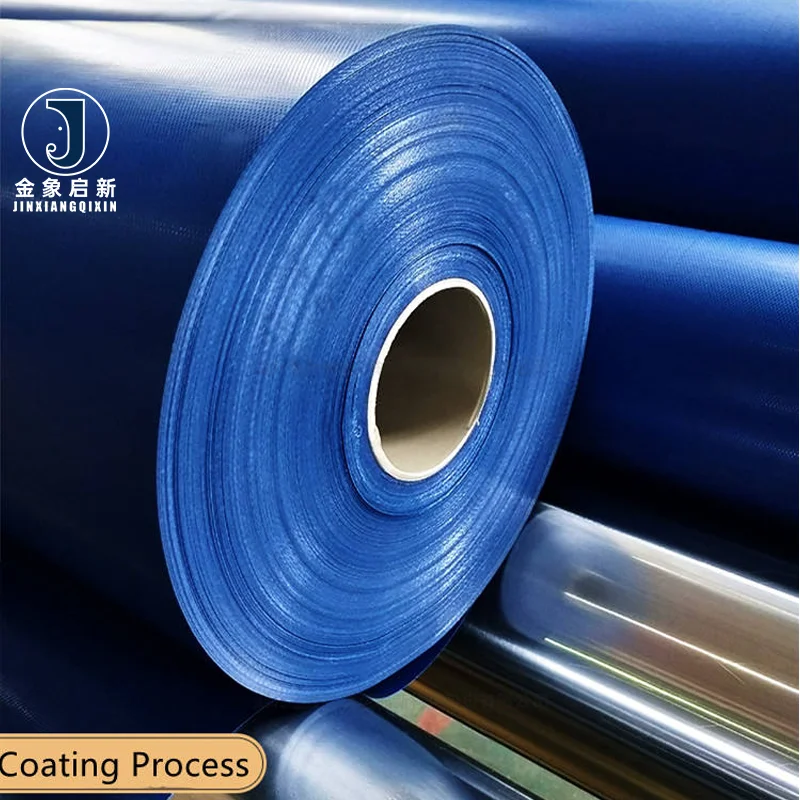
When coating adhesion is weak, the LDPE lamination delaminates from the HDPE base under flex or thermal cycling, exposing the woven core to moisture and UV. This failure mode appears long before the fabric itself would have reached end of life, and it is particularly common at folded edges and heat-welded seams where stress concentrates. Coating adhesion is controlled through lamination temperature, pressure, and line speed — parameters that vary between production lines and require dedicated QA oversight at each stage. A roll that passes a visual inspection can still carry a latent adhesion defect that only shows up after weeks of field use [NEED_CITE: coating adhesion failure modes in laminated tarpaulin fabrics].
Why Sourcing Consistency Reduces Hidden Costs
Nearly 30 years of focused production on coated fabric means the process parameters for each GSM grade and weave density are established and repeatable. Three full production lines and 36 sets of professional equipment provide the capacity to fulfill full-container orders without splitting a batch across different lines — a common source of inter-roll variation. A 10-person R&D team develops samples within days for custom width, color, or print requirements, allowing buyers to verify the product before committing to a container order. Dedicated QA/QC runs at every production stage with full inspection before shipment, rather than relying on end-of-line sampling. This infrastructure exists specifically to serve tarpaulin distributors and importers who need predictable quality across repeated orders.
Documentation & Verification
- Material specification sheet stating confirmed GSM, base fabric weave, and coating type per roll
- Pre-shipment inspection record with verified weight measurement against the quoted specification
- Roll packing list detailing roll count, dimensions, and net weight for container loading
- Certificate of origin and customs documentation for import clearance in destination markets
- Test report for UV and flame-retardant grades supplied where applicable — confirm requirements at inquiry
Fabrication, Handling & Storage
- Heat welding temperature must match the LDPE lamination melting range to avoid delamination at seams
- Galvanized eyelets spaced every 3 ft or 1 m distribute tie-down load across the reinforced hem
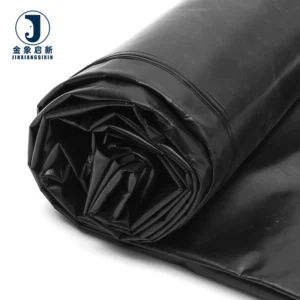
- Store rolls upright on hard paper tubes to prevent flat-spot creasing in the coated surface
- Unroll in temperatures above freezing to avoid cracking the LDPE coating layer
- Clean with mild detergent — solvent-based cleaners degrade the LDPE surface and reduce waterproofing
- Cut with thermal or hot-knife tools to seal the HDPE weave edge and prevent fraying
What to Include in Your Inquiry
Provide the target GSM range, the intended application and exposure conditions, and the roll width and length your downstream operations require. If your market has specific UV treatment or flame-retardant compliance requirements, state the standard or grade you need to meet. Confirm whether you require finished tarpaulins with eyelets and hem reinforcement, or raw roll stock for your own fabrication line. Color and print requirements should be specified at the inquiry stage so that samples can be developed before production begins.
Frequently Asked Questions
Q: How is the actual GSM verified before shipment?
A: Each roll is weighed and measured before dispatch, and the result is recorded on a pre-shipment inspection report. This report accompanies the shipping documentation so you can cross-check the arrived material against your order specification without relying on the supplier’s claim alone.
Q: Can I order custom widths or colors by the roll?
A: Custom widths up to 6 m and custom colors are available with samples developed within days for approval. Minimum order quantities apply to custom specifications and vary depending on the width, color, and GSM grade requested — confirm at the inquiry stage.
Q: How do you control color consistency across a full container?
A: Color reference is checked at the dye lot level before coating begins. Rolls within the same order are produced from matched batches, and the QA team verifies shade consistency before the rolls are packed for dispatch.
Q: What documentation is included for import clearance?
A: Each shipment includes a material specification sheet, pre-shipment inspection record, roll packing list, certificate of origin, and customs support documentation. UV or flame-retardant test reports are included where applicable to the grades ordered.
Q: What is the container loading capacity for roll and bale packing?
A: A 20’GP container holds up to 17 tons when packed by roll, while a 40’HQ accommodates up to 28 tons when packed by bale. The packing method and roll dimensions are confirmed at the quotation stage to optimize your container utilization.