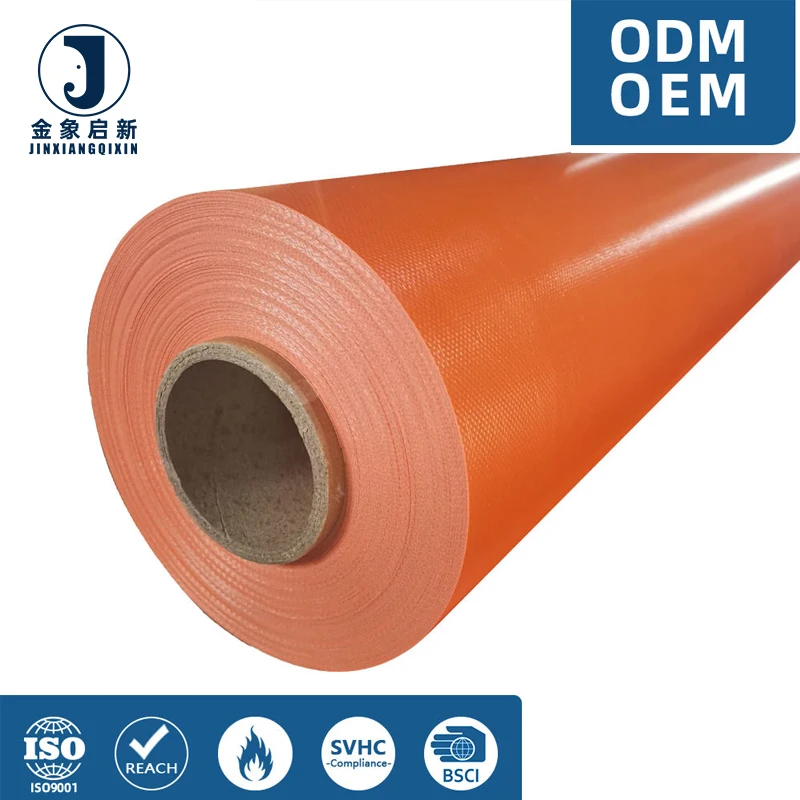
Description
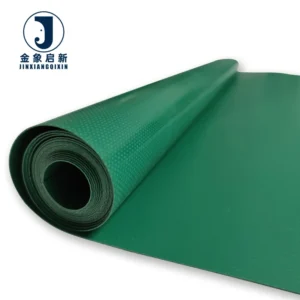
Batch Weight Verification — 650GSM PVC coated tarpaulin rolls dispatched with documented roll-by-roll GSM checks, supporting container-load planning and arrival re-inspection for wholesale buyers.
Technical Specifications
| Parameter | Value |
|---|---|
| Product Type | PVC Coated Tarpaulin Roll |
| Specification | 650GSM 1000D1000D 2323 1.50*50M/R |
| Base Fabric Denier | 1000D*1000D |
| Mesh Count | 23*23 |
| Roll Width | 1.50M |
| Roll Length | 50M |
| Coating Material | PVC |
| Surface Finish | Glossy or matte |
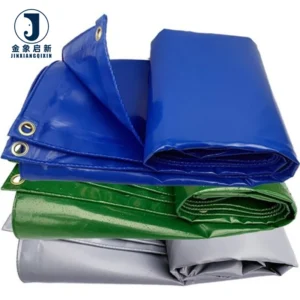
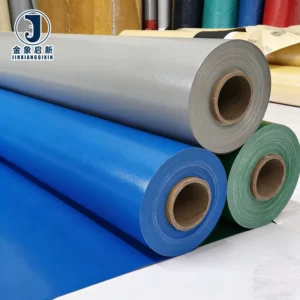
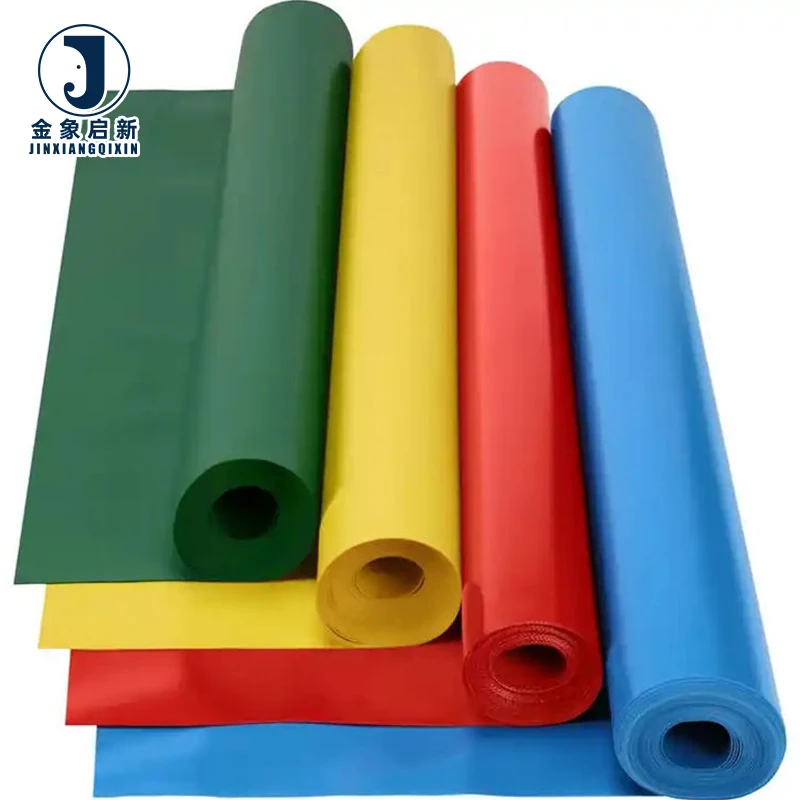
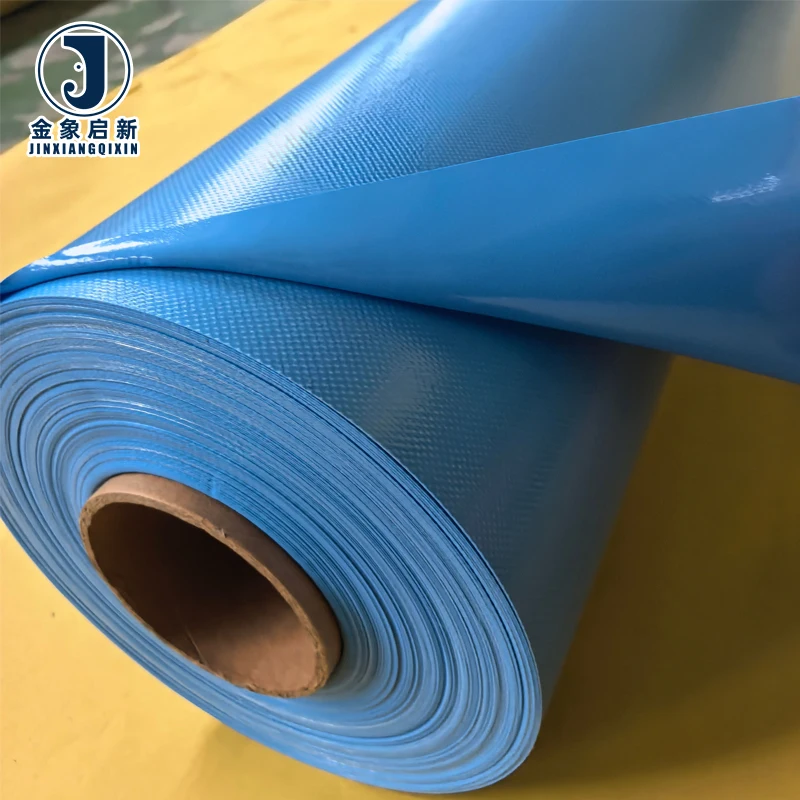
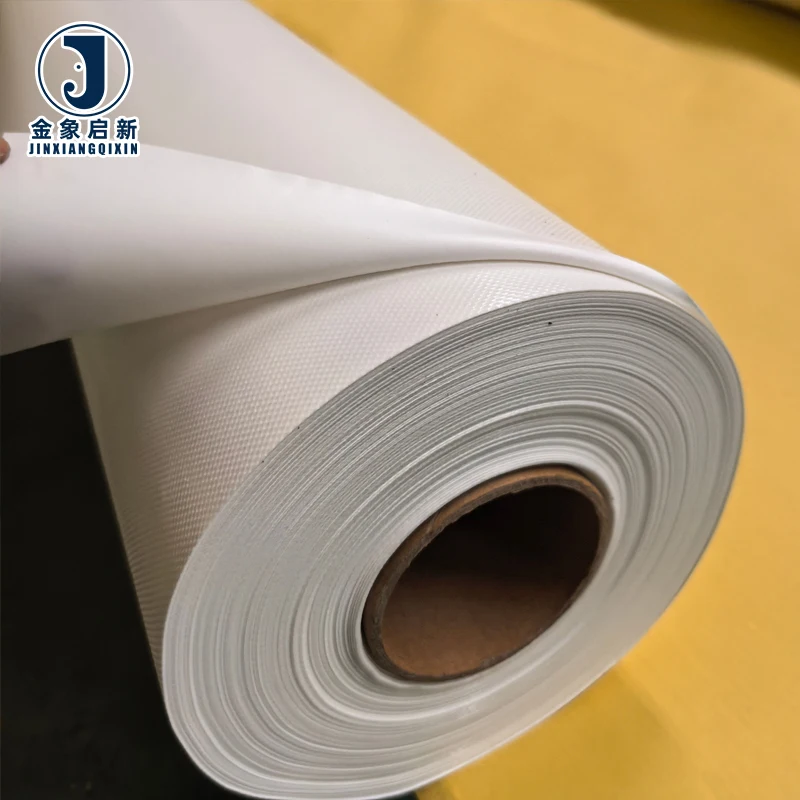
| Colour Options | Blue, yellow, black, green, white, custom |
| Temperature Range | -15ºC to 70ºC |
| Waterproof | Yes |
| UV Treatment | Available in treated grades — confirm the grade required for your market |
| Flame Retardant | Available in FR treated grades — confirm the grade required for your market |
| Anti-Mildew | Anti-fungal treated |
| Key Features | Water-proof, rain-resistant, tear-resistant, durable, good flexibility, good adhesion strength, good abrasion resistance |
| Standards | ISO 14001, ISO 45001, CE, RoHS |
Application Suitability
| Application | Exposure & Requirement |
|---|---|
| Tarpaulin distribution stock | High-volume warehousing, batch-to-batch colour consistency, reliable GSM for regional resale |
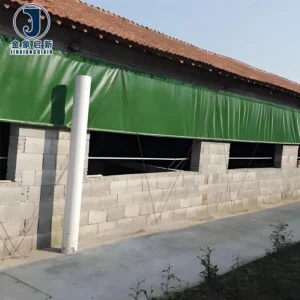
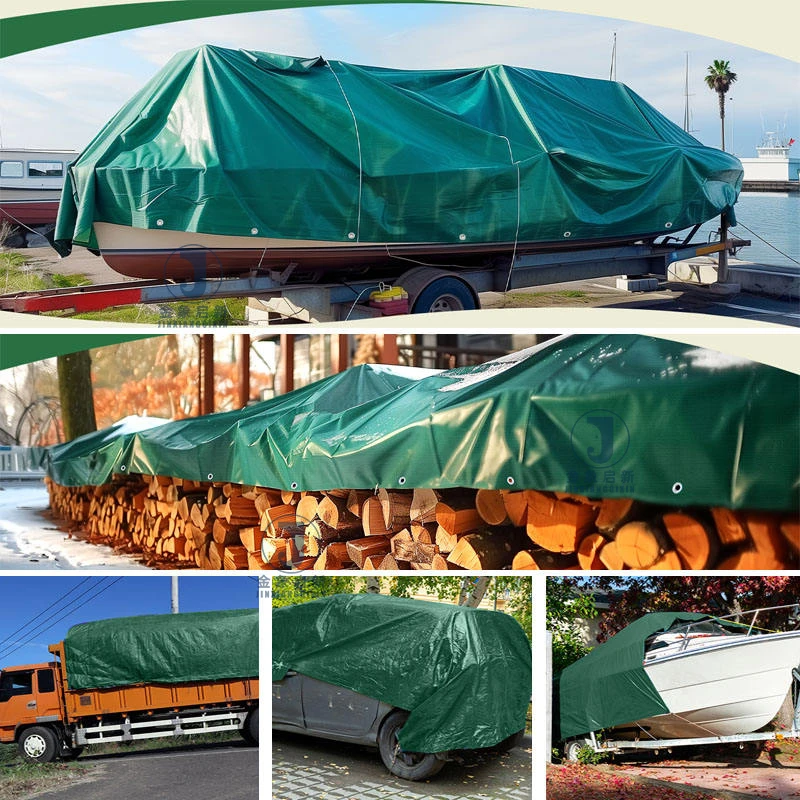
| Transport side curtains | Daily flexing at hinges, road spray, abrasion from load contact, UV exposure |
| Truck and trailer covers | Tie-down tension, wind flap fatigue, weather sealing during transit |
| Tent and awning fabrication | Heat welding along seams, colour matching across panels, outdoor installation |
| Construction equipment covers | Puncture from sharp edges, dust and moisture ingress, repeated draping |
Why Roll-to-Roll GSM Consistency Matters More Than the Number Itself
A 650GSM stamp on a quotation means nothing if the roll on your scale weighs less.
Distributors and importers of PVC Coated Tarpaulin Roll stock face a recurring problem: the gsm stated on the commercial invoice does not match the material that arrives at the warehouse. This gap between quoted weight and actual weight erodes margin, triggers customer complaints, and can force a full container rejection. In wholesale buying, consistency across every roll in a shipment is as critical as the specification itself. When batch weight drifts, downstream fabricators cut panels expecting a certain tensile baseline and end up with material that behaves differently on the table. [NEED_CITE: ISO 1421 test methods for tensile and tear properties of coated fabrics]
Bulk PVC Coated Tarpaulin Roll Procurement and Weight Discipline
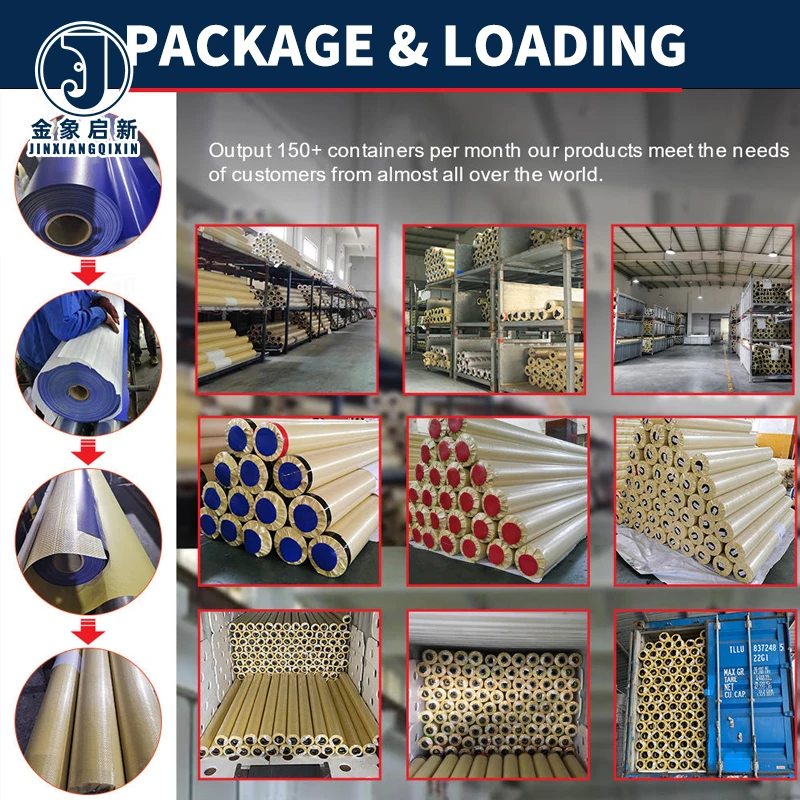
Buying PVC Coated Tarpaulin Roll material by the container requires a supply chain that treats weight control as a process parameter, not a sorting exercise after production. Each roll in this 650GSM 1000D1000D 2323 grade leaves the line with a documented weight check. For wholesale buyers loading full containers, the roll count, gross weight, and cubic volume must align with the packing plan — a deviation on one roll can mean a short-shipped container or an overweight slot at the port.
Colour Matching Across Rolls in the Same Shipment
Colour variation between rolls is the second most common rejection reason for PVC Coated Tarpaulin Roll consignments. When a tent maker joins two panels cut from different rolls and the shade steps visibly at the seam, the entire installation fails aesthetic inspection. Jinxiang manages this by producing a single batch for each colour within one order and verifying shade consistency before rolls are wrapped for dispatch. Glossy and matte finish options are available, and each requires separate colour calibration during coating.
Reading the 650GSM 1000D*1000D Specification Correctly
The 650GSM figure represents total coated weight — base fabric plus PVC coating on both sides. The 1000D1000D denier means both warp and weft yarns are 1000 denier polyester, providing a heavy base cloth that carries most of the tensile and tear load. The 2323 mesh count (23 yarns per inch in each direction) creates a balanced weave that distributes stress evenly. A higher gsm does not automatically mean higher strength if the base fabric denier is lighter; the 1000D base here ensures the coating weight is supported by a substantial yarn structure. Coating adhesion between the PVC layers and the base cloth determines how well the material holds together at heat-welded seams, where peeling forces concentrate during fabrication. [NEED_CITE: coating adhesion and peel strength testing per ISO 2411]
The Hidden Cost of Specifying Below the Required Grade
Choosing a lower gsm to save on roll cost often shows up later as premature failure at the point of highest stress. A distributor who supplies a 450GSM roll where 650GSM was needed will see returns from end-users whose truck covers split along the weld line under load flexing. Similarly, ordering flame retardant stock without specifying the grade required by the destination market can result in material that fails local fire inspection on arrival, forcing a costly replacement cycle. Batch colour inconsistency across rolls in one order leads to visible panel mismatches once installed, triggering rework claims. These downstream costs regularly exceed the initial savings on material. [NEED_CITE: typical failure modes in coated fabric covers under cyclic loading]
Why Wholesale Buyers Source This Grade Here
Three full production lines allow this 650GSM PVC Coated Tarpaulin Roll to be manufactured in volume without shifting between machines mid-order, which is where batch inconsistency typically originates. A 10-person R&D team handles custom colour matching and width requests, developing samples within days rather than weeks. Every roll undergoes inspection before shipment, with weight and visual checks documented per roll rather than sampled from a batch average. The 1.50M by 50M roll format is designed for standard container loading, maximising the roll count per twenty-foot equivalent unit. Coating weight and adhesion are controlled through calibrated process parameters at the coating head, not adjusted by operator judgment on the floor.
Documentation & Verification
- Material specification sheet stating 650GSM, 1000D*1000D base fabric and PVC coating per roll batch
- Pre-shipment inspection record with roll-by-roll weight verification against the quoted gsm
- Roll packing list showing individual roll weight and dimensions for container loading calculation
- UV and flame retardant test reports supplied where the specified grade requires documented compliance
- ISO 14001, ISO 45001 and CE certificates included with customs documentation
- Certificate of origin issued per shipment destination requirements
Fabrication, Handling & Storage
- Heat welding parameters should be set for 650GSM PVC thickness, with test welds on each new roll before full production
- Store 1.50M rolls upright on end cores to prevent flat-spotting and coating crease marks on the glossy surface
- Allow cold rolls to reach workshop temperature before unrolling to avoid cracking the PVC coating at low flexibility
- Cut panels with the mesh grain aligned to the load direction, using the 23*23 weave orientation for predictable tear behaviour
- Use compatible PVC welding tape and solvent for seam repair on 1000D base fabric, matching the coating weight
Requesting a Quote for Roll Stock
Provide the target market destination, annual volume estimate, and whether you require standard 1.50M width or a custom roll width. Specify colour references and whether glossy or matte finish is required for your fabrication process. Indicate if UV or flame retardant treatment is needed and which grade your market requires. Confirm whether you are buying raw roll stock or require slit-to-width rolls.
Frequently Asked Questions
Q: How is GSM verified per roll and what documentation supports arrival re-inspection?
A: Each 650GSM roll is weighed individually before packing. A pre-shipment inspection record accompanies the container, listing the measured weight per roll. On arrival, you can cross-reference any roll against this document. A material specification sheet confirming the 1000D*1000D base fabric and coating composition is also provided for laboratory verification if needed.
Q: How do you control colour variation between rolls in the same order?
A: One colour is produced as a single continuous batch per order. Rolls from that batch are compared side by side before wrapping. Glossy and matte finishes are calibrated separately. If your order includes multiple colours, each is run as a distinct batch with its own colour reference check, reducing the risk of shade stepping when panels are joined during fabrication.
Q: What standard widths and roll lengths are available, and can custom dimensions be ordered?
A: The standard roll is 1.50M wide by 50M long, designed for efficient container loading. Custom widths are available for bulk orders, with minimum quantities depending on the width requested. Custom roll lengths can also be produced. Samples of non-standard widths are developed within days so you can verify handling and fabrication behaviour before committing to a full container.
Q: How are rolls packed and loaded to maximise container utilisation?
A: Rolls are packed in carton or bale wrapping with end-core protection. A container loading plan is prepared showing roll count, stacking arrangement, and gross weight per container. The 1.50M by 50M format is sized to fill standard container dimensions efficiently. The packing list details every roll position so you can locate specific rolls on arrival without unpacking the entire load.
Q: What documentation comes with each container load?
A: Each shipment includes a material specification sheet, pre-shipment inspection record, roll packing list, certificate of origin, and relevant certificates such as ISO 14001, ISO 45001, and CE. Where UV or flame retardant grades are specified, the corresponding test reports are included. All documents are prepared to support customs clearance at your destination port.