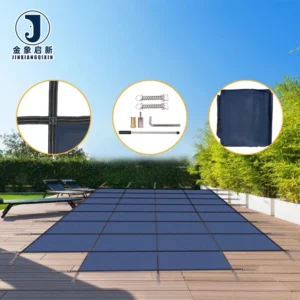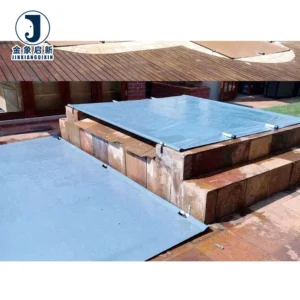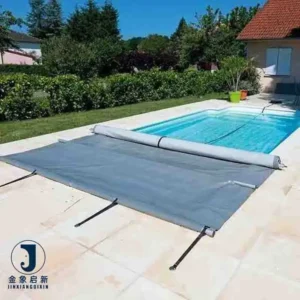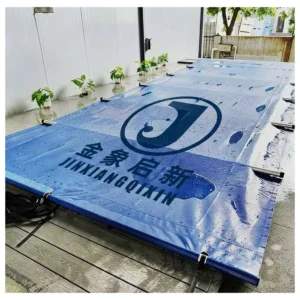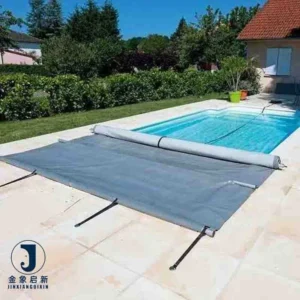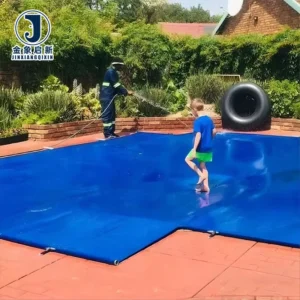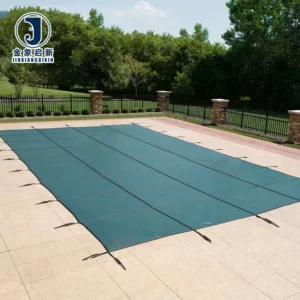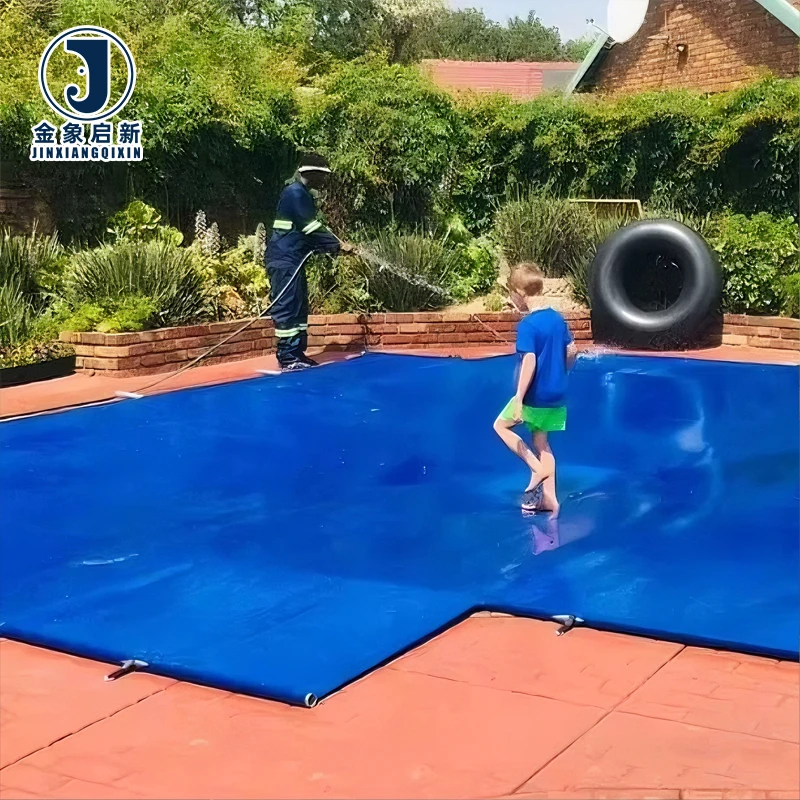
Description
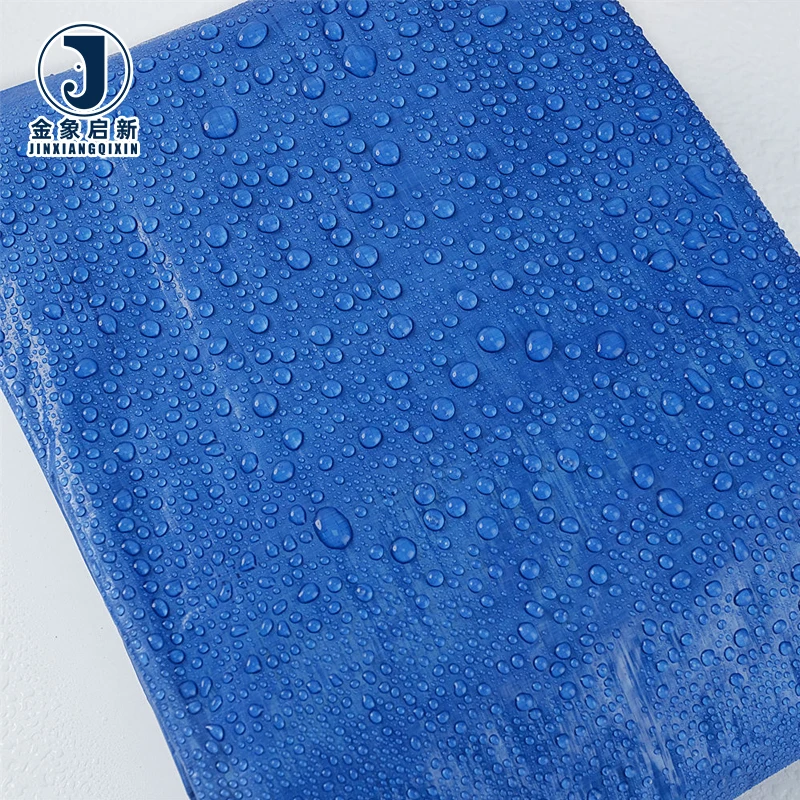
Verified GSM Per Roll — Pre-shipment coating weight checks ensure every roll of PVC Coated Tarpaulin Roll matches the quoted specification, eliminating weight discrepancies before container loading.
Technical Specifications
| Parameter | Value |
|---|---|
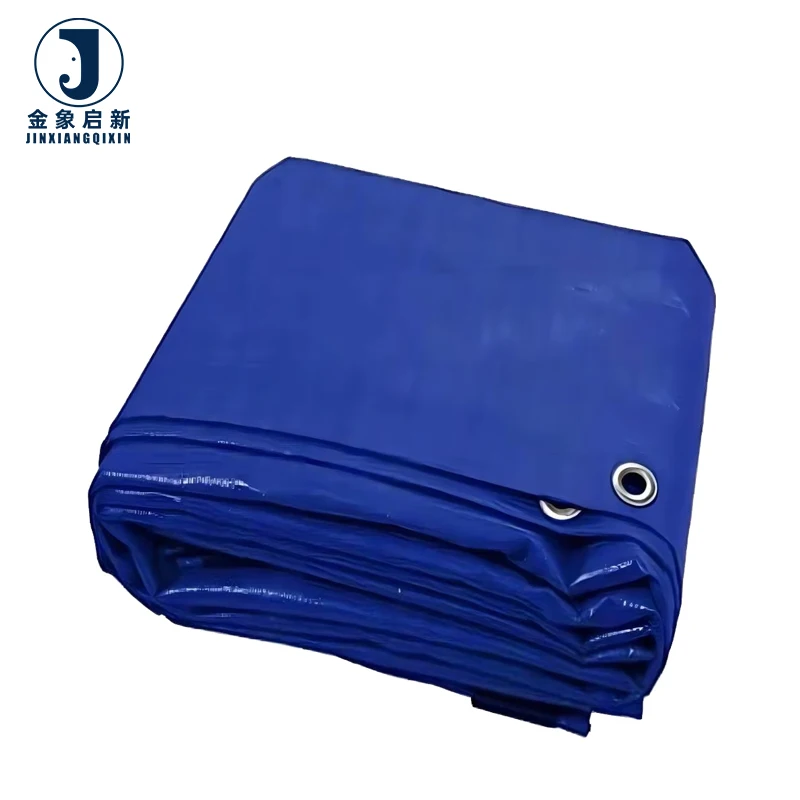
| Product Type | PVC Coated Tarpaulin Roll |
| Material | PVC + High-strength polyester mesh fabric |
| Coating Method | Laminated technology & Hot-melt Coating technology |
| Weight (GSM) | 350gsm / 420gsm / 500gsm / 550gsm / 600gsm / 750gsm |
| Total Thickness | 0.32mm / 0.35mm / 0.4mm / 0.45mm / 0.5mm / 0.65mm |
| Roll Size | 2m width × 75m length / 2.1m width × 50m length |
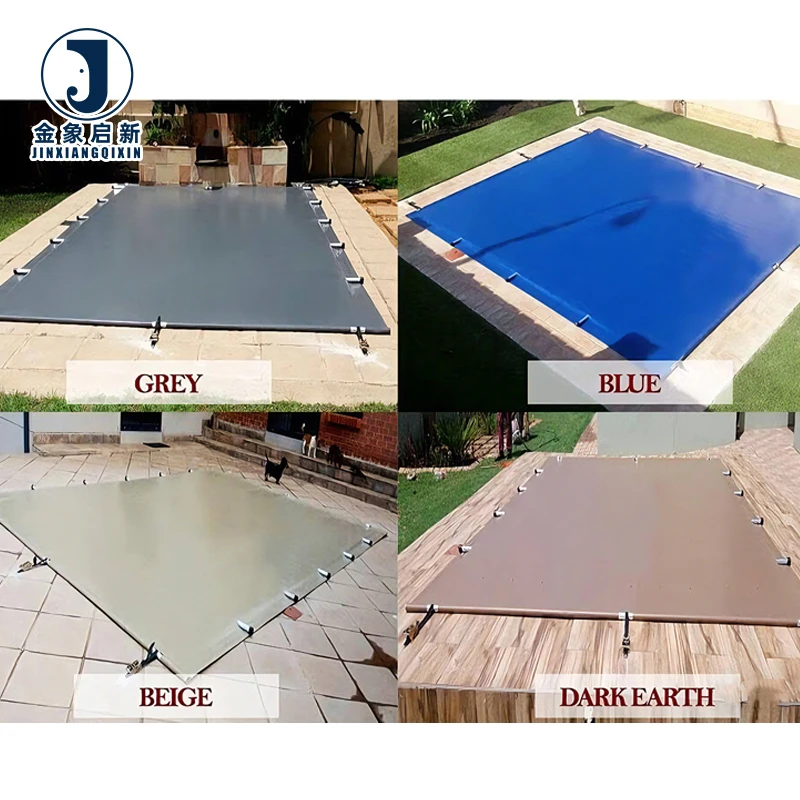
| Color Options | Blue / Red / Yellow / Light blue / Grey (Customized) |
| Key Features | Cold crack resistance, anti-mildew, anti-static treatment, waterproof, sunproof, color fastness |
| Special Treatments | Flame retardant, anti-static, anti-cold, anti-mildew, 3P (grades to be confirmed per market requirement) |
| Certification | ISO, CE |
Application Suitability
| Application | Exposure & Requirement |
|---|---|
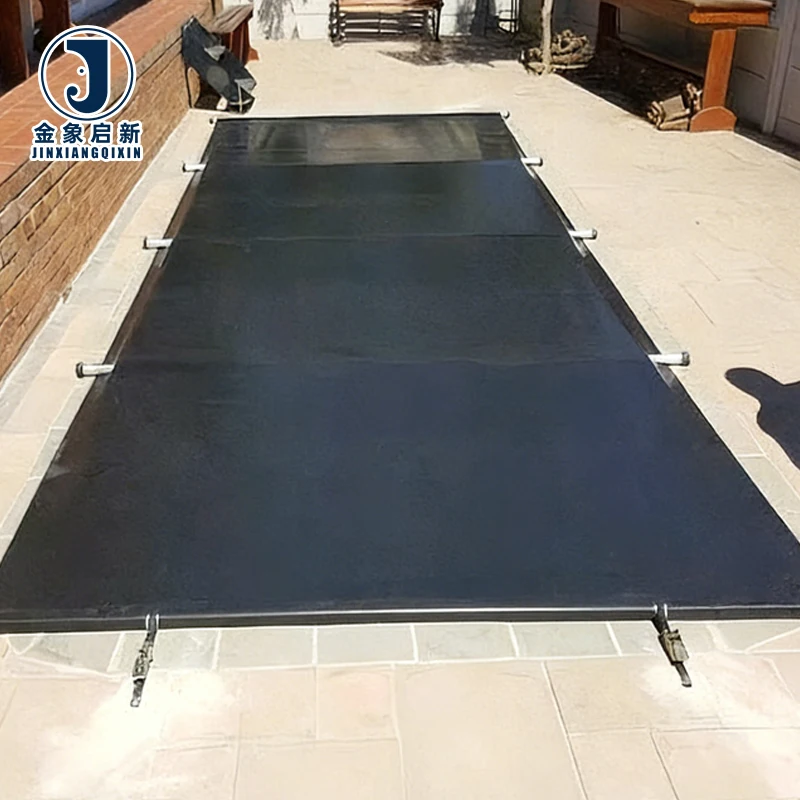
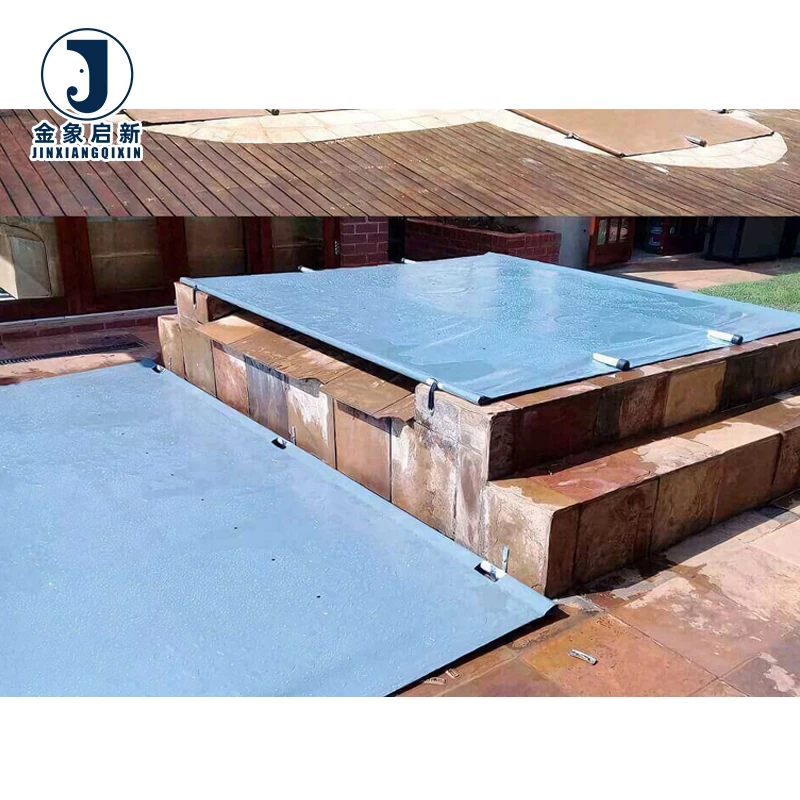
| Swimming pool covers | Continuous UV and water exposure, debris load, tension from ratchet or anchor systems |
| Fish tank and aquaculture pond liners | Permanent water contact, chemical stability, puncture resistance from substrate |
| Tent and awning fabric | Wind load, repeated folding and unfolding, UV degradation over seasons |
| Truck and cargo awning covers | Road abrasion, flexing at tie-down points, weather and chemical splash exposure |
Why Batch Consistency Matters More Than Quoted GSM
Matching dye lots and verified coating weight across every roll prevents rework that no quotation discount can cover.
When a tarpaulin distributor orders multiple rolls of PVC Coated Tarpaulin Roll for pool cover fabrication, a shade difference between roll three and roll seven becomes visible the moment panels are heat-welded side by side. The buyer faces a choice: reject the batch and delay the project, or ship covers with visible panel mismatch and absorb the complaints. Coating weight shortfalls compound the problem — lighter material stretches differently under tension, creating uneven stress at welded seams that fail earlier than expected [NEED_CITE: tensile and tear test methods for coated fabrics per ISO 1421]. These inconsistencies do not show up on the quotation sheet, only on the cutting table.
Roll Widths and Cutting Layout Efficiency
The two standard roll configurations — 2m × 75m and 2.1m × 50m — serve different cutting strategies for PVC Coated Tarpaulin Roll buyers. A fabricator producing rectangular pool covers in common widths can nest panels more tightly on a 2.1m roll, reducing offcut waste per container load. Distributors stocking standard grades for resale to awning makers and tent builders benefit from the longer 75m rolls, which reduce the number of splice joints during continuous production runs. Selecting the right roll dimension at the inquiry stage directly affects your yield per square meter and the total number of rolls required to fill a 20-foot container.
Coating Adhesion and Heat-Weld Performance
Laminated and hot-melt coating technology bonds the PVC layer to the high-strength polyester mesh fabric under controlled heat and pressure. This process determines how cleanly the material cuts, how consistently the weld bead forms along a seam, and whether the joint holds when a tensioned pool cover flexes under wind load. Strong PVC-to-fabric adhesion means the welded seam fails at the fabric itself rather than peeling apart at the coating interface — a distinction that matters when a pool cover spans several meters and carries water pooling on its surface [NEED_CITE: peel strength test standards for laminated PVC fabrics]. The hot-melt process also contributes to cold crack resistance, keeping the material flexible during winter installs and cold-chain transit.
Reading GSM and Thickness as a System
Grams per square meter and total thickness should be evaluated together, not in isolation. A 550gsm roll at 0.45mm thickness indicates a particular balance between base fabric density and coating weight, while a 750gsm roll at 0.65mm reflects a heavier yarn structure and thicker coating build-up. The base fabric denier and weave density contribute more to tensile and tear strength than the PVC coating alone, which primarily provides waterproofing and surface protection. For pool covers that span wide openings under tension, the higher GSM grades with corresponding polyester mesh density offer greater resistance to tear propagation if the fabric is punctured during installation or by falling debris. Lower grades in the 350gsm to 420gsm range suit lighter-duty pond liners and temporary covers where extreme tension loads are not expected.
The Hidden Cost of Roll-to-Roll Color Variation
A batch of PVC Coated Tarpaulin Roll with inconsistent color across rolls forces fabricators into a costly sorting exercise before cutting begins. When panels from different rolls are welded into a single pool cover, the shade boundary becomes a permanent visual defect that the end user sees every day. This issue traces back to dye lot management and coating formulation control during production. Orders requiring multiple rolls of the same color must originate from a single matched dye lot to ensure that the pigment concentration and coating thickness remain uniform from the first roll to the last. Confirming batch consistency before dispatch avoids the situation where half the rolls must be set aside and a replacement shipment ordered [NEED_CITE: color fastness and batch consistency standards for coated textiles].
Production Control That Shows in the Roll
Three full production lines with dedicated coating stations allow parallel processing of different GSM grades and colors, reducing cross-contamination risk between batches. The ten-person R&D team develops custom color samples and verifies adhesion parameters before a production run begins, rather than adjusting settings mid-batch. Each roll passes through QA checkpoints where coating weight is measured against the quoted GSM, and any roll falling outside tolerance is pulled before packing. Pre-shipment inspection covers the full order, not just a sample roll, so the packing list reflects verified weights and dimensions for every unit loaded into the container.
Documentation & Verification
- Material specification sheet stating exact GSM, base fabric construction, and coating type per roll
- Coating weight verification record measured per roll before dispatch
- Roll packing list with individual roll count, net weight, and gross weight for container planning
- UV and flame retardant test reports supplied when specific grades are requested and confirmed
- ISO and CE certificates included with customs-ready export documentation
- Color batch reference linking all rolls in the same order to a single dye lot
Fabrication, Handling & Storage
- Heat-weld temperature and dwell time must be calibrated to the specific GSM and thickness grade ordered
- Reinforce high-stress points at tie-down locations with additional PVC patches before final welding
- Store rolls upright on pallets to prevent flat-spot creasing that transfers into finished pool covers
- Unroll in moderate temperatures — cold-stiffened material risks cracking at the fold during handling
- Use mild detergent for cleaning; avoid solvents that degrade the PVC coating surface
- Plan cutting layouts around the 2m or 2.1m roll width to minimize panel splices on large pool covers
Before You Send the Inquiry
Specify your target GSM range, required roll width, and the application environment — whether the PVC Coated Tarpaulin Roll will serve as a tensioned pool cover, a pond liner, or awning fabric. If your market requires flame retardant or anti-static certification, state the specific standard your end users demand so the correct treatment grade is confirmed before sampling. Confirm whether you need roll stock only or cut-to-size finished panels, and provide your annual volume estimate to align production scheduling.
Frequently Asked Questions
Q: What roll widths and lengths are stocked versus custom-ordered?
A: Standard stock rolls are available in 2m × 75m and 2.1m × 50m configurations across multiple GSM grades from 350gsm to 750gsm. Custom widths and lengths can be produced based on your cutting layout requirements, subject to minimum order quantities that vary by color and treatment specification. Provide your target dimensions at inquiry stage for lead time confirmation.
Q: How do you control color consistency across rolls in the same order?
A: All rolls within a single order are produced from the same matched dye lot, with pigment concentration verified during the coating process. Pre-shipment inspection includes visual color comparison across multiple rolls to confirm uniformity before packing. If your project requires matching an existing cover color, a sample approval step is built into the production workflow.
Q: How should rolls be loaded into a container to avoid damage?
A: Rolls are packed upright on pallets with protective end caps to prevent creasing and edge damage during transit. The packing list details roll count, net and gross weight per pallet, and recommended loading sequence for 20-foot or 40-foot containers. Proper loading orientation ensures the PVC coating surface remains undamaged and ready for immediate fabrication upon arrival.
Q: What is the MOQ for custom color or custom roll width?
A: Minimum order quantities for custom colors depend on the coating formulation and dye batch size required for consistent production. Custom roll widths also carry minimums based on production line setup and the total linear meters needed for an efficient run. Share your color reference and width requirement at inquiry stage so the exact MOQ and lead time can be quoted.
Q: How is GSM verified before shipment and how can I recheck on arrival?
A: Coating weight is measured per roll during the pre-shipment inspection, and the verification record is included with the dispatch documentation. On arrival, you can recheck GSM by cutting a known-area sample from any roll, weighing it on a calibrated scale, and comparing the result against the stated specification. This process confirms that the material received matches the material quoted.