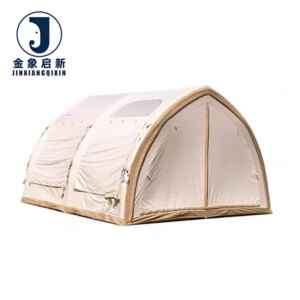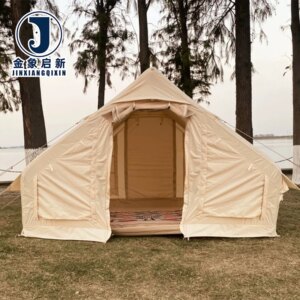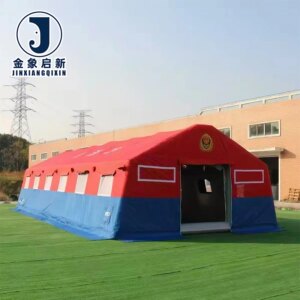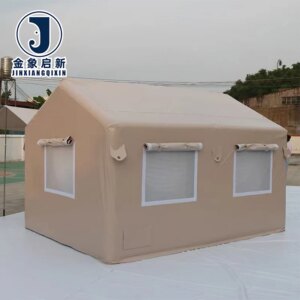
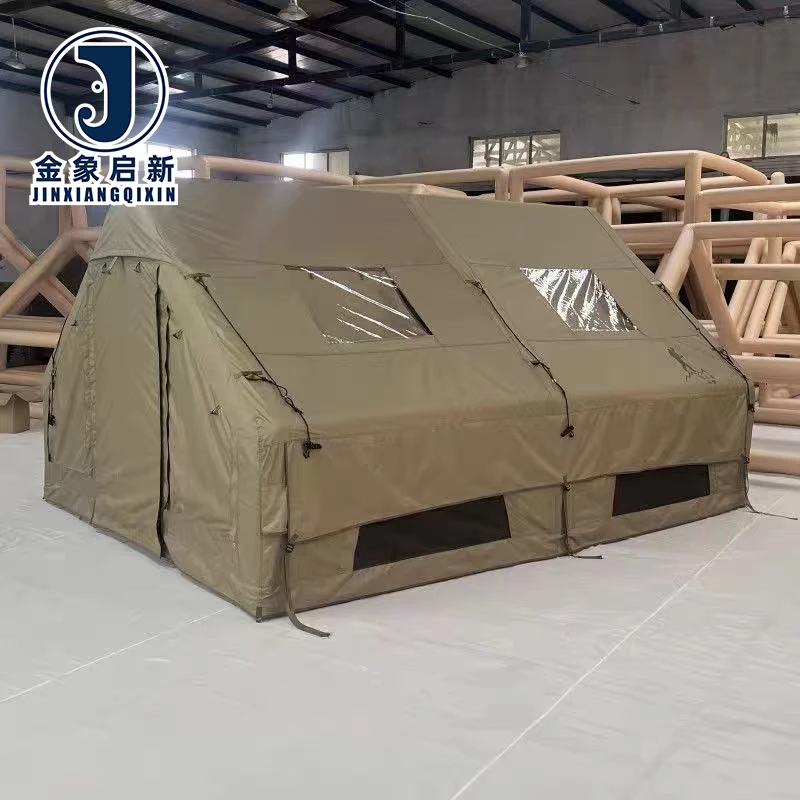
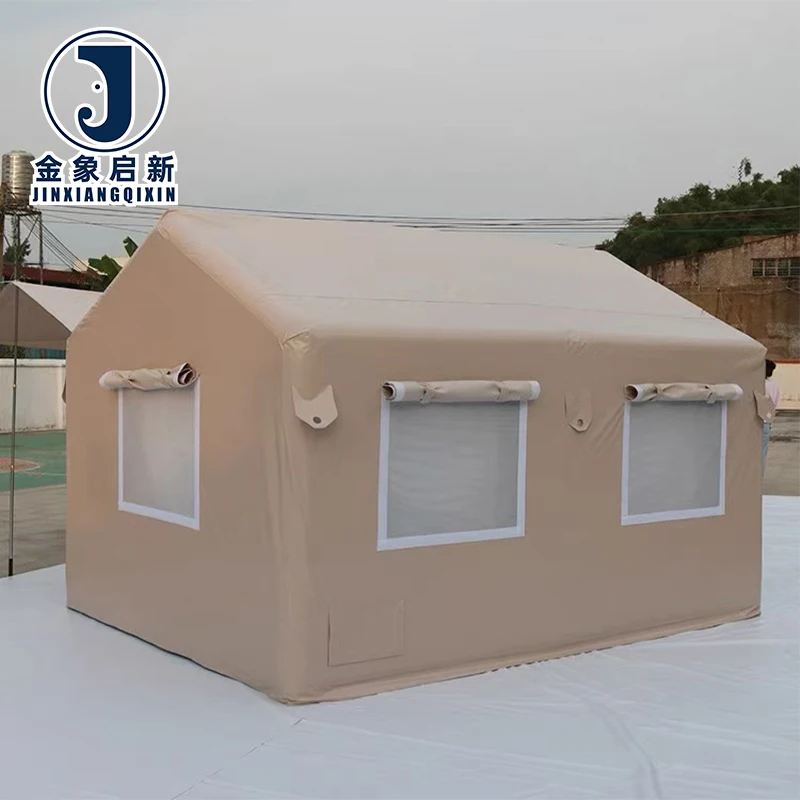
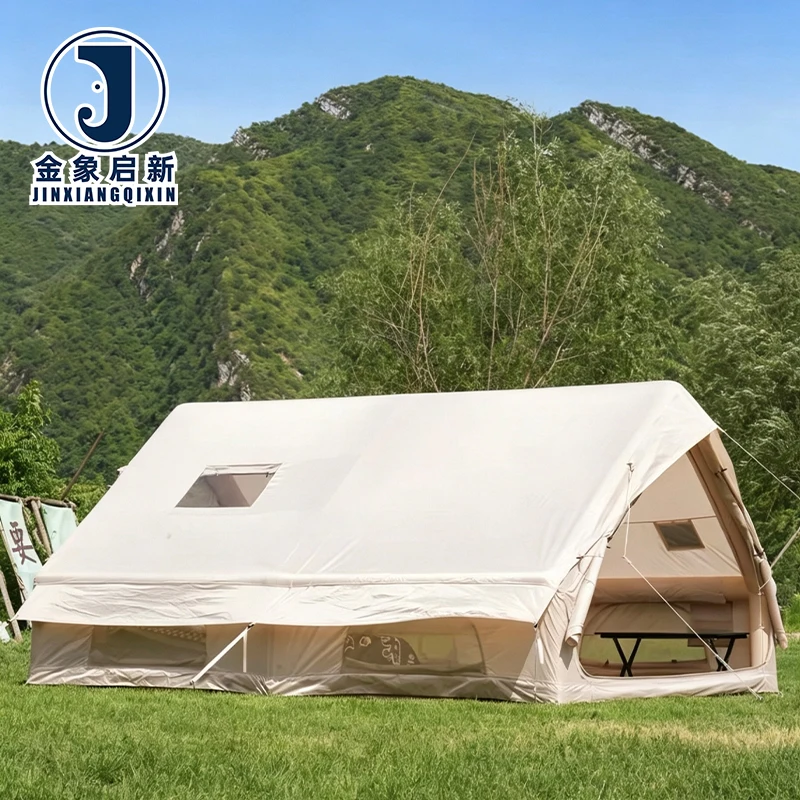
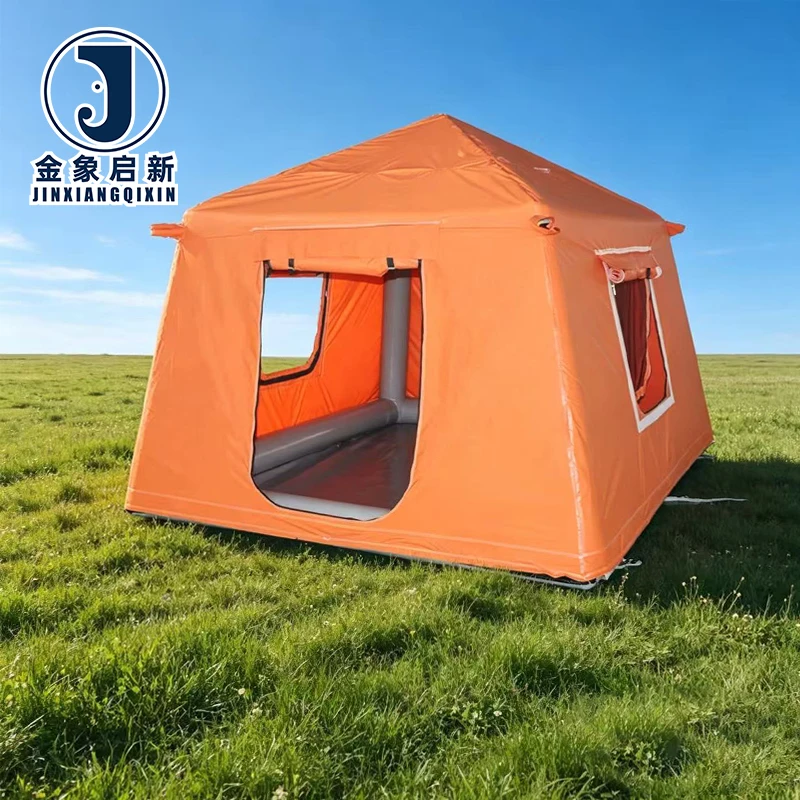

Description
Process Control on Coating Weight — Dedicated QA staff inspect PVC tarpaulin coating adhesion at each production stage, with pre-shipment inspection records available for every roll batch.
Technical Specifications
| Parameter | Value |
|---|---|
| Product Type | Inflatable Tent Fabric |
| Core Material | PVC tarpaulin |
| Key Performance | Waterproof, UV-resistant (test basis not stated) |
| Product Form | Roll stock for inflatable tent manufacturing |
| Customization | OEM & ODM, sample customization, pattern printing |
| Quality Standards | ISO 9001, ISO 14001, ISO 45001, CE |
| Quality Control | Full-process inspection with dedicated QA/QC staff |
| Flame Retardancy | Available in flame retardant grades — confirm the grade required for your market |
Application Suitability
| Application | Exposure & Requirement |
|---|---|
| Inflatable camping tent production | Prolonged outdoor UV exposure, waterproof integrity at seams, repeated inflation cycles |
| Commercial outdoor shelter fabric | Weather cycling, structural load from inflation pressure, surface cleanability |
| Temporary storage facility covers | Moisture ingress prevention, wind load stress, abrasion from stored goods |
| Mobile workshop enclosures | Frequent deployment and packing, UV degradation, tear resistance at anchor points |
Why Roll-to-Roll Colour Consistency Matters More Than Quoted GSM for Inflatable Tent Fabric
Colour shift between rolls in the same batch forces tent manufacturers into costly panel sorting or visible mismatches on finished products.
When a tent factory cuts panels from three different rolls and the shade variation becomes obvious once the tent is inflated and displayed in sunlight, the entire batch faces rejection or rework. This problem surfaces repeatedly in Inflatable Tent Fabric wholesale purchasing, where buyers compare the quotation GSM against the roll label but overlook the dye lot traceability [NEED_CITE: colour consistency measurement methods for coated textile batches per ISO 105 series]. The human eye detects shade differences more readily than weight discrepancies, and end customers judge quality visually before any lab test is conducted.
Batch-Controlled Coating Runs for Uniform Tarpaulin Output
Maintaining shade consistency across multiple rolls requires that coating runs use matched pigment batches and controlled oven temperatures throughout the entire production cycle. Our Inflatable Tent Fabric wholesale supply assigns batch codes to each coating run, so rolls from the same order share identical dye lots and curing profiles.
How Production Line Setup Prevents Shade Drift
Shade drift often occurs when pigment dispersion varies between mixing batches or when line speed fluctuates during coating. The three full production lines allow us to dedicate a single line to an entire order, running continuously without interruption that could introduce temperature or speed variance mid-batch [NEED_CITE: effect of coating line speed variation on colour uniformity in PVC tarpaulin]. This dedicated-run approach is critical when tent manufacturers order container volumes and expect every roll to match the approved sample.
Understanding GSM, Base Fabric, and Coating Weight Together
GSM alone tells only part of the story for PVC tarpaulin used in inflatable structures. The base fabric denier and weave density determine tear propagation resistance, while the PVC coating weight governs waterproofing and surface durability. A lighter base fabric with heavy coating may show acceptable GSM but poor tear performance under inflation stress. Conversely, a dense base with thin coating risks pinhole leaks at flex points. Both parameters must be evaluated together against the inflation pressure and deployment frequency your tent design requires.
The Hidden Cost of Inconsistent Roll Stock in Tent Assembly
When roll-to-roll GSM varies within the same shipment, welding parameters that work on one roll may underperform on the next, causing seam failures during inflation testing. This inconsistency forces production line stoppages as operators recalibrate heat settings between rolls [NEED_CITE: high-frequency welding parameter sensitivity to coating thickness variation in PVC fabrics]. For inflatable tent manufacturers running high-volume assembly, these stoppages accumulate into substantial lost capacity over a production season.
Why Sourcing Inflatable Tent Fabric Through This Facility Works
Direct engagement with the 10-person R&D team means your sample approval process addresses width, colour, GSM, and surface finish before mass production begins, not after. Full-process QA inspection at each stage catches coating weight deviation before the roll reaches packing. The 36 sets of processing equipment handle slitting and rewinding to your specified roll lengths without transferring production to external converters. Pre-shipment inspection records accompany every dispatch, giving you traceability from approved sample to delivered roll. Dedicated line assignment for large orders ensures batch consistency without mixing production runs.
Documentation & Verification
- Material specification sheet stating GSM, base fabric denier, coating weight, and colour reference code
- Roll packing list with batch-specific quality inspection report for full order traceability
- Pre-shipment inspection record documenting visual and weight checks per roll before container loading
- Test report for UV-resistant and flame retardant grades where applicable to your market requirements
- Certificate of origin and customs documentation for cross-border shipment clearance
Fabrication, Handling & Storage
- High-frequency welding parameters must be adjusted to PVC coating thickness — verify settings on sample before production runs
- Store PVC tarpaulin rolls vertically on pallets to prevent flat-spot deformation that affects feeding through automated cutters
- Allow cold-weather rolls to acclimatize before unrolling to avoid coating crack at low temperatures
- Use slitting equipment calibrated to the specific roll width to maintain clean edges for welding preparation
- Clean printed surfaces with mild detergent only to protect pattern printing adhesion on custom-branded tent panels
Requesting a Quotation for Your Tent Production Line
Provide your target GSM range, required roll widths, annual volume estimate, and any pattern printing specifications so we can match production line capability to your order profile. If your market mandates specific flame retardant grades, include the standard reference so we confirm compliance before sampling. State whether you need finished cut panels or roll stock only, as this determines the processing route and lead time.
Frequently Asked Questions
Q: What width and roll length options work best for inflatable tent fabric cutting?
A: Standard widths accommodate most tent panel patterns, and custom widths are available for specific cutting layouts. Roll lengths are set to your order to minimize splice joints during automated feeding. Confirm your cutting table dimensions and panel nesting plan so we recommend the roll format that maximizes material yield and reduces waste per tent unit.
Q: How is colour consistency maintained across multiple roll orders throughout the year?
A: Each coating run receives a batch code linked to the pigment lot and curing profile used. Repeat orders reference your original sample approval record to match dye formulation. We recommend placing seasonal volume in a single order where possible, as this ensures all rolls come from one continuous production run with identical processing conditions.
Q: How should GSM be verified when rolls arrive at our factory?
A: Cut test samples from multiple rolls per batch and weigh them using calibrated scales against the stated specification on the material sheet. Our pre-shipment inspection records include per-roll weight checks. If discrepancies appear, the batch code on the roll label allows us to trace back to the production run and coating parameters for investigation.
Q: What is the minimum order for custom width and colour in bulk wholesale supply?
A: Minimum quantities depend on the specific width and colour combination requested, as dedicated line runs require a baseline volume to maintain coating consistency. Provide your target specifications and annual forecast so we can confirm the minimum that aligns with a full production run and ensures the batch uniformity your cutting line requires.
Q: How are rolls packed for container loading to prevent transit damage?
A: Each roll is wrapped and packed vertically on pallets to prevent crushing and edge damage during ocean freight. The roll packing list details batch codes, dimensions, and weights for container planning. We optimize container loading by roll count and weight distribution to maximize utilization while protecting PVC coating surfaces from compression marks.