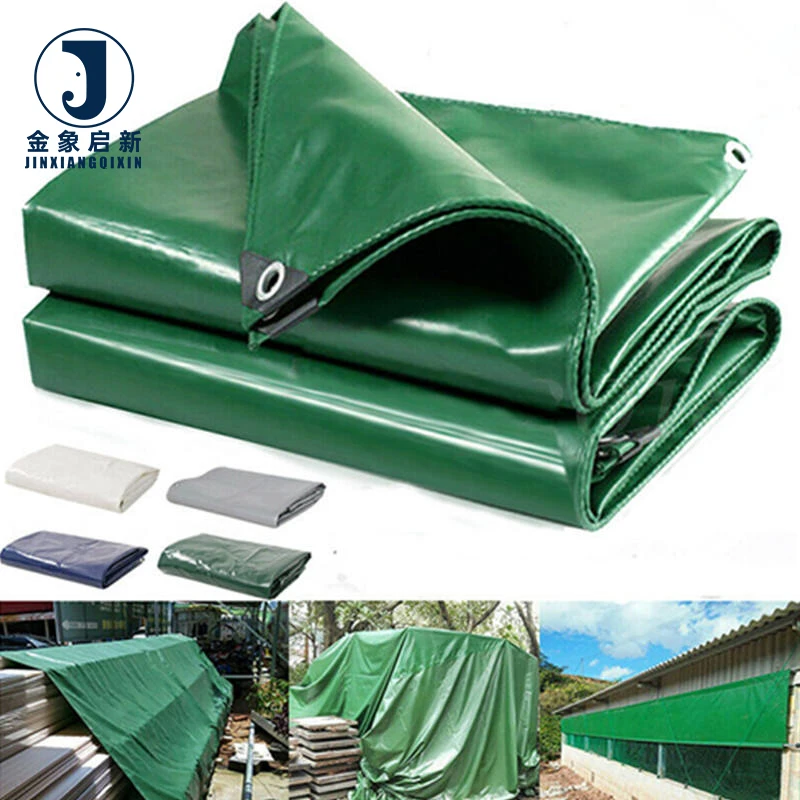
Description
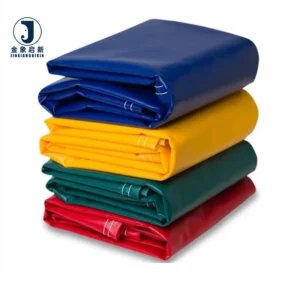
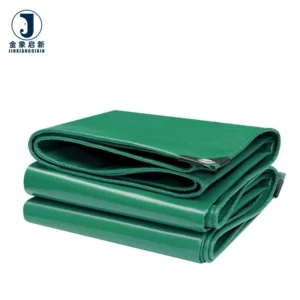
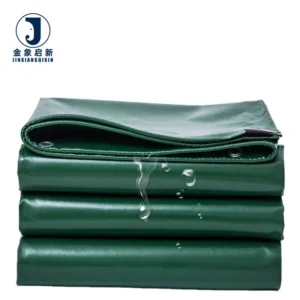
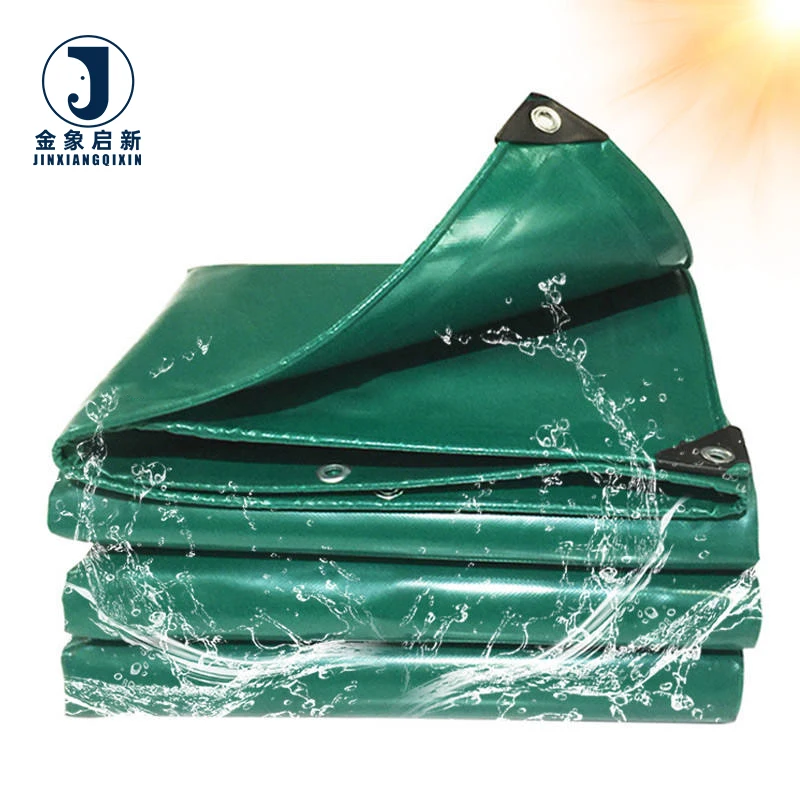
Roll-Stock Consistency — PVC coated tarpaulin roll supplied with verified GSM per roll and documented batch-to-batch colour control, built for container-load planning and regional re-distribution.
Technical Specifications
| Parameter | Value |
|---|---|
| Product Type | PVC Coated Tarpaulin Roll |
| Weight Range | 350gsm – 900gsm (confirm grade for your application) |
| Thickness Range | 0.29mm – 0.65mm |
| Base Fabric Yarn | 500D×840D / 500D×1000D / 1000D×1000D / 1000D×1300D / 1300D×1300D / 1000D×2000D |
| Weave Density | 20×20 / 30×15 / 30×19 |
| Warp Tensile Strength | 1650 N – 3900 N |
| Weft Tensile Strength | 1600 N – 3500 N |
| Coating | Double-sided PVC on polyester base |
| Treatment Options | High frequency hot melt, hot air welding, sewing |
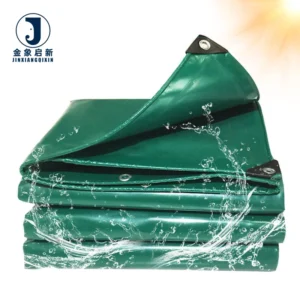
| Key Features | Waterproof, fire retardant (grade not stated), anti-UV (test basis not stated), heavy metal free, anti-mildew, flexible, self-clean |
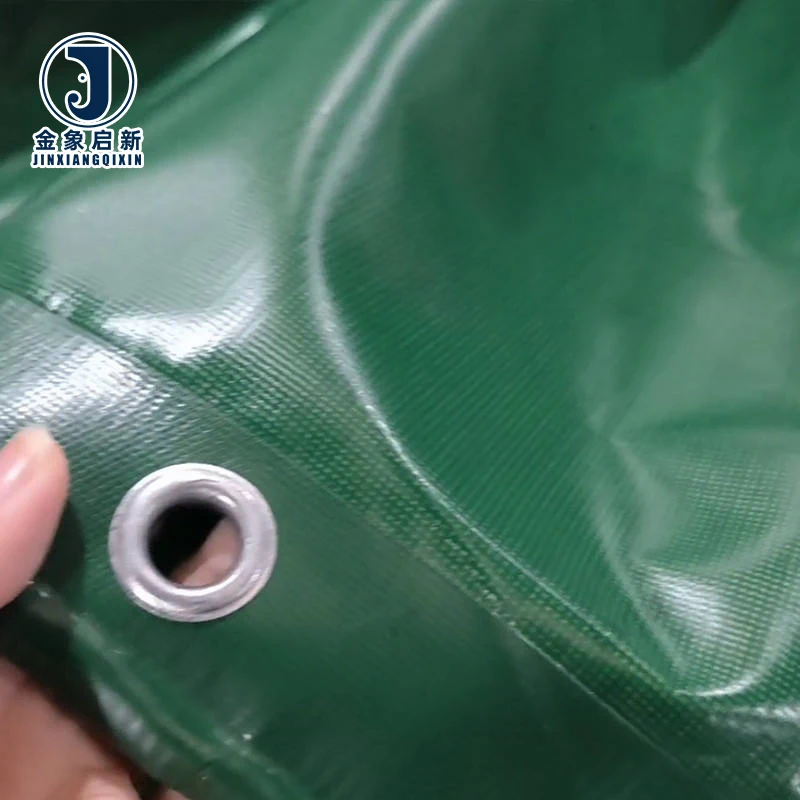
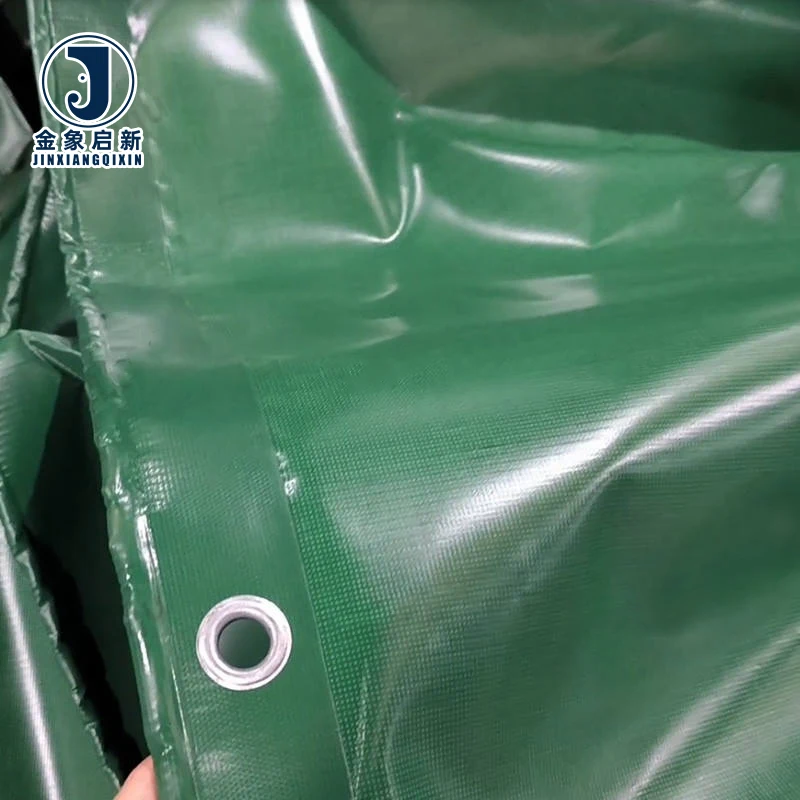
| Surface Finish | Smooth, leather-like texture |
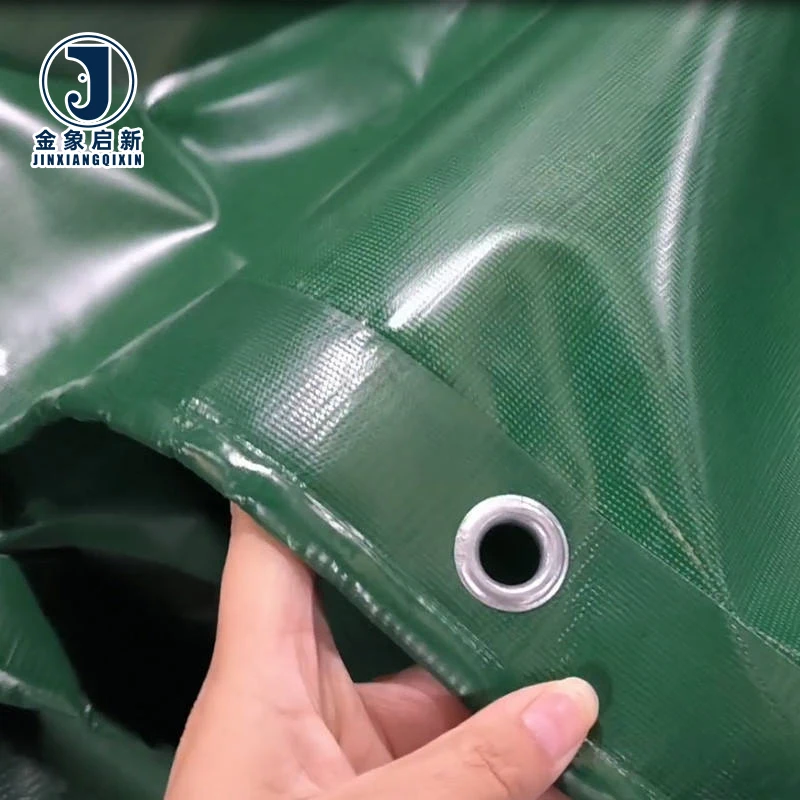
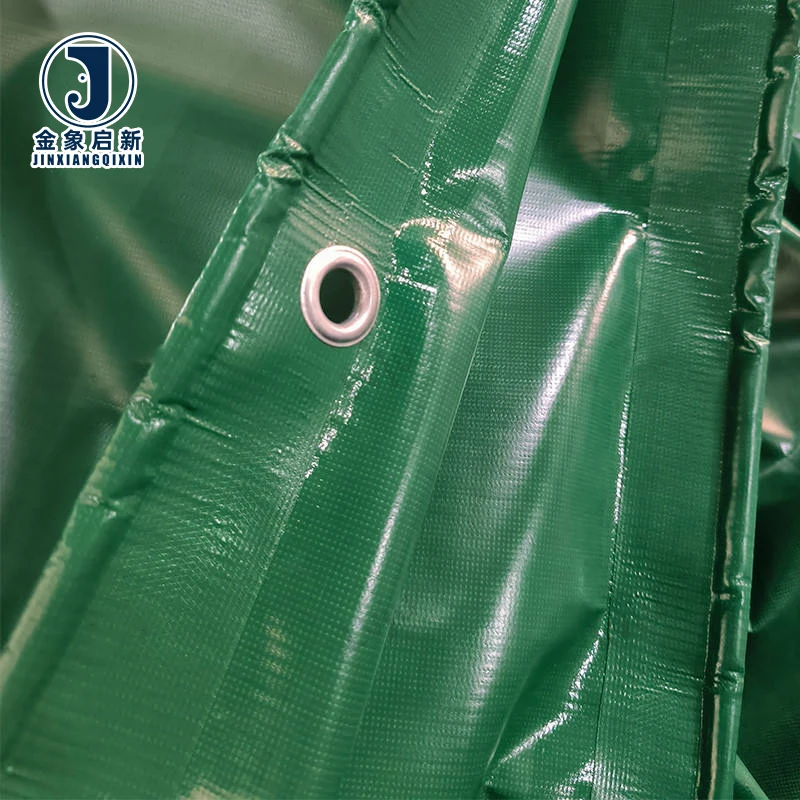
| Edge Reinforcement | Reinforced edges on all four sides |
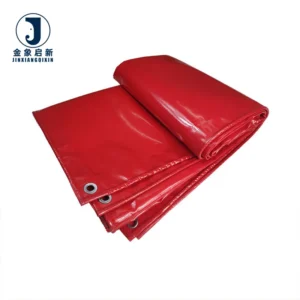
| Eyelets | Brass eyelets every 1 meter |
| PVC Density | 1.15 – 2.00 g/cm³ |
| Tensile Strength (material) | 50 – 80 MPa |
| Brittle Temperature | ≤ -50 to -60 °C |
| Softening Temperature | ≥ 80 °C |
| Melting Point | 212 °C |
| Certifications | ISO, CE |
Application Suitability
| Application | Exposure & Requirement |
|---|---|
| Tarpaulin distribution and re-sale | Consistent GSM and colour across rolls, container-load volume, reliable documentation for customs |
| Truck side curtain and trailer cover fabrication | Repeated flexing, road debris abrasion, weather exposure, weld seam integrity under load movement |
| Outdoor event tent and awning manufacturing | UV exposure, rain ingress, blockout performance, roll-to-roll colour match for large canopy panels |
| Inflatable and membrane structure production | Air retention, seam weld strength, surface finish for print adhesion, crease recovery after folding |
| Pond liner and agricultural cover supply | Permanent water contact, soil chemistry, puncture resistance, bulk roll availability for long runs |
Why Quoted GSM and Delivered Weight Often Do Not Match
Verified roll-by-roll GSM at dispatch eliminates the gap between quotation and arrival.
A buyer specifies 650gsm, pays for 650gsm, and the container arrives with material that weighs noticeably less. This is not a rare occurrence in the PVC coated tarpaulin wholesale trade — it happens when production coating weight drifts outside tolerance and no one checks before loading. [NEED_CITE: GSM verification methods for coated fabric rolls per ISO 3801] The problem compounds: lighter fabric means lower tensile reserves, earlier failure at welded seams, and warranty claims that fall on the distributor, not the mill. A PVC coated tarpaulin roll shipped without individual roll weighing leaves the buyer absorbing that risk.
How Roll Weight Drives Your Container Plan
Every grade in this PVC coated tarpaulin range has a documented roll diameter and width, which means you can calculate container load by roll count before you place the order. A 350gsm roll occupies less cubic volume than a 900gsm roll of the same width, so a 40-foot container holds more linear meters of the lighter grade. Distributors ordering mixed-grade containers need this data upfront to avoid part-loading or overbooking space. We publish roll dimensions alongside the GSM tier so your logistics team can plan without waiting for a packing list after production.
Batch Colour Consistency Across a Multi-Roll Order
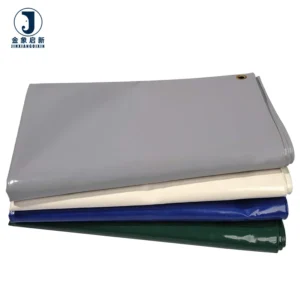
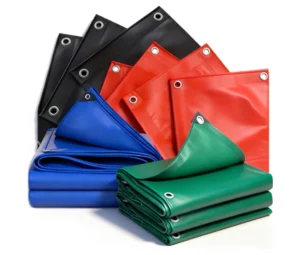
Colour drift between rolls in the same shipment is a common reason for rejection at the fabricator’s workshop. When two rolls of PVC coated tarpaulin are installed side by side on a tent canopy or truck curtain, even a slight hue shift becomes visible. Our production process controls pigment dosing at the coating stage and references a single colour standard for every roll within one order. [NEED_CITE: colour fastness test standards for PVC coated textiles] This means the fabricator cutting and welding twenty rolls into finished products sees uniform colour from the first panel to the last.
Reading the Spec Sheet Beyond GSM
A 650gsm roll made from 1000D×1300D yarn at 20×20 density behaves differently from a 650gsm roll made from 500D×840D at 30×19, even though the weight is identical. The heavier denier with lower thread count produces higher individual yarn strength but fewer interlacing points, affecting tear propagation resistance. The finer denier with denser weave distributes load across more yarns, improving puncture resistance at the cost of slightly lower single-yarn tensile. Double-sided PVC coating adds adhesion surface area, and the coating method — hot melt versus hot air — determines peel strength at the weld line. Selecting the right combination depends on whether the end use demands flex endurance, puncture resistance, or weld seam strength. Understanding these relationships prevents ordering a PVC coated tarpaulin roll that meets the weight spec but fails in the field.
What Happens When the Wrong Grade Ships
Fabricators who receive a lighter grade than specified often discover the problem only when the heat welder is set for the expected thickness. The weld temperature and dwell time calibrated for 0.46mm will over-penetrate a 0.38mm fabric, weakening the base yarn at the seam. [NEED_CITE: weld parameter sensitivity for PVC coated polyester fabrics] The seam then fails under load before the body fabric reaches its rated tensile limit. For distributors, this means returns, replacement shipments, and damaged relationships with downstream customers who trusted the grade on the label.
Why Distributors Source Rolls Here
Three full production lines and 36 sets of professional equipment support bulk roll output without sacrificing the per-roll GSM check that protects your inventory quality. A 10-person R&D team develops custom widths and colours with samples turned around in days, not weeks, so you can confirm before committing a container. Every roll undergoes 100% inspection before dispatch — not a statistical sample, but individual roll weighing and visual review. Deep process control over coating weight and adhesion, built across nearly 30 years of focused coated fabric production, means the roll you sample is the roll that ships in volume.
Documentation & Verification
- Material specification sheet stating GSM, base fabric denier, and coating weight for each roll
- Pre-shipment inspection record with roll-by-roll GSM verification before container loading
- Roll packing list detailing roll count, net weight, and dimensions for customs clearance
- Test reports for UV resistance and flame retardant grades where applicable to the selected spec
- Certificate of origin and export documentation included with every container shipment
Fabrication, Handling & Storage
- Set heat welder temperature and dwell time to match the specific GSM and thickness of your roll grade
- Space brass eyelets at intervals suited to the tensile strength of your selected denier and weave density
- Store rolls upright on pallets to prevent flat spots that distort the PVC coating surface
- Allow cold-stored rolls to acclimate before unrolling to avoid cracking at the brittle temperature threshold
- Use mild detergent and soft cloth for cleaning; abrasive pads will damage the self-clean surface finish
- Plan cut patterns to maximise yield from the roll width and minimise off-cut waste on large panel runs
What to Include in Your Enquiry
Tell us the end-use application, the target GSM or thickness, and the roll width you need for your cutting table or welding jig. If your market requires specific fire classification or UV performance, state the standard so we can confirm the treatment grade available. Include your estimated annual roll volume and preferred container loading schedule so we can quote with realistic lead times and batch planning.
Frequently Asked Questions
Q: What GSM grades and widths are available for container-load orders?
A: The range covers grades from 350gsm to 900gsm across multiple yarn and weave configurations. Roll widths are available up to 2.1m, with custom widths possible subject to minimum order. Confirm the specific grade, width, and container quantity with our team so we can provide a packing plan and lead time for your shipment schedule.
Q: How is colour consistency maintained across multiple rolls in one order?
A: Pigment dosing is controlled at the coating stage against a single colour reference for the entire order. Every roll is visually inspected during the pre-shipment check. This ensures that fabricators installing panels from different rolls within the same shipment see uniform colour across the finished product without visible banding or hue shift.
Q: Can I receive a test report for UV or flame retardant treatment?
A: Test reports are provided for UV resistance and flame retardant grades where the selected specification includes those treatments. Specify the standard required for your market — such as a particular fire classification or UV exposure test — so we can confirm whether the available grade meets your compliance needs and include the report with your shipment documentation.
Q: What is the minimum order for custom width or colour rolls?
A: Custom widths and colours are available with minimums that depend on the grade and coating setup. Samples are developed within days so you can approve colour and hand feel before full production. Contact us with your target specification, annual volume, and preferred delivery schedule to receive a quotation with minimum quantity and lead time.
Q: What documentation is included with each container shipment?
A: Every shipment includes a material specification sheet, pre-shipment inspection record, roll packing list with count and weight, certificate of origin, and customs documentation. Where the specification includes UV or flame retardant treatment, the corresponding test report is also provided. This full document set supports smooth customs clearance and gives your downstream customers the verification they need.