Description
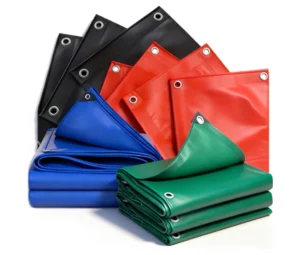
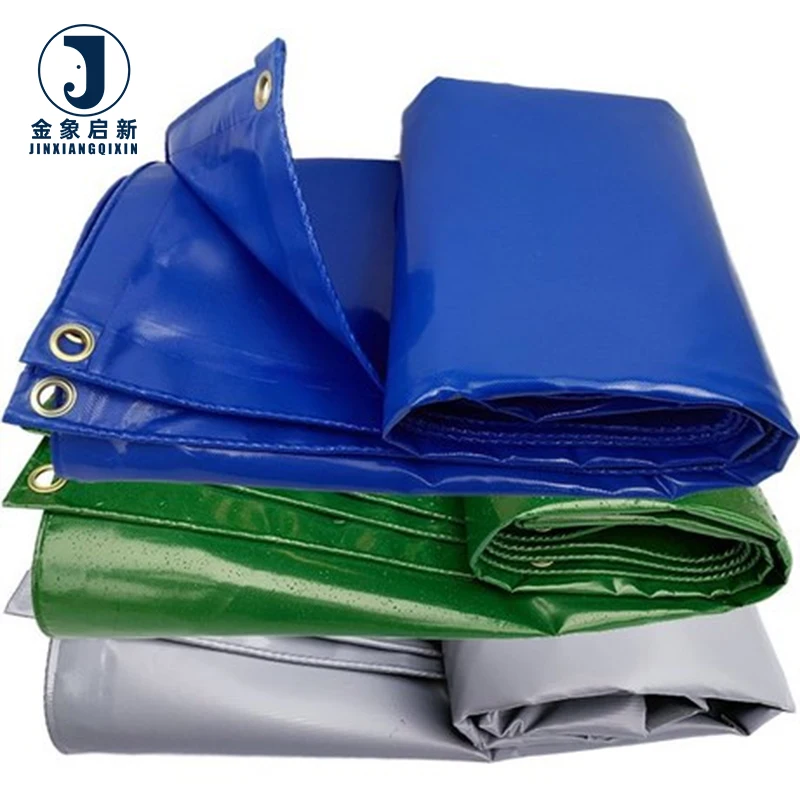
Bulk roll consistency — Every PVC Coated Tarpaulin roll ships with a verified GSM record and batch colour reference, eliminating the weight and shade surprises that disrupt downstream fabrication and resale.
Technical Specifications
| Parameter | Value |
|---|---|
| Product Type | PVC Coated Tarpaulin |
| Base Fabric Yarn Count | 500D-500D |
| Coating Material | PVC & Polyester |
| Thickness Measurement | 450-900 g/m² |
| Surface Characteristics | Smooth and soft surface with a leather-like texture |
| Abrasion Resistance | Very strong |
| UV Resistance and Aging Resistance | Excellent, with longer service life |
| Flame Retardancy | Flame-retardant type customizable |
| Service Life | 3-5 years |
| Repairability | Repairable by hot air welding |
| Key Features | Water Resistant, Flame Retardant, Waterproof, Anti-UV |
Application Suitability
| Application | Exposure & Requirement |
|---|---|
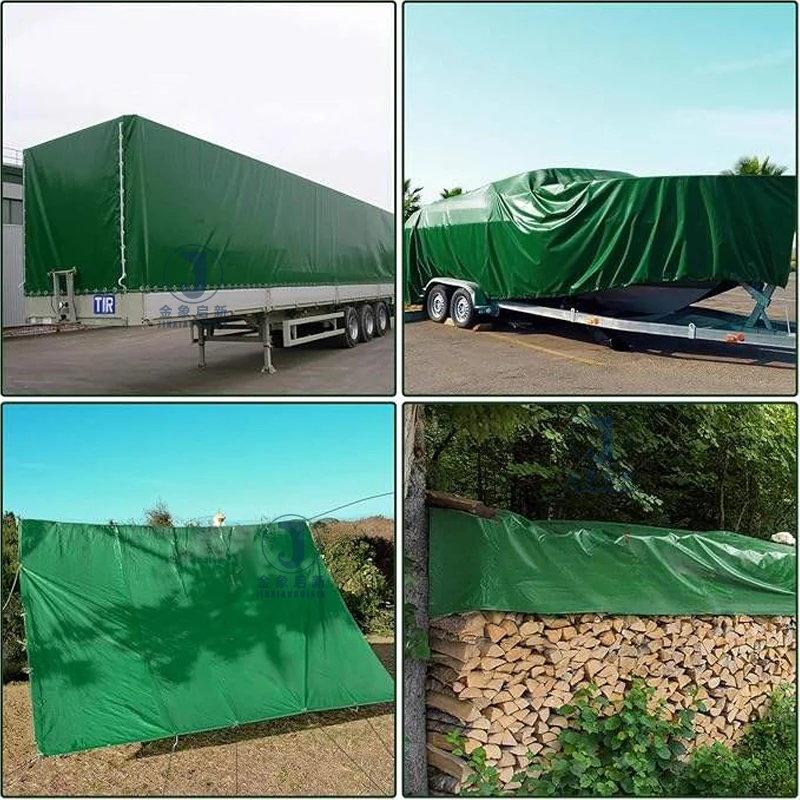
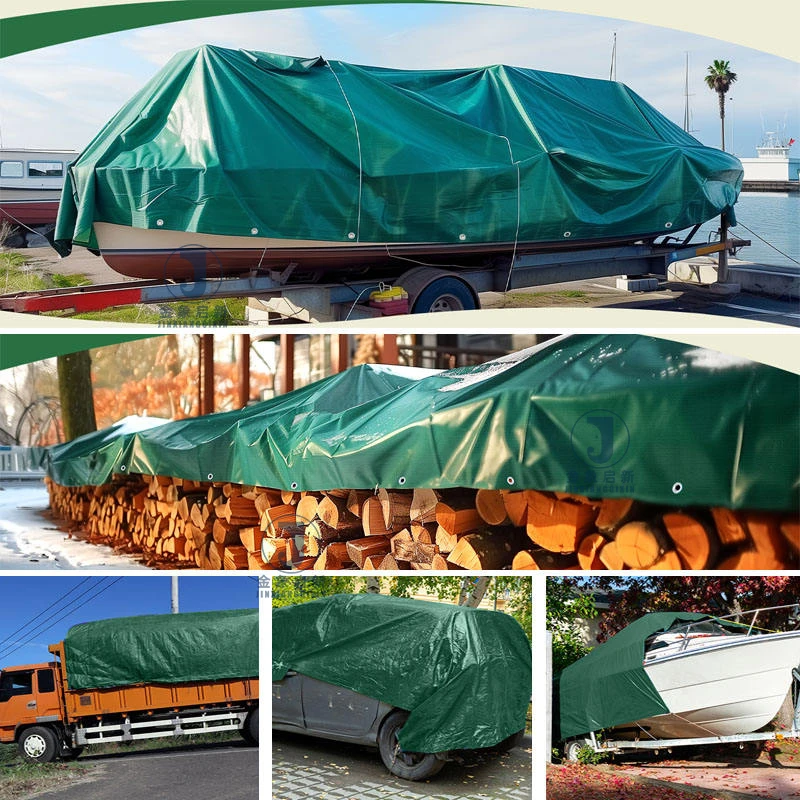
| Truck and trailer side curtains | Constant flexing at load points, road debris abrasion, sustained UV exposure, wind-driven rain ingress |
| Tent and awning fabrication | Tension loads at frame contact points, seasonal weather cycling, weld seam integrity for panel joining |
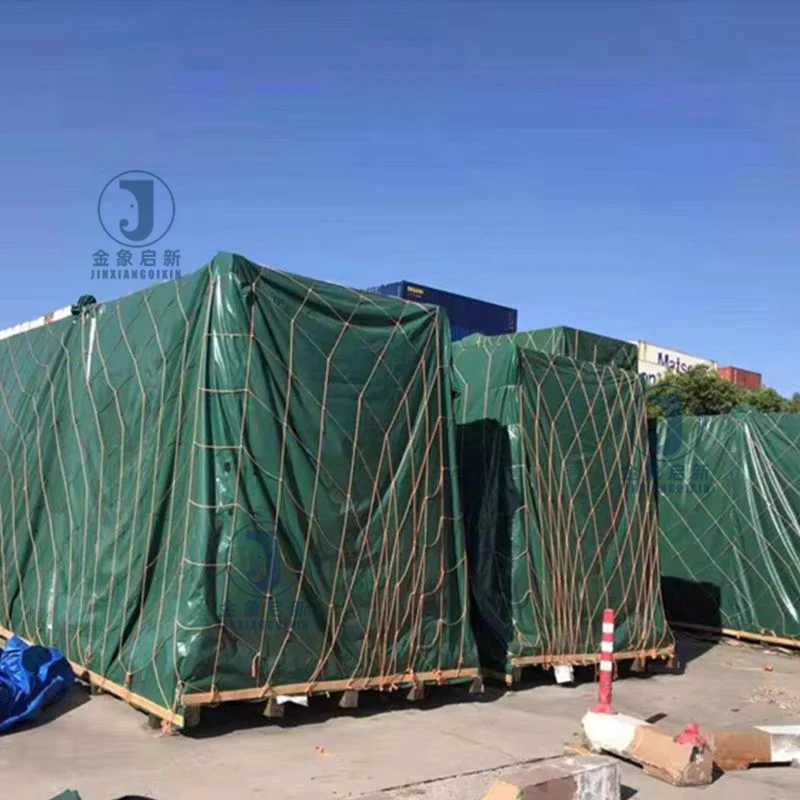
| Machine and equipment covers | Outdoor storage exposure, dust and moisture ingress prevention, repeated draping and removal abrasion |
| Wood and construction stock covers | Prolonged ground contact moisture, UV degradation risk, puncture from sharp-edged materials |
| Inflatable and membrane structures | Air pressure containment, seam peel strength, dimensional stability under cyclic inflation loads |
Why GSM Consistency Matters More Than the Stated Weight
Roll-to-roll weight verification before dispatch is the only defence against paying for material you never received.
A distributor ordering a full container of PVC Coated Tarpaulin expects uniform GSM across every roll. When the material arrives lighter than quoted, the downstream consequences compound — fabricators report premature weld failures, distributors face customer claims, and the entire batch loses resale credibility [NEED_CITE: pre-shipment GSM verification methods for coated fabric rolls]. The loss is not just the missing grams per square metre; it is the reputational damage and the cost of replacing installed covers that did not meet the agreed specification.
Volume Supply Built Around Container-Load Economics
Buying PVC Coated Tarpaulin by the roll at container scale demands more than competitive pricing. It requires a production system that maintains coating weight, base fabric tension, and colour reference from the first roll to the last in a single batch run. Our three full production lines and thirty-six sets of professional equipment handle bulk output without sacrificing the batch-to-batch control that wholesale buyers depend on.
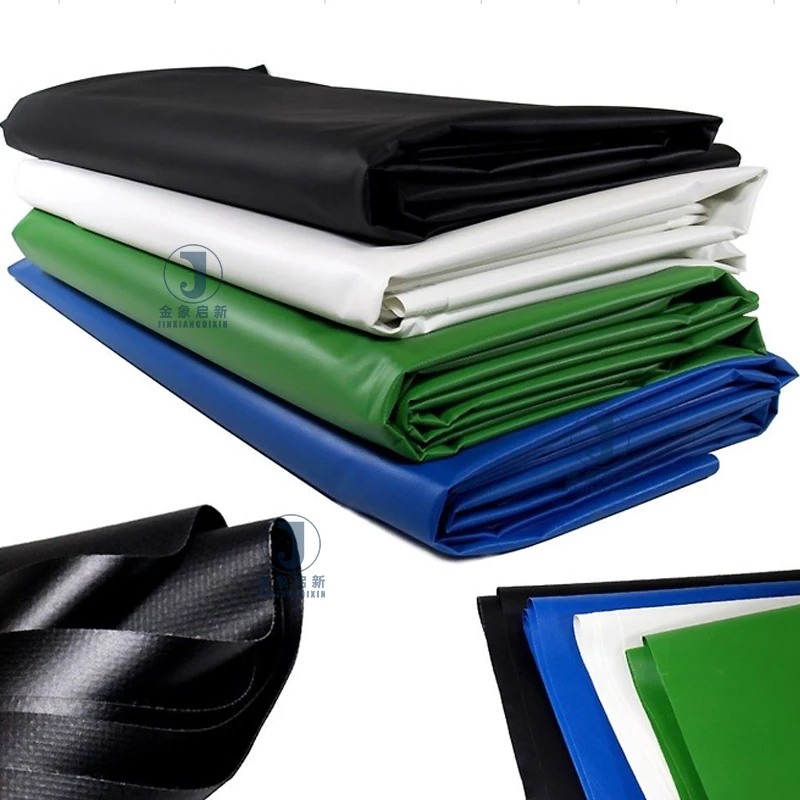
Colour Matching Across Rolls in a Single Shipment
When fabricators cut panels from consecutive rolls to assemble a single truck curtain or tent structure, any shade variation becomes immediately visible once installed side by side. Our colour matching protocol ties every production run to a specific reference standard, and the pre-shipment inspection confirms that all rolls within one container fall within the agreed tolerance window. This control matters most for buyers reselling pre-cut sizes or fabricating large-format covers where multiple rolls are joined [NEED_CITE: colour consistency standards for PVC coated textiles in bulk production].
Reading the Specifications Beyond the GSM Number
The 500D-500D polyester base fabric defines the tensile skeleton of the material. Denier alone does not determine strength — the weave density and the coating adhesion together govern how the fabric behaves under load. A tightly woven base with strong PVC penetration resists tear propagation far better than a loosely woven fabric of the same stated weight. The double-sided PVC coating process ensures the coating locks into the base yarn intersections, which directly supports hot air welding performance because the weld zone draws on coating material from both sides.
The 450-900 g/m² weight range covers multiple stock grades. Lighter grades suit temporary covers and short-run awning applications, while heavier grades serve permanent truck curtain side panels and construction site enclosures. The smooth leather-like surface finish supports clean hot air welding without excessive surface residue, and it accepts pattern printing and branding when required.
The Cost of Specifying Without Verification
Ordering flame-retardant PVC Coated Tarpaulin without confirming the test grade creates a compliance gap that surfaces only at the job site. A mining contractor receiving ventilation duct material without the fire classification documentation required by site safety regulations faces work stoppage until compliant material arrives. Similarly, a distributor whose container arrives with rolls that test below the quoted GSM absorbs the cost of customer returns and replacement freight [NEED_CITE: compliance documentation requirements for flame retardant coated fabrics]. These are not material defects — they are specification and verification failures that the right documentation prevents entirely.
What Supports the Supply Beyond the Production Line
Our dedicated QA/QC team inspects every roll before it leaves the facility, not a statistical sample from the batch. This one-hundred-percent inspection model catches weight drift, coating irregularities, and colour deviation at the point where correction is still possible.
Samples for custom width, colour, or print requirements are developed within days, allowing buyers to approve material before committing to full container production. The ten-person R&D team handles material selection and sample development, ensuring the specification matches the application before bulk production begins.
Thirty years of focused coated fabric production provides the process depth needed to control coating weight and adhesion consistently — a capability that shows up in the uniformity of every roll that ships.
Documentation & Verification
- Material specification sheet stating GSM, base fabric denier, and coating weight for each roll batch
- Pre-shipment inspection record confirming one-hundred-percent roll-by-roll QA check
- Roll packing list aligned with container loading plan by roll count and weight
- Certificate of origin and customs documentation for international shipment clearance
- Test report for UV and flame-retardant grades available where applicable to the quoted specification
Fabrication, Handling & Storage
- Hot air welding parameters should be adjusted to the specific GSM grade — heavier grades require higher temperature and slower travel speed for full coating fusion
- Store rolls horizontally on racking to prevent permanent creasing in the smooth leather-like surface finish
- Allow cold-stored rolls to reach ambient temperature before unrolling to avoid coating crack risk in the PVC layer
- Clean the surface with mild detergent only — aggressive solvents can degrade the PVC coating bond on the polyester base
- Plan cutting layouts to maximise yield from the standard roll width and minimise waste at selvedge edges
- Repair minor field damage using hot air welding with compatible PVC strip material matching the base grade
What to Include in Your Enquiry
Specify the GSM grade and width you require, along with the annual volume estimate so we can align production scheduling. Confirm whether flame-retardant or anti-UV treatment is needed and which test standard your market requires. Indicate whether you need standard roll packing, bale packing, or carton format for your container loading preference, and whether you require sample approval before full production.
Frequently Asked Questions
Q: What GSM grades and widths are available in stock versus made to order?
A: Standard GSM grades from 450 to 900 g/m² across the 500D-500D polyester base are available for regular supply. Custom GSM targets and non-standard widths are produced to order. Confirm your required specification and we will advise availability and lead time for your target container loading schedule.
Q: How is roll-to-roll colour and weight consistency guaranteed?
A: Every production run is tied to a specific colour reference and GSM target. Our QA team conducts one-hundred-percent inspection on each roll before dispatch, verifying weight and visual consistency. A pre-shipment inspection record ships with every container documenting the results per roll.
Q: What is the minimum order quantity for custom colour or printed branding?
A: MOQ depends on the specific colour and print complexity. Custom colours typically require a full production run minimum to ensure batch consistency. We develop samples within days for your approval before committing to bulk. Contact us with your target colour reference and volume for a specific quotation.
Q: Can you provide test reports for UV and flame-retardant performance?
A: Test documentation for UV resistance and flame-retardant grades is available for the specific treatment levels we supply. Confirm the test standard required by your market or application — such as the classification needed for your local building code — and we will provide the matching report with your shipment documentation.
Q: How is container loading calculated for roll stock orders?
A: Loading plans are calculated by roll diameter, weight, and packing format — roll packing, bale packing, or carton. We provide a detailed container loading plan showing roll count and total weight before production so you can confirm the layout maximises container utilisation for your shipment.