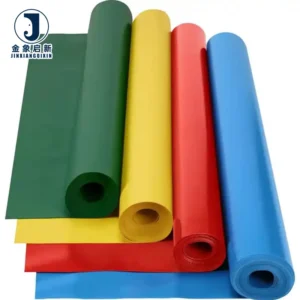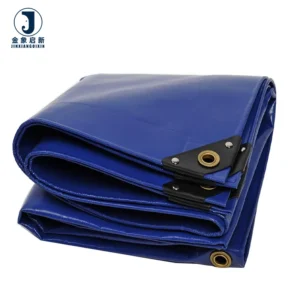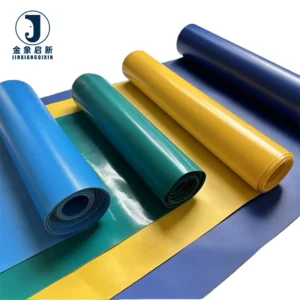
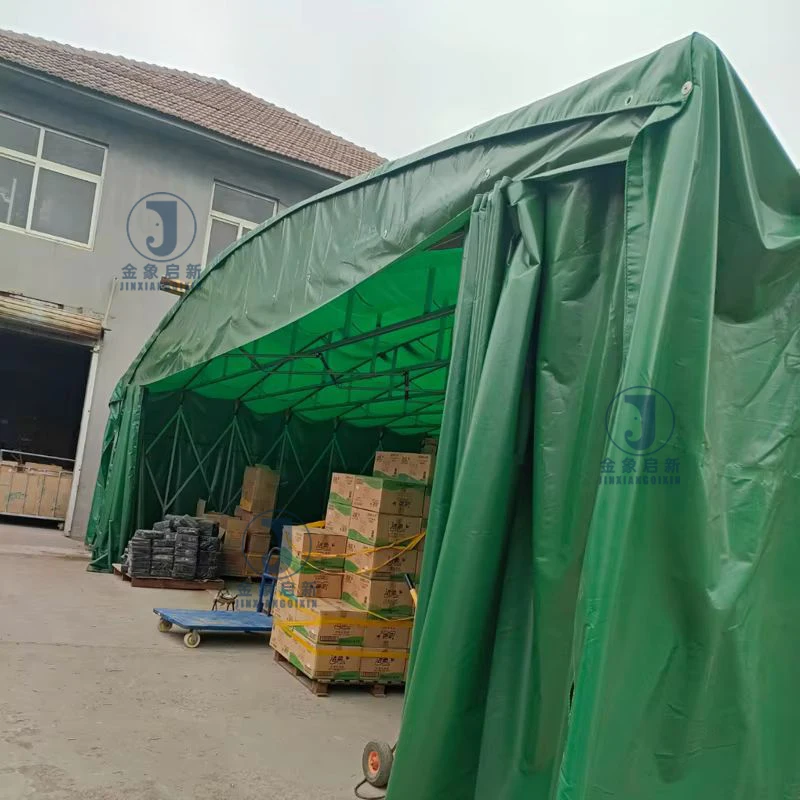
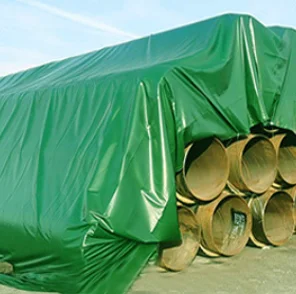
Description
Coating Consistency — Every roll in a shipment holds the same GSM and colour shade, controlled through process oversight at each coating stage rather than left to line variation.
Technical Specifications
| Parameter | Value |
|---|---|
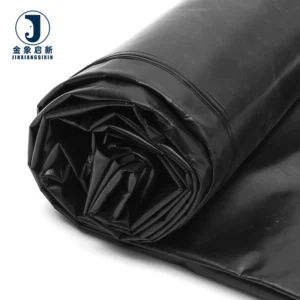
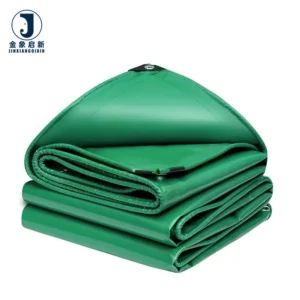
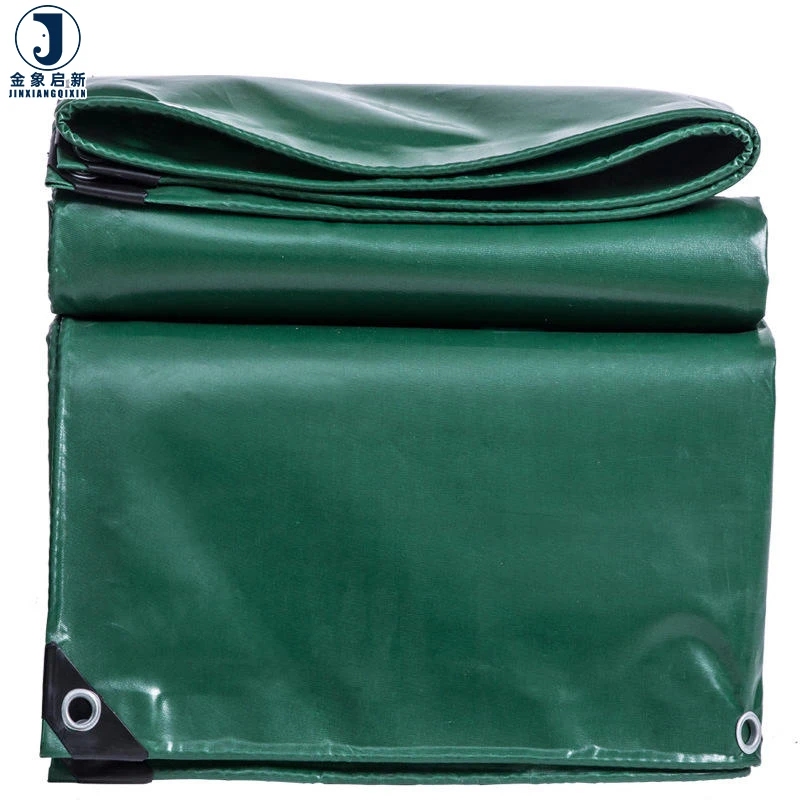
| Product Type | PVC Coated Tarpaulin Roll |
| Coating Material | PVC |
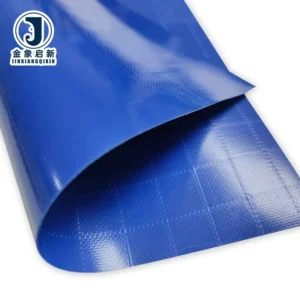
| Base Fabric | Warp knitted polyester |
| Weave Style | Plain |
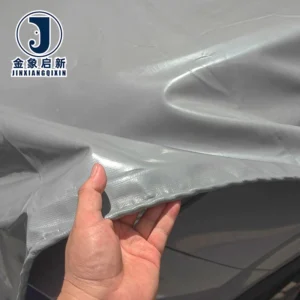
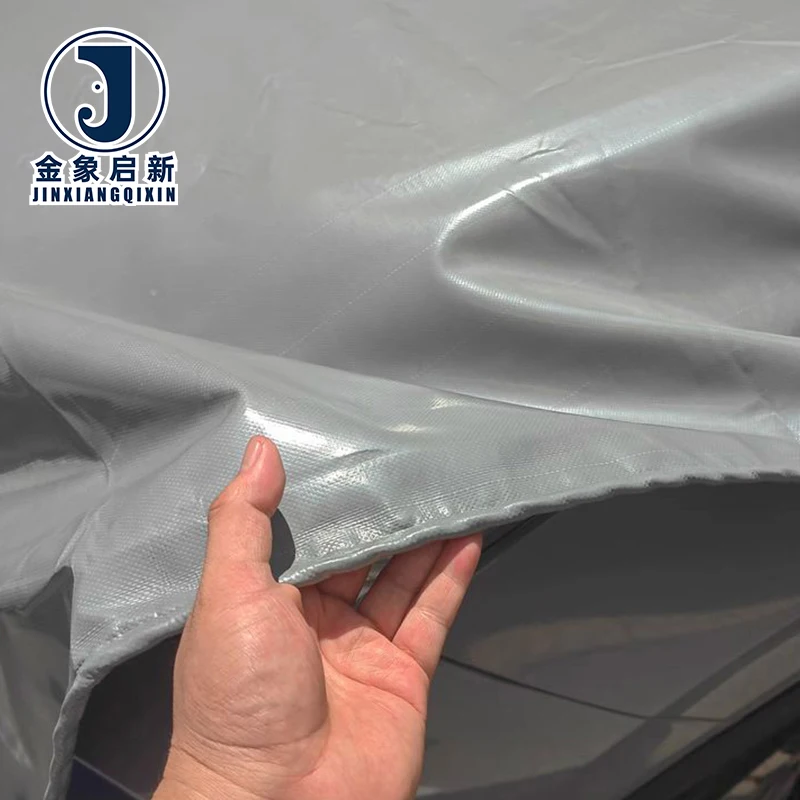
| Waterproof Construction | Yes — fully coated, both sides |
| Anti-Static | Claimed (grade not stated in source — confirm certification required for your site) |
| Tear Resistance | High (test basis not stated in source) |
| Flame Retardant Grade | Available in flame retardant grades — confirm the grade required for your market |
| UV Treatment | Available with anti-UV treatment — confirm test basis for your region |
| Weight (GSM) | Available across multiple GSM grades — state your required weight at inquiry |
| Color | Customizable across a range of shades — specify Pantone or RAL reference |
| Finish | Glossy or matte finish available |
| Roll Width | Custom widths available — state your cutting pattern requirement |
| Roll Length | Custom lengths per roll available |
Application Suitability
| Application | Exposure & Requirement |
|---|---|
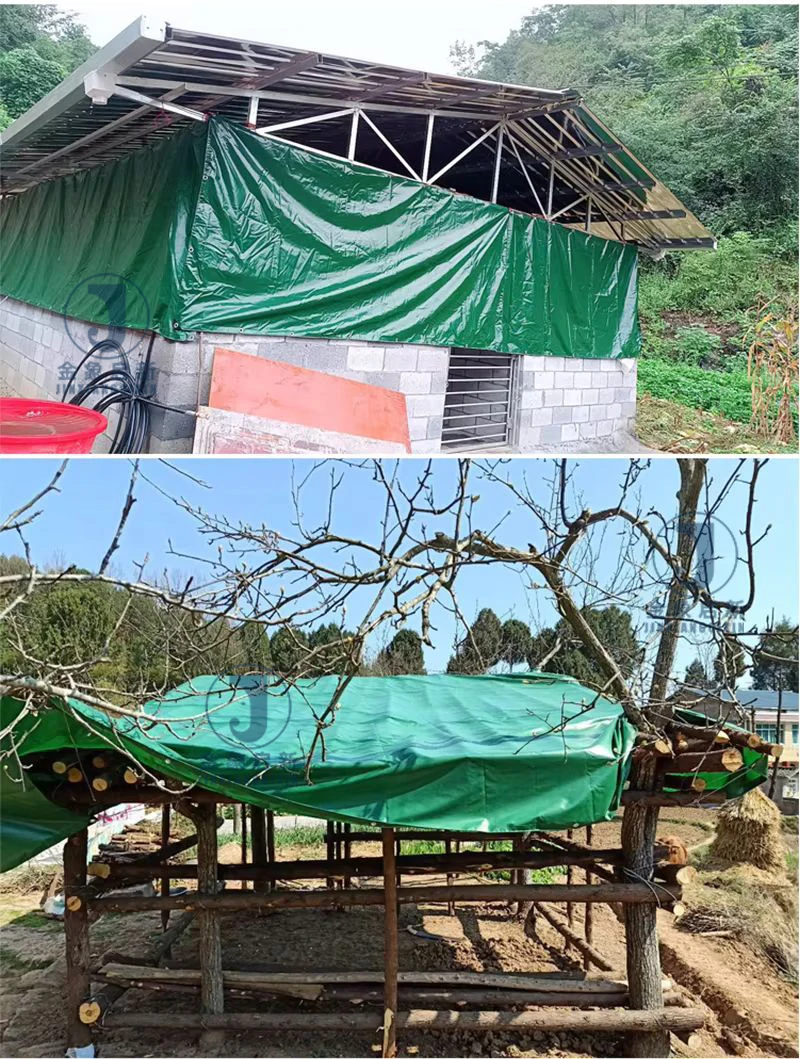
| Poultry and broiler farm enclosures | Continuous moisture, ammonia-laden air, cleaning chemical splash, thermal cycling |
| Pig and livestock shelter covers | Abrasion from contact with structures, wind-driven rain, UV from open-side exposure |
| Sheep farm windbreaks and tents | Sustained wind load, ground moisture wicking, seasonal installation and teardown |
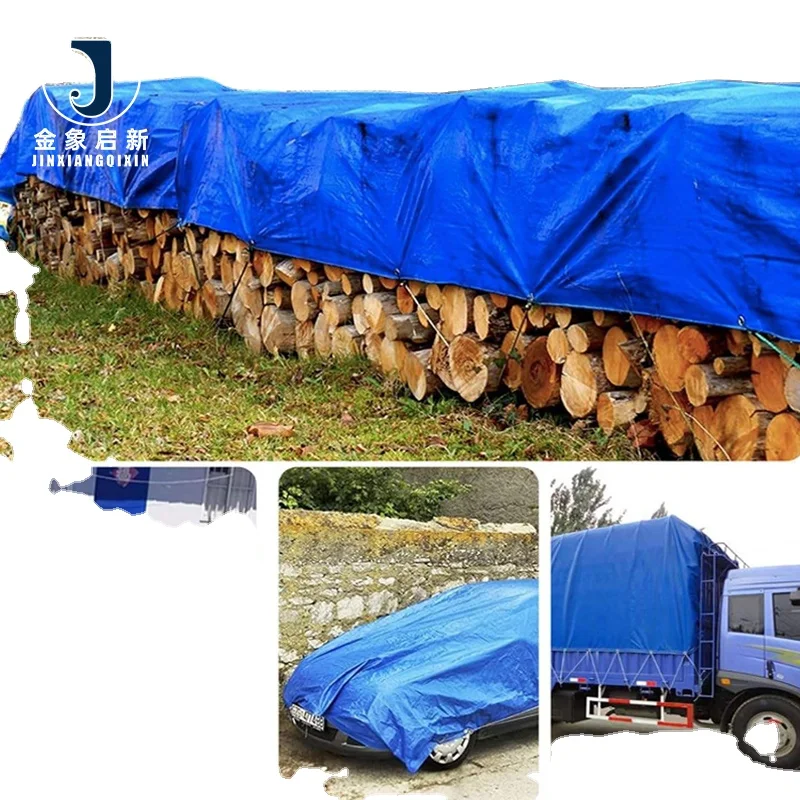
| Agricultural equipment storage wraps | Dust ingress prevention, rain shedding, repeated handling during seasonal use |
| Tent and canopy roll stock | Cutting and heat-welding into finished panels, colour matching across event installations |
Why Roll Consistency Matters More Than Quoted GSM for PVC Tarpaulin Roll Wholesale
Batch variation is the silent cost in bulk tarpaulin procurement — the roll that does not match the rest of the container forces rework or scrap.
When sourcing PVC tarpaulin roll wholesale for farm cover fabrication, buyers often focus on the quoted GSM and assume every roll in the shipment will perform identically. In practice, coating weight can drift across a production run, and colour batches blended at different times may shift visibly once panels are installed side by side on a livestock shelter. A distributor cutting covers from inconsistent rolls faces customer complaints that trace back to material variance, not fabrication error. This is where the supplier’s process control determines whether a bulk order delivers predictable results or a sorting headache on the warehouse floor. [NEED_CITE: coating weight variation tolerance for PVC coated fabrics per ISO 2286]
Roll-to-Roll Weight and Colour Stability
Maintaining uniform PVC coating weight across a production run requires monitoring at the coating head and verifying GSM at intervals before the roll is wound. For buyers purchasing PVC coated tarpaulin by the container load, this discipline means each roll cuts and welds the same way, and finished covers match in stiffness and drape. Colour consistency is managed by batching pigment into the coating compound under controlled ratios so that rolls produced in the same lot share the same shade — critical when farm operators install multiple panels across a single structure.
Container Loading and Roll Identification for Bulk Buyers
Bulk PVC coated tarpaulin orders ship by the container, and efficient loading depends on roll dimensions, weight per roll, and pallet or core configuration. Each roll carries a label with GSM, width, length, and colour code so that warehouse staff can sort by specification without unrolling. A detailed packing list maps every roll to its position in the container, allowing distributors to reconcile received goods against the purchase order before the shipment leaves the port. [NEED_CITE: container loading configuration for coated fabric rolls]
How Base Fabric, Coating, and Weight Interact in Practice
The warp knitted polyester base fabric provides dimensional stability — it resists stretching under the tension of a farm enclosure tied down in wind. PVC coating on both sides encapsulates the yarns, blocking water ingress and protecting the polyester from ammonia and organic acids common in livestock environments. The plain weave pattern offers a flat surface suited to heat-welding: when two panels overlap at a seam, the PVC layers fuse under controlled temperature to form a bond that matches the fabric’s own tear strength. GSM alone does not determine durability; the denier of the base yarns and the density of the knit work together with coating weight to produce the tensile and tear figures the end user experiences in the field. A heavier coating on a loosely knitted base may peel before the fabric tears, while a lighter coating on a dense knit may deliver better all-round performance than a high-GSM alternative built on a weaker substrate. Buyers specifying PVC tarpaulin roll wholesale for demanding agricultural covers should request both base fabric denier and coating weight alongside GSM to make an informed comparison.
The Cost of Overlooking Specification Detail at the Inquiry Stage
A roll that arrives lighter than the quoted GSM forces a buyer to either accept reduced durability or reject the shipment and delay delivery to their own customers. Colour mismatch between rolls in the same order becomes visible only after panels are cut and hung on a farm structure — by which point the cost of rework includes labour, transport, and reputational damage. Flame retardant claims unsupported by a test report leave a contractor exposed when a site inspector demands documentation before approving a livestock shelter installation. Welded seams that fail ahead of the fabric itself typically point to incorrect heat settings for the specific coating weight supplied — a preventable fault when the supplier provides fabrication guidance matched to the roll’s construction. [NEED_CITE: tensile and tear test methods for coated fabrics per ISO 1421]
What the Production Line Delivers for This Fabric
Three full production lines and 36 sets of professional equipment support the volume commitments behind PVC tarpaulin roll wholesale orders, reducing the risk of split shipments across multiple containers. A 10-person R&D team develops colour matches and sample rolls within days, allowing distributors to confirm shade and hand-feel before committing to a full production run. Dedicated quality checks at every production stage catch coating weight drift and surface defects before a roll reaches the packing area. One hundred percent pre-shipment inspection with roll-by-roll verification ensures the packing list matches what is physically loaded. Material specification sheets accompany each order, stating GSM, base fabric, and coating weight so that the buyer’s receiving team can verify goods on arrival without guesswork.
Documentation & Verification
- Material specification sheet stating GSM, base fabric denier, and coating weight per roll
- Pre-shipment inspection record with roll-by-roll weight and colour verification
- Roll packing list mapping roll count, dimensions, and net/gross weight for container loading
- Batch consistency confirmation across colour and GSM within the same purchase order
- ISO and CE certificates included with shipment documentation
- Certificate of origin and customs support documents provided per destination market
Fabrication, Handling & Storage
- Heat-weld seams at temperatures matched to the specific PVC coating weight — test on a scrap piece first
- Store rolls upright on pallets to prevent flat spots and permanent creasing across the warp knitted base
- Allow cold rolls to acclimatise to workshop temperature before unrolling to avoid coating stiffness cracking
- Use a sharp blade and straight edge when cutting — the plain weave base tracks cleanly without fraying
- Avoid prolonged contact with solvents that can soften the PVC coating surface and affect colour stability
- Mark roll colour codes on cut panels before fabrication to maintain traceability across a multi-roll order
What to Include with Your Inquiry
Specify the farm cover dimensions, the wind and moisture exposure at the installation site, and any colour or regulatory requirements your market demands. State the roll widths that match your cutting pattern to minimise offcut waste, and indicate your annual volume so that production scheduling can hold a consistent colour batch across repeat orders. If you require flame retardant or anti-static certification for site compliance, name the standard so the correct grade is confirmed before sampling.
Frequently Asked Questions
Q: How can I verify the stated GSM matches what arrives in my warehouse?
A: Each shipment includes a material specification sheet and pre-shipment inspection record with roll-by-roll GSM data. On arrival, you can use a calibrated scale to weigh a known-area sample cut from any roll and compare it against the documented figure. Any discrepancy beyond your tolerance triggers a review against the inspection record supplied.
Q: How is colour consistency maintained across multiple rolls in one order?
A: Pigment is batched into the PVC coating compound under controlled ratios, and rolls within the same production lot are checked for shade uniformity before packing. The roll packing list groups rolls by colour batch so you can trace any panel back to its production run if a visual question arises during installation.
Q: How do I choose roll width and length for my farm cover cutting pattern?
A: Provide your finished cover dimensions and panel layout, and the R&D team will recommend roll widths that minimise offcut waste. Custom widths are available to suit specific cutting tables. Longer roll lengths reduce the number of end-to-end welds needed when producing continuous side panels for livestock shelters.
Q: What documentation ships with the rolls for customs clearance?
A: Each order includes a certificate of origin, commercial invoice, packing list with roll count and weight, and ISO and CE certificates. Fire retardant test reports are provided where applicable to the grade specified. These documents are prepared to match the import requirements of your destination port.
Q: What are the heat-welding considerations for this warp knitted PVC base?
A: The PVC coating on both sides fuses under heat to form a bonded seam, but temperature and dwell time must match the coating weight supplied. A test weld on scrap material from the same roll confirms the correct settings. Overheating can damage the warp knitted base yarns and weaken the joint at the point of highest flex.