Description
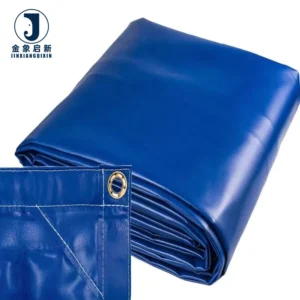
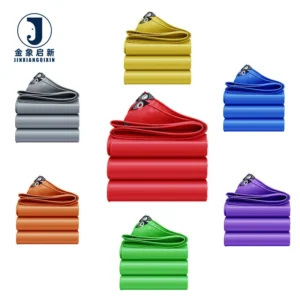
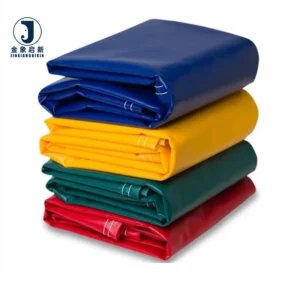
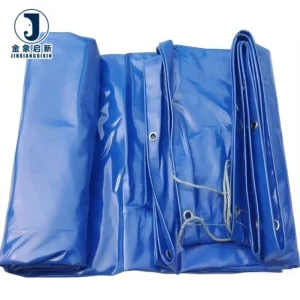
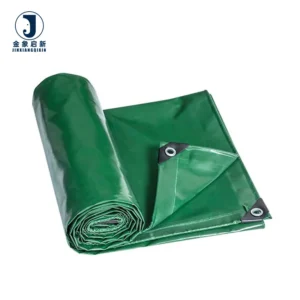
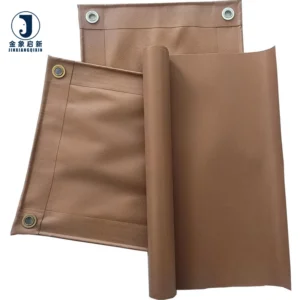
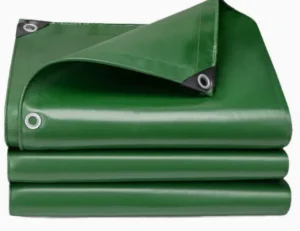
Batch Color Consistency — controlled through in-process QA across three dedicated production lines, ensuring every PVC coated tarpaulin roll in your container matches the approved color reference.
Technical Specifications
| Parameter | Value |
|---|---|
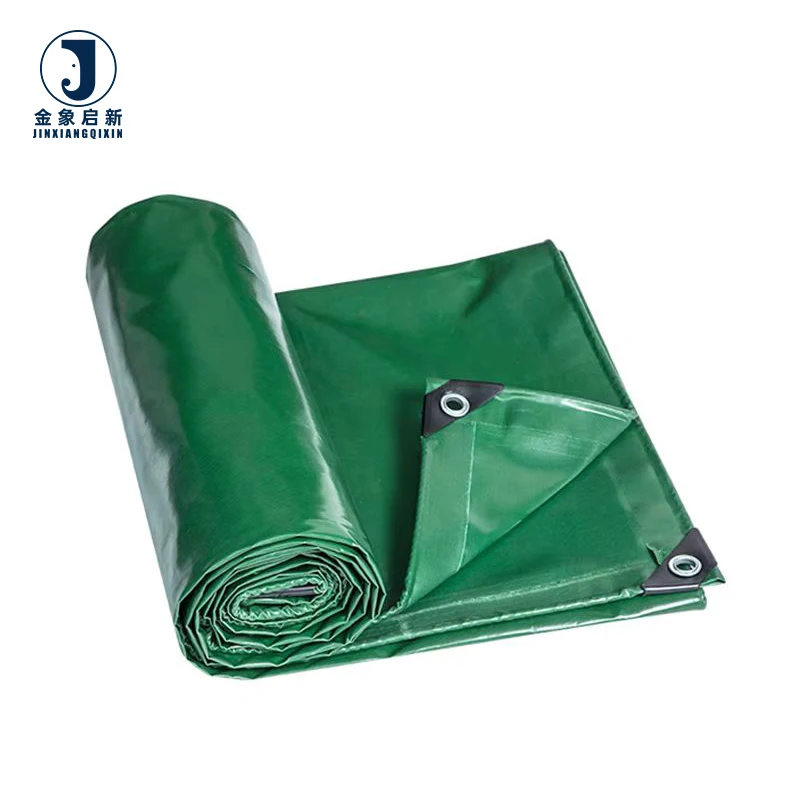
| Product Type | PVC Coated Tarpaulin Roll / Membrane Structure Fabric |
| Base Fabric | 100% high toughness polyester yarn |
| Base Fabric Denier | 500D–2000D |
| Coating Material | PVC |
| Coating Method | Lamination technology and hot melt coating technology |
| Thickness | 0.35mm – 1.5mm |
| Weight (GSM) | 400g/m² – 1500g/m² |
| Tensile Strength (Warp) | 1500 – 3000 N/5cm (grade dependent, test standard not stated in source) |
| Tensile Strength (Weft) | 1200 – 2800 N/5cm (grade dependent, test standard not stated in source) |
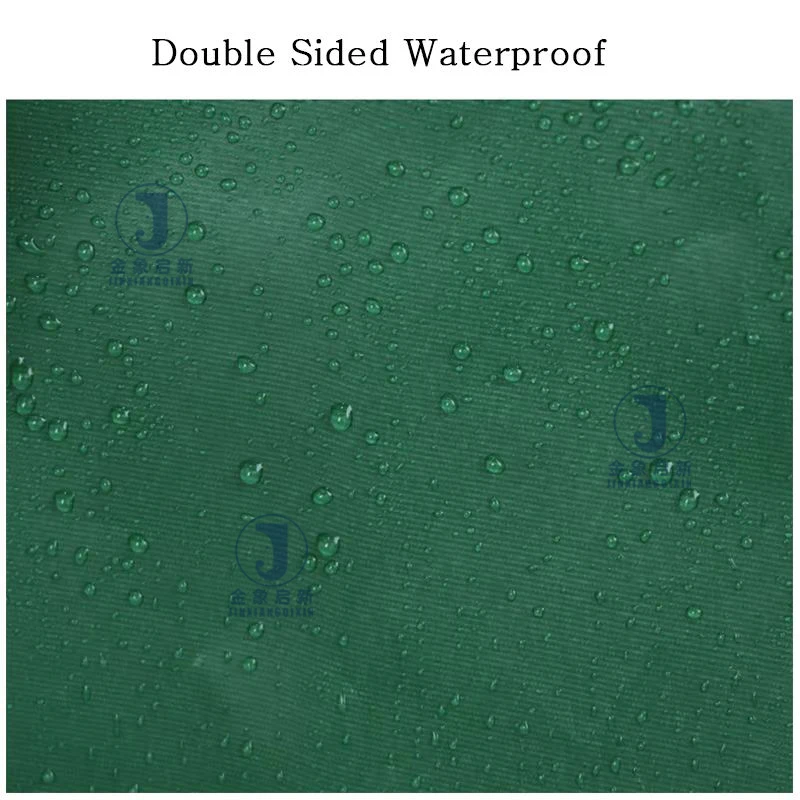
| Waterproof | Yes |
| Cold Resistant | Cracking prevention (test basis not stated in source) |
| Anti-Mildew | Mold proof (test basis not stated in source) |
| UV Treatment | Weather resistance 3–5 years (test basis not stated in source) |
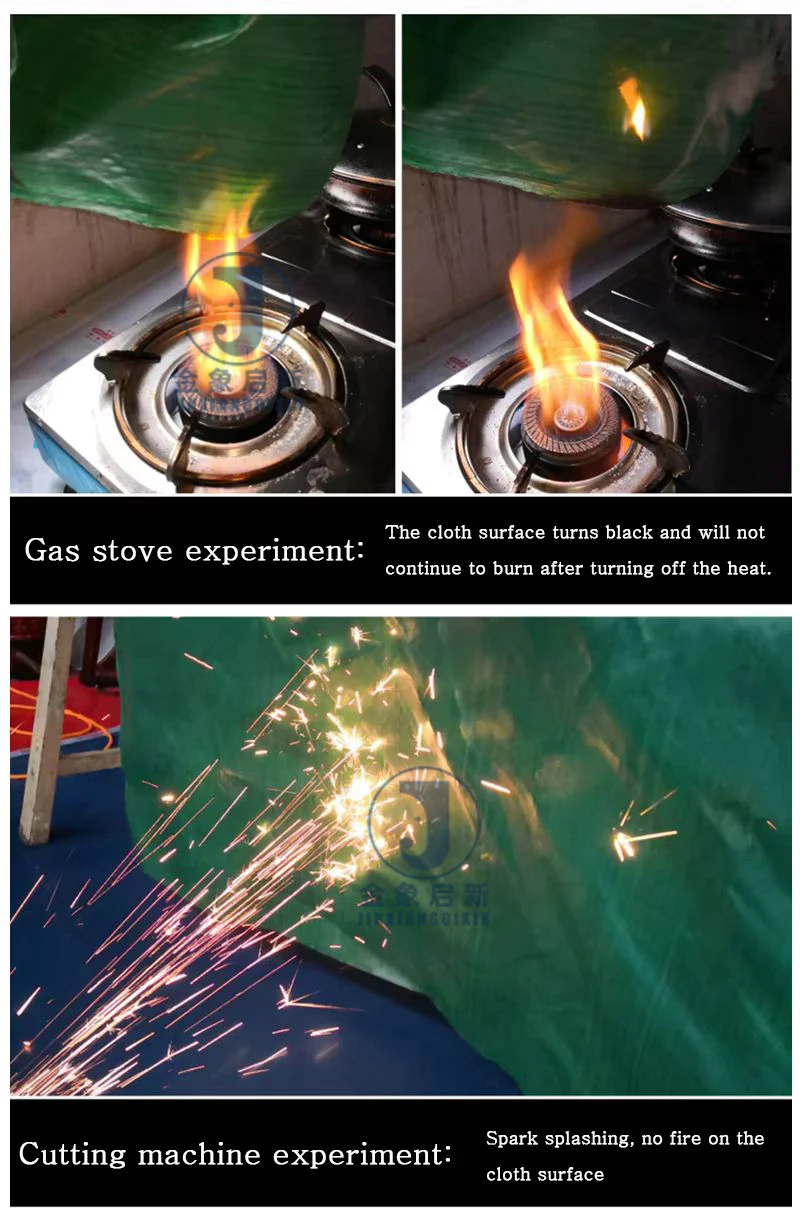
| Flame Retardant | Available — confirm the grade required for your market |
| Anti-Static | Available — confirm the surface resistance standard required for your site |
| Color Fastness | Best color fastness rating (test basis not stated in source) |
| Welding Tear Strength | Excellent (test standard not stated in source) |
| Color | Custom colors available |
| Printing Option | Custom printing available |
| Certification | ISO, CE |
Application Suitability
| Application | Exposure & Requirement |
|---|---|
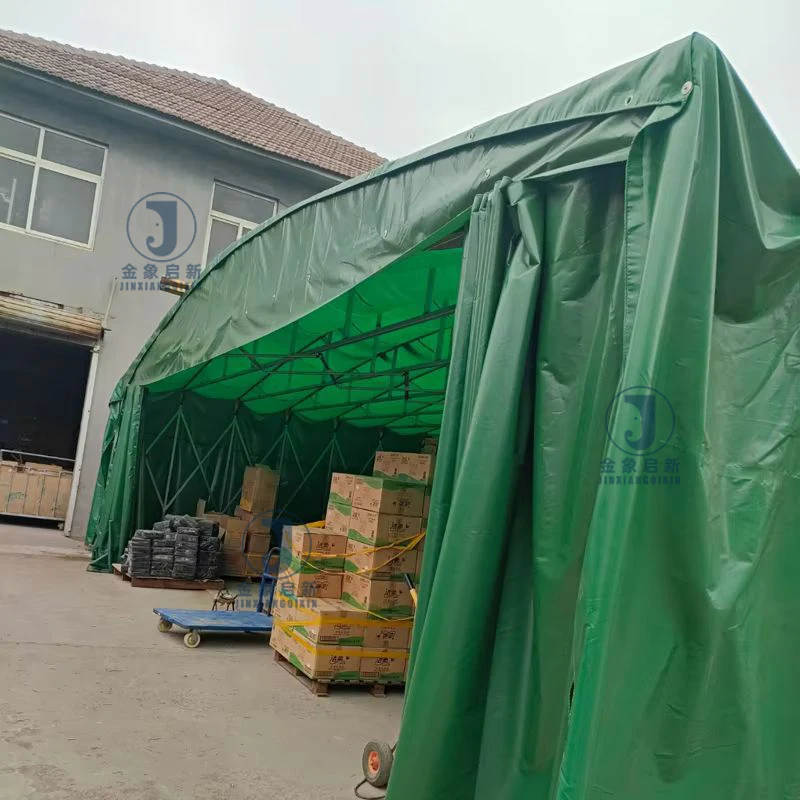
| Membrane structure | Permanent tensile load, wind uplift, UV exposure, structural fire compliance |
| Stadium roof | Long-term weathering, thermal expansion cycles, drainage ponding loads |
| Industrial pipe canopy | Chemical exposure from pipe condensation, thermal stress, wind load |
| Tensioned structural fabric | Biaxial stress, welded seam integrity under continuous tension |
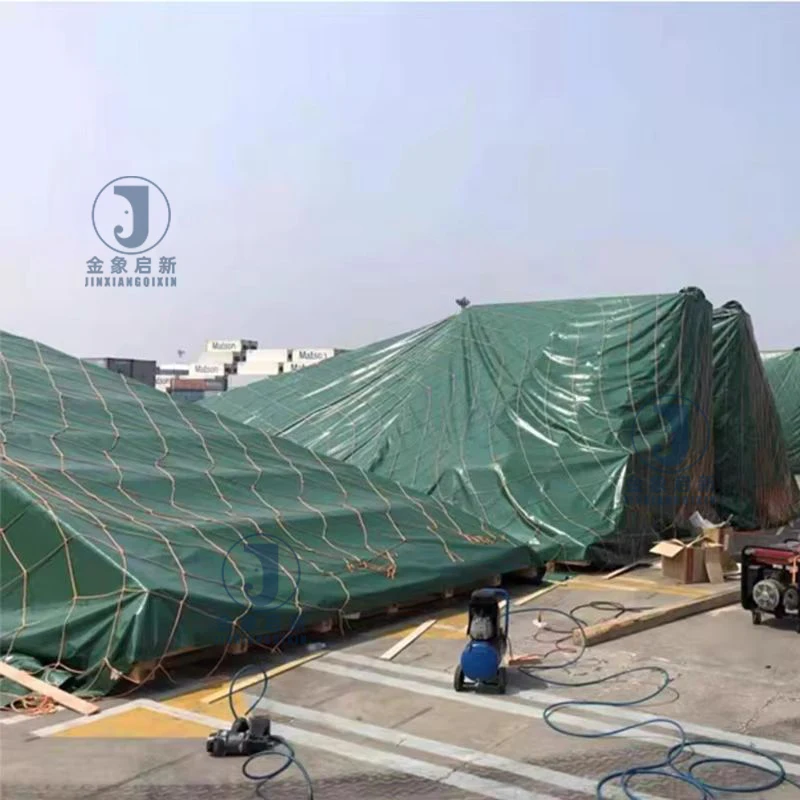
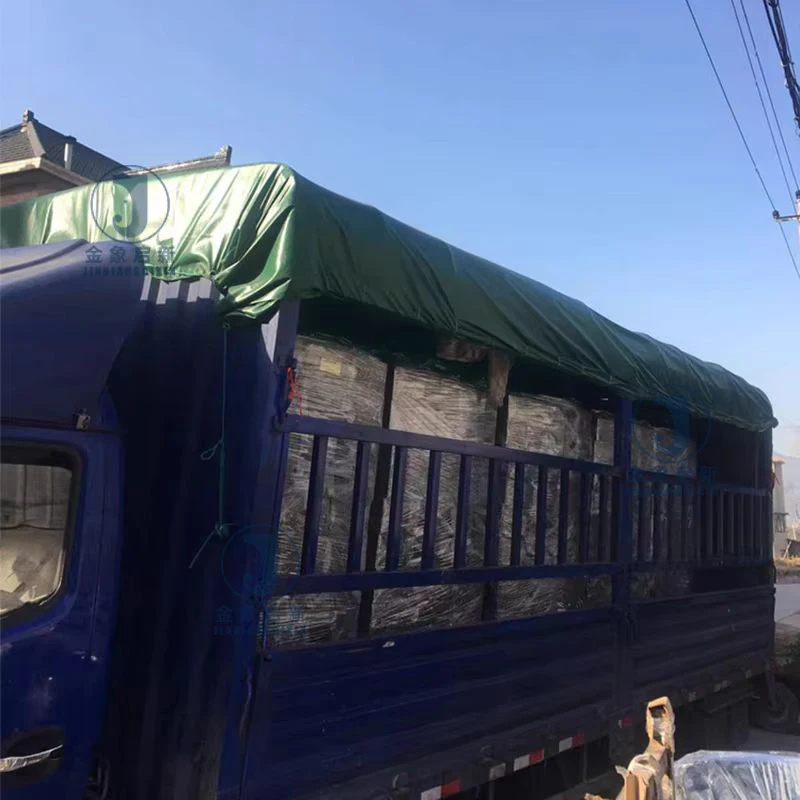
| Heavy truck tarpaulin | Road abrasion, constant flexing at load points, UV and rain exposure |
| Engineering protective cloth | Dust and debris containment, repeated handling and repositioning |
Why Stated GSM Does Not Guarantee Structural Performance
Fabric weight alone never tells the full story — base fabric denier and weave density determine how that weight translates into tensile and tear strength.
A buyer specifying PVC coated tarpaulin rolls for membrane structures might receive 850gsm material that meets the weight check yet fails under sustained tensile load because the base fabric used a lighter denier yarn with heavier coating to compensate. [NEED_CITE: tensile and tear test methods for coated fabrics per ISO 1421] Coating weight and base fabric weight must be evaluated separately. When the coating-to-yarn ratio skews too far toward coating, the material gains stiffness without gaining structural capacity — a problem that surfaces only after installation when wind loads or snow accumulation push the fabric beyond its actual breaking point.
Roll-to-Roll Color Control Across Container Orders
Color consistency across multiple PVC coated tarpaulin rolls matters most when the material is installed side by side on a visible structure. A stadium roof membrane assembled from twenty rolls with slight hue variation reads as a patchwork installation, triggering owner rejection even when every roll meets the stated weight and strength specification.
How In-Process QA Holds the Color Line
Every roll produced across all 36 sets of equipment passes through visual color audit during the coating stage, not only at final inspection. Pigment batches are logged against the approved color reference so that a reorder six months later matches the original installation — critical for phased construction projects where membrane sections go up months apart.
Why PVC Lamination and Hot Melt Coating Matter for Seam Integrity
Hot melt coating technology creates a chemical bond between the PVC layer and the polyester base fabric, rather than a mechanical adhesion that can delaminate under thermal cycling. When membrane structures expand and contract through seasonal temperature swings, the coating must move with the base fabric. [NEED_CITE: coating adhesion test methods for PVC laminated fabrics] Lamination technology ensures the bond survives the welding process itself — the heat applied during seam fabrication must not weaken the coating-to-yarn interface at the exact point where structural continuity depends on it.
Reading the Specification Sheet Beyond the Weight Number
The denier range from 500D to 2000D directly governs how the fabric handles point loads and tear propagation. A 2000D base yarn resists tear extension far better than a 500D yarn at the same GSM, because the individual yarns are thicker and carry more load before breaking. Thickness readings between 0.35mm and 1.5mm correlate with the coating build, but thickness alone does not predict tensile strength — a thin, tightly woven heavy-denier fabric can outperform a thicker, loosely woven light-denier one. The warp and weft tensile values ranging from 1500 to 3000 N/5cm and 1200 to 2800 N/5cm respectively reflect the combined result of yarn selection and weave density. Weather resistance rated at 3–5 years reflects UV stabilizer loading in the coating formulation, though the specific test basis is not stated — confirm the UV standard applicable to your project location. [NEED_CITE: UV weathering test standards for architectural membrane fabrics]
What Happens When the Wrong Grade Ships
Specifying a 400g/m² grade for a permanent membrane structure invites early failure under sustained tensile stress, while over-specifying 1500g/m² for a temporary event canopy adds unnecessary dead load and handling difficulty. Color shift between rolls in the same shipment forces installers to rearrange panels or reject the batch outright — a delay that cascades through the entire construction schedule. Welding tear strength that falls short means seams fail before the fabric body does, concentrating stress at exactly the flex points where the structure needs continuity most. [NEED_CITE: weld strength requirements for tensioned PVC membrane structures]
Why Bulk Buyers Source PVC Coated Tarpaulin Rolls Here
Three full production lines running dedicated PVC coating operations mean your container order does not wait behind unrelated product runs, keeping dispatch schedules predictable. The 10-person R&D team handles custom color matching and sample development in days, not weeks — essential when a membrane project architect demands approval samples before releasing the full order. Dedicated QA and QC inspection at every production stage catches GSM drift and color variance before rolls reach the packing area, not after they arrive at your warehouse. [NEED_CITE: pre-shipment inspection protocols for coated fabric rolls] Full documentation packages accompany every shipment, reducing customs friction and giving your receiving team the verification data they need without requesting it separately.
Documentation & Verification
- Material specification sheet per roll stating exact GSM, base denier, coating method, and color reference
- Pre-shipment inspection record covering weight verification and visual color audit across the full batch
- Roll packing list with individual roll weight and net/gross totals for container loading plans
- ISO and CE certificates included with every shipment plus certificate of origin and customs support
- Test reports for flame retardant or anti-UV grades provided where applicable to the selected treatment
Fabrication, Handling & Storage
- Hot melt coated surfaces require clean welding platens to avoid contamination weakening the bond at seams
- Rolls stored upright on end cores prevent flat-spotting and permanent creasing across the PVC coating layer
- Base fabric denier selection determines heat settings — higher denier demands longer dwell time at the weld bar
- Custom width rolls should be unrolled flat for 24 hours before cutting to release winding tension and ensure accurate dimensions
- Anti-mildew treatment reduces storage risk but does not replace dry, ventilated warehouse conditions for long-term roll holding
Before You Send the Inquiry
Specify the application exposure conditions — whether the membrane faces permanent UV load, chemical-laden air, or cyclic thermal stress — so the correct GSM grade and treatment package can be recommended. State the fire classification or anti-static standard your local code demands, along with target roll widths and estimated annual volume. If color matching to an existing structure is required, provide a physical sample or RAL reference with your inquiry.
Frequently Asked Questions
Q: How do you confirm GSM matches the quotation when the rolls arrive?
A: Every roll is weighed individually during pre-shipment inspection and recorded on the packing list you receive before dispatch. Your receiving team can cross-check each roll against the stated specification. If any discrepancy surfaces during arrival inspection, the pre-shipment record provides the baseline for resolution.
Q: Can you guarantee color consistency across twenty or more rolls in one order?
A: Pigment batches are logged per production run and cross-referenced against the approved color standard. In-process visual audits during coating catch drift before rolls are wound. For phased projects, we retain the color reference on file so reorders match the original installation.
Q: What widths and roll lengths are available for wholesale container loading?
A: Stock widths and standard roll lengths are available for immediate scheduling, while custom widths require confirmation of minimum run quantities. Container loading plans are calculated by roll count and weight to maximize payload. Contact us with your required dimensions for a specific loading proposal.
Q: How are rolls packed to protect the PVC coating surface during ocean transit?
A: Each roll is wound on a core and wrapped to prevent surface abrasion and coating contact damage between adjacent rolls. Packing lists detail individual roll weight and dimensions so your logistics team can plan unloading and warehouse placement before the container arrives.
Q: Do you provide test reports for flame retardant or anti-UV treatments?
A: Test reports are supplied for the specific treatment grade applied to your order. Flame retardant grades are available — confirm which classification your market requires. UV and weather resistance documentation is provided where the selected grade carries a verified test basis.