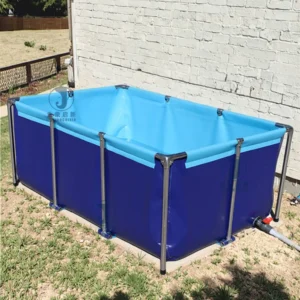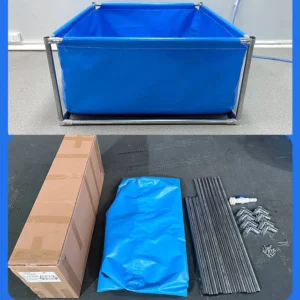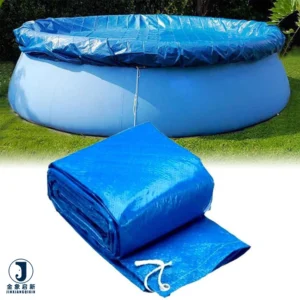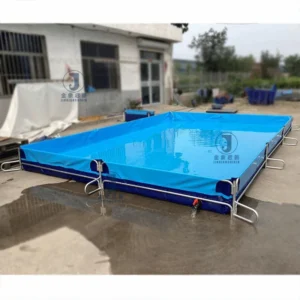
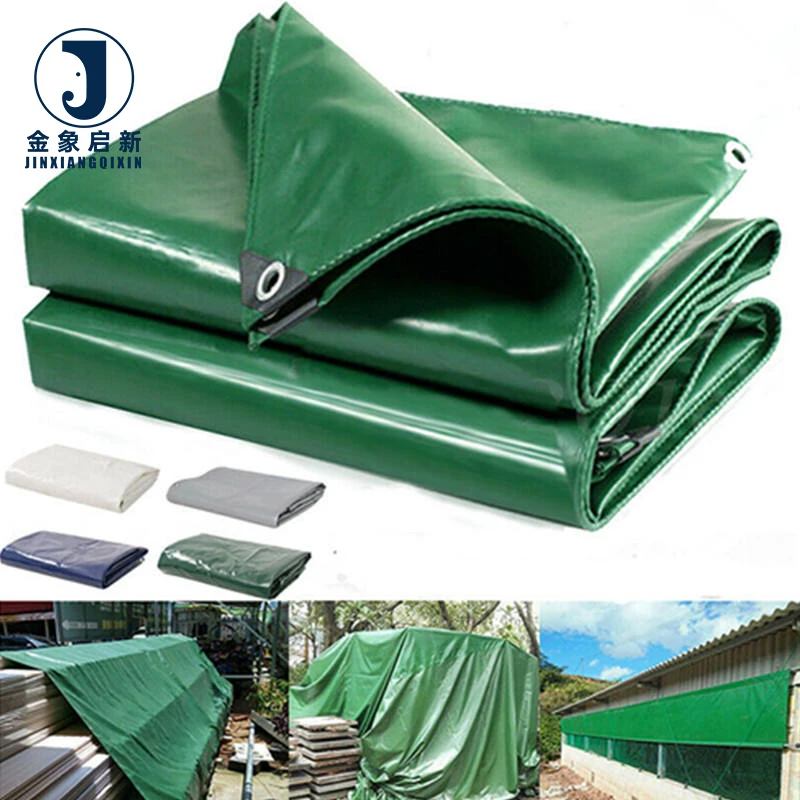
Description
Roll-to-Roll Consistency — Every shipment verified against stated GSM with pre-shipment inspection records, ensuring batch colour and coating weight match across the entire container load.
Technical Specifications
| Parameter | Value |
|---|---|
| Product Type | PVC Coated Tarpaulin |
| Base Fabric | High-strength polyester mesh fabric |
| Coating Method | Laminated technology & Hot-melt coating technology |
| Weight Options | 350gsm / 420gsm / 500gsm / 550gsm / 600gsm / 750gsm |
| Thickness Options | 0.32mm / 0.35mm / 0.4mm / 0.45mm / 0.5mm / 0.65mm |
| Roll Dimensions | 2m × 75m or 2.1m × 50m |
| Finish Product Sizing | Custom cut-to-size or sold by the roll |
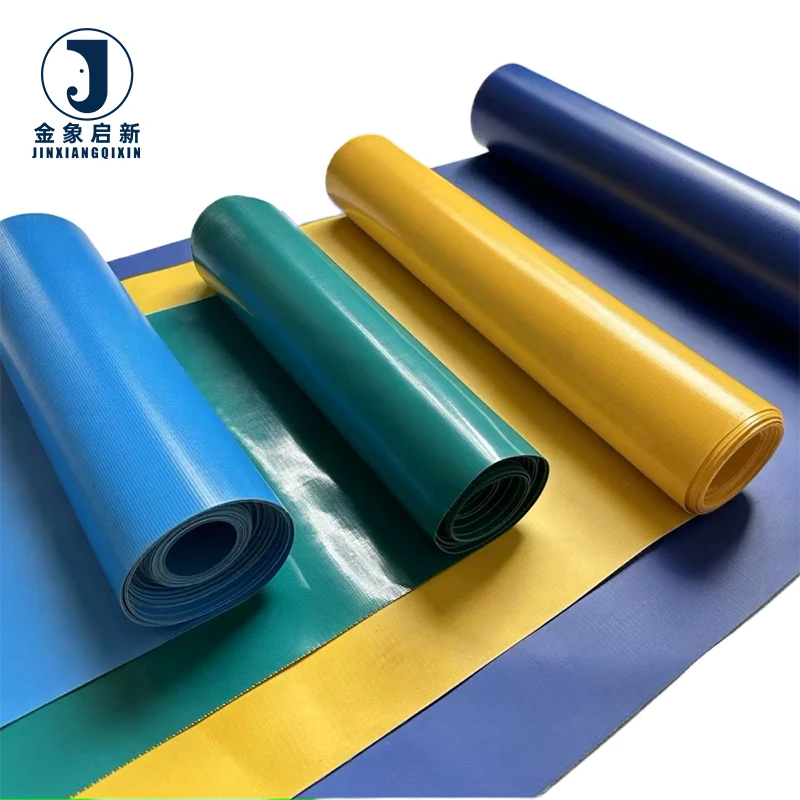
| Color Range | Blue / Red / Yellow / Light blue / Grey (custom colours available) |
| Key Features | Cold crack resistance, anti-mildew, waterproof, anti-static treatment available, flame retardant grades available |
| Certifications | ISO, CE |
Application Suitability
| Application | Exposure & Requirement |
|---|---|
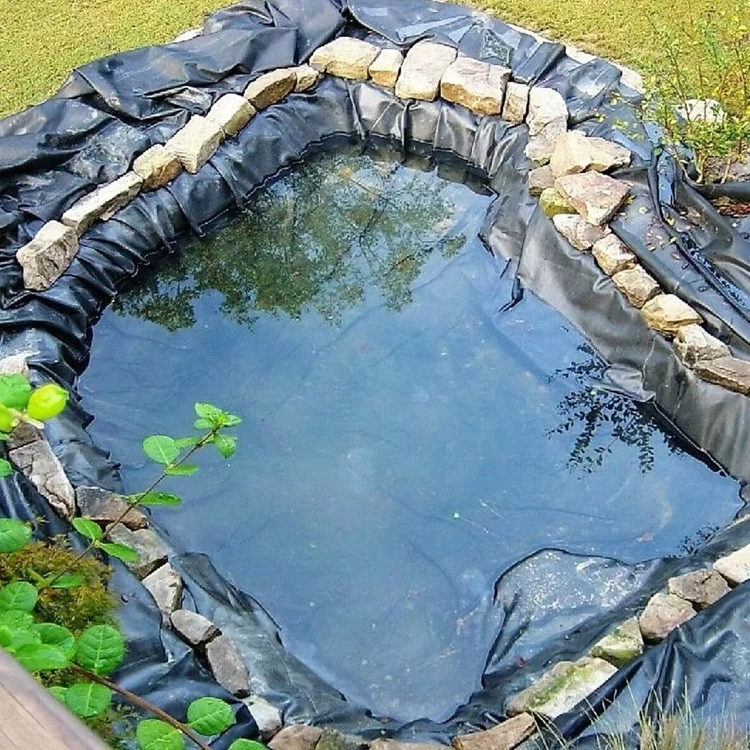
| Fish pond and shrimp pool lining | Permanent water immersion, soil chemistry contact, puncture risk from substrate |
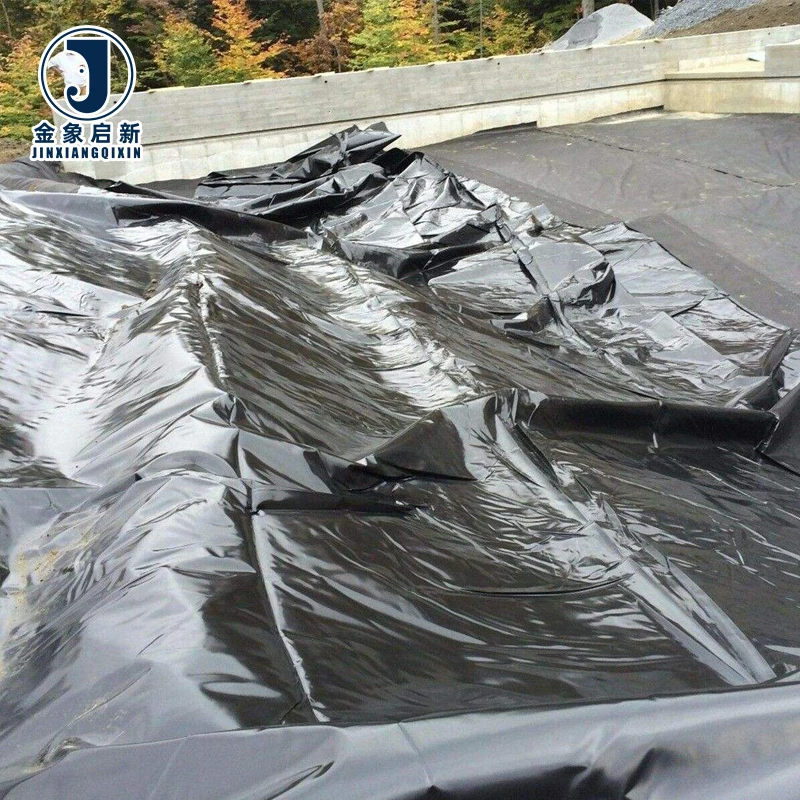
| Water reservoir and irrigation containment | Standing water pressure, UV exposure on uncovered surfaces, edge anchoring stress |
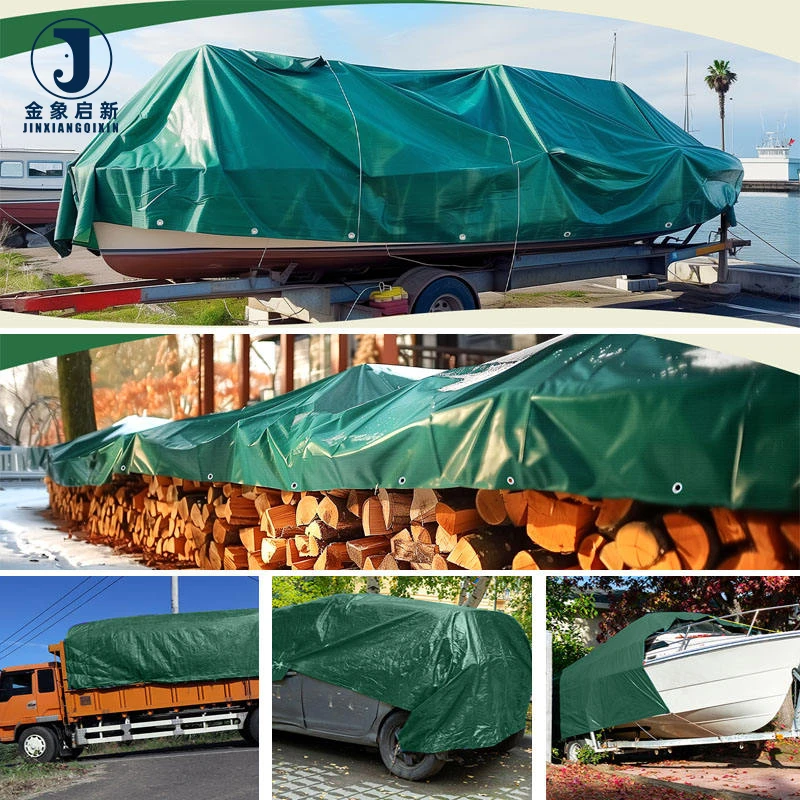
| Tarpaulin distributor roll stock | Container loading by roll count, batch consistency across the order, resale by the metre |
| Tent and awning fabrication | Tension loading, repeated folding, weather exposure, seam welding demand |
Why GSM Verified on Arrival Matters More Than the Quotation Figure
The number on the quote only counts if it matches what arrives at the port.
When sourcing PVC coated tarpaulin by the roll for pond liner or fabrication stock, buyers routinely face a gap between the GSM written on the commercial invoice and the actual coating weight measured on the receiving dock. A roll quoted at 600gsm may arrive closer to 550gsm — not through fraud, but through normal production variance that was never checked before loading. Across a full container, that shortfall compounds into metres of material that underperforms in the field, and the cost of replacement far exceeds the margin saved on the original order [NEED_CITE: pre-shipment weight verification practices for coated fabric exports].
Roll Stock Availability Across Six Weight Grades
Distributors and fabricators rarely need a single specification. The PVC coated tarpaulin aftermarket supplier range spans from 350gsm for light-duty temporary pond liners through 750gsm for heavy-duty containment and side curtain applications, all drawn from the same base fabric family. This means a mixed-grade order can ship in one container with consistent coating chemistry and colour matching between rolls, eliminating the need to manage separate supply lines for different end uses.
Hot-Melt Coating and What It Means for Heat Welding
The laminated and hot-melt coating technology used across this product range creates a chemical bond between the PVC layer and the high-strength polyester mesh base fabric. For fabricators building pond liners or covers from roll stock, this adhesion strength translates directly into weld performance. When two sheets are joined by high-frequency or hot-air welding, the seam should fail only after the surrounding fabric fails — and the coating-to-base adhesion is the variable that determines whether that holds true. Rolls coated with inferior paste or cold-calendered methods often delaminate at the weld zone under load [NEED_CITE: coated fabric peel strength testing per ISO 2411].
Reading the Specifications Beyond the GSM Number
Coating weight alone does not define field performance. The high-strength polyester mesh base fabric provides the tensile and tear backbone, while the PVC coating contributes waterproofing, chemical resistance and UV shielding. A 500gsm roll with a dense base weave will outperform a 600gsm roll with a loose scrim when puncture and tear propagation are the primary concerns. Thickness — ranging from 0.32mm to 0.65mm across the product family — correlates with abrasion resistance and stiffness, which matters when the liner must conform to uneven pond substrates or when the fabricator needs the material to drape cleanly during heat-seam assembly. Cold crack resistance ensures the material remains flexible in low-temperature environments, and anti-mildew treatment protects against biological degradation in permanently wet aquaculture applications. Width selection between the 2m and 2.1m roll options affects how many welded seams are needed to cover a given pond footprint — fewer seams mean fewer potential leak points and less fabrication labour.
The Hidden Cost of Specifying on Price Per Kilogram Alone
Buyers who select roll stock based on the lowest cost per kilogram often absorb losses elsewhere in the supply chain. A lighter-than-specified coating may pass visual inspection at the port but fail during pond installation when the liner stretches over sharp substrate and the PVC layer cracks. Colour variance between rolls from different production batches becomes visible only after the fabricator has already cut and welded the material, forcing a complete rework. Weld seam failures that originate from inconsistent coating thickness cannot be repaired on site and require full panel replacement. Each of these outcomes erodes the buyer’s margin far more than the per-kilogram saving ever delivered [NEED_CITE: common failure modes in PVC coated pond liner installations].
Why Volume Buyers Source Roll Stock Here
Three full production lines and 36 sets of professional equipment support bulk container loading without splitting orders across multiple production windows, which is where batch inconsistency typically originates. A 10-person R&D team handles custom width requests, colour matching and pattern printing from a single production facility, so the sample the buyer approves is the same material that fills the container. Dedicated QA/QC at every stage — from base fabric inspection through coating weight measurement to final roll packing — means each roll ships with a verified inspection record rather than a generic packing slip. Nearly 30 years of coating process control has produced a stable library of colour references and GSM targets that repeat across production runs. Sample development for custom colours or non-standard widths is completed within days, not weeks, keeping the buyer’s procurement timeline on track.
Documentation & Verification
- Material specification sheet listing GSM, base fabric type and coating method for each roll batch
- Pre-shipment inspection record confirming measured coating weight against quoted GSM before dispatch
- Roll packing list with individual roll count, dimensions and net weight for container load planning
- UV and flame retardant test reports supplied for grades where treatment has been specified
- Certificate of origin and customs documentation included with every international shipment
Fabrication, Handling & Storage
- Heat-weld at manufacturer-recommended temperature for hot-melt coated PVC to prevent delamination at the seam
- Store rolls upright on pallets to avoid compression marks on the coating surface before fabrication
- Allow cold-stored rolls to acclimatise to workshop temperature before unrolling to prevent coating stiffness cracks
- Cut with thermal or rotary tools to seal edges and prevent mesh fraying on high-strength polyester base
- Use seam overlap width appropriate to the GSM grade — heavier rolls require wider weld zones for full adhesion
Specifying the Right Roll for Your Next Order
To move from inquiry to quotation efficiently, share the intended application and the environmental conditions the liner will face — permanent immersion, UV exposure level, and substrate type all affect which GSM and thickness grade fits the project. Specify the roll width and total linear metres required so the container load can be calculated. If custom colour or printed branding is needed, provide a Pantone or RAL reference and the quantity so the production run can be scheduled against the minimum.
Frequently Asked Questions
Q: How is the actual GSM verified before my rolls are shipped?
A: Each roll undergoes coating weight measurement during pre-shipment inspection, and the results are recorded on the inspection document that accompanies the shipment. This means the buyer receives a measured value — not just the quoted figure — and can cross-check against the material specification sheet on arrival.
Q: Which roll width and length should I choose for pond liner projects?
A: The 2m × 75m and 2.1m × 50m options both serve pond liner applications. Wider rolls reduce the number of welded seams needed to cover large pond footprints, while shorter rolls are easier to handle on site without forklift equipment. The choice depends on pond dimensions and available fabrication tools.
Q: Can I expect consistent colour across all rolls in a single order?
A: Colour matching is controlled through a reference system managed by the R&D team, and all rolls in one order are produced within the same batch window to minimise variation. The pre-shipment inspection includes a visual colour check across rolls before packing.
Q: What documentation arrives with an international shipment?
A: Every export order includes a material specification sheet, pre-shipment inspection record, roll packing list with weights and dimensions, certificate of origin and customs support documentation. Test reports for UV or flame retardant treatment are included where the relevant grade has been specified in the order.
Q: What is the minimum order for custom colour or non-standard width?
A: Custom colour and width requirements carry production minimums that depend on the coating line setup for that specific specification. Providing the target Pantone reference, required width and total metres needed allows the production team to confirm the minimum and lead time for the requested configuration.