Description
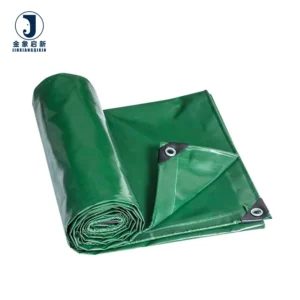
Bulk Roll Consistency — Every roll of PVC coated tarpaulin in this series is weighed and measured against the agreed specification before dispatch, ensuring GSM, width, and colour match the purchase order across container-volume shipments.
Technical Specifications
| Parameter | Value |
|---|---|
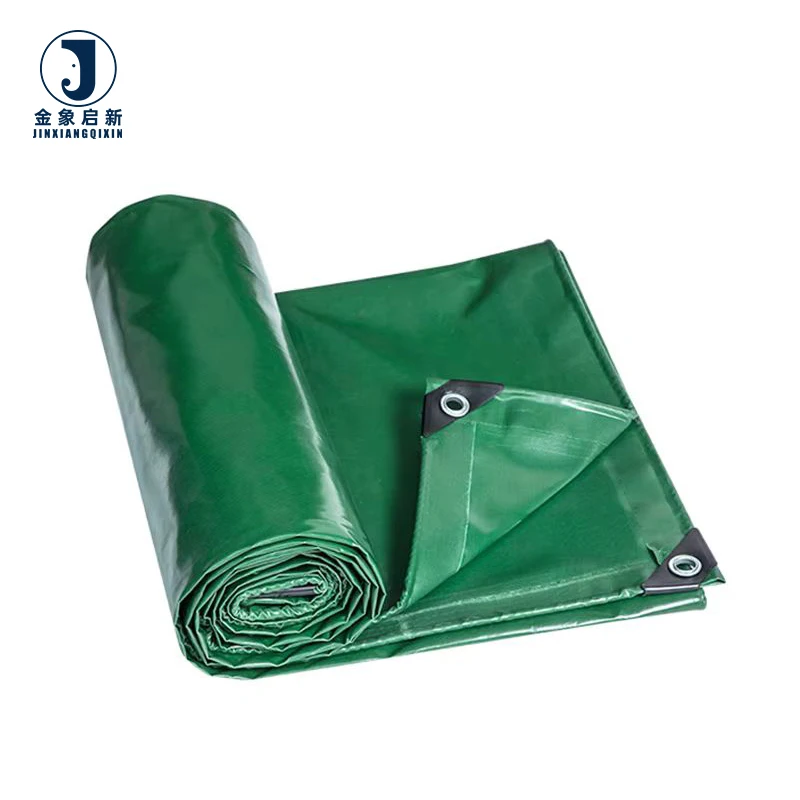
| Product Type | PVC Coated Tarpaulin Roll |
| Weight (GSM) | 500gsm, 600gsm |
| Coating Material | PVC |
| Base Fabric | High-tenacity polyester scrim |
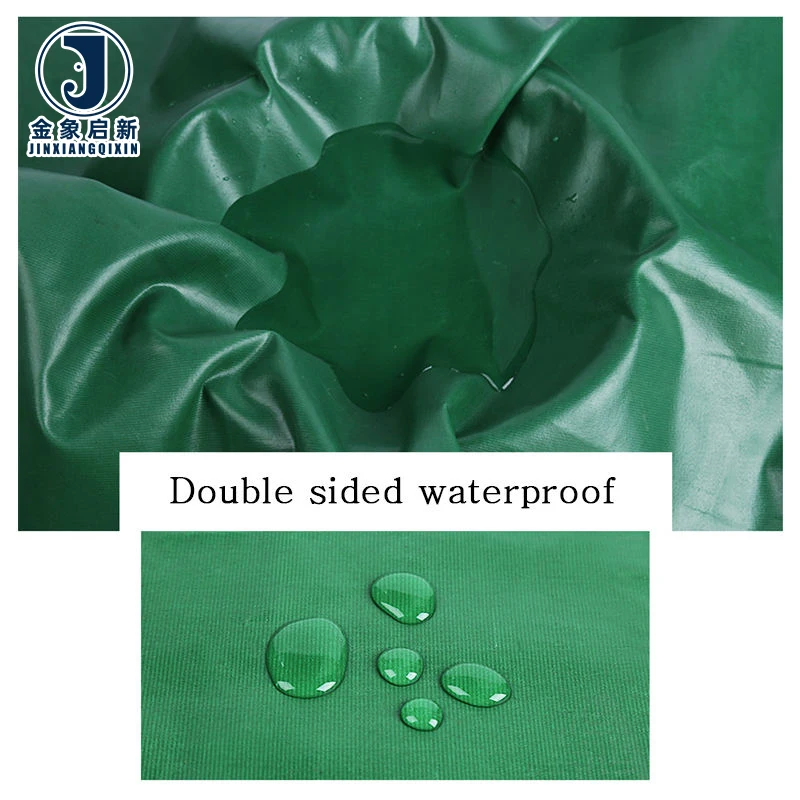
| Waterproof Construction | Fully coated, waterproof |
| Flame Retardant | Available in flame retardant grades — confirm the grade required for your market |
| Anti-Static | Available in anti-static grades — confirm the standard required for your application |
| Anti-Mildew Treatment | Available |
| Anti-Cold Treatment | Available |
| UV Treatment | Anti-UV treatment available — confirm test basis for your market |
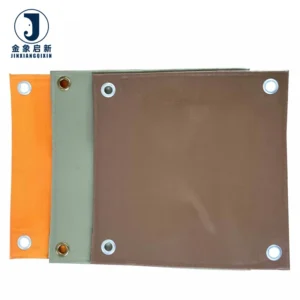
| Surface Finish | Glossy or matte finish options |
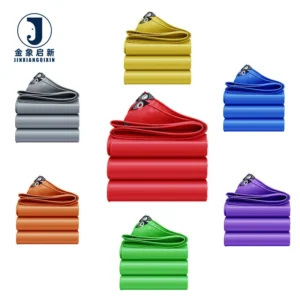
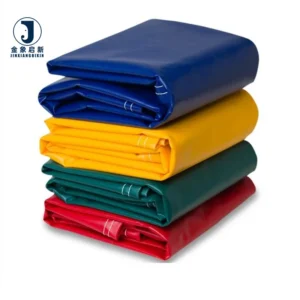
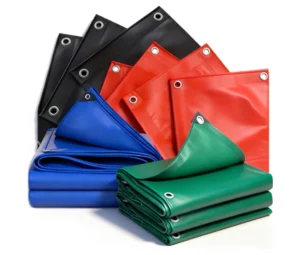
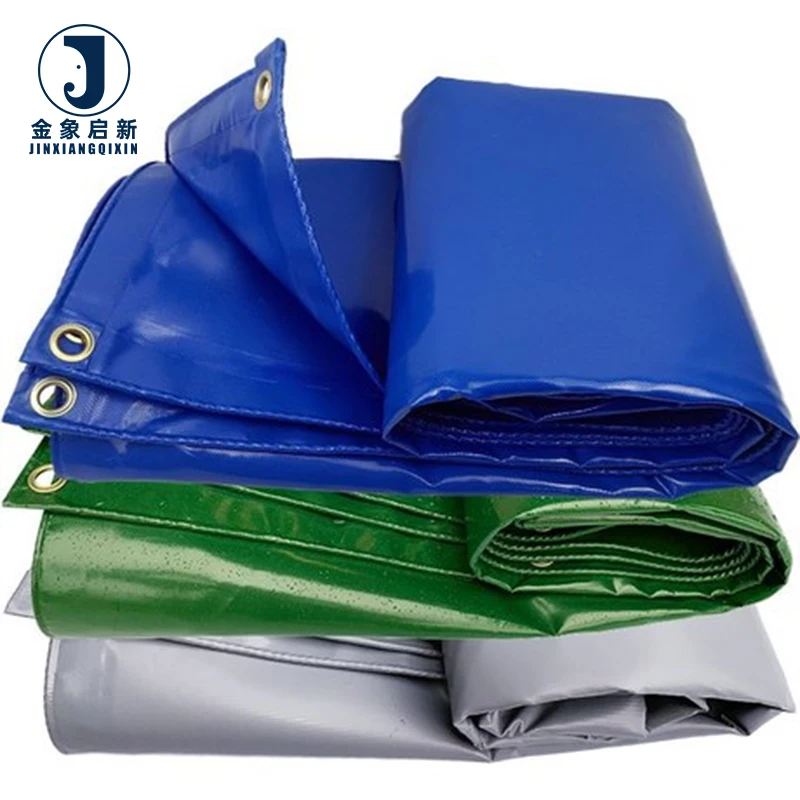
| Colour | Custom colour available; standard colours in stock |
| Roll Width | Custom width available to match container loading plans |
| Roll Length | Custom length available |
| Certification | ISO, CE (confirm applicability to your order) |
Application Suitability
| Application | Exposure & Requirement |
|---|---|
| Tarpaulin distributor restocking | Regional resale demands verified GSM and batch-consistent colour across every roll in the shipment |
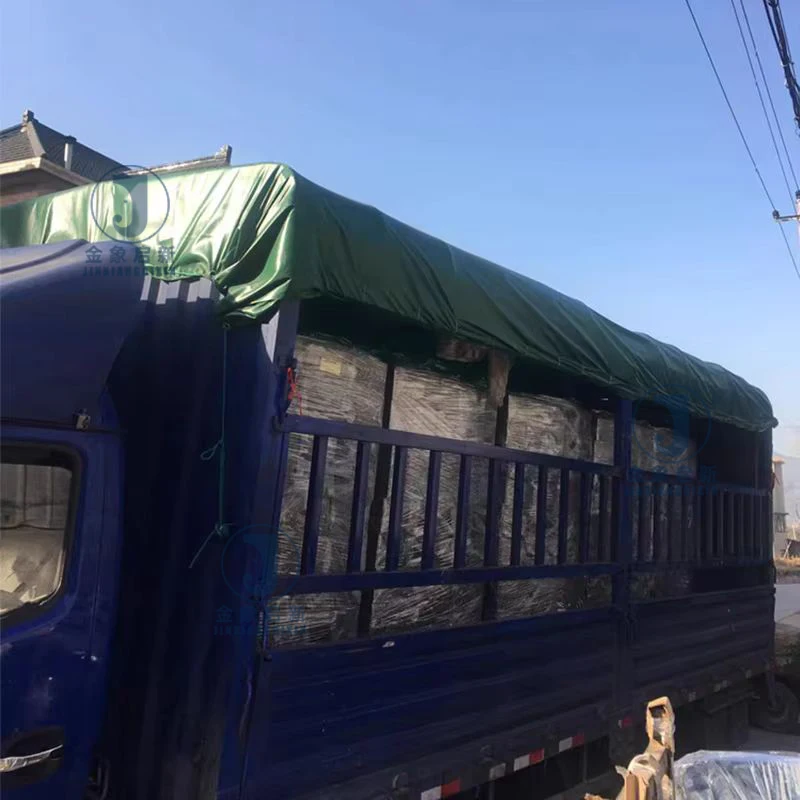
| Fabricator cutting truck covers | Roll stock must weld cleanly at seams, resist road abrasion, and flex repeatedly without coating crack |
| Transport fleet side-curtain replacement | In-house maintenance teams need material that matches existing curtain colour and handles daily tie-down tension |
| Pallet and equipment cover manufacturing | Rolls cut into smaller panels require uniform coating weight so heat-sealed edges perform consistently |
| General outdoor weather protection | Mid-duty to heavy-duty grades for temporary and semi-permanent covers exposed to rain, wind, and sun |
Why GSM Verification Matters More Than the Number on the Quotation
A quoted 500gsm or 600gsm means nothing if the roll that arrives weighs less.
Tarpaulin buyers across wholesale and distribution channels have received shipments where the actual GSM fell below what was stated on the commercial invoice. The shortfall is often invisible until the fabric is cut, welded, and put under tension — at which point the material tears or the seams fail prematurely. [NEED_CITE: pre-shipment weighing protocols for coated fabric rolls per ISO 1421] With this PVC coated tarpaulin roll series, every roll passes through a documented inspection checkpoint where weight per square metre is measured and recorded before packing. The inspection record travels with the shipment, so you can reconcile the physical product against your purchase order the moment the container is opened.
How Roll-to-Roll Consistency Is Maintained Across Bulk Orders
Buying PVC coated tarpaulin by the roll at container volume means dozens of rolls must match in colour, weight, and surface finish. A variation visible only when two panels are installed side by side can trigger a full return from your end customer. Production for this series follows a controlled coating process where PVC compound batch, oven temperature, and line speed are logged per run. Rolls from the same production run are grouped and labelled together, so your container loads with uniform material from first roll to last. [NEED_CITE: batch tracking methods for PVC coated fabric production]
Choosing Between 500gsm and 600gsm for Your Market
The 500gsm grade suits mid-duty applications where the cover is handled frequently and weight savings matter — think pallet covers, light equipment wraps, and temporary site enclosures. The 600gsm grade steps into heavier service: truck cargo covers, semi-permanent outdoor shelters, and industrial equipment protection where the fabric faces sustained wind load and mechanical abrasion. Both grades share the same PVC coating chemistry and base fabric construction, so weld parameters and fabrication techniques carry over between them. Stocking both grades lets distributors serve a wider customer range from a single supplier.
Coating Weight, Base Fabric, and What They Mean for Fabrication
GSM alone does not determine how a PVC coated tarpaulin roll behaves on the welding table or under load. The ratio of PVC coating weight to base fabric density governs peel strength at welded seams and tear propagation resistance. A roll with heavier coating but a looser scrim may weld easily but tear along the weave when flexed. Conversely, a tight scrim with thinner coating delivers higher tensile strength but demands precise heat control during fabrication. For these 500gsm and 600gsm grades, the coating-to-scrim ratio is balanced for standard hot-air and high-frequency welding equipment used by most tarpaulin fabricators. Anti-UV and flame retardant treatments, when specified, are compounded into the PVC layer during coating rather than applied as a topcoat, which maintains treatment effectiveness through abrasion and weathering. [NEED_CITE: relationship between coating weight and tensile performance in PVC coated fabrics]
The Hidden Cost of Specifying on Price Alone
When a roll order is awarded on the lowest quoted GSM price, the supplier has incentive to deliver lighter material. A shortfall of even a small percentage in coating weight reduces waterproof integrity, lowers tear resistance, and shortens service life under UV exposure. Distributors who have received underweight rolls face warranty claims from their own customers, container return shipping costs, and reputational damage that outweighs the initial saving. [NEED_CITE: common causes of coated fabric field failures in wholesale distribution] Colour inconsistency between rolls from different production batches forces fabricators to sort and match panels manually, adding labour cost and delaying delivery to their end clients.
Why Source PVC Coated Tarpaulin Rolls Through This Supply Chain
Three full production lines and 36 sets of professional equipment support bulk capacity with reliable on-time delivery, so container orders ship on schedule rather than waiting for available line time. A dedicated QA/QC checkpoint at every production stage — from base fabric inspection through coating, winding, and packing — catches deviations before they reach the container. The 10-person R&D team handles custom width, colour matching, and treatment formulation, developing samples within days for buyer approval before bulk production runs. Nearly 30 years of focused experience in coated fabric manufacturing provides the process knowledge needed to maintain roll-to-roll consistency across repeat orders. Pre-shipment inspection records, material specification sheets, and certificates of origin are prepared as standard documentation, reducing customs delays at destination ports.
Documentation & Verification
- Material specification sheet confirming base fabric denier, coating weight, and stated GSM for each roll grade
- Pre-shipment inspection record with measured weight per square metre logged per roll
- Roll packing list detailing roll count, individual roll dimensions, and net weight per container
- Certificate of origin prepared for destination customs clearance
- Test reports for UV and flame retardant treatments supplied when specific grades are confirmed at order
Fabrication, Handling & Storage
- Hot-air welding temperature should be calibrated to the 500gsm or 600gsm grade before production runs begin
- Store rolls upright on end caps to prevent edge compression and permanent creasing across the roll face
- Allow cold-stored rolls to reach workshop temperature before unrolling to avoid coating micro-cracking
- Matte finish rolls may require adjusted pressure settings during high-frequency welding compared to glossy finish
- Clean PVC surfaces with mild detergent only; solvent-based cleaners can degrade anti-mildew treatment
- Plan cutting layouts to maximise yield from each roll width and minimise offcut waste at the fabricator
What to Include With Your Inquiry
To receive an accurate quotation with lead time and minimum order quantity, provide the target GSM grade (500gsm or 600gsm), required roll width and length, annual volume estimate, and destination port. If your market requires flame retardant or anti-static certification, specify the standard your end users demand so the correct treatment grade is formulated. Confirm whether you need standard stock colours or a custom colour match, and whether sample approval is required before bulk production.
Frequently Asked Questions
Q: How is GSM verified on each roll before shipment?
A: Every roll is weighed and measured at the QA checkpoint after winding. The measured GSM is recorded on the pre-shipment inspection report, which is included with the shipping documents. You can cross-check the values against your purchase order upon receipt.
Q: How do you maintain colour consistency across multiple rolls in one order?
A: Rolls for a single order are produced from the same PVC compound batch on the same production line within a continuous run. Each roll is labelled with its production batch number so you can verify matching sets when the container is unloaded.
Q: What custom widths and roll lengths can be supplied?
A: Roll width and length are configurable to match your fabrication equipment and container loading plan. Wider rolls reduce the number of welded seams in finished covers, while shorter roll lengths may suit smaller workshop handling. Confirm your requirements at inquiry stage.
Q: What is the minimum order quantity for custom colour or treatment?
A: Custom colour and treatment orders carry a minimum based on the production line batch size needed to maintain consistency. The MOQ depends on the specific colour and treatment combination. Request a quotation with your colour reference and required treatment to receive the applicable minimum.
Q: How are rolls packed for ocean freight to prevent damage?
A: Each roll is wound on a rigid core and fitted with protective end caps to guard against edge crushing. Rolls are packed horizontally or vertically depending on container configuration, with moisture barriers included to prevent condensation damage during transit.