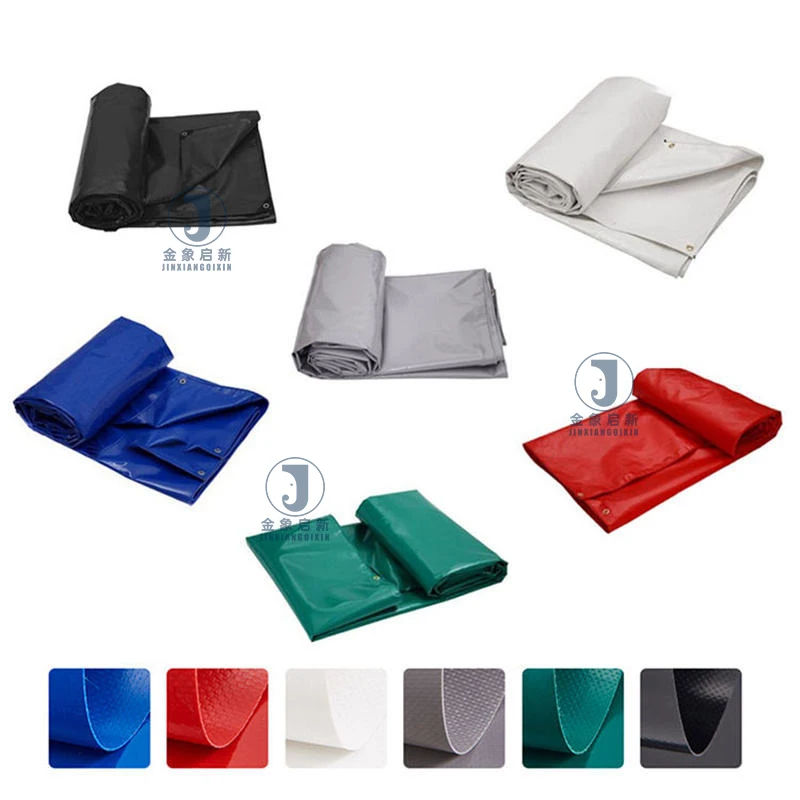
Description
Consistent Roll-to-Roll GSM — Every PVC Coated Tarpaulin roll ships with a documented weight verification record, eliminating the mismatch between quoted and delivered material for wholesale buyers.
Technical Specifications
| Parameter | Value |
|---|---|
| Product Type | PVC Coated Tarpaulin |
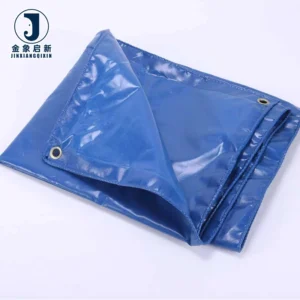
| Specification | Customized 12m by 12m PVC Trailer Tarpaulin Sheets 650gsm |
| Base Fabric | 100% high toughness polyester yarn |
| Base Fabric Denier | 500D (medium) / 1000D (heavy) / 500D-2000D (super heavy) |
| Coating Material | PVC |
| Coating Technology | Lamination technology and hot melt coating technology |
| Weight Range | 400-500 g/m² (medium) / 700-1000 g/m² (heavy) / 1100-1500 g/m² (super heavy) |
| Total Thickness | 0.35-0.45mm (medium) / 0.70-1.0mm (heavy) / 1.2-1.5mm (super heavy) |
| Tensile Strength | Longitude 1500-2000 / Latitude 1200-1800 N/5cm (medium); Meridian 2000-2500 / Latitude 1800-2200 N/5cm (heavy); Warp 2500-3000 / Weft 2200-2800 N/5cm (super heavy) |
| Key Features | Waterproof, cold resistant cracking, mold proof, anti-static treatment |
| Optional Treatments | Flame retardant (grade not stated), UV treatment (test basis not stated) |
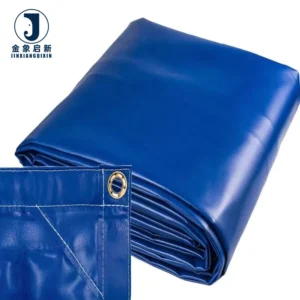
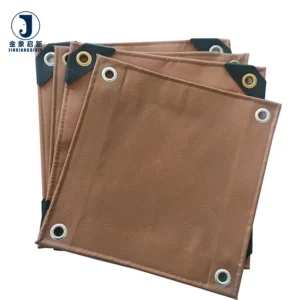
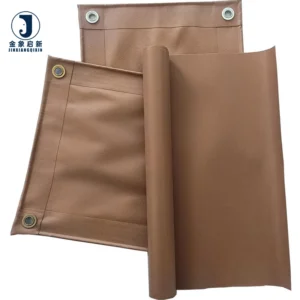
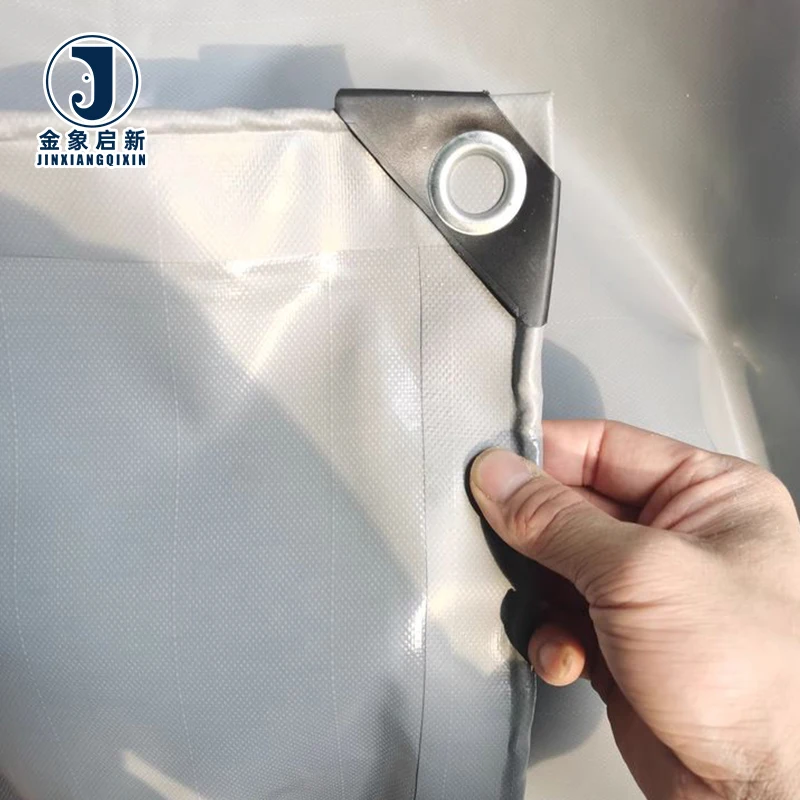
| Accessories | Eyelets, reinforced hems |
| Size | 12m x 12m (customizable) |
| Standards | ISO, CE |
Application Suitability
| Application | Exposure & Requirement |
|---|---|
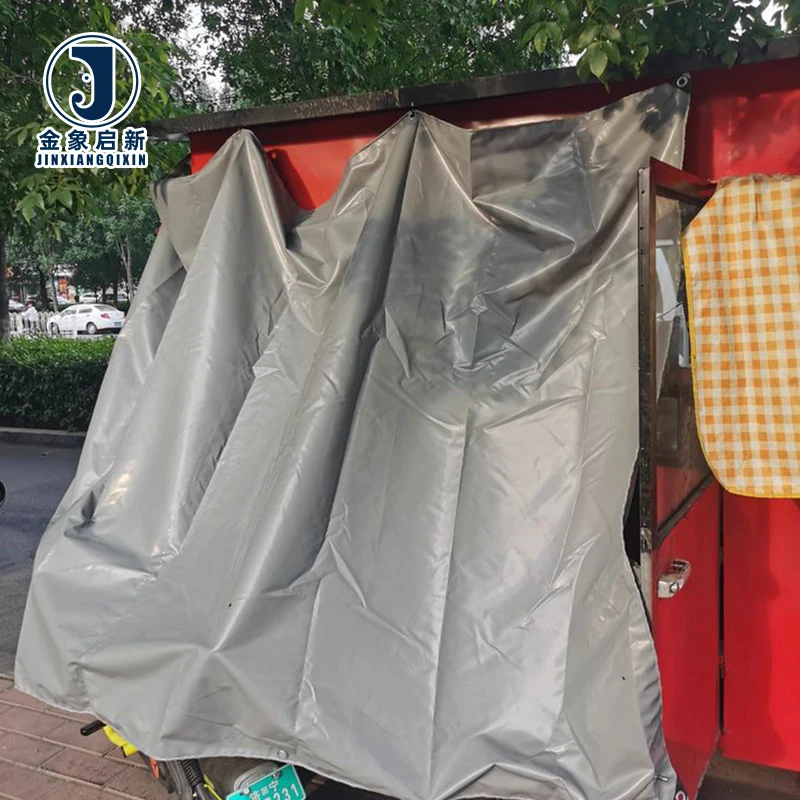
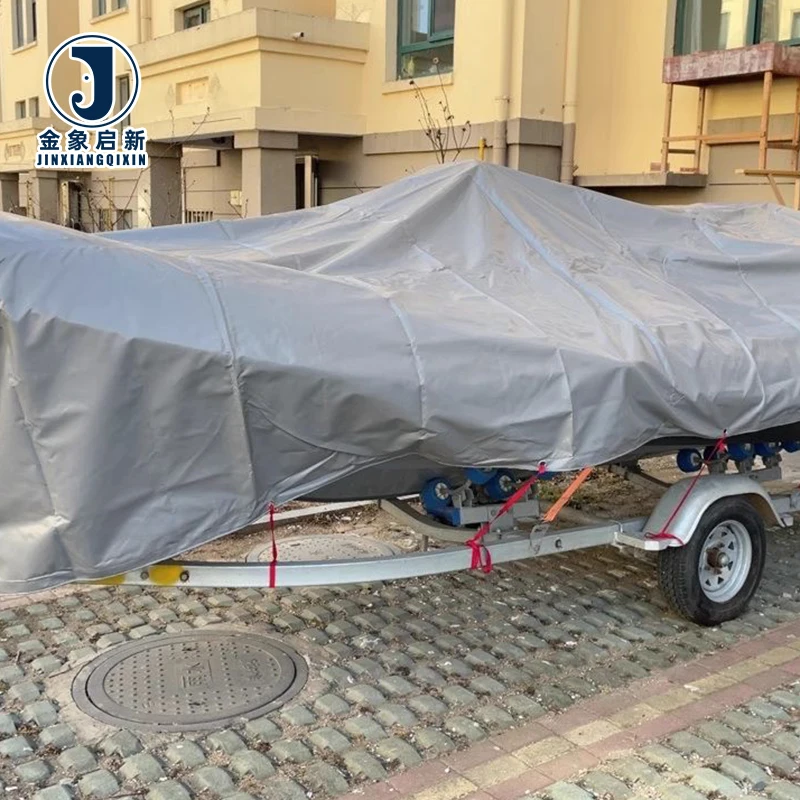
| Truck and trailer load covering | Constant flexing at tie-down points, road debris abrasion, UV and rain exposure, wind uplift on highway transit |
| Construction site equipment covers | Prolonged outdoor storage, dust and moisture ingress, puncture from sharp edges on machinery |
| Industrial pipe canopy | Sustained tension load, thermal cycling, chemical splash contact, weld seam integrity under load |
| Tensioned structural fabric | Biaxial stress, snow and wind loading, long-term creep resistance, seam reliability |
Why Wholesale Buyers Cannot Rely on GSM Alone When Ordering PVC Coated Tarpaulin
GSM tells you what the roll weighs, not how it was built.
When sourcing PVC Coated Tarpaulin by the roll, many wholesale buyers anchor their purchasing decision to a single number: grams per square metre. A 650gsm sheet sounds comparable across suppliers, yet two rolls at identical weight can diverge sharply in tear resistance, weld strength, and service life. The difference lies in the base fabric denier, the knit density, the coating adhesion method, and whether the stated GSM is verified after production or only quoted before it. I have seen heavy-grade coated rolls fail at the weld line while the fabric body remained intact — a failure mode that has nothing to do with weight and everything to do with how the coating bonds to the polyester scrim. Without documented pre-shipment inspection, the GSM figure on the invoice is just a promise. [NEED_CITE: tensile and tear test methods for coated fabrics per ISO 1421]
Batch-to-Batch Colour Consistency Across Container-Load Orders
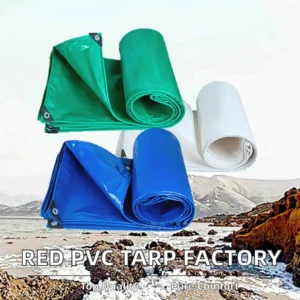
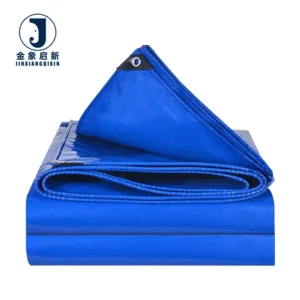
Distributors stocking multiple PVC Coated Tarpaulin rolls from a single shipment face an immediate problem when colour drifts between batches. A blue truck cover installed beside a slightly different blue from the same order becomes visible the moment both sheets are deployed in daylight. Colour control at the coating stage requires tight pigment dosing and consistent curing temperature across every production run. For wholesale buyers filling full containers with mixed widths and grades, confirming colour reference standards before production begins is the only way to avoid rejection on arrival.
Roll Width Flexibility and Container Loading Efficiency
Stock widths suit some markets but leave others carrying dead trim. Wholesale importers often need widths that match their downstream cutting patterns to reduce waste and labour at the fabrication stage. Ordering PVC Coated Tarpaulin in custom widths aligned to the finished sheet dimensions — such as 12m by 12m trailer covers — cuts material loss and keeps container load plans efficient. Each roll diameter and weight must be calculated against container cubic capacity so that no space is lost to poorly planned stacking. [NEED_CITE: container loading optimisation for coated fabric rolls]
How Base Fabric and Coating Method Determine Real-World Performance
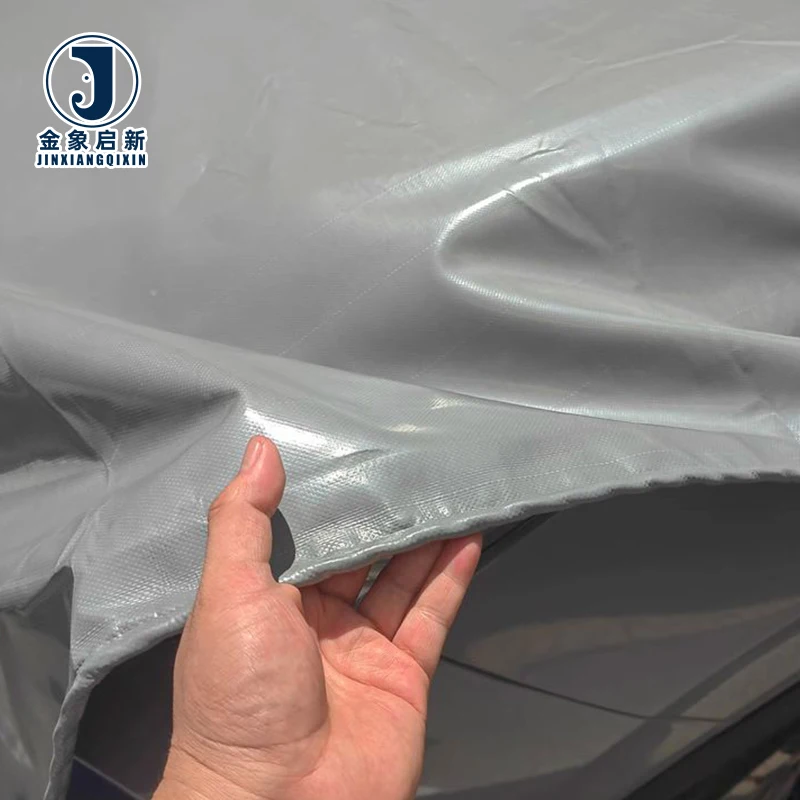
The polyester base fabric denier — whether 500D, 1000D, or up to 2000D — sets the floor for tear propagation resistance. A higher denier yarn resists the spread of a puncture once the coating surface is breached. Lamination technology and hot melt coating technology differ from simple knife-over-roll application in that the PVC is forced into the scrim under heat and pressure, producing stronger interlayer adhesion. This adhesion directly affects welding tear strength: when two sheets are heat-welded, the seam must resist peeling apart under the same flex loads the fabric body endures. Weight alone does not capture this. A 650gsm roll built on a tight 1000D scrim with hot-melt coating will outperform a heavier roll made on a loose weave with weak adhesion. Thickness readings between 0.35mm and 1.5mm across the product family further reflect how coating weight and base fabric combine to produce the final sheet — and why a specification conversation must go beyond a single GSM number.
The Hidden Cost of Specifying the Wrong Grade for Your Market
Ordering a medium-weight grade when the application demands heavy-duty PVC Coated Tarpaulin leads to early failure at stress points — typically where tie-down straps press against the fabric or where welded seams meet reinforced hems. The reverse mistake, specifying super heavy material for light transport covers, inflates freight cost and makes handling on-site unnecessarily difficult. Colour inconsistency across rolls in a single order forces distributors to sort and match before resale, adding labour and delaying dispatch to end customers. Welded seams that separate before the fabric itself wears through point to a coating adhesion problem, not a weight problem, and they surface only after the material has been fabricated and put under load. Each of these failures traces back to incomplete specification at the inquiry stage. [NEED_CITE: common failure modes in PVC coated tarpaulin field use]
Why Wholesale Buyers Source Roll Stock Through This Production Line
Three full production lines and 36 sets of professional equipment support bulk PVC Coated Tarpaulin output with reliable on-time delivery across mixed-SKU container orders. A 10-person R&D team handles material selection, custom width configuration, and sample development so that approval happens before full production begins. Dedicated QA and QC at every production stage means each roll is weighed, measured, and visually inspected — not spot-checked — before it leaves the factory. Samples for custom colour and width requirements are developed within days, shortening the gap between inquiry and confirmed order. ISO and CE certified production ensures documentation meets the import requirements of distributors operating across multiple regulatory markets. Pre-shipment inspection records accompany every dispatch, giving wholesale buyers the verification they need before the container is sealed.
Documentation & Verification
- Material specification sheet stating GSM, base fabric denier, and coating method per roll
- Pre-shipment inspection record confirming 100% QC before container loading
- Roll packing list detailing roll count, individual weight, and container loading plan
- Test report for UV and flame-retardant grades where applicable to the ordered specification
- ISO and CE certificates included with every shipment documentation set
- Certificate of origin and customs support documents for destination clearance
Fabrication, Handling & Storage
- Heat-weld at temperatures matched to the PVC coating method — hot melt coated sheets require different dwell times than laminated grades
- Reinforced hems with eyelets should be placed at intervals matching the 12m by 12m sheet dimensions to distribute tie-down load evenly
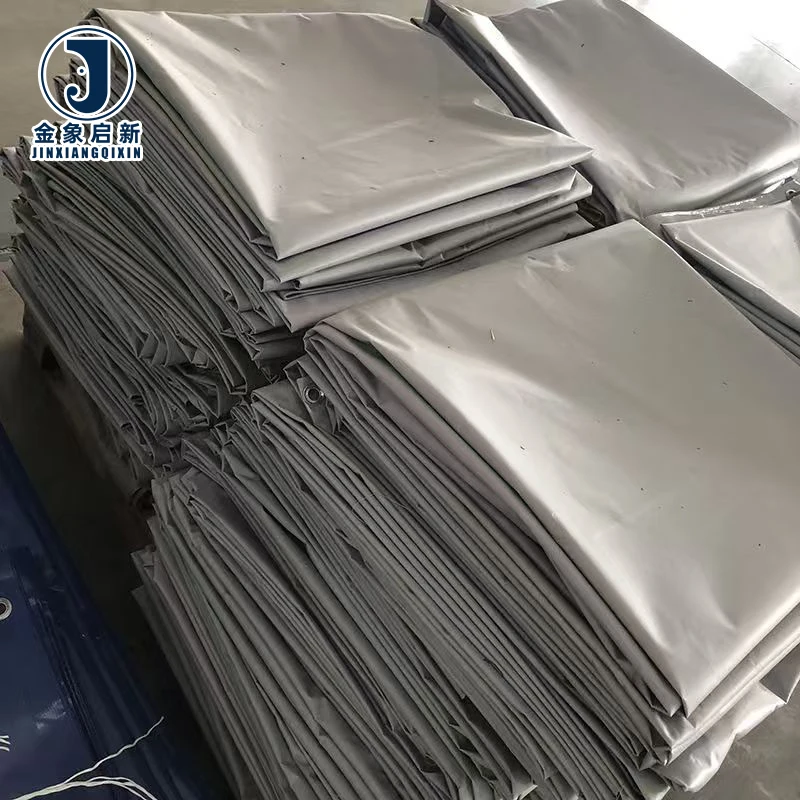
- Store rolls upright on pallets to prevent flat spots that create permanent creases in the PVC coating layer
- Allow cold-stored rolls to acclimatise before unrolling to avoid cracking in the PVC surface at low temperatures
- Use mild detergent for cleaning — solvent-based cleaners can degrade the anti-static treatment on the coating surface
- Plan cutting layouts to maximise yield from the roll width, reducing offcut waste on 12m by 12m sheet orders
Preparing Your Inquiry for Accurate Quotation
To receive a specification that matches your market, include your target application and the environmental conditions the material will face — UV exposure duration, temperature range, and any chemical contact. State the roll widths and sheet sizes you need, along with annual volume, so that production scheduling and pricing tiers can be structured around your order pattern. If your destination market requires specific fire classification or anti-static certification, name the standard so that the correct treatment grade is applied and documented before shipment.
Frequently Asked Questions
Q: How is GSM verified per roll and what documentation accompanies shipment?
A: Each roll is weighed and measured after production, and the actual GSM is recorded on a pre-shipment inspection report. This report ships with the material specification sheet, packing list, and certificates. The documented GSM is cross-referenced against the quoted value so you can confirm the match before the container leaves the factory.
Q: How do you control colour consistency across rolls in the same bulk order?
A: Pigment dosing and curing temperature are locked to a colour reference standard approved during sampling. Every roll in the order is produced under the same parameters, and visual comparison against the reference sample is part of the pre-shipment inspection. This ensures rolls within a container match when installed side by side.
Q: What custom widths and roll lengths are available, and what are the MOQs?
A: Widths are configured to match your downstream cutting patterns, reducing trim waste. Roll lengths and MOQs depend on the selected weight grade and colour. Request a quotation with your target dimensions and annual volume so that production can be scheduled and container loading can be planned around your specific requirements.
Q: How is roll stock packed for container loading to prevent transit damage?
A: Rolls are packed upright on pallets with protective wrapping to prevent crushing and moisture ingress during ocean freight. The packing list details roll count, individual weight, and container loading plan so you can verify the shipment on arrival and plan your warehouse receiving accordingly.
Q: Can I order mixed weight grades in one container?
A: Yes. Medium, heavy-duty, and super heavy grades can be combined in a single container order. Each grade is listed separately on the packing list with its own inspection record. This allows distributors to stock multiple product tiers from one shipment while maintaining full traceability per roll.