Description
Verified Roll Consistency — Every PE tarpaulin roll is weighed and recorded at dispatch, matching the stated GSM grade with batch-to-batch colour control across container loads.
Technical Specifications
| Parameter | Value |
|---|---|
| Product Type | PE Tarpaulin |
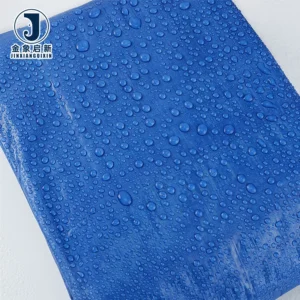
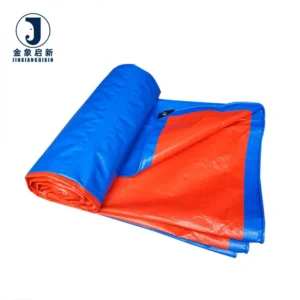
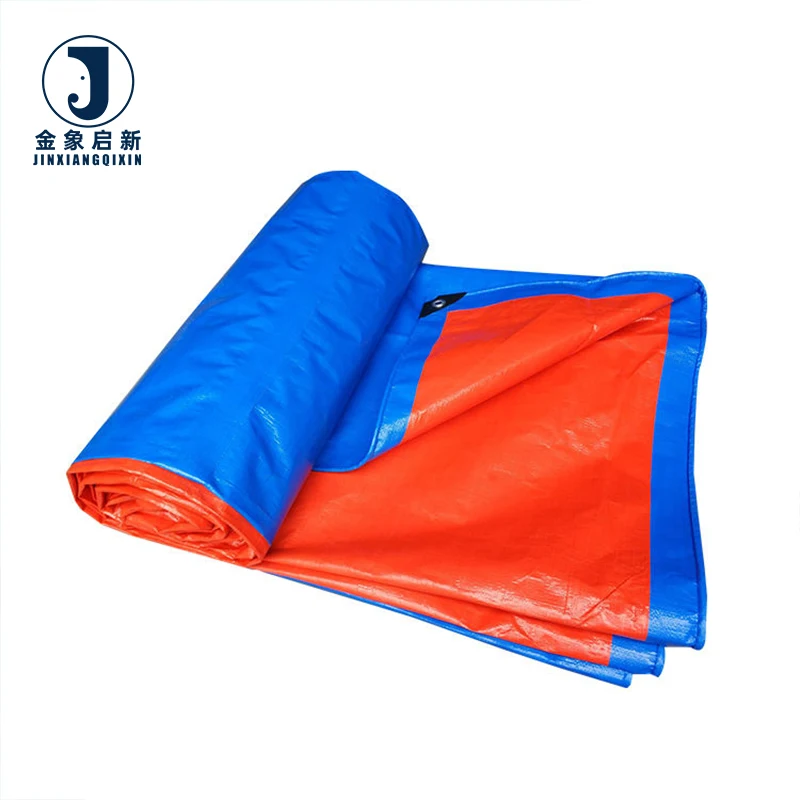
| Material | HDPE weaving with LDPE lamination on both sides |
| GSM Range | 50g/m² to 220g/m² |
| Total Thickness | 0.2–0.4mm / 8 mil–16 mil |
| Mesh Count Options | 6×6, 6×7, 7×7, 7×8, 8×8, 9×9, 8×10, 10×10, 12×12, 14×14, 14×16 weave |
| Roll Width | 6ft, 8ft, 10ft, 12ft, 2m, 4m, 6m |
| Roll Length | 100 yards, 100 meters, or custom |
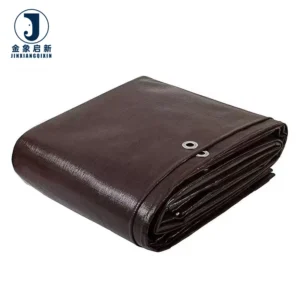
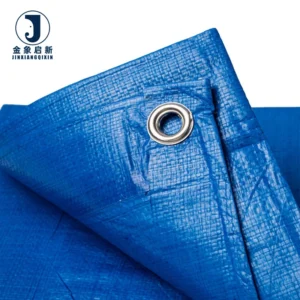
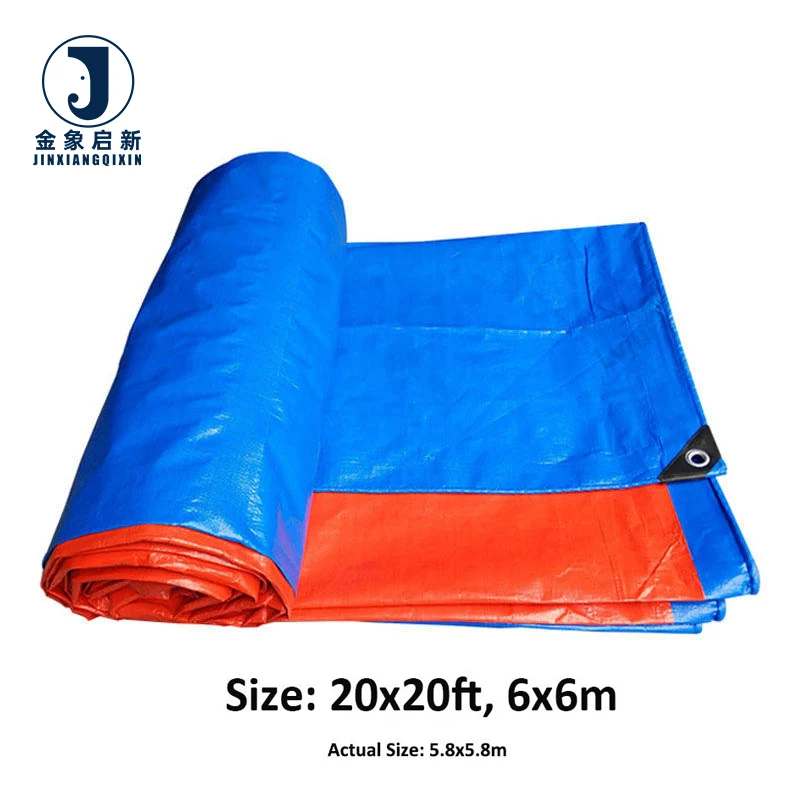
| Finished Tarpaulin Hem | All four edges reinforced with PP rope in hem |
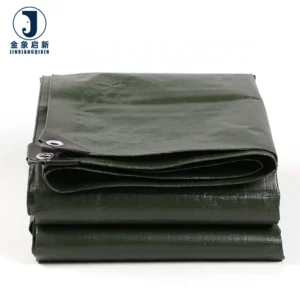
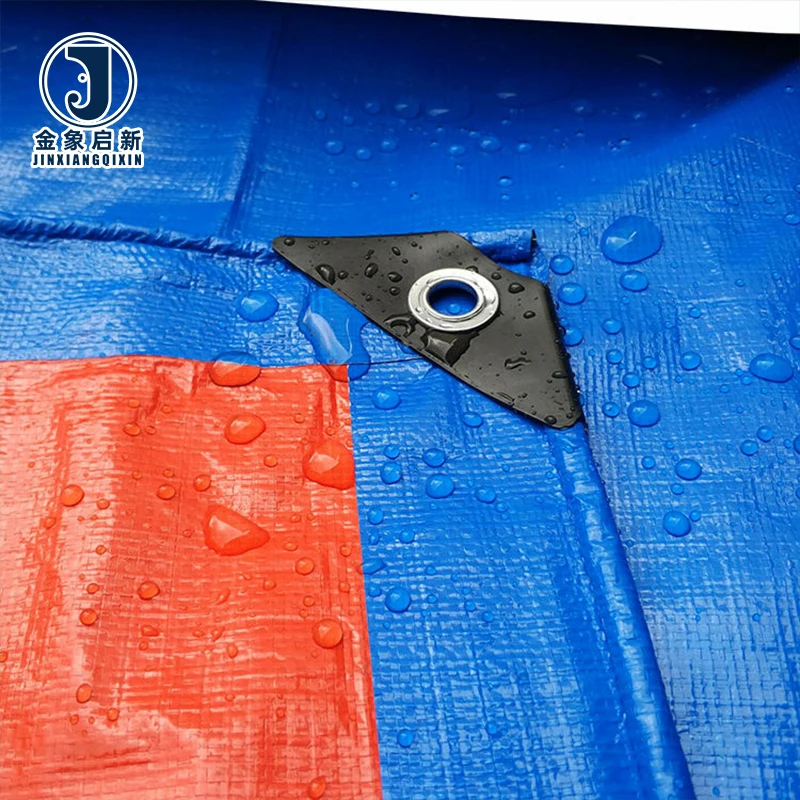
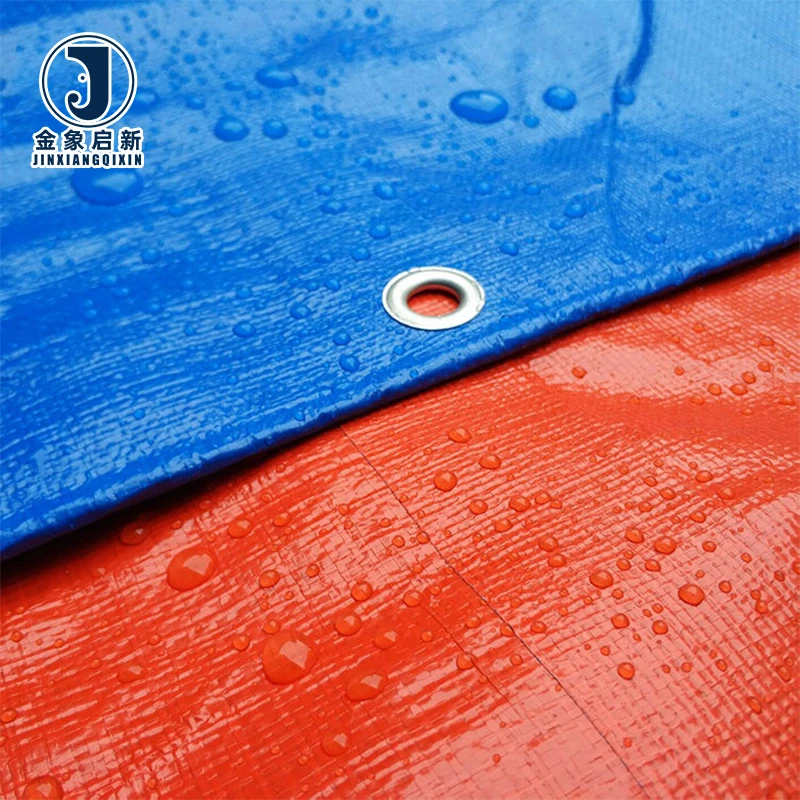
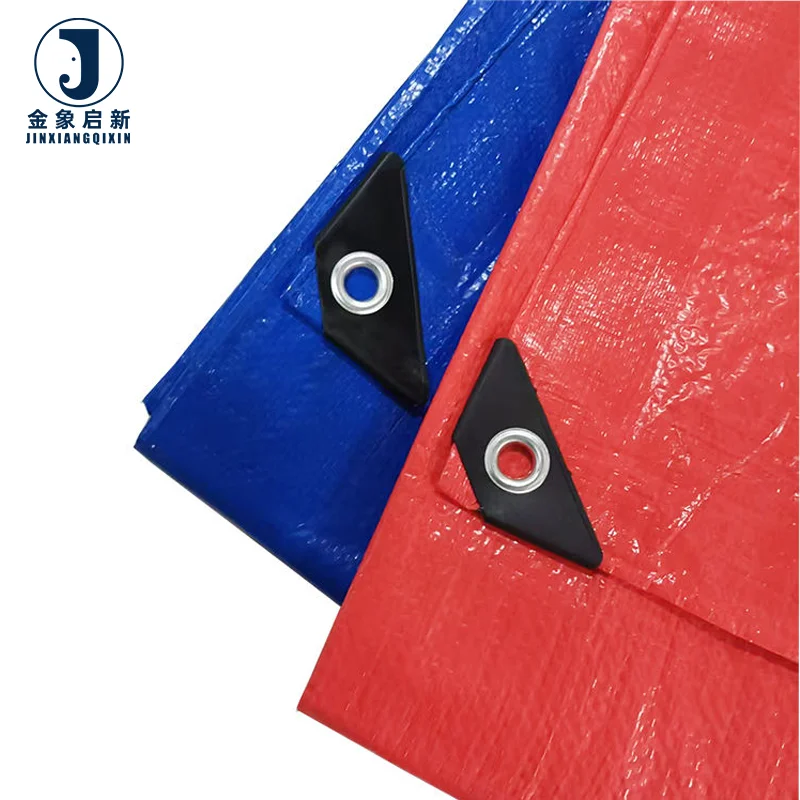
| Finished Tarpaulin Eyelets | Galvanized eyelets every 3ft or 1 meter interval |
| Finished Tarpaulin Corners | Reinforced plastic corners |
| UV Treatment | Available (test basis not stated) |
| Waterproof | Yes |
| Mildew Proof | Yes |
| Anti-aging | Yes |
| Key Features | Waterproof, mildew-proof, anti-aging, tear-resistant, washable |
| Standards | ISO and CE |
Application Suitability
| Application | Exposure & Requirement |
|---|---|
| Wholesale distribution and resale | Multiple GSM grades and colour options needed to cover regional market segments, roll-to-roll batch consistency |
| Agricultural crop and hay covers | Prolonged sun and rain exposure, moisture resistance, mildew-proof surface for stored organic material |
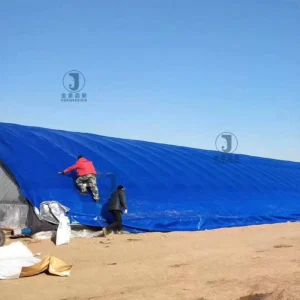
| Construction site material covers | Dust, debris, and water exposure on scaffolding, roofing materials, and stored aggregates |
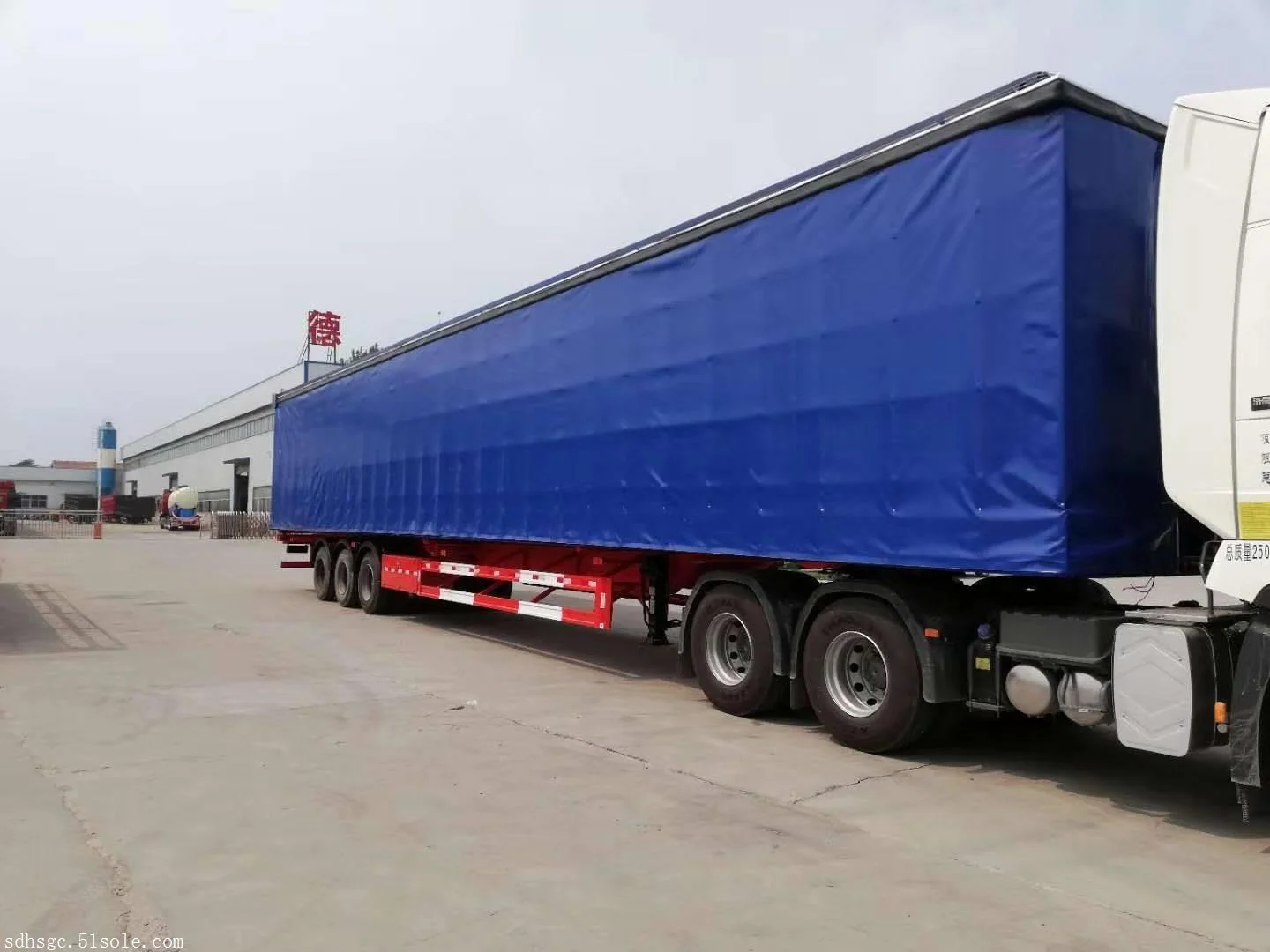
| Truck canopy and load wrapping | Wind uplift, road spray, repeated tie-down tension on eyelets, abrasion at contact points |
| Pond and reservoir lining | Permanent water contact, soil chemistry, puncture risk from substrate |
Why Arriving Rolls Weigh Less Than Quoted — And How to Prevent It
A roll that arrives below its quoted GSM means the buyer pays for material that was never shipped.
When purchasing PE tarpaulin roll wholesale bulk, weight discrepancy between the quotation and the physical delivery is among the most frequent complaints from importers. A 90gsm grade quoted on paper can arrive closer to 80gsm, leaving the distributor selling a lighter product under a heavier label. This erosion is often undetectable without cutting a sample and weighing it on a calibrated scale, by which point the container has cleared customs and the cost of return is prohibitive [NEED_CITE: pre-shipment weight verification methods for coated fabric rolls].
The root cause typically lies in the base fabric weave density and the lamination weight applied during production. If either stage is not monitored with per-roll sampling, the finished product drifts below the target specification without triggering a stop.
Mesh Count and GSM Mapping for Grade Selection
Selecting the correct grade within the PE tarpaulin family requires matching mesh count to the intended end use. The 6×6 and 6×7 weaves correspond to 50–60gsm, producing a lightweight sheet suited to temporary crop covers and short-term dust barriers. Moving to 7×7 and 7×8 weave at 60–80gsm provides a mid-range option for construction site enclosures and general-purpose pallet wrapping. The heavier 12×12 weave at 120–150gsm and 14×14 weave at 150–250gsm serve truck canopies and outdoor awnings where tie-down tension and wind load demand greater tear resistance. Each grade is supplied as roll stock, allowing the distributor to stock the range their market requires without carrying finished-tarpaulin inventory.
Roll Width and Container Loading for Distribution Efficiency
Stocking PE tarpaulin roll wholesale bulk demands attention to how roll dimensions affect container utilisation. Roll widths from 2m to 6m determine how many linear metres fit per container and how the downstream converter will slit or cut the material to size. A 4m or 6m roll width allows a single-pass conversion to large finished tarps with minimal offcut waste, while narrower 2m rolls suit markets where smaller cut-to-size sheets dominate. Container loading capacity by roll, bale, or carton packing varies by tonnage, and the packing method must align with the buyer’s warehouse handling equipment. Confirming the packing format before production avoids costly repacking at destination [NEED_CITE: container loading standards for rolled fabric shipments].
Weave Density, Laminate Weight, and Real-World Durability
The GSM figure alone tells only part of the performance story for any PE tarpaulin grade. GSM is the sum of the HDPE woven base fabric and the LDPE lamination on both sides. Two rolls can share the same GSM but differ significantly in how that weight is distributed between base and coating. A heavier base fabric with higher denier yarns delivers greater tensile and tear strength, while heavier lamination contributes to waterproofing and surface durability. The mesh count — whether 8×8 at 80–90gsm or 14×16 at 250–300gsm — indicates how tightly the HDPE tapes are woven, directly affecting how the material resists tear propagation once punctured. Tighter weaves restrict tear spread but add stiffness, which influences how the roll behaves during fabrication and installation. The total thickness of 0.2–0.4mm further indicates laminate build-up: thicker lamination generally improves abrasion resistance at tie-down points and contact surfaces, though at the expense of flexibility in cold conditions.
What Happens When the Wrong Grade Reaches the End User
Selling a lighter grade under a heavier label damages distributor reputation faster than almost any other fault in the tarpaulin supply chain. When a construction contractor specifies 120gsm PE tarpaulin roll wholesale bulk for scaffolding wraps and receives a material closer to 90gsm, the cover tears at the first strong wind, generating complaints that trace back to the importer. Similarly, rolls that vary in colour shade within the same shipment become visible once installed side by side on a retail display or warehouse floor, forcing the distributor to sort and segregate stock that should have been uniform [NEED_CITE: batch colour consistency standards in laminated PE fabrics]. The financial impact extends beyond replacement cost — it includes the freight, customs duty, and storage time invested in the original shipment.
Why Volume Buyers Source This Range Here
Three full production lines and 36 sets of professional equipment support high-volume PE tarpaulin output with reliable dispatch scheduling for container-load orders. A 10-person R&D team handles custom width, colour, and print requirements with samples developed within days for buyer approval before full production runs. Dedicated QA/QC at every production stage includes per-roll weight verification against the stated GSM, with 100% inspection before shipment to catch coating inconsistencies and weave defects. The mesh count to GSM mapping is maintained through controlled yarn tension and lamination weight parameters, ensuring that a 10×10 weave roll consistently falls within the 100–120gsm band across production batches. ISO and CE certification underpins the documentation package supplied with each order, meeting the compliance expectations of import markets across North America, Europe, and Asia.
Documentation & Verification
- Material specification sheet stating exact GSM, base fabric weave density, and LDPE lamination weight per roll
- Pre-shipment inspection record confirming 100% inspection coverage before container loading
- Roll packing list with per-roll weight and batch colour reference for traceability
- Certificate of origin and full customs documentation prepared for international shipments
Fabrication, Handling & Storage
- Heat sealing at lamination melting point works across all GSM grades — confirm temperature for heavier 14×14 weave rolls before production
- PP rope hem reinforcement distributes tie-down load on finished tarps; space galvanized eyelets at specified intervals to prevent edge tear
- Store rolls vertically on pallets to avoid flat-spot creasing on the LDPE lamination surface during warehouse holding
- Unroll cold-stored PE tarpaulin gradually to prevent lamination cracking at low-temperature stiffness points
- Cut-to-size from 4m or 6m roll widths using guided slitting to maintain straight edges and maximise yield per roll
- Reinforced plastic corners on finished tarps prevent eyelet pull-through at high-tension tie-down points
What to Include in Your Inquiry
Specify the GSM grade or mesh count range required for your market, along with the roll width and length that matches your downstream conversion process. Indicate whether you need PE tarpaulin roll wholesale bulk supply only, or finished tarpaulin sheets with hem reinforcement and eyelets installed. If custom colour or print branding is required, confirm the Pantone reference and minimum volume for sample development.
Frequently Asked Questions
Q: How is GSM verified before shipment and on arrival?
A: Every roll is weighed during production and recorded against the quoted GSM grade. A pre-shipment inspection record documents the actual weight per roll. On arrival, the buyer can verify by cutting a measured sample from any roll, weighing it on a calibrated scale, and comparing the result to the packing list. Discrepancies are addressed through the after-sales support channel with the inspection record as the baseline reference.
Q: How do you maintain batch colour consistency across rolls in the same order?
A: All rolls within a single order are produced from the same LDPE compound batch using controlled pigment ratios. A batch colour reference is recorded on the packing list for traceability. Buyers ordering multiple containers over time should retain a sample swatch from the first shipment so the factory can match subsequent production runs against the established shade standard.
Q: What roll width should I choose for container-load efficiency?
A: Wider rolls such as 4m or 6m allow more square metres of material per container when packed by roll, reducing per-unit freight cost. However, the choice depends on the downstream converter’s slitting capability and the finished-tarp sizes your market demands. Narrower 2m rolls may suit markets dominated by smaller cut-to-size sheets where wider stock would generate excessive offcut waste.
Q: Can you supply custom widths, colours, or printed branding on PE tarpaulin rolls?
A: Custom width, colour, and print are available with sample development completed before full production begins. Lead times and minimum volumes depend on the extent of customisation required. Buyers should provide the Pantone colour reference, print artwork, and target container quantity to receive a quotation with confirmed lead time and production minimums.
Q: How are rolls packed to prevent damage during ocean transit?
A: Rolls are packed by roll, bale, or carton format depending on the order specification and buyer preference. Each packing method affects container loading tonnage differently. The packing list records the exact format and weight per unit, allowing the buyer to confirm the packing method matches their warehouse handling equipment before production begins.