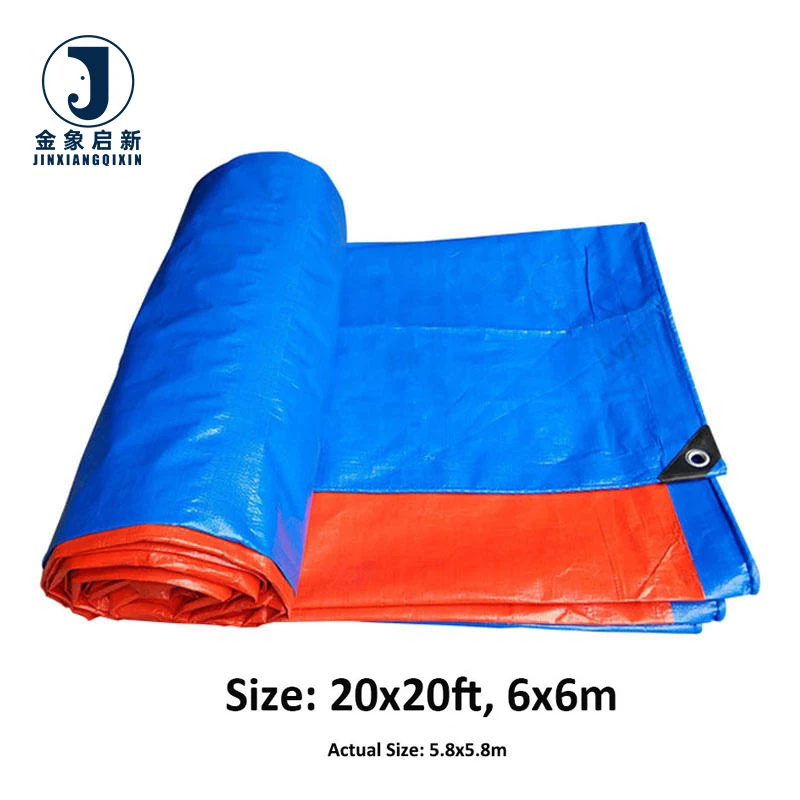
Description
Bulk Roll Consistency — 3 full production lines and 100% pre-shipment GSM inspection ensure every roll in a container-load order lands at the specified 160gms weight with batch-matched colour.
Technical Specifications
| Parameter | Value |
|---|---|
| Product Type | PE Tarpaulin Roll |
| Weight | 160gms |
| Base Fabric | HDPE woven fabric |
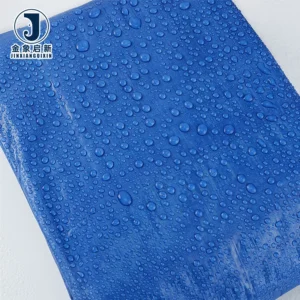
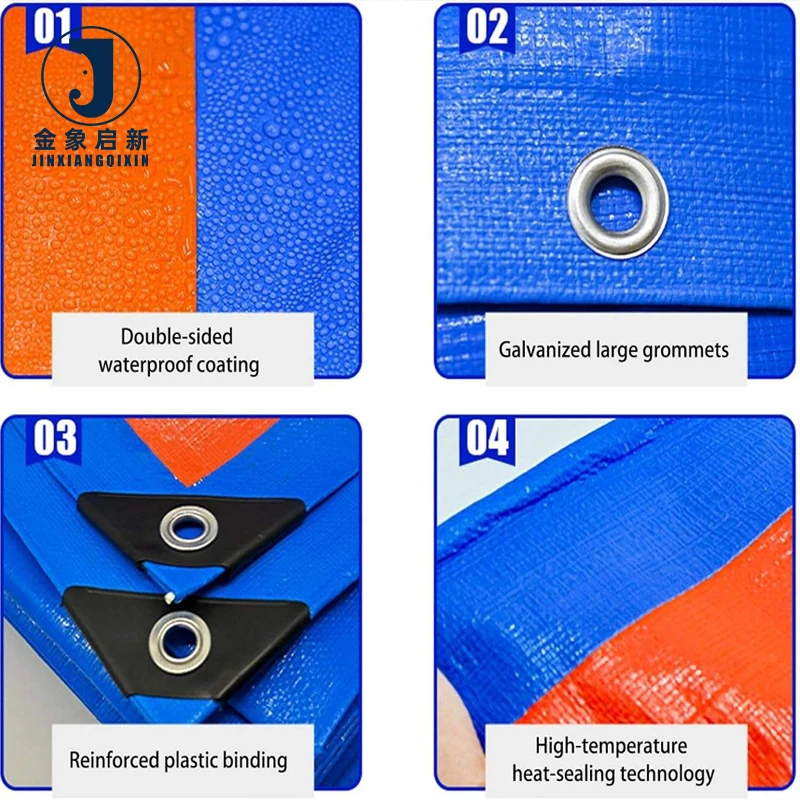
| Coating | LDPE coat on both sides |
| Mesh Count | 6×6 to 16×16 mesh |
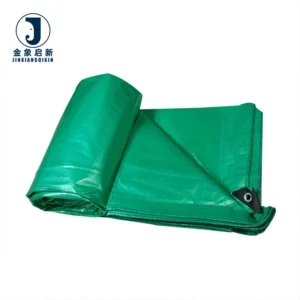
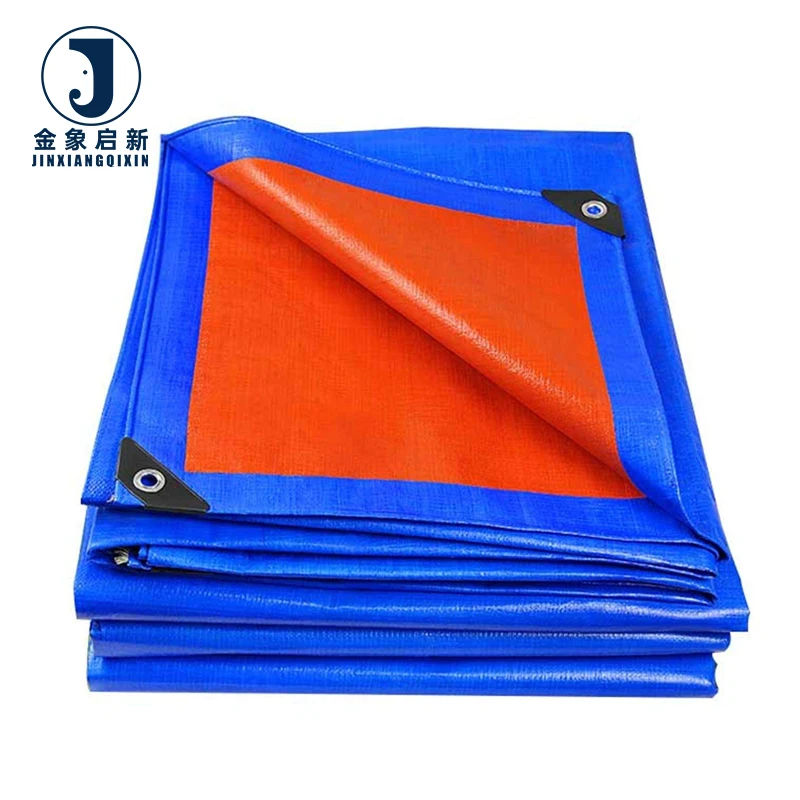
| Available Colours | Blue, Orange, White, Black, Grey, Yellow, Green, Red, any colour available |
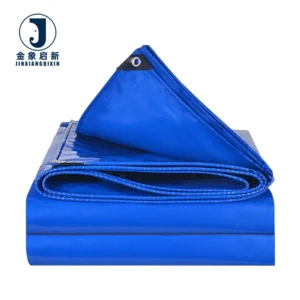
| Roll Length | 100m per roll or custom |
| Edge Finishing | All edges with PP ropes in hem |
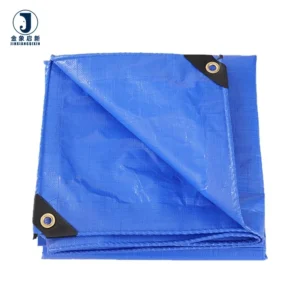
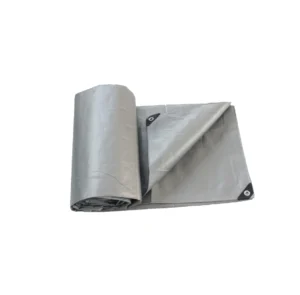
| Corner Reinforcement | Black plastic triangle at all corners |
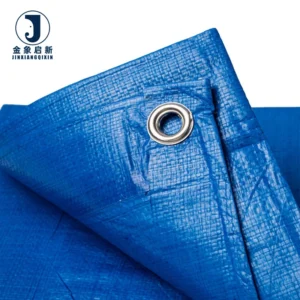
| Eyelets | Rustproof aluminum eyelet every 1m or 1.5m or custom |
| Printing | Logos or company information, reinforced strip available |
| Special Treatment | Fire resistant / UV protection available (grade not stated — confirm the grade required for your market) |
| Anti-Aging | Anti-oxidants added |
| Chemical Resistance | Acid and alkali resistance claimed (test basis not stated) |
| Container Loading — Rolls | 20GP ~17 tons, 40HQ ~28 tons |
| Container Loading — Bales | 20GP ~11 tons, 40HQ ~28 tons |
| Container Loading — Cartons | 20GP ~8 tons, 40HQ ~22 tons |
Application Suitability
| Application | Exposure & Requirement |
|---|---|
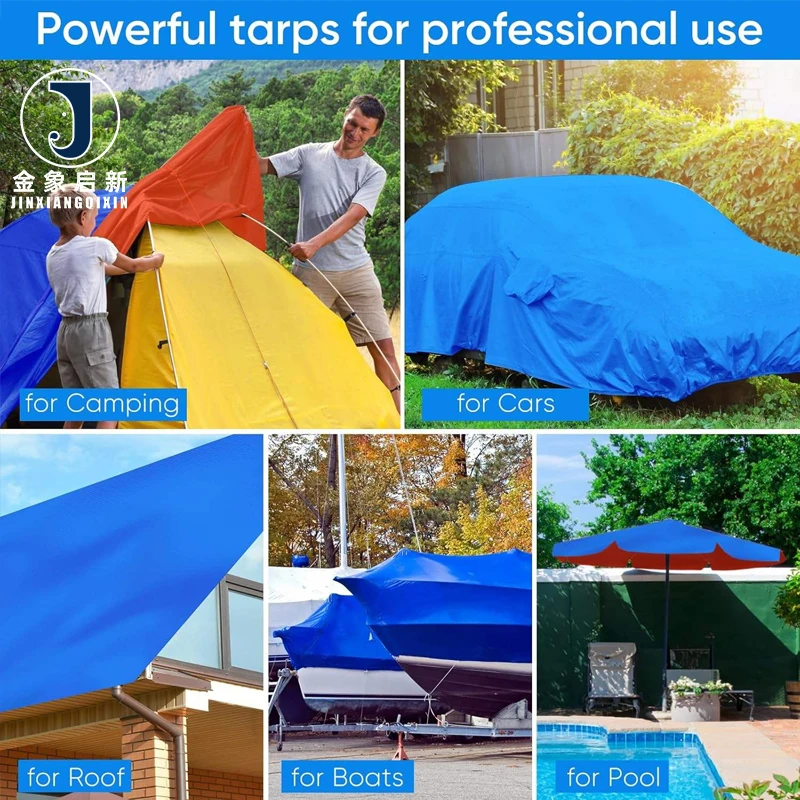
| Tarpaulin distribution and import | High-volume container ordering, roll-to-roll GSM and colour consistency for resale or conversion |
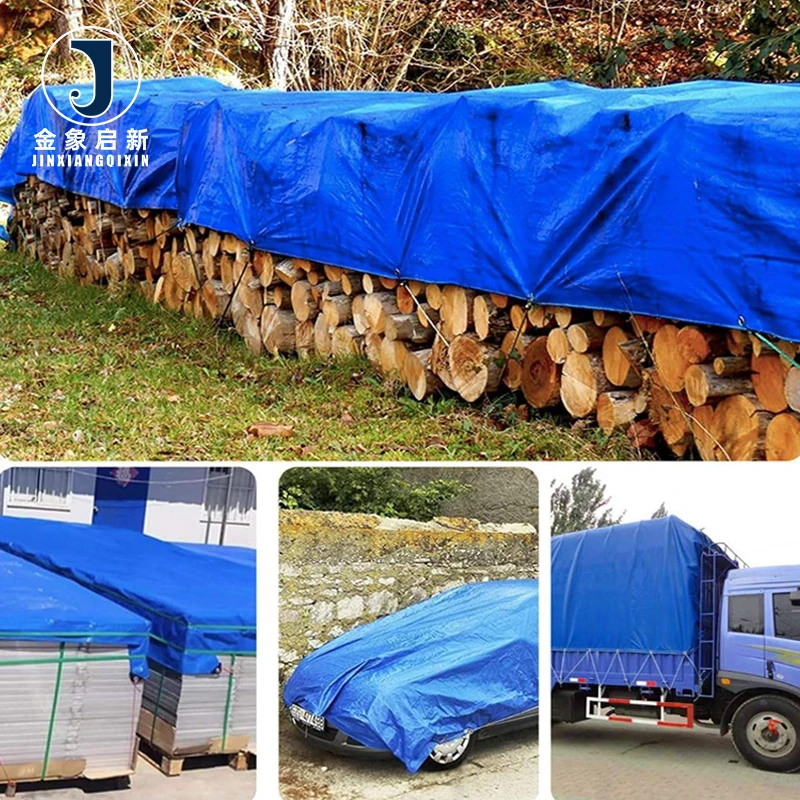
| Truck and trailer load covering | Road abrasion, wind flutter, UV exposure during transit, tie-down stress at eyelet points |
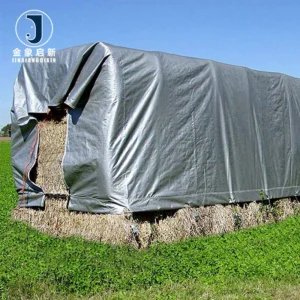
| Agricultural and aquaculture stock covering | Prolonged sun exposure, moisture contact, seasonal deployment and retrieval cycles |
| Construction site enclosure | Dust and debris containment, rain protection on materials and equipment, puncture from site handling |
| General outdoor equipment protection | Weather exposure, UV degradation, repeated folding and unfolding during use |
Why Stated GSM Rarely Matches What Arrives on the Dock
Every roll is weighed and cross-checked against the quoted 160gms before it leaves the factory — the spec you pay for is the spec that ships.
Distributors importing PE tarpaulin roll wholesale containers have opened cartons to find fabric that feels noticeably lighter than the agreed grade. [NEED_CITE: common discrepancy between quoted and actual GSM in imported woven tarpaulin] A shortfall of even a small percentage across a 28-ton 40HQ container means hundreds of square metres of missing material. That gap shows up as reduced tear resistance, earlier UV breakdown, and customer complaints once the fabric is in the field.
Roll-to-Roll Colour Matching Across a Full Container
When a distributor orders 500 rolls of blue 160gms PE tarpaulin for the season, those rolls will be cut and sold side by side. If one roll batch carries a slightly different pigment concentration than the next, the difference becomes visible the moment two panels hang next to each other at the end user’s site. This PE tarpaulin roll wholesale supply is managed through controlled pigment dosing and batch-level colour checks so that every roll within a container order tracks to the same colour reference. Custom colours are matched to a confirmed sample before production begins, and that reference sample stays on file for future reorders.
Container Load Efficiency and Packing Formats
The choice between roll, bale, and carton packing changes how much material fits in a container and how it arrives at the warehouse. Rolls at 100m standard length maximise linear metre yield per container — a 40HQ holds approximately 28 tons of rolls versus 22 tons in cartons. For PE tarpaulin roll wholesale buyers converting fabric in-house, rolls preserve a flat, uncreased surface that feeds directly through cutting tables. [NEED_CITE: tarpaulin roll packing methods and container load optimization] Bales suit buyers who repackage into retail-ready bundles, while cartons protect printed or finished sheets during transit.
How Mesh Density and Coating Weight Interact at 160gms
The 160gms weight is the combined result of the HDPE woven base fabric and the LDPE coating applied to both sides. Mesh count — available from 6×6 through 16×16 — determines how many yarns per square inch form the base weave. A higher mesh count with finer yarns produces a smoother, more tightly woven surface that accepts printing well and resists fine dust penetration. A lower mesh count with heavier yarns gives a more open weave that contributes to tear propagation resistance but may show a more visible texture through the coating. The double-sided LDPE coating locks the weave in place, provides waterproof coverage, and creates a heat-sealable surface. Selecting the right mesh density within the 160gms grade depends on the end use: fabricators converting rolls into printed covers typically favour higher mesh counts, while agricultural stock covers perform well across the mid-range.
What Happens When Batch Consistency Fails
A distributor who receives rolls with inconsistent GSM across the same order faces problems that compound through the supply chain. Lighter rolls wear through faster at tie-down points and flex zones. Rolls with uneven coating thickness develop weak spots where the base fabric is exposed to moisture. [NEED_CITE: coated fabric failure patterns linked to uneven coating weight distribution] Colour variation between rolls forces the buyer to sort and match before cutting, adding labour cost and delaying fulfilment. For a PE tarpaulin roll wholesale operation moving full container volumes, these inconsistencies mean returns, replacement shipments, and eroded margin on the entire season’s stock.
Why Sourcing Roll Stock Here Reduces Procurement Risk
Three full production lines with 36 sets of professional equipment support consistent output across large container orders, maintaining throughput without sacrificing coating uniformity. The 10-person R&D team handles colour matching, custom width development, and sample approval so that bulk production starts from a confirmed specification rather than a generic catalogue grade. Dedicated QA/QC runs at every production stage — from base fabric weaving through coating application to final roll winding — with 100% pre-shipment inspection covering GSM weight verification per roll. Samples are developed within days for custom requirements, giving buyers a physical reference to approve before committing a full container order.
Documentation & Verification
- Material specification sheet stating 160gms GSM, HDPE base fabric, LDPE coating, and colour reference per batch
- Pre-shipment inspection record with roll-by-roll weight verification against the quoted specification
- Roll packing list with exact roll count, net weight, and container load plan for customs clearance
- Certificate of origin and full customs documentation for international shipment
- Test documentation for fire resistant and UV protection grades where applicable — confirm requirements at inquiry stage
Fabrication, Handling & Storage
- Heat-seal the LDPE coating surface using temperature settings matched to the 160gms combined weight to avoid coating burn-through
- PP rope hems carry tie-down loads; reinforce eyelet spacing at 1m intervals for truck cover applications
- Store rolls upright on pallets in dry, shaded warehouse conditions to prevent flat-spot deformation of the HDPE weave
- Allow cold-stored rolls to reach ambient temperature before unrolling to avoid LDPE coating cracking at low temperatures
- Clean the coated surface with mild detergent; avoid solvent-based cleaners that can degrade the LDPE coating layer
- When cutting rolls on a table, use the 100m length marking to plan panel layouts and minimise offcut waste
What to Include in Your Inquiry
Provide the target mesh density or let us recommend based on your end use. Specify colour by Pantone or RAL reference if a standard option does not match your requirement, and confirm the roll width and length needed for your container load plan. If your market requires fire resistant or UV protection grades, state the applicable standard so we can confirm test coverage before sampling.
Frequently Asked Questions
Q: How is roll-to-roll GSM consistency verified before shipment?
A: Each roll is individually weighed on calibrated scales and the result is recorded against the quoted 160gms specification. Rolls that fall outside the agreed tolerance band are pulled before packing. The complete weight record is included in the pre-shipment inspection documentation provided to the buyer.
Q: What is the minimum order for custom width, colour, or printed rolls?
A: Custom specifications typically require a full container order to ensure batch consistency across the production run. We confirm the exact minimum after reviewing your width, colour reference, and print artwork. A physical sample is produced and approved before bulk manufacturing begins.
Q: How is batch colour matching controlled across a full container order?
A: Pigment is dosed to a confirmed colour reference standard, and every roll within the production batch is checked against that reference. Rolls from the same batch are grouped together for container loading to ensure colour uniformity across the entire shipment.
Q: What container loading options are available and how do they compare?
A: Rolls at 100m length maximise linear metres per container — approximately 17 tons in a 20GP and 28 tons in a 40HQ. Bale packing suits buyers who repackage for retail distribution. Cartons provide maximum protection for printed or finished sheets at lower weight capacity per container.
Q: Can eyelet spacing and hem reinforcement be customised per roll?
A: Yes. Standard eyelet spacing is every 1m or 1.5m with rustproof aluminum eyelets and PP rope hems on all edges. Custom spacing, additional corner reinforcement, or reinforced strip inserts can be specified to match your fabrication requirements and end-use tie-down configuration.