Description
Bulk Capacity Assurance — Three full production lines dedicated to PE tarpaulin roll stock, supporting container-load purchasing with consistent GSM and colour across every roll in the shipment.
Technical Specifications
| Parameter | Value |
|---|---|
| Product Type | PE Tarpaulin Roll / Finished PE Tarpaulin |
| Material | HDPE weaving with LDPE lamination on both sides |
| Weight (GSM) | 50gr/m2 ~ 220gr/m2 available (confirm the grade for this item) |
| Thickness | 0.2-0.4mm / 8 mil-16 mil / Custom |
| Mesh Count / Density | 6×6, 6×7, 7×7, 7×8, 8×8, 9×9, 8×10, 10×10, 12×12, 14×14, 14×16 |
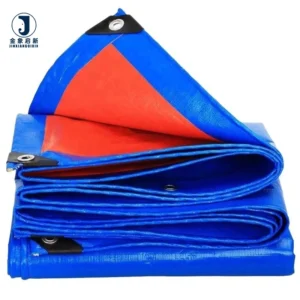
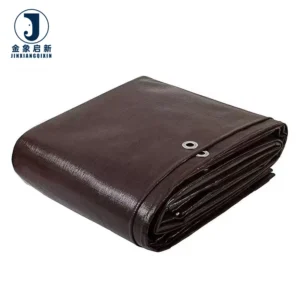
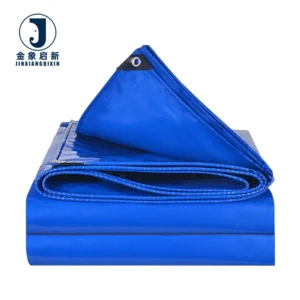
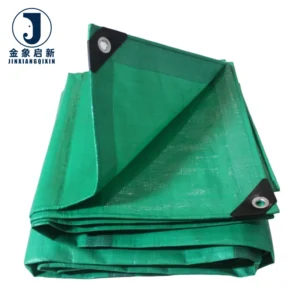
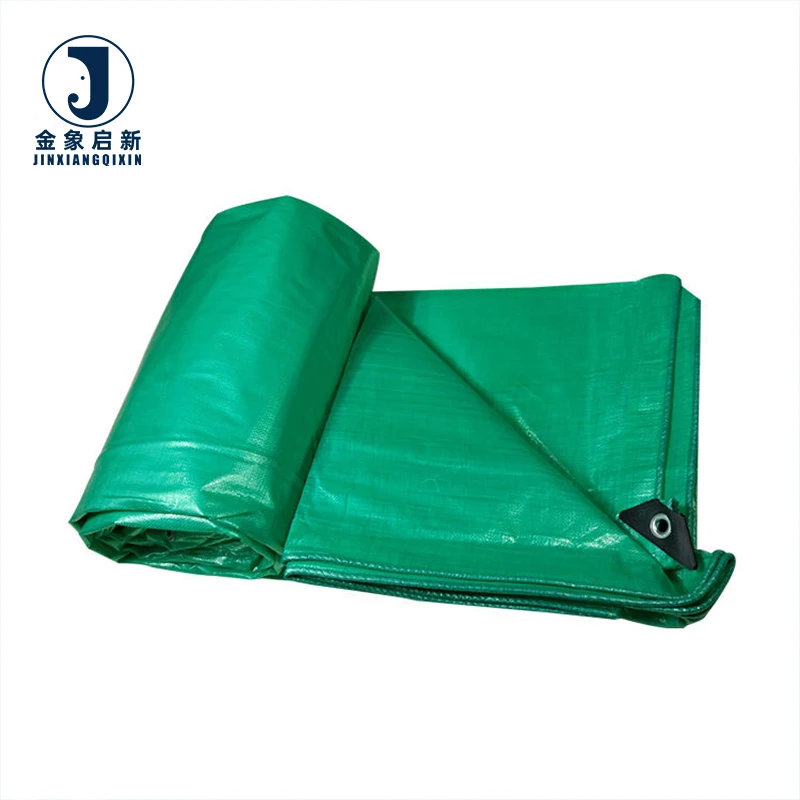
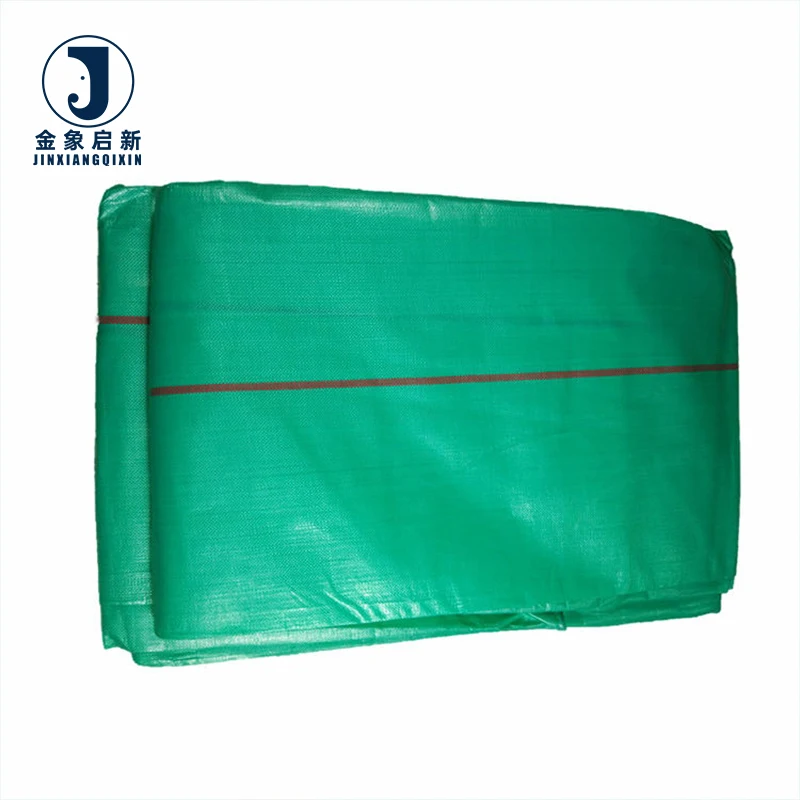
| Color | Blue, Blue/Orange, Green, Grey, Black, Clear, Grey/Green, Orange, or custom |
| Roll Width | 6ft, 8ft, 10ft, 12ft or 2m, 4m, 6m |
| Roll Length | 100 yards, 100 meters, or custom |
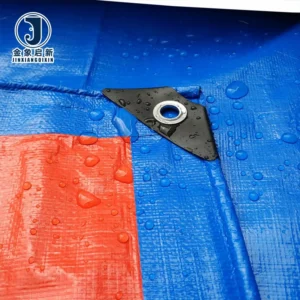
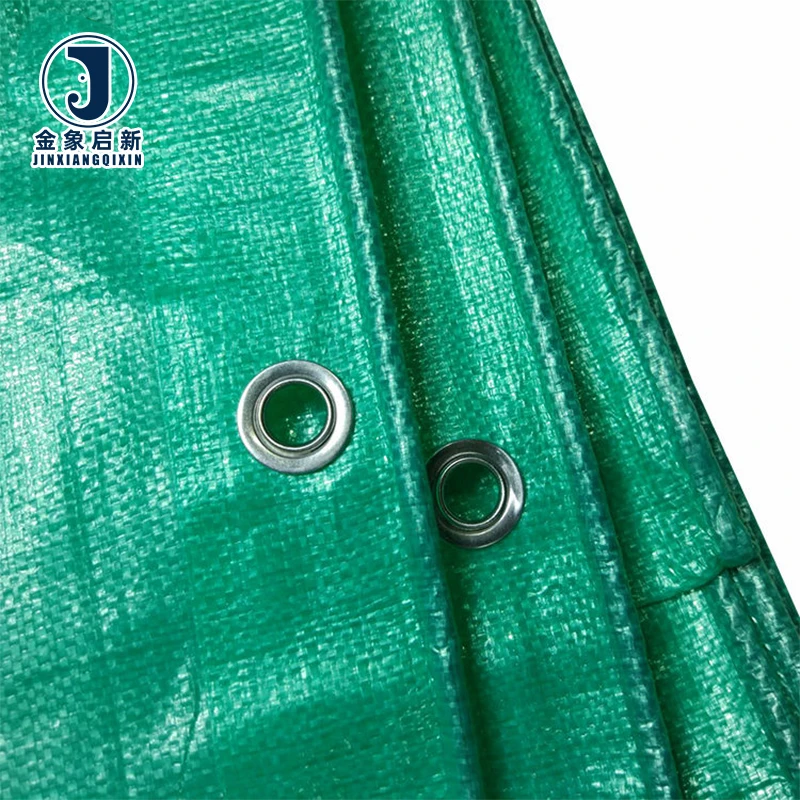
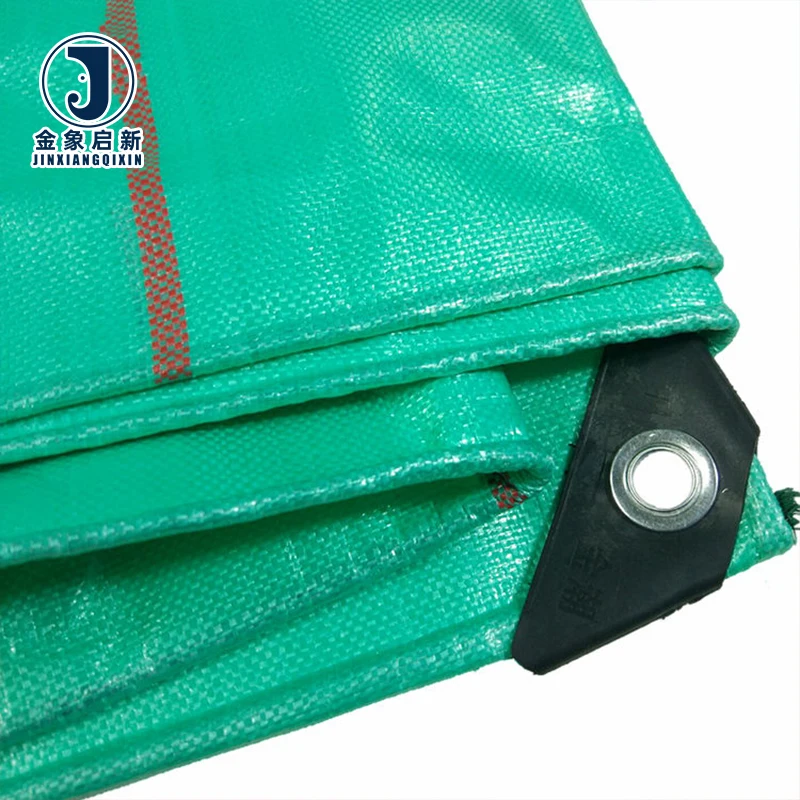
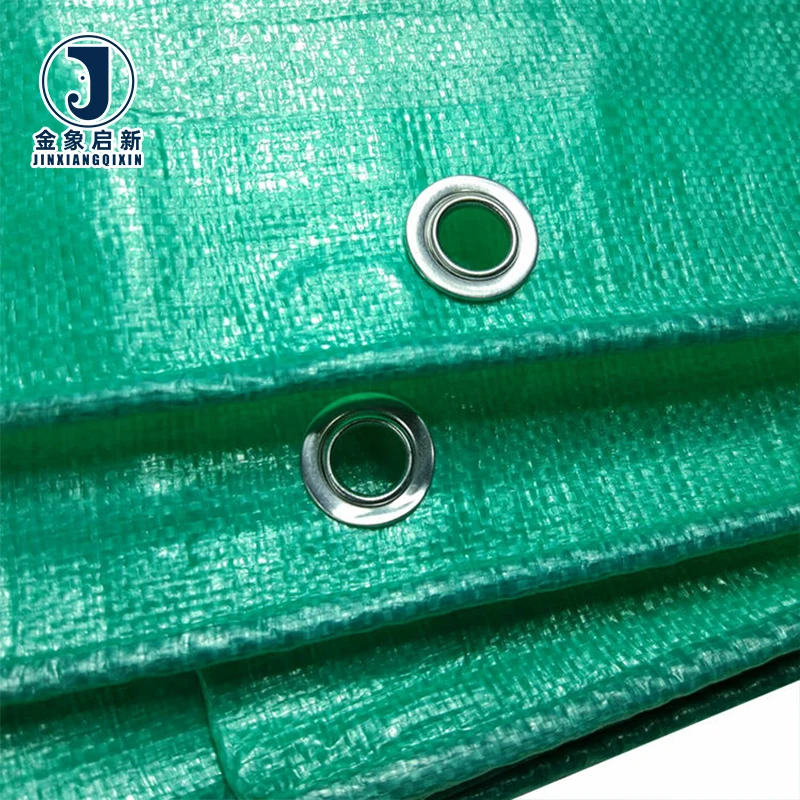
| Finished Edge | All four edges reinforced with PP rope in hem |
| Eyelet Options | Galvanized eyelets every 3ft or 1 meter interval |
| Corner Reinforcement | Reinforced plastic corners |
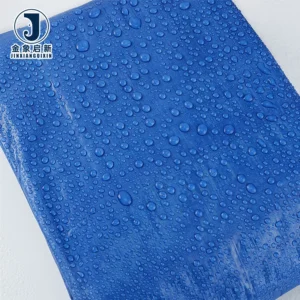
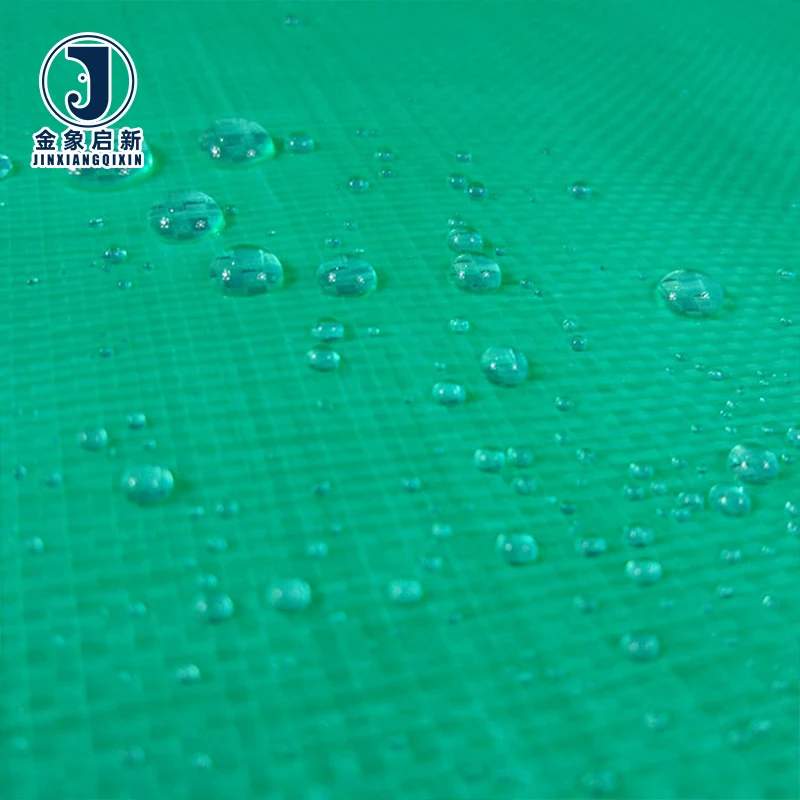
| Features | Waterproof, washable, tear resistant, mildew proof, anti-aging |
| UV Treatment | Available (test basis not stated — confirm UV standard required for your market) |
| Standards | ISO and CE certified facility |
Application Suitability
| Application | Exposure & Requirement |
|---|---|
| Tarpaulin distribution & import | Container-load redistribution requiring roll-to-roll GSM and colour consistency across dozens of rolls |
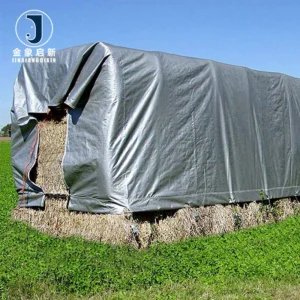
| Agricultural crop and timber covers | Prolonged sun exposure, wind uplift, moisture contact, and seasonal handling stress |
| Construction scaffolding and site wraps | Abrasion from scaffold tubes, UV exposure over multi-month projects, wind load on large panels |
| Truck, boat and container covers | Road or marine weather, tie-down strap friction, flexing during transport |
| Hay drying and stockpile covers | Ground moisture barrier, UV degradation resistance, repeated deployment and folding |
| Garden furniture and pool covers | UV and mildew exposure, frequent removal and reinstallation, consumer-grade aesthetic |
Why Roll-to-Roll Consistency Matters More Than the Stated GSM
Every roll is weighed and documented before dispatch, so the GSM on your packing list matches the GSM in your warehouse.
Buyers ordering PE tarpaulin roll wholesale frequently face a frustrating discovery when the container arrives: the material feels lighter than quoted, and the colour shifts visibly when two rolls are unrolled side by side on the showroom floor. [NEED_CITE: weight variance in woven PE tarpaulin and its effect on tensile performance] These inconsistencies rarely stem from a single production error — they accumulate from uncontrolled coating weight, uneven lamination temperature, and the absence of inline GSM measurement during extrusion. When you are redistributing rolls to regional dealers or cutting sheets for a construction project, even a small variance between rolls becomes a customer complaint.
Weave Density Tiers That Map Directly to Your End Use
The HDPE base fabric is woven in eleven distinct mesh counts, from 6×6 for lightweight 50 gsm sheets up to 14×16 for heavy-duty grades approaching 300 gsm. Each tier represents a deliberate balance between yarn count, lamination weight, and the mechanical demands of the target application. A distributor stocking both agricultural covers and construction wraps can source the full range from one production run, simplifying container planning and reducing the risk of mixed-batch inconsistency. Specifying by weave density rather than GSM alone gives your procurement team a clearer engineering basis for comparing PE tarpaulin roll wholesale options.
Lamination Control and Its Role in Batch Uniformity
LDPE lamination is applied to both sides of the HDPE woven base, sealing the weave and providing the waterproof barrier. [NEED_CITE: coating adhesion test methods for laminated polyethylene fabrics] The consistency of this lamination — both in thickness and in bond strength to the base fabric — is what separates rolls that delaminate after one season from those that hold through repeated folding and UV exposure. Colour masterbatch is compounded into the LDPE layer before extrusion, meaning that batch-to-batch colour matching depends on precise dosing and temperature control at the lamination head. Rolls that install side by side on a scaffold or a truck bed must show no visible colour boundary, and achieving that demands inline monitoring rather than end-of-line visual checks.
Reading the Specification Sheet Beyond the GSM Number
GSM tells you the weight of one square metre, but it does not tell you how that weight is distributed between the HDPE yarn and the LDPE coating. A 120 gsm roll woven at 10×10 with moderate lamination will have substantially different tear behaviour than a 120 gsm roll woven at 8×10 with heavier coating. The weave density determines how many yarns share the load when a puncture or tear begins, while the lamination thickness governs surface abrasion resistance and waterproof integrity. Thickness values from 0.2 mm to 0.4 mm further indicate the total caliper of the laminated fabric, which influences how the material handles during fabrication — thinner grades drape more easily over curved loads, while thicker grades resist creasing and offer more stiffness for flat covers. Roll widths up to 6 m reduce the number of welded seams needed for large-area covers, directly affecting fabrication time and the number of potential failure points in the finished product.
The Cost of Skipping Pre-Shipment Verification
When a container of PE tarpaulin arrives with rolls that vary in weight or colour, the cost extends far beyond the material itself. Distributors face returns from dealers who notice the difference when two sheets are displayed side by side. Construction contractors discover that lighter rolls tear at tie-down points before the project ends. [NEED_CITE: on-site tarpaulin failure modes linked to specification deviation] Agricultural buyers find that thinner-than-expected covers fail mid-season, exposing valuable hay or timber to rain damage. These outcomes are preventable with a pre-shipment inspection protocol that weighs sample rolls against the quoted GSM and visually checks colour under standardised lighting before the container doors close.
What Consistent Supply Looks Like at Production Scale
Three dedicated production lines and 36 sets of professional equipment allow this facility to schedule PE tarpaulin roll wholesale orders without forcing custom specifications onto standard-grade runs. A 10-person R&D team handles colour matching, custom width development, and sample production within days, so buyers can confirm the exact shade and hand-feel before committing to a full container. QA checkpoints at weaving, lamination, and winding stages catch GSM drift and colour variance before the roll reaches the packing area. Roll packing on hard paper tubes and wrapping in matching tarpaulin sheet protects the edges during ocean transit, reducing the crushed-edge waste that cuts into usable yield.
Documentation & Verification
- Material specification sheet confirming base fabric density, lamination type, and GSM for each roll grade
- Pre-shipment inspection record with roll weight sampling and visual colour comparison under controlled lighting
- Roll packing list detailing net weight, CBM, and roll count for container loading planning
- Certificate of origin and customs documentation supporting cross-border wholesale clearance
- UV and treatment test reports supplied where applicable to the specified grade
Fabrication, Handling & Storage
- Heat sealing parameters must match the LDPE lamination thickness — test on a waste section of the same GSM grade first
- Galvanized eyelets at 1 m or 3 ft intervals distribute tie-down load; reinforce corners with the supplied plastic patches on heavy-duty grades
- Store rolls upright on the hard paper tube core to prevent flat-spotting and permanent crease lines
- Unroll in temperatures above 5 °C to avoid LDPE lamination cracking at the fold line on heavier grades
- Clean with mild detergent only; solvent-based cleaners degrade the LDPE surface and reduce waterproof performance
- Plan cutting layout on wider rolls (up to 6 m) to minimise off-cuts and welded seams on large finished sheets
How to Structure Your Inquiry
Provide the weave density or GSM range your market demands, along with the roll widths and lengths that fit your container loading plan. If you require finished sheets with eyelets and hemmed edges, specify the cut sizes and quantities per size. State any colour matching requirements against a Pantone or RAL reference, and confirm whether UV treatment documentation is needed for your destination market.
Frequently Asked Questions
Q: How is GSM verified per roll and what documentation ships with the order?
A: Sample rolls from each production batch are weighed and measured before dispatch. A pre-shipment inspection record accompanies the shipment, listing the tested GSM, weave density, and colour reference. The material specification sheet and roll packing list are included so your receiving team can cross-check against the quotation without needing to re-test.
Q: What is the minimum order for custom width or colour on PE tarpaulin rolls?
A: Custom widths and colours require a production run that clears the lamination line of the previous grade, so minimums are set by the volume needed to stabilise the extrusion process. Typical minimums are quoted at the inquiry stage based on the specific width and colour requested, and sample rolls can be produced for approval before the full order runs.
Q: How do you control colour consistency across rolls in the same shipment?
A: Colour masterbatch is dosed into the LDPE lamination compound at a fixed ratio for the entire batch. Inline visual checks at the winding station compare each roll against the approved reference under standardised lighting. Rolls that deviate from the reference are pulled before packing, ensuring that sheets installed side by side show no visible colour boundary.
Q: What are the container loading capacities by roll, bale, and carton?
A: A 20-foot container holds approximately 17 tons by roll, 12 tons by bale, or 9 tons by carton. A 40-foot high-cube container accommodates approximately 28 tons by bale or 20 tons by carton. Exact roll count and CBM are confirmed at the quotation stage based on the selected GSM, width, and packing method.
Q: Can finished tarpaulin sizes be custom-cut and what are the MOQ and lead time?
A: Finished sheets with PP-rope reinforced hems, galvanized eyelets, and reinforced plastic corners are available in standard and custom-cut sizes. MOQ and lead time depend on the number of distinct sizes and the total area ordered. Provide your size list and quantities at inquiry for a specific quotation with production scheduling.