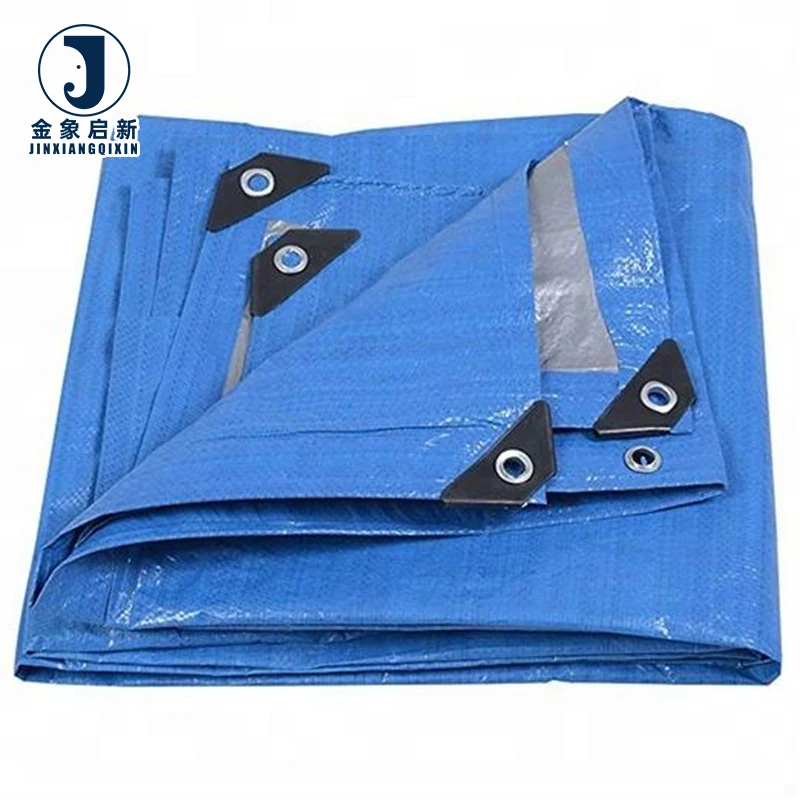
Description
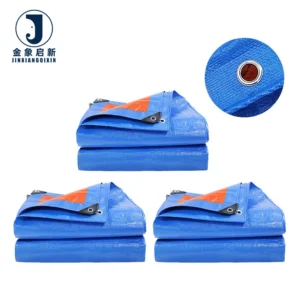
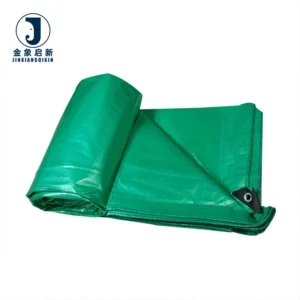
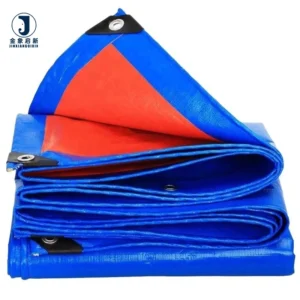
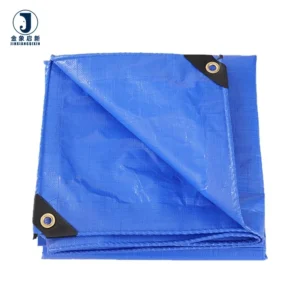
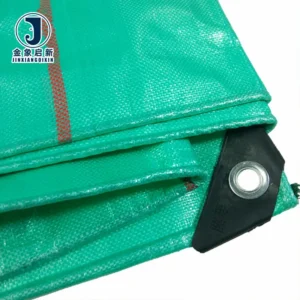
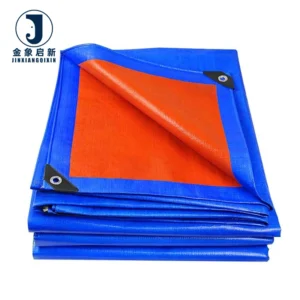
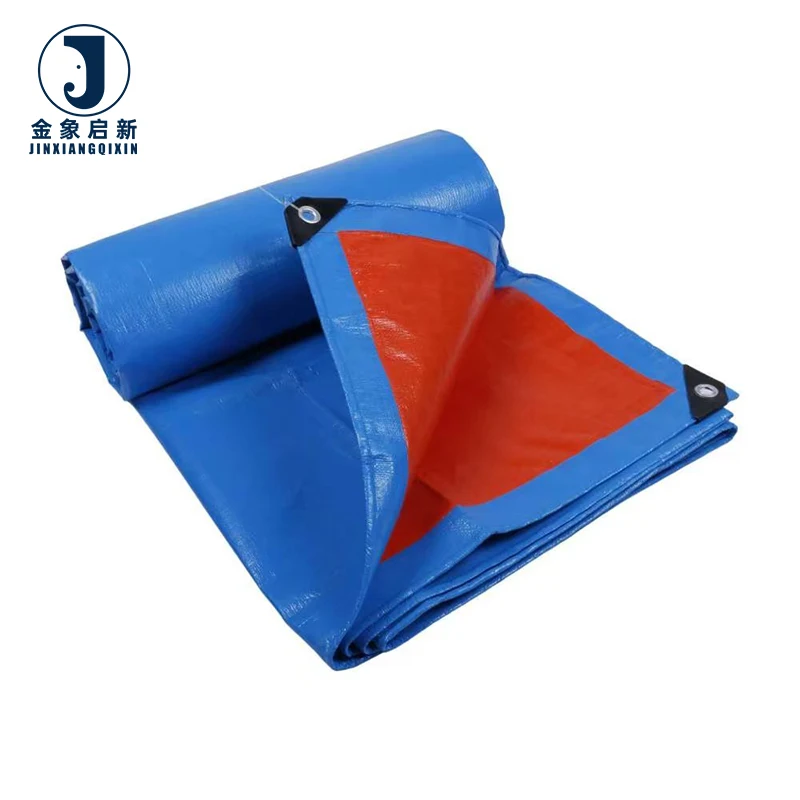
Batch-verified roll stock — every PE tarpaulin roll is weighed and measured against the agreed GSM and colour reference before container loading, eliminating the variance that causes rejection at the destination warehouse.
Technical Specifications
| Parameter | Value |
|---|---|
| Product Type | PE Tarpaulin Roll |
| Coating Material | PE |
| Base Fabric | Woven HDPE |
| Weave Style | Plain weave |
| Finish | Coated |
| UV Treatment | Anti-UV (test basis not stated) |
| Waterproof | Yes |
| Mildew Resistance | Yes |
| Color | Customizable |
| Size | Customizable |
| Eyelet & Hem Options | Available |
| Printing Option | Available |
Application Suitability
| Application | Exposure & Requirement |
|---|---|
| Tarpaulin distribution and import | Full container loads with roll-to-roll GSM and colour consistency for regional resale |
| Outdoor tent and awning fabrication | Roll stock cutting and heat-welding into finished covers requiring uniform panel appearance |
| Truck and trailer cover production | Abrasion at flex points, road spray, UV exposure across long-haul routes |
| Industrial equipment wrapping | Dust and moisture protection during storage and transit, mildew resistance in humid yards |
| Agricultural and poultry shelter | Continuous sun and rain exposure, ventilation gaps, chemical contact from fertiliser dust |
Why Colour Drift Between Rolls Costs More Than the Fabric Itself
Colour consistency across a container load is controlled at the coating stage, not fixed at the warehouse.
When two PE tarpaulin rolls from the same shipment show a visible shade difference after installation, the entire batch is often rejected by the end user — not because the fabric fails mechanically, but because the aesthetic mismatch signals poor quality control to the buyer. Distributors and importers who stock PE tarpaulin roll wholesale face this exposure every time a new production run is mixed with older inventory on the shop floor. The cost of a single rejected container far outweighs the price differential between a supplier with inline colour monitoring and one without. [NEED_CITE: colour measurement standards for coated textile batches per ISO 105 series]
Roll-to-Roll Weight Verification at Every Production Stage
The PE tarpaulin roll wholesale supply chain breaks down when quoted GSM does not match the roll that arrives. Each roll leaving the production line is weighed individually and logged against the specification sheet before packing. This step catches underweight rolls caused by coating thickness variation or base fabric tension drift during weaving. Wholesale buyers ordering full container loads can cross-reference the roll packing list with their own weighbridge on arrival, closing the gap between quotation and delivery.
Colour Matching That Holds Across Split Shipments
A distributor ordering the same blue PE tarpaulin in March and again in September expects the two batches to sit side by side on a retail shelf without visible difference. Colour consistency is maintained by referencing a master sample retained from the initial approval, with each production run checked under standardised lighting before release. This control matters especially when PE tarpaulin roll wholesale orders are split across multiple containers over a season. [NEED_CITE: standard illuminant conditions for visual colour assessment of textiles per ISO 3668]
How Base Fabric, Coating, and Finish Work Together
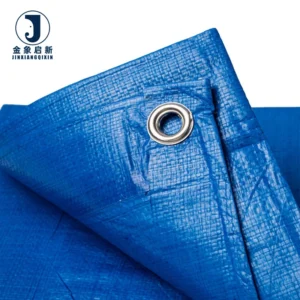
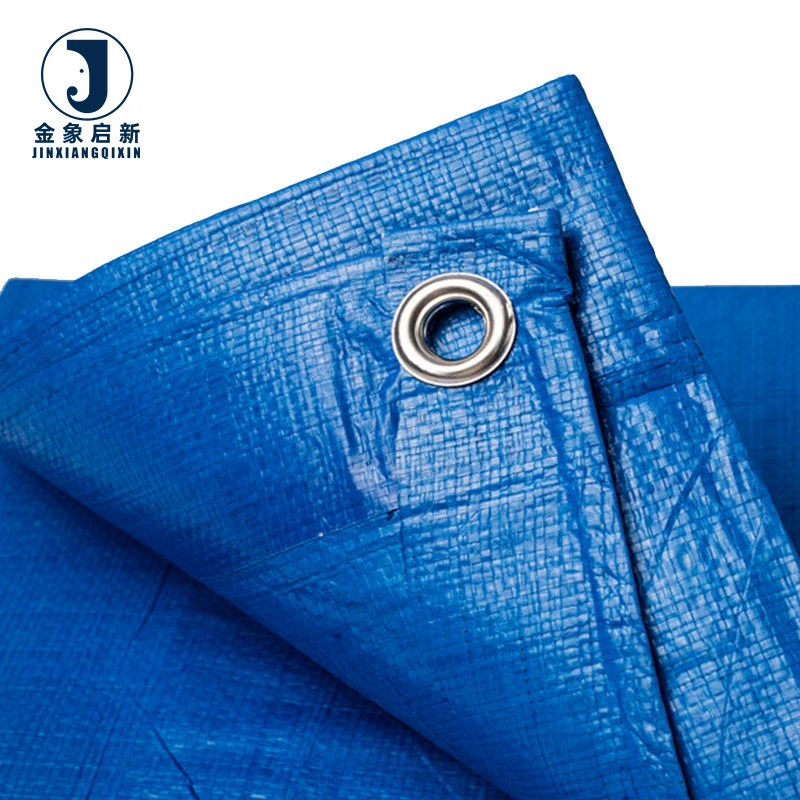
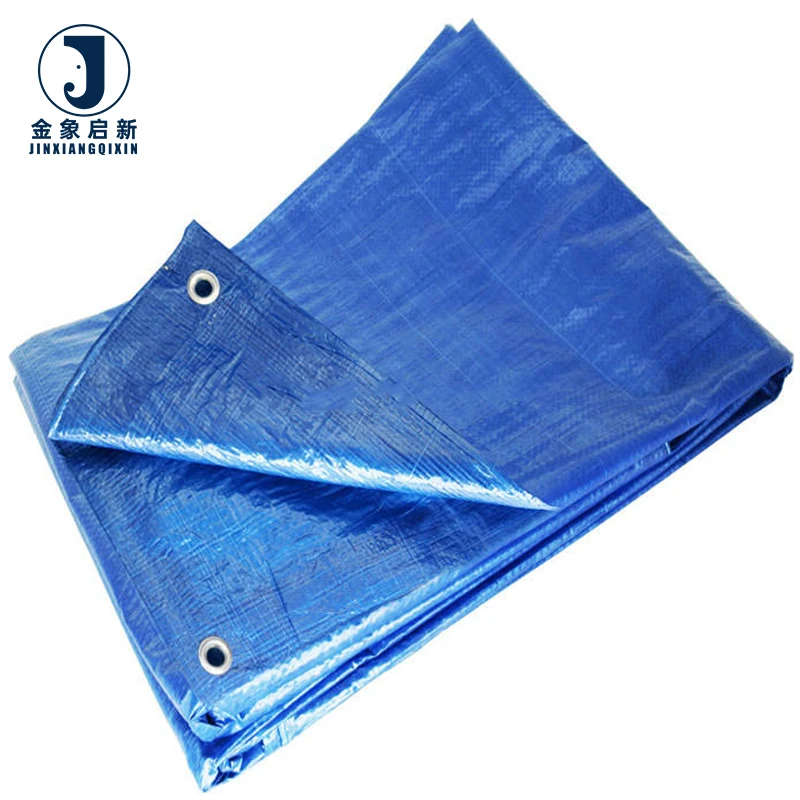
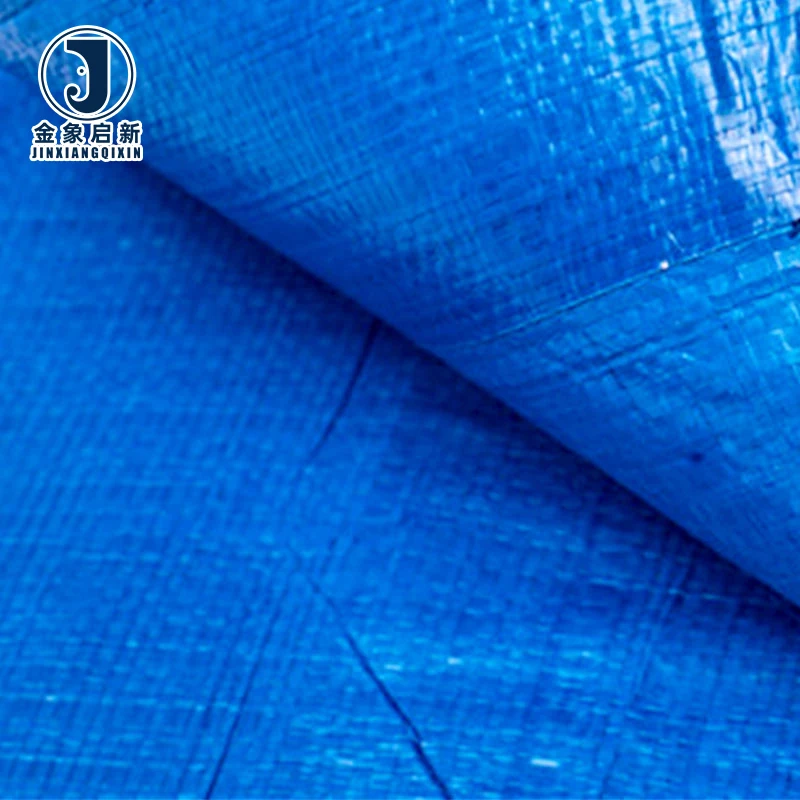
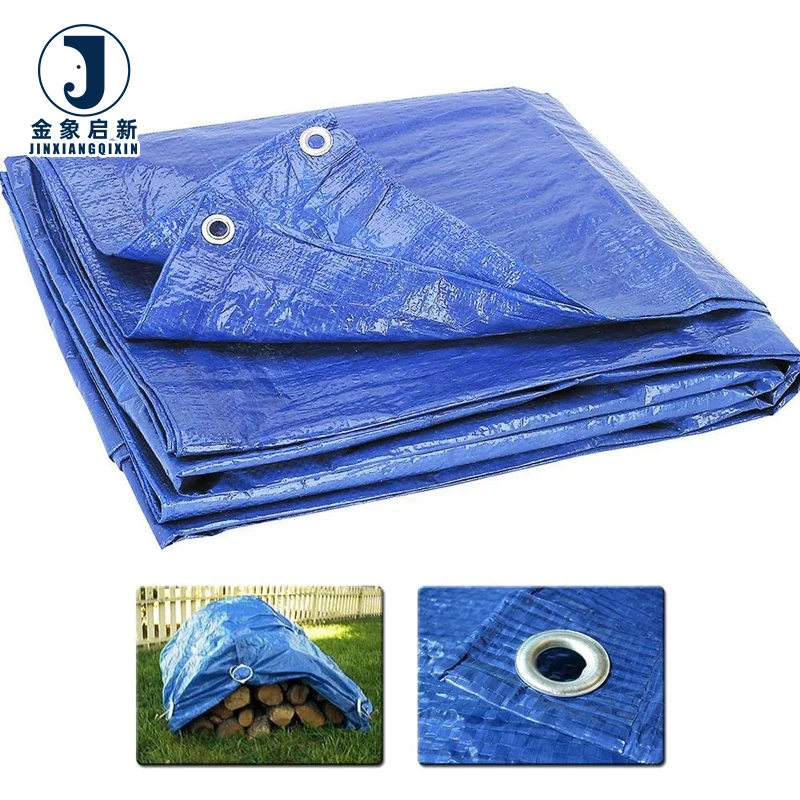
The woven HDPE base fabric provides the tensile skeleton of the PE tarpaulin, with plain weave delivering balanced strength in both warp and weft directions. The PE coating seals the weave intersections, creating a continuous waterproof barrier while also locking the yarns in place to resist tear propagation. Mildew resistance is inherent to the PE coating chemistry, which does not absorb moisture the way natural fibres or uncoated woven fabrics do. Customisable size and colour allow wholesale buyers to stock the exact widths and shades their regional market demands, reducing the need for secondary cutting and the waste that comes with it. Anti-UV treatment is available — confirm the grade required for your target market’s sun exposure conditions. The coated finish provides a smooth surface suitable for heat-welding, though weld temperature and dwell time should be calibrated to the specific roll grade before full production runs.
What Happens When Roll Consistency Is Ignored
A batch of PE tarpaulin rolls with uncontrolled GSM variation leads to inconsistent heat-weld strength across panels — thinner sections melt through while thicker sections fail to bond, creating seam failures that appear only after the finished cover is deployed in the field. Colour drift within a single container load forces distributors to sort rolls manually, delaying order fulfilment and tying up warehouse space. Rolls that arrive below the quoted weight may still pass a quick visual check but fail when the end user subjects them to wind load or tie-down tension, generating warranty claims that travel back up the supply chain. [NEED_CITE: relationship between coating weight uniformity and weld integrity in thermoplastic coated fabrics]
What Volume Buyers Receive Beyond the Roll Itself
Three full production lines dedicated to coated fabric allow bulk PE tarpaulin roll wholesale orders to be scheduled without competing with smaller custom jobs for machine time. A ten-person R&D team handles colour formulation and sample development, turning around approval samples within days rather than weeks. In-process quality checks at coating, winding, and packing stages catch defects before they reach the container, rather than relying on a single final inspection. Pre-shipment documentation includes individual roll weights and dimensions, giving importers the data needed to plan warehouse racking and onward distribution before the vessel arrives.
Documentation & Verification
- Material specification sheet listing GSM, woven HDPE base fabric, and PE coating type per roll grade
- Pre-shipment inspection record with individual roll weight check against the quoted specification
- Roll packing list showing weight and dimensions for each roll to support container loading plans
- Colour reference matched against the approved master sample before bulk production release
- Certificate of origin and customs documentation prepared for cross-border wholesale shipments
Fabrication, Handling & Storage
- Heat-weld temperature and speed must be calibrated to the specific PE coating grade before production
- Eyelet placement should reinforce high-load tie-down points on the woven HDPE base fabric
- Store rolls upright on pallets to prevent flat-spot deformation of the coated surface
- Unroll in moderate temperatures to avoid creasing the PE coating in cold conditions
- Use mild detergent for cleaning; avoid solvents that degrade the PE coating layer
- Plan cutting layouts around the roll width to minimise offcuts and welded seam count
Before You Place a Container Order
Specify the target width, roll length, and colour reference for each grade you intend to stock. Provide the end-use application — whether the rolls will be resold as-is or fabricated into finished covers — so the coating weight and finish can be matched accordingly. Confirm whether your market requires anti-UV treatment and at what level, and indicate your expected annual volume so production slots can be reserved in advance. Requesting a sample roll before committing to a full container load allows you to verify weld parameters and colour under your own lighting conditions.
Frequently Asked Questions
Q: How is GSM verified per roll and what documentation is provided at shipment?
A: Every roll is weighed individually after winding and logged against the agreed specification. A roll packing list accompanies each container, showing the actual weight and dimensions of each roll. This document allows wholesale buyers to cross-check against their own measurements on arrival and provides traceability from the production batch to the specific roll.
Q: How do you control colour consistency across multiple rolls in one order?
A: A master sample is retained from the initial colour approval and used as the reference for every subsequent production run. Rolls are checked under standardised lighting conditions before packing. This process ensures that rolls produced on different days within the same order match each other and the approved sample when installed side by side.
Q: What stock widths and roll lengths are available for immediate dispatch?
A: Multiple standard widths are kept in production rotation to support container-load orders for wholesale buyers. Custom widths and lengths are available with standard lead times. Buyers are encouraged to specify their preferred roll dimensions at the inquiry stage so that stock availability or production scheduling can be confirmed before order placement.
Q: What are the bulk pricing tiers and minimum order by container load?
A: Pricing is structured around container-load volume, with tiers based on total roll count and weight per shipment. Minimum order quantities are aligned with full or partial container configurations. Buyers should provide their target roll specifications and destination port so that a loading plan and corresponding commercial terms can be prepared.
Q: What roll packing and container loading options are available to prevent transit damage?
A: Each PE tarpaulin roll is wound on a core and wrapped to protect the coated surface during handling and ocean transit. Rolls are loaded upright or horizontally depending on container type and the buyer’s unloading equipment. The roll packing list details the exact placement and weight distribution to support safe transit and efficient warehouse receiving.