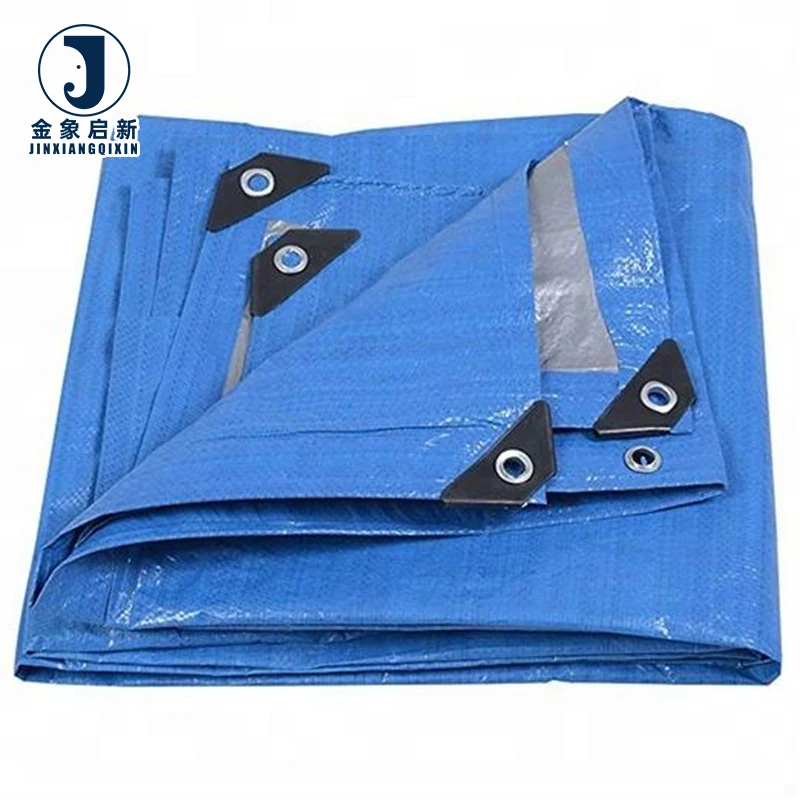
Description
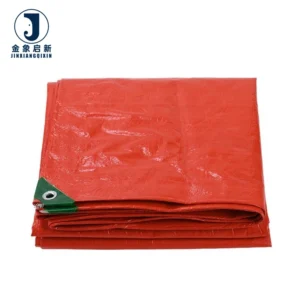
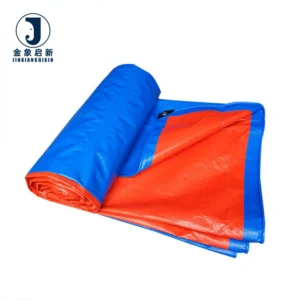
Roll-to-roll GSM and colour matching — every PE tarpaulin roll is weighed and documented against the quoted specification before dispatch, with batch colour controlled across the full container load.
Technical Specifications
| Parameter | Value |
|---|---|
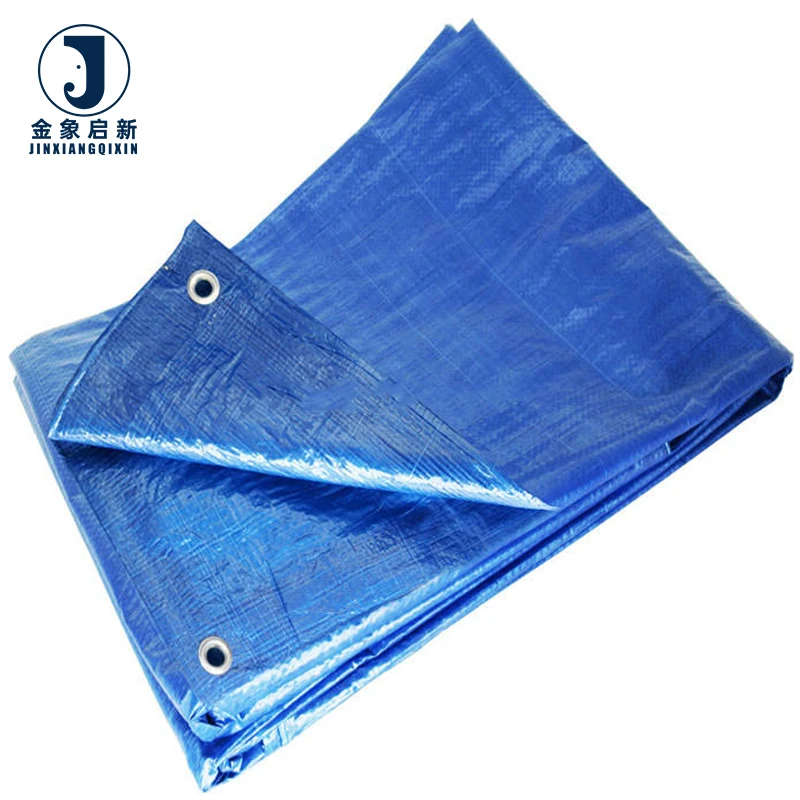
| Product Type | PE Tarpaulin |
| Material | HDPE woven fabric with LDPE coating |
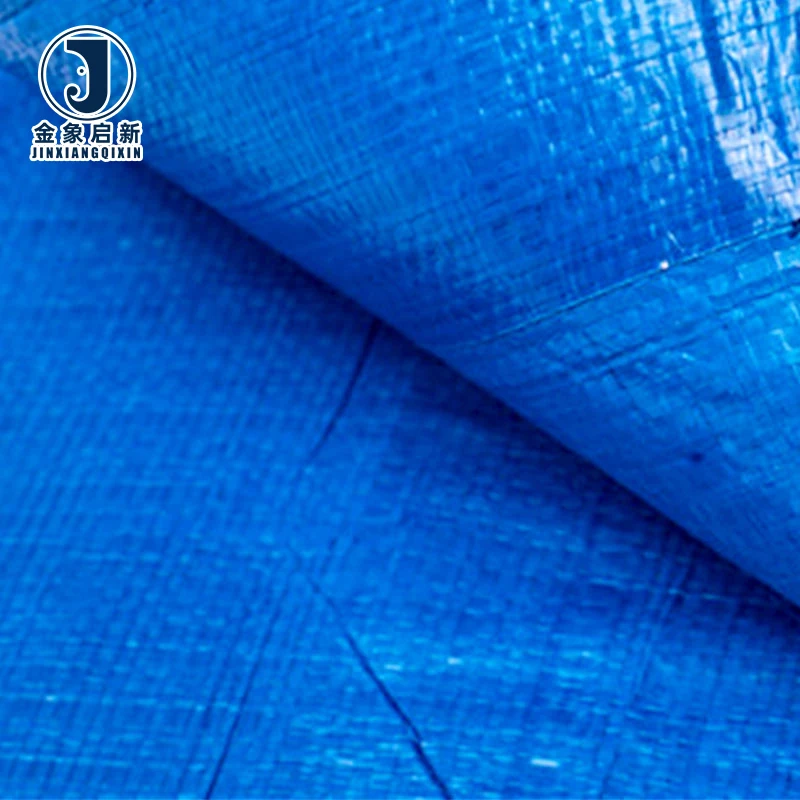
| Weave | Plain weave |
| Coating Method | Woven coated |
| Waterproof | Yes |
| Anti-Mildew | Yes |
| UV Treatment | Anti-UV available — confirm test basis required for your market |
| Custom Sizes | Available on request |
| Custom Colors | Available on request |
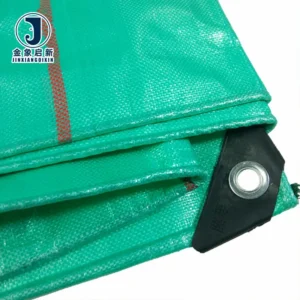
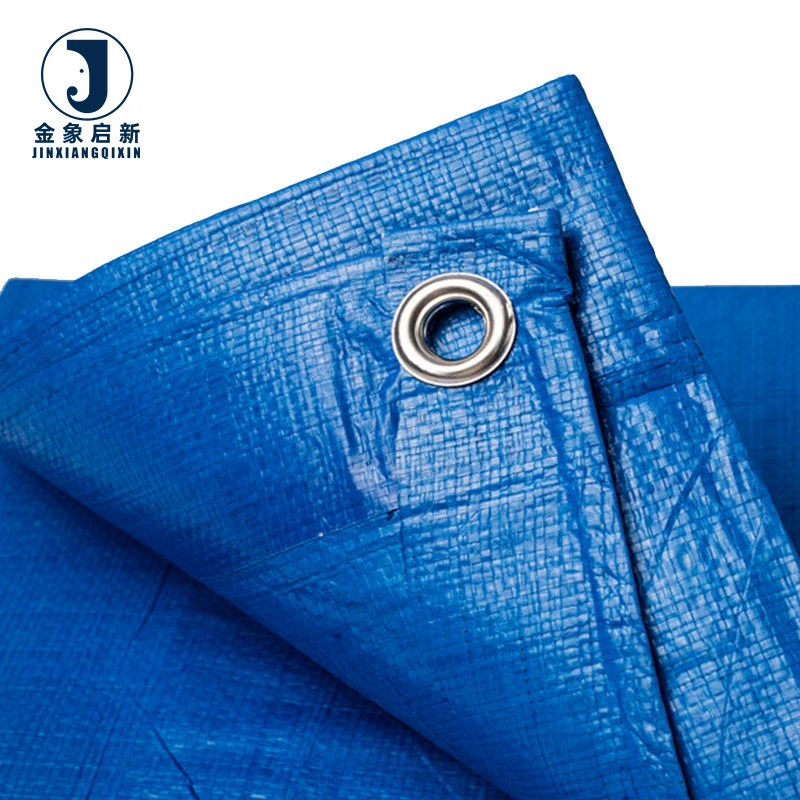
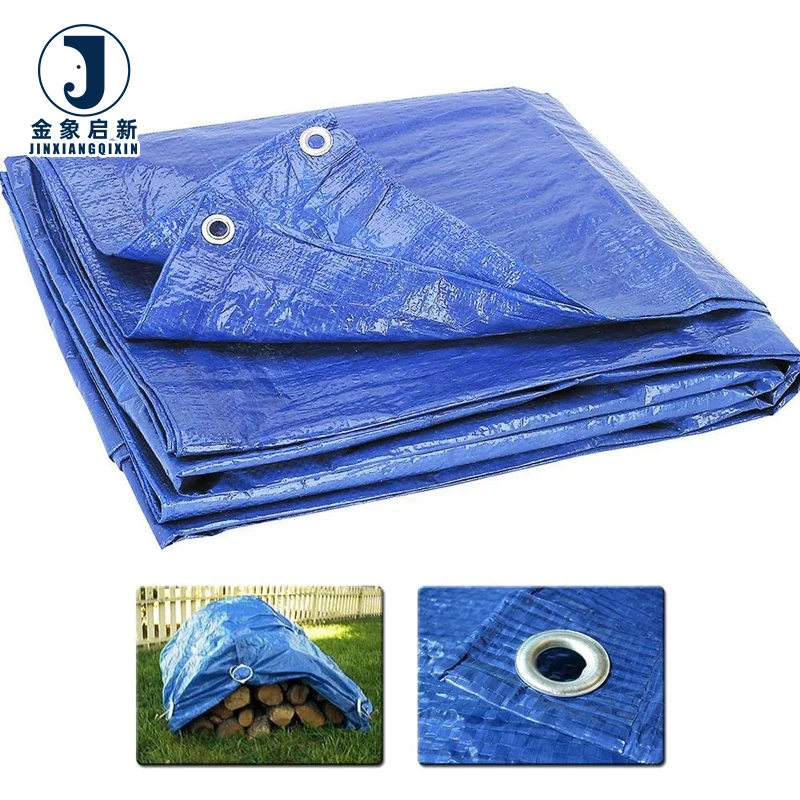
| Eyelet & Hem Options | Eyelets available — spacing and reinforcement to confirm per order |
| Certification | ISO, CE |
Application Suitability
| Application | Exposure & Requirement |
|---|---|
| Tarpaulin distributor restocking | Consistent GSM and colour across rolls for regional resale without buyer complaints |
| Tent and awning cut-and-sew production | Roll-to-roll colour matching to avoid visible panel variation once assembled |
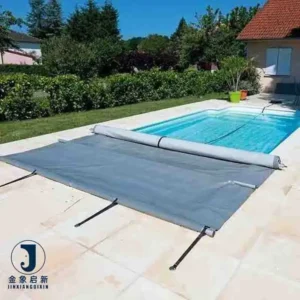
| Agricultural pond lining and stock covering | Continuous water contact, soil chemistry exposure, puncture from substrate |
| Truck and industrial cover stock | UV exposure, wind load, tie-down abrasion at eyelet points |
| Construction site protection | Weather exposure, repeated handling, drag abrasion on rough surfaces |
Why Bulk Buyers Lose Money on PE Tarpaulin Roll Wholesale Orders
Weight variance between the quotation and the roll you receive is the single largest source of margin erosion for PE tarpaulin importers.
You ordered 20 rolls at a specified GSM. Three arrive noticeably lighter, and your downstream customer notices the difference the moment they unroll the fabric side by side. The remaining rolls show a slight colour shift — not enough to reject individually, but obvious once two panels are sewn together on a finished cover. These are not manufacturing accidents; they are the predictable result of production runs where in-line GSM checks and colour batch control were not enforced at every stage [NEED_CITE: coated fabric GSM verification methods per ISO 3801].
Controlling Weight Consistency Across a Container Load
Maintaining uniform coating weight across a PE tarpaulin roll wholesale shipment requires monitoring at the coating head, not just a final sample pull from the first and last roll. Coating viscosity drifts as ambient temperature changes through a production shift, and without continuous adjustment the LDPE layer thickness varies. Our three full production lines run with dedicated QA checkpoints at each stage, catching weight deviation before a full roll is wound.
Batch Colour Matching That Holds Up Under Daylight
Colour consistency is where many PE tarpaulin orders quietly fail. A slight delta in pigment dosing between mixing batches produces rolls that look identical under factory fluorescent lighting but show a clear tone shift in natural sunlight. For distributors reselling to end users, or tent manufacturers sewing panels from different rolls, this mismatch triggers rejection claims. We match colour reference samples at the start of each production run and verify against them at multiple points through the batch [NEED_CITE: colour fastness and batch matching standards for coated textiles].
How Woven Coated Construction Determines Field Performance
The plain weave HDPE base fabric provides the tensile skeleton, while the LDPE coating fills the interstices and bonds to the yarn surfaces to deliver waterproof and anti-mildew performance. Woven coated PE tarpaulin roll wholesale buyers should understand that the coating weight relative to the base fabric weight determines whether the fabric flexes easily or holds a stiff panel shape — a critical distinction when the end use ranges from draping pond liners to tensioned truck side curtains.
What Custom Width and Length Mean for Your Cutting Yield
When you buy standard-width rolls and cut them down to finished cover sizes, the offcut waste directly reduces your margin. Ordering PE tarpaulin rolls in widths matched to your most common panel dimensions means fewer seams, less waste, and faster fabrication throughput. Custom roll lengths also reduce handling — fewer roll changes on the cutting table means less downtime and fewer alignment errors during production runs.
Reading the Specification Sheet Beyond the GSM Number
GSM alone does not tell you how the fabric will behave under load. The denier of the HDPE yarn and the mesh count of the weave determine tear propagation resistance — a heavier coating on a loose weave can produce a high GSM reading with poor tear performance. The LDPE coating method affects peel strength between coating and base fabric, which in turn governs whether welded seams hold under flexing or delaminate at the bond line. Anti-UV treatment availability should always be confirmed with a test report relevant to your target climate, rather than assumed from a product description [NEED_CITE: UV degradation test methods for polyethylene coated fabrics]. Buyers specifying flame retardant grades should confirm the classification required in their market before placing a bulk order.
The Cost of Ignoring Roll-to-Roll Consistency
A distributor who receives ten rolls where two are below the quoted GSM faces a choice: ship them and risk a customer complaint, or hold them and absorb dead inventory. Either outcome erodes the margin that bulk purchasing was supposed to protect. Similarly, a tent manufacturer whose rolls vary in colour by even a small delta must either segregate rolls by shade — adding labour and warehouse complexity — or ship mismatched panels and deal with field returns. These downstream costs always exceed the small per-metre saving that a less rigorous supplier might offer.
Why Sourcing PE Tarpaulin Rolls Here Reduces Procurement Risk
Our production facility runs three full coating lines with 36 sets of professional equipment, giving us the capacity to fill container-load orders without splitting production across separate batches. A ten-person R&D team develops samples within days when you need a custom colour or width confirmed before committing to volume. Dedicated QA/QC inspection runs at every production stage, with a 100 percent pre-shipment check that catches GSM drift and colour deviation before any roll is packed. Nearly 30 years of continuous coated fabric production means our process parameters are calibrated from long production history, not trial runs.
Documentation & Verification
- Material specification sheet listing base fabric denier, coating type, and colour reference for each batch
- Pre-shipment inspection record with per-roll GSM verification against the quoted weight
- Roll packing list detailing individual roll dimensions, weight, and container loading sequence
- Certificate of origin and customs documentation included with every export shipment
- Anti-UV test report provided where UV treatment is specified on the order
Fabrication, Handling & Storage
- Weld LDPE-coated PE tarpaulin using hot air at manufacturer-recommended temperature to avoid coating delamination
- Specify eyelet spacing based on expected wind load and tie-down frequency for finished covers
- Store rolls upright on pallets to prevent flat-spot deformation of the woven coated surface
- Avoid dragging unrolled fabric across abrasive substrates to protect the LDPE coating layer
- Use mild detergent and soft brush for cleaning; avoid solvent-based cleaners that attack LDPE
- Plan cut patterns to align with the weave direction for maximum tear resistance at seam lines
What We Need to Quote Your PE Tarpaulin Roll Wholesale Order Accurately
To provide an accurate specification and lead time, share your target GSM range, the roll widths and lengths that match your cutting patterns, and the annual volume you plan to order. If your end market requires anti-UV treatment or a specific colour match, provide a reference sample or Pantone code. Let us know whether you need rolls only or if finished eyelet and hem work is required on some or all of the shipment.
Frequently Asked Questions
Q: How is GSM verified on each roll before shipment and what documentation is provided?
A: Every roll is weighed individually during the pre-shipment inspection and compared against the GSM stated on your quotation. A verification record accompanies the shipment showing the measured weight per roll alongside the roll packing list. This documentation lets you confirm on arrival that the PE tarpaulin roll wholesale order matches the specification you paid for.
Q: How do you control colour consistency across multiple rolls in a single bulk order?
A: We prepare a master colour reference at the start of each production run and check subsequent rolls against it under standardised lighting conditions. Pigment dosing is monitored throughout the batch to prevent drift. If your order requires panels from different rolls to sit side by side on a finished product, we recommend ordering a sample roll first to confirm the match meets your standard.
Q: What are the available roll widths, lengths and container loading options for wholesale orders?
A: Roll widths and lengths are produced to your specification rather than limited to a fixed catalogue range. Container loading plans are calculated based on your roll dimensions and weight to maximise utilisation. We provide a loading plan with the quotation so you can confirm freight costs before committing to the order.
Q: What is the minimum order quantity for custom colour or custom size PE tarpaulin rolls?
A: Minimum quantities for custom colours and widths depend on the specific specification and the production line setup required. We provide the MOQ alongside the quotation once your target colour, width, and GSM are confirmed. Sample rolls can be produced within days for your approval before the full production run is scheduled.
Q: What eyelet spacing and hem reinforcement options are available for rolls destined for finished covers?
A: Eyelet spacing and hem reinforcement are configured to your finished cover design. We can supply rolls with pre-installed eyelets at your specified intervals, reinforced hems for high-load tie-down points, or plain rolls for your own fabrication. Confirm the spacing and reinforcement style when you place the order so the production line is set up accordingly.