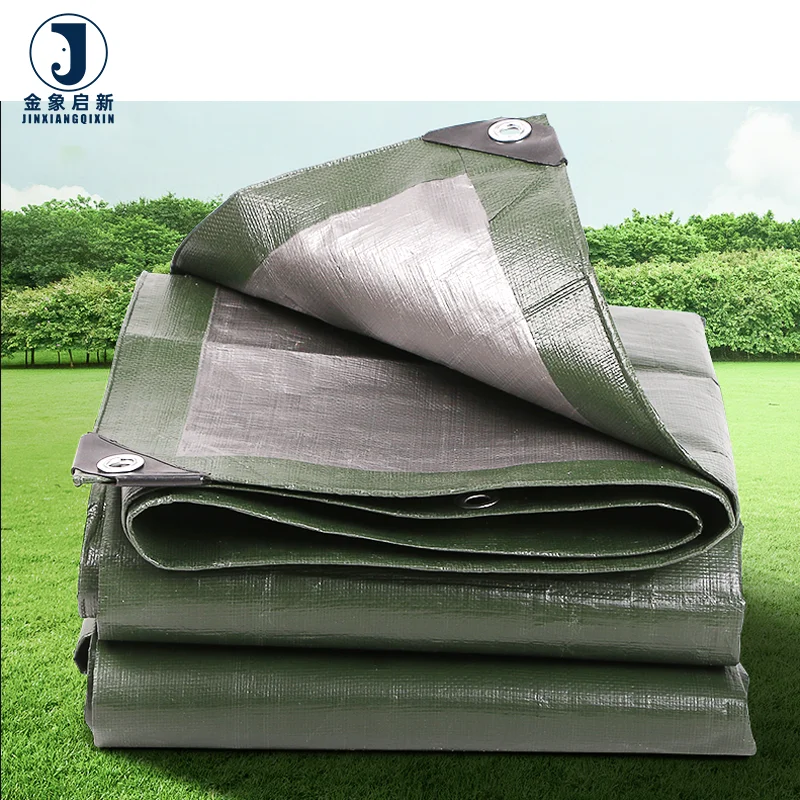
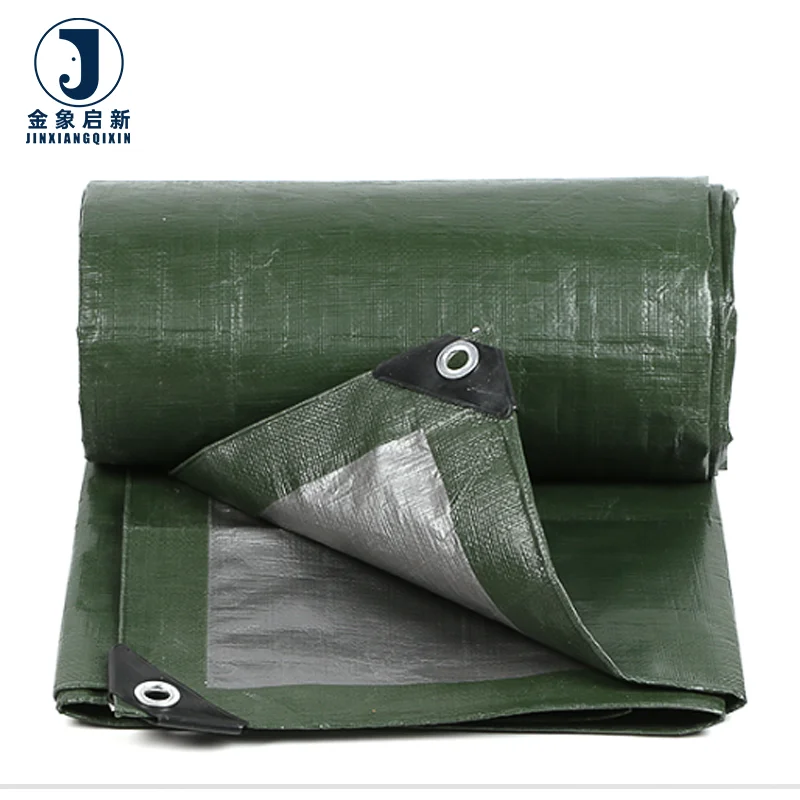
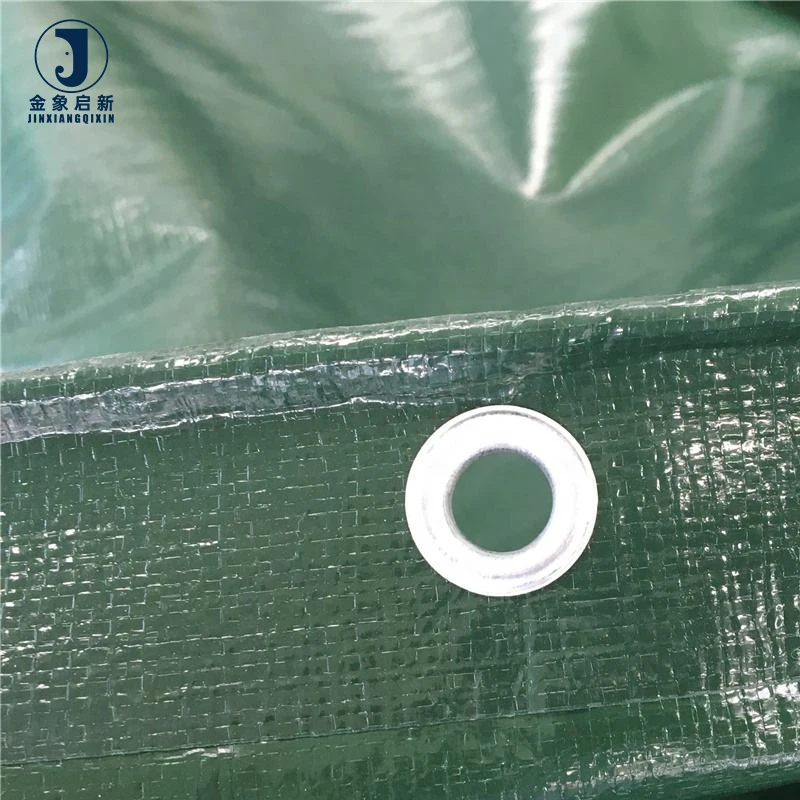
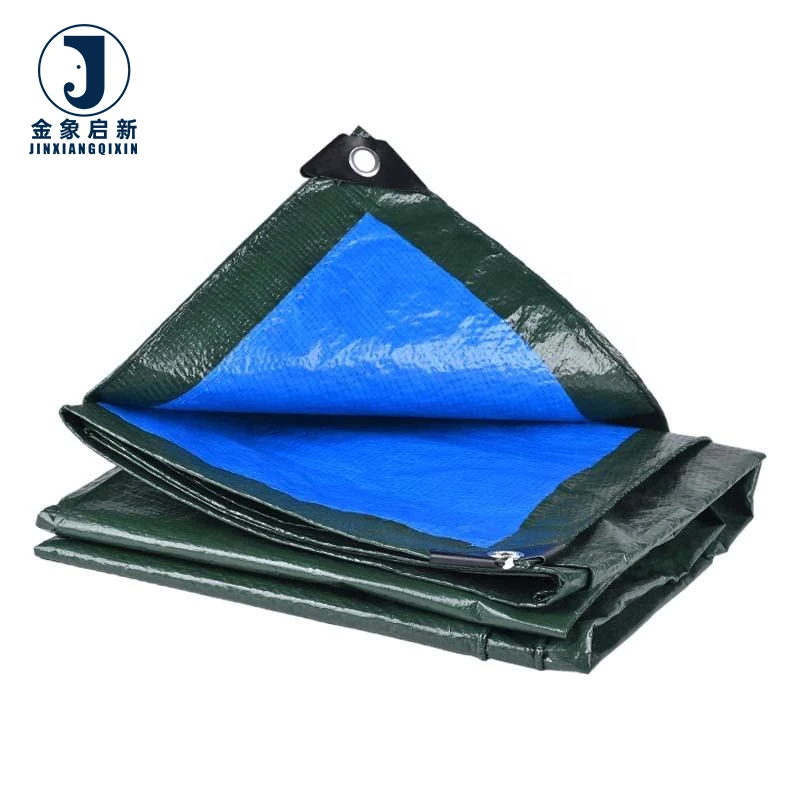
Description
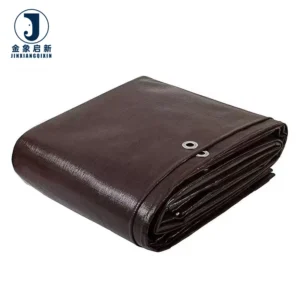
Batch Consistency Control — every roll of PE tarpaulin is weighed and measured against your purchase order before packing, with individual roll IDs traced on the dispatch list.
Technical Specifications
| Parameter | Value |
|---|---|
| Product Type | PE Tarpaulin |
| Thickness Options | 5 / 10 / 12 / 16 / 20 Mil |
| Coating Material | Polyethylene (PE) |
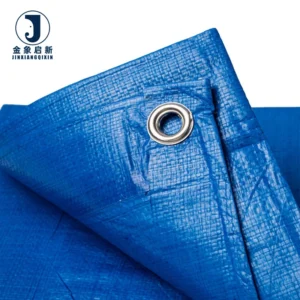
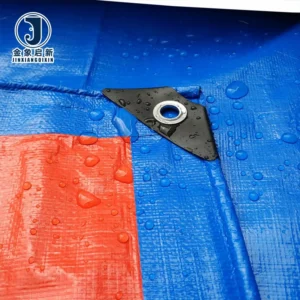
| Waterproof Construction | Yes — fully coated, water-impermeable |
| Fire Retardant | Available in fire retardant grades — confirm the grade required for your market |
| Anti-UV | Available with UV treatment — request test basis for your climate zone |
| Wind Resistance | Yes |
| Mildew Resistance | Yes |
| Abrasion Resistance | Yes |
| Key Features | Waterproof, windproof, mildew-proof, abrasion-resistant |
Application Suitability
| Application | Exposure & Requirement |
|---|---|
| Regional tarpaulin distribution | Roll-to-roll colour and weight consistency across a full container for resale credibility |
| Logistics and freight protection | Pallet covers and cargo sheets exposed to rain, road dust, and repeated handling |
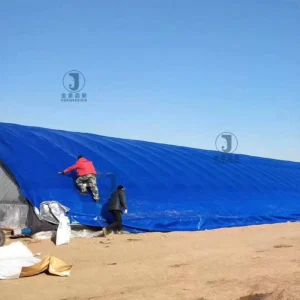
| Agricultural and hay storage | Outdoor roll stock cut on-site, exposed to moisture, soil contact, and seasonal UV |
| Tent and shelter fabrication | Cut-and-sew or heat-welded panels requiring batch-matched colour and surface finish |
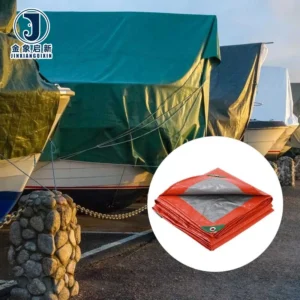
| Outdoor equipment wrapping | Long-term wrapping against humidity and mildew in marine-adjacent or subtropical zones |
Why Stated Mil Thickness Alone Does Not Protect Your Margins
The quotation says 16 Mil, but the roll that arrives measures closer to 12 Mil at the centre — and you only find out after your customer complains.
Thickness or mil rating printed on a spec sheet tells you what was intended, not what was delivered. Across a long production run of PE tarpaulin, extrusion variation and cooling rate can shift actual thickness from edge to centre of the web. Without per-roll verification before the container is sealed, a wholesale buyer has no evidence that the container-load matches the purchase order. [NEED_CITE: standard practice for thickness measurement in extruded polyethylene sheet per ASTM D6988]
Container-Load Roll Stock With Traced Batch Identity
Every PE tarpaulin roll in this range is assigned an individual roll ID that appears on the packing list, linking it to the production batch and the thickness checkpoint record. This traceability matters most when a distributor receives a mixed container of 10 Mil and 16 Mil grades — misidentified rolls can end up shipped to the wrong downstream customer, creating returns that erode the margin on the entire shipment.
Mixing Mil Grades in a Single Container
Buyers stocking a regional catalogue typically need several thickness grades on hand, from light 5 Mil utility sheets to heavy 20 Mil cargo covers. The roll format supports mixed-grade container loading, with each grade palletised and labelled so warehouse teams can identify stock without opening every wrapper. [NEED_CITE: container loading plans optimised by roll diameter and weight distribution]
Reading the Spec Sheet Beyond the Mil Number
Mil thickness is a single-axis measurement that does not account for base fabric denier or weave density. A 16 Mil sheet with a low-denier base may puncture under point loads that a 12 Mil sheet with a tighter weave handles without issue. For wholesale buyers comparing quotations across suppliers, asking for the base fabric specification alongside the mil figure gives a clearer picture of how the material will perform when cut, handled, and exposed to wind lift on a pallet stack.
Abrasion resistance and mildew-proof treatment further separate one PE tarpaulin from another at the same thickness. A logistics operator dragging sheets across a concrete loading dock needs surface abrasion resistance that a static pond-liner application never demands, even if both sheets measure 12 Mil on the gauge.
What Happens When Roll-to-Roll Consistency Breaks Down
A colour shift between two rolls of the same order is invisible in the warehouse but obvious once a customer installs two sheets side by side on a scaffold or market stall. Batch inconsistency forces the distributor to issue credits, absorb return freight, and lose the repeat order — damage that is disproportionate to the cost of the material itself. [NEED_CITE: cost impact of batch colour variation complaints in coated fabric distribution]
Why Buyers Consolidate Their PE Tarpaulin Roll Orders Here
Three full production lines allow simultaneous runs of different mil grades without forcing long changeover delays that push out delivery windows. The 10-person R&D team develops custom widths and colour matches on short timelines, producing samples within days so buyers can confirm shade and hand-feel before authorising the full container. Dedicated QA checkpoints at extrusion, coating, and winding stages catch thickness drift and surface defects before the roll reaches the packing area. ISO and CE frameworks govern the documentation that accompanies every shipment, reducing customs friction at destination ports.
Documentation & Verification
- Thickness measurement record per roll matched to the mil grade on the purchase order
- Roll packing list showing individual roll IDs, net weight, and container loading sequence
- Fire retardant and UV test reports supplied where grades are specified on the order
- Certificate of origin and customs-ready paperwork included for cross-border dispatch
- Pre-shipment inspection summary covering batch colour and surface consistency
Fabrication, Handling & Storage
- Heat-weld at temperatures matched to the mil grade — 5 Mil sheets require lower dwell times than 20 Mil to avoid burn-through
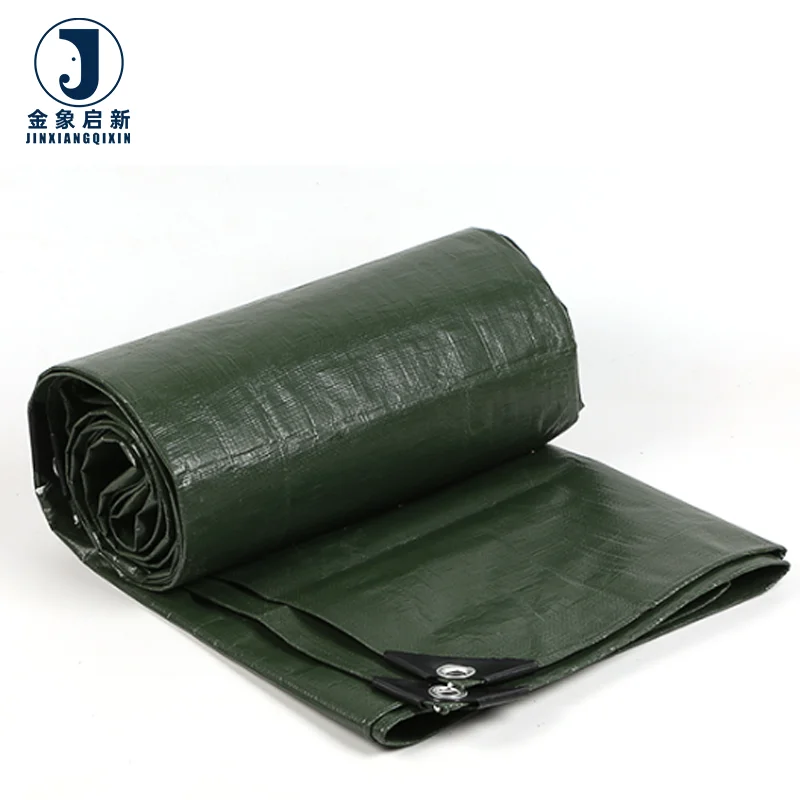
- Store rolls horizontally on pallets to prevent permanent creasing across the PE coating surface
- Cut with rotary or hot-knife tools to seal edges and prevent fraying on lighter 5 and 10 Mil grades
- Avoid dragging sheets across abrasive surfaces to preserve the mildew-proof and abrasion-resistant coating
- Allow cold-stored rolls to reach ambient temperature before unrolling to prevent micro-cracking in the PE layer
Moving From Enquiry to Confirmed Order
Provide your target mil thickness, total roll count or container volume, and the colour or shade reference your market expects. If you carry fire retardant or UV-treated grades, specify the test standard your end-users require so the correct formulation is matched. Confirm whether you need full-width rolls only or factory-cut sheets in set dimensions, and request a sample roll to verify weight, colour, and weld behaviour before the production run begins.
Frequently Asked Questions
Q: How is mil thickness verified per roll before shipment?
A: Each PE tarpaulin roll passes a thickness checkpoint during winding, and the measured value is logged against the roll ID on the packing list. Buyers receive the pre-shipment inspection record showing per-roll readings, so there is documented evidence that the delivered mil grade matches the purchase order before the container leaves the factory.
Q: What roll widths are available, and can I mix mil grades in one container?
A: Standard and custom widths are available across all five mil grades, and mixed-grade containers are packed with each thickness on separate pallets. The loading plan lists roll count and net weight per grade, helping warehouse teams identify stock without opening wrappers at destination.
Q: How is roll-to-roll colour consistency controlled in a bulk order?
A: Colour is matched to a reference swatch at the start of the run, and rolls are inspected side by side under controlled lighting before packing. Any roll that falls outside the accepted shade range is pulled from the batch, preventing visible variation when two sheets are installed adjacent to each other.
Q: What is the MOQ for each mil grade, and are there volume tiers?
A: Minimum order quantities vary by thickness grade and whether the width is standard or custom. Pricing tiers are structured around container volume, with the quotation detailing the roll count per grade that fills a 20-foot or 40-foot container for the most efficient freight cost per unit.
Q: Can rolls be factory-cut to sheet sizes, or must I cut locally?
A: Factory cutting to specified sheet dimensions is available, with edges sealed to prevent fraying on lighter grades. Buyers who prefer to cut locally receive full-width rolls with a cutting layout guide that accounts for seam allowance and minimises off-cuts across common sheet sizes.