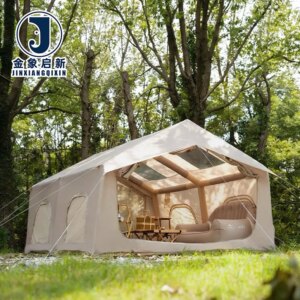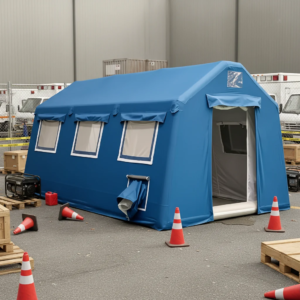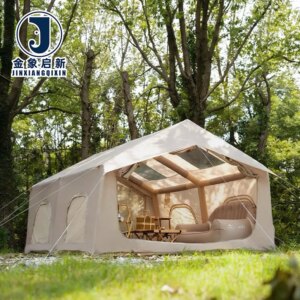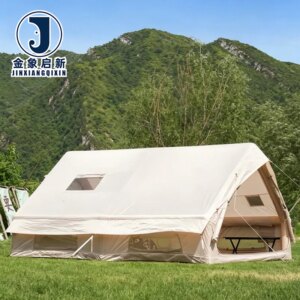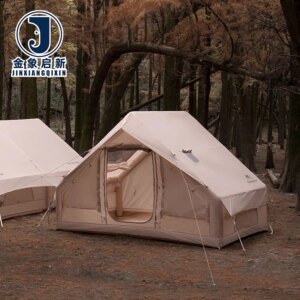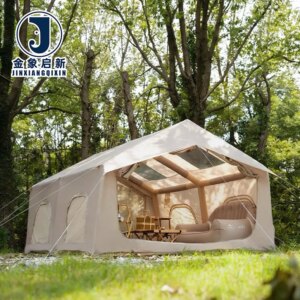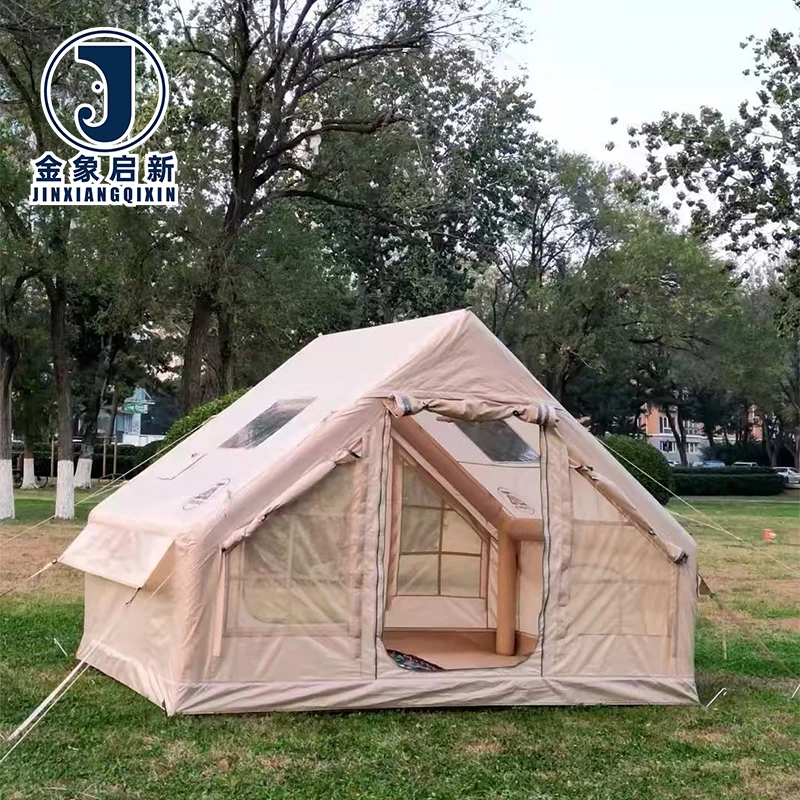
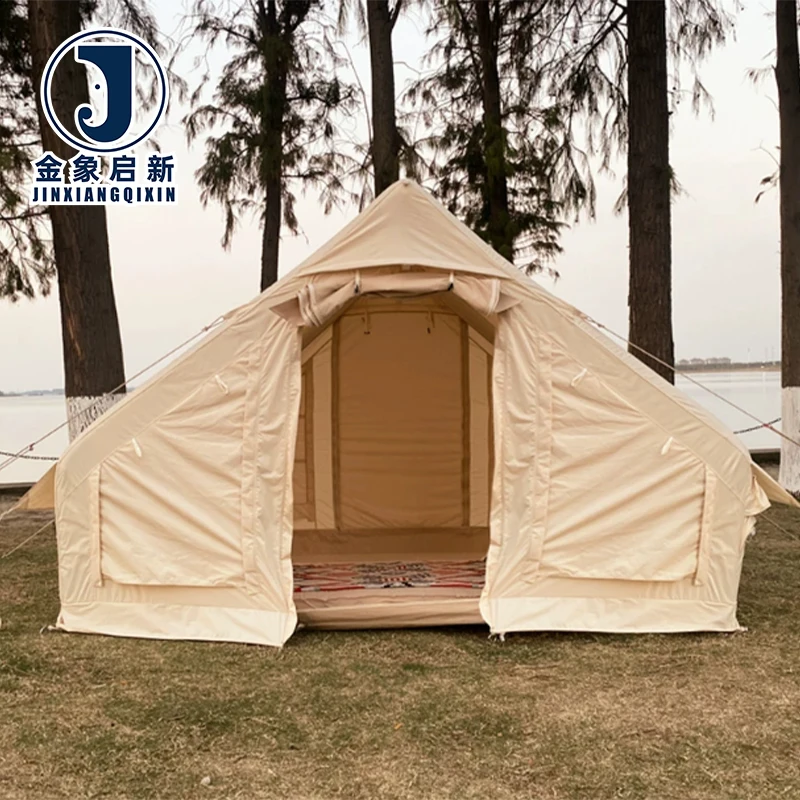
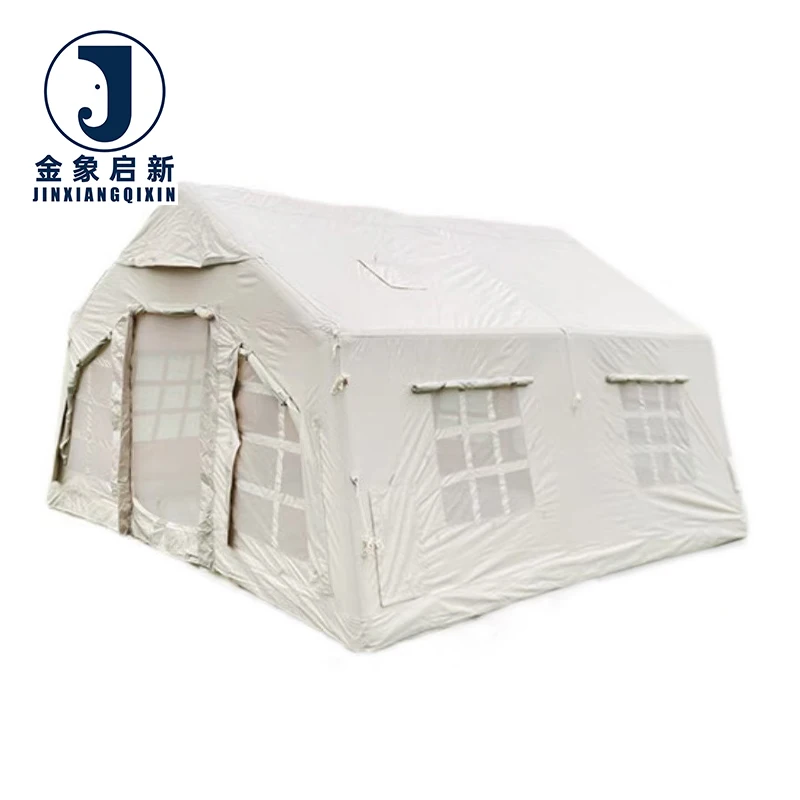
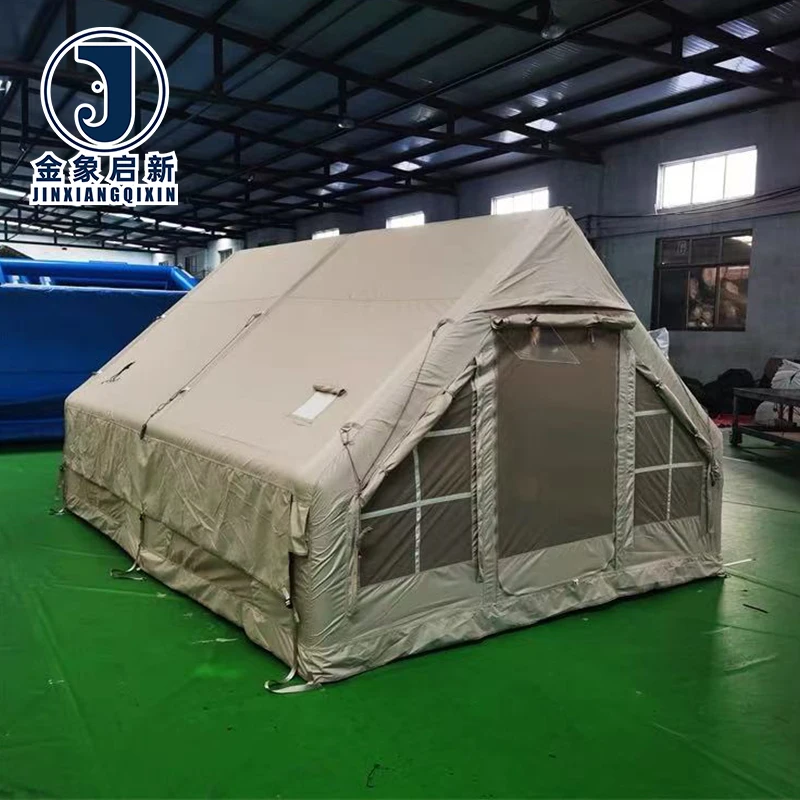
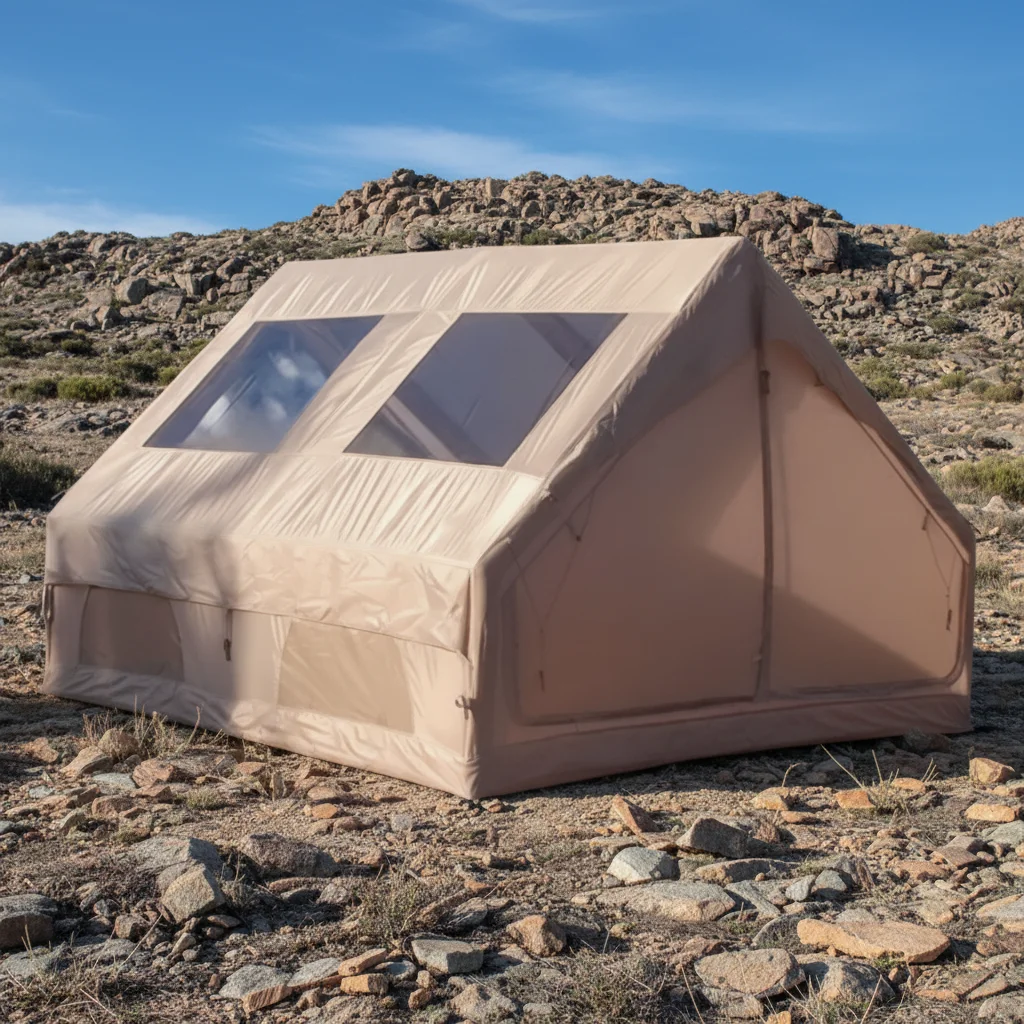
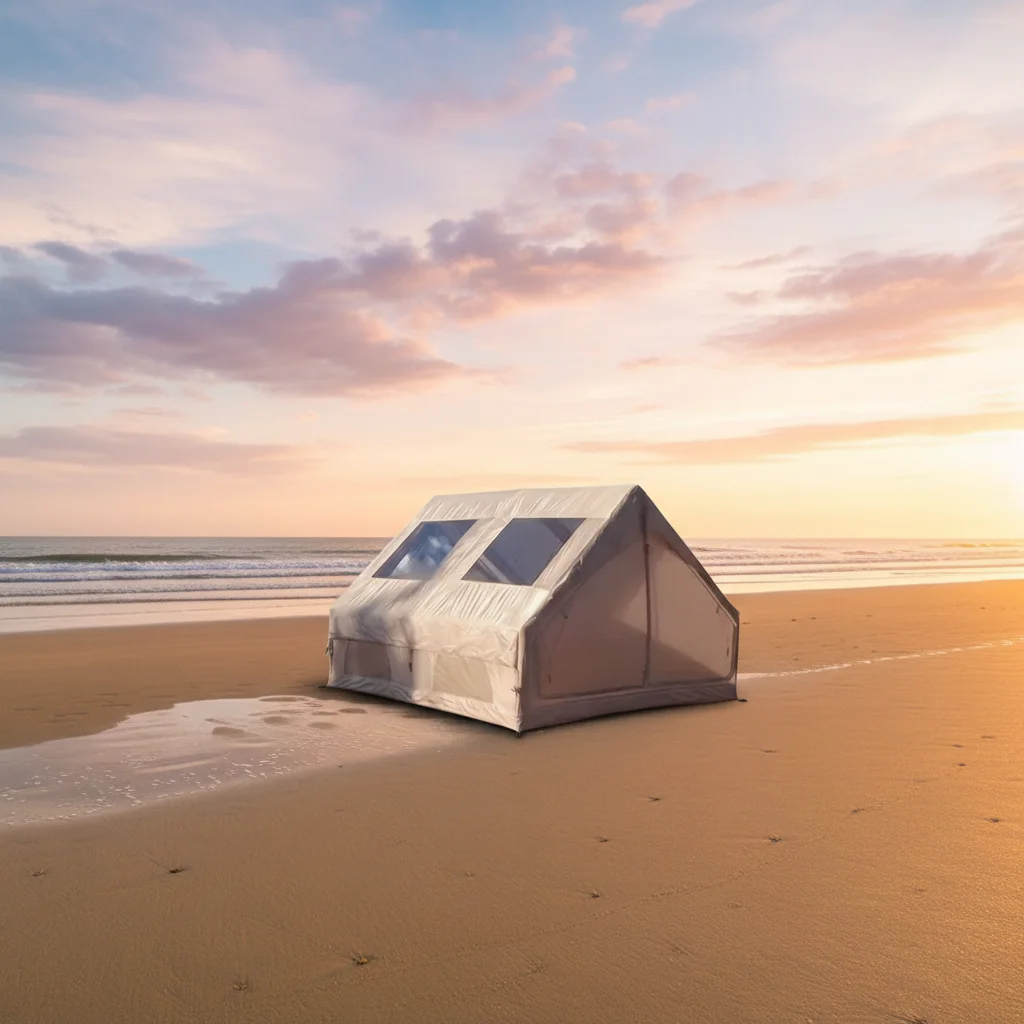
Description
Process-Controlled Coating — Inflatable tent fabric produced on three full lines with in-process QA at every stage, ensuring batch-to-batch colour and weight consistency for side-by-side installations.
Technical Specifications
| Parameter | Value |
|---|---|
| Product Type | Inflatable Tent |
| Core Material | PVC tarpaulin |
| Layer Design | Single layer |
| Season Rating | Four-season |
| Waterproof | Fully waterproof coated construction |
| UV Resistance | Available in UV-resistant grades — confirm the test basis required for your market |
| Fire Retardancy | Available in flame retardant grades — confirm the grade required for your market |
| Anti-Static | Available in anti-static grades — confirm the standard required for your market |
| Tear Resistance | Tear-resistant PVC coated fabric |
| Product Form | Inflatable structure with quick automatic opening |
| Customization | OEM & ODM, sample customization, pattern printing |
| Standards | ISO 9001, ISO 14001, ISO 45001, CE |
Application Suitability
| Application | Exposure & Requirement |
|---|---|
| Temporary construction site shelters | Wind-driven rain, dust, daily inflation-deflation cycles, abrasion from ground contact |
| Mobile agricultural equipment storage | Prolonged sun exposure, moisture ingress, chemical contact from fertilisers and fuels |
| Outdoor industrial and commercial events | Rapid deployment, crowd safety compliance, repeated seasonal setup and teardown |
| Four-season outdoor operations | Summer heat to winter cold cycling, snow load, sustained UV exposure |
What Colour Inconsistency Across Batches Costs an Event Operator
Batch-to-batch colour variation is caught at our facility before it reaches your site.
When inflatable structures from the same order sit side by side at a commercial event or construction site, even a slight shade difference between rolls becomes immediately visible. Buyers who have sourced PVC inflatable tent fabric from multiple suppliers know the frustration: the quotation confirms one colour reference, but the delivered rolls show noticeable variation once inflated and installed. This is not a cosmetic issue alone — colour shift can indicate inconsistent coating formulation or pigment dispersion, which may also affect UV stability and weld behaviour across the batch [NEED_CITE: coating pigment dispersion standards for PVC tarpaulin]. Our dedicated QA/QC protocol checks colour against the approved reference at every production stage.
Controlling Coating Weight for Reliable Inflation Performance
The PVC inflatable tent fabric we supply is built on a coating process where weight and adhesion are controlled continuously, not sampled after the fact. For inflatable structures, the fabric must hold internal air pressure while flexing during inflation and deflation. If coating adhesion to the base fabric is weak, the material can delaminate at the seams where stress concentrates. Our three production lines allow us to maintain consistent coating application across the full run, so the inflatable tent manufacturer receiving the rolls can rely on uniform behaviour during fabrication.
Single Layer Design and Transport Efficiency
A single layer PVC inflatable tent balances durability with the practical reality of transport and deployment. Multi-layer constructions add weight and bulk, making the deflated structure harder to pack and slower to deploy on site. The single layer approach keeps the packed volume manageable for rapid deployment at construction sites or outdoor events, while the PVC coated fabric itself provides the waterproof and tear-resistant performance needed for four-season exposure. This matters when crews need to move shelters between locations frequently.
How Base Fabric and Coating Work Together
The performance of any inflatable tent fabric depends on the interaction between the base fabric construction and the PVC coating applied to it. Base fabric denier and weave density determine the fundamental tensile and tear strength — the yarns carry the mechanical load. The coating adds waterproofing, protects the yarns from abrasion and UV degradation, and provides the surface that accepts heat welding. A heavy coating on a light base fabric will crack before the yarns reach their breaking point. A light coating on a heavy base fabric may allow water ingress at flex points [NEED_CITE: tensile and tear test methods for coated fabrics per ISO 1421]. This is why we treat material selection as a system decision, matching base fabric grade to the expected inflation pressure and environmental exposure.
When the Wrong Specification Reaches the Field
Selecting PVC inflatable tent fabric based on price per metre without verifying coating weight and adhesion leads to predictable failures. Inflatable structures concentrate stress at welded seams and inflation valves. If the coating does not bond adequately to the base fabric, seam failure occurs before the fabric body shows any wear. In cold conditions, an incorrectly formulated coating becomes brittle and cracks during inflation. In hot conditions, a soft coating can allow the structure to sag and lose shape. These are not manufacturing defects — they are specification mismatches that could have been caught with a proper material review before production [NEED_CITE: coating adhesion failure modes in inflatable structures].
Why Buyers Source Inflatable Tent Fabric Through Us
Our ten-person R&D team handles material selection and sample development for inflatable tent applications, not generic tarpaulin sales. Samples for custom inflatable tent requirements are developed within days, allowing fabricators to test weld parameters and inflation behaviour before committing to a production run. Production runs go through 100% pre-shipment inspection, so the fabric arriving at your facility matches the approved sample. We support OEM and ODM inflatable tent projects from pattern printing through to finished roll dispatch, with documentation that matches what your compliance team requires.
Documentation & Verification
- Material specification sheet stating base fabric denier, coating type, and colour reference for each inflatable tent order
- UV and flame retardant test reports provided where applicable grades are specified at inquiry
- Pre-shipment inspection record confirming 100% check before inflatable tent fabric dispatch
- ISO 9001, ISO 14001, ISO 45001 and CE certificates available for compliance documentation
- Certificate of origin and customs support documents prepared per shipment destination
Fabrication, Handling & Storage
- Heat weld parameters should be tested on sample pieces of the PVC inflatable tent fabric before full production runs
- Store rolls horizontally on pallets to prevent creasing that weakens the coating at fold lines
- Allow cold-stored inflatable tent rolls to reach ambient temperature before unrolling to avoid coating damage
- Use PVC-compatible cleaners only — solvents can dissolve the coating surface on inflatable tent fabric
- Cut patterns should account for single layer stretch behaviour under inflation pressure
What We Need to Quote Your Inflatable Tent Project
Provide the intended application and expected environmental exposure so we can recommend the appropriate PVC inflatable tent fabric grade. If your market requires specific fire safety or anti-static compliance, state the regulation or standard at inquiry. Let us know whether you need rolls for your own fabrication or finished inflatable structures with pattern printing, and what quantities you are planning annually.
Frequently Asked Questions
Q: How is GSM verified on arrival against the quotation for inflatable tent fabric?
A: Every roll is checked during our pre-shipment inspection against the stated GSM on your material specification sheet. We record the verification result and include it in the dispatch documentation. If you require independent third-party weight testing, we can arrange sampling before shipment so you receive verified data alongside the fabric.
Q: What flame retardant grades are available for inflatable tent structures?
A: We supply PVC inflatable tent fabric in multiple flame retardant grades, but the correct grade depends on your target market regulations. State the fire safety standard your application must meet at inquiry, and we will confirm the available grade with the corresponding test report. Do not assume a grade from one market transfers to another without verification.
Q: How is batch colour consistency controlled across multiple inflatable tent units?
A: Colour is checked against the approved reference at multiple production stages, not only at final inspection. This catches pigment variation early enough to adjust before the full batch runs. For orders requiring several rolls or units installed side by side, we match production to a single batch where possible to eliminate shade differences.
Q: What is the minimum order for custom printed inflatable tent fabric?
A: Minimum order quantities for custom PVC inflatable tent fabric depend on the print complexity, colour count, and fabric grade selected. Provide your pattern artwork and required dimensions at inquiry so we can confirm the production minimum and sample timeline. Pattern printing samples are developed before bulk production begins.
Q: Do you provide material specifications and inspection records with each shipment?
A: Yes. Every PVC inflatable tent fabric shipment includes a material specification sheet, pre-shipment inspection record, and relevant certificates. Test reports for UV resistance or flame retardancy are included where those grades were specified in your order. All documentation is prepared to support customs clearance and compliance audits.