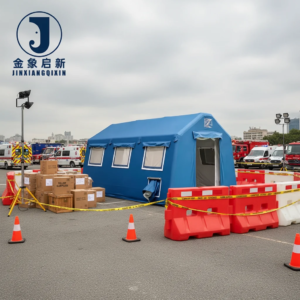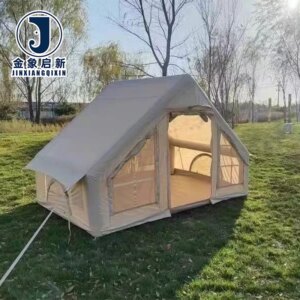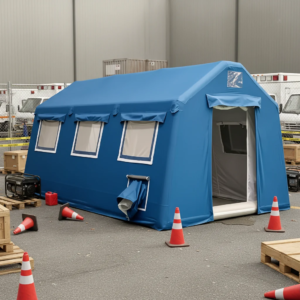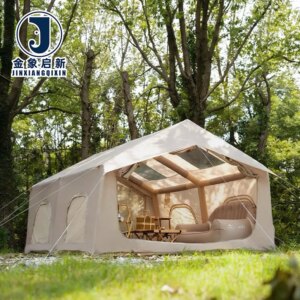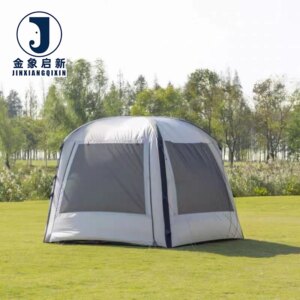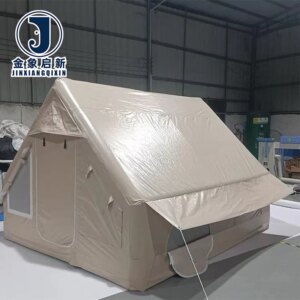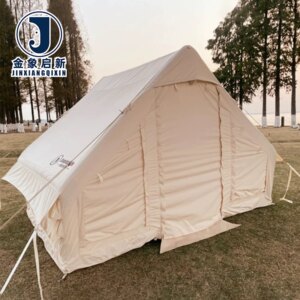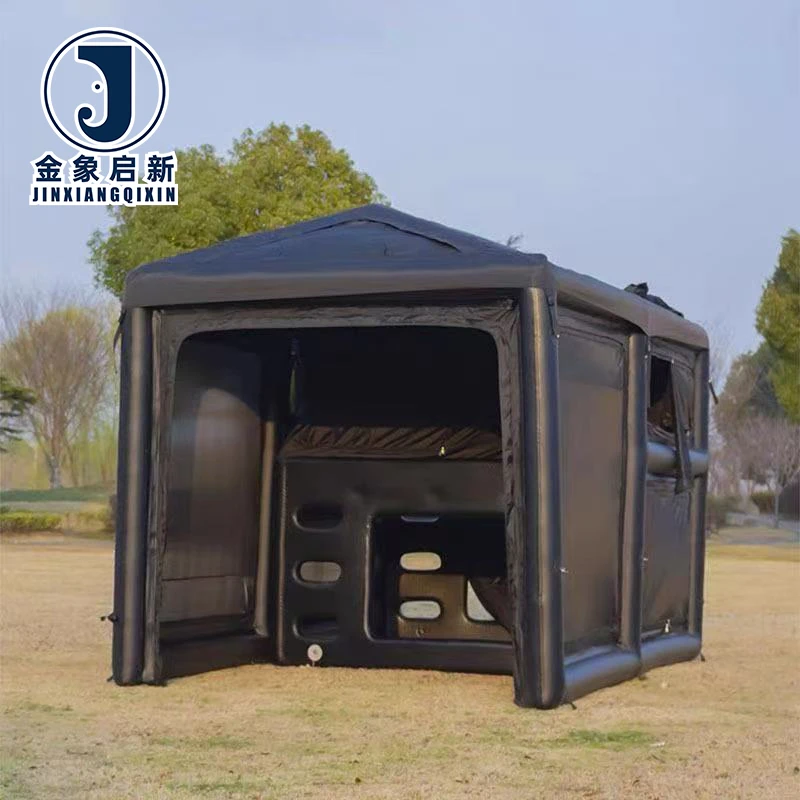
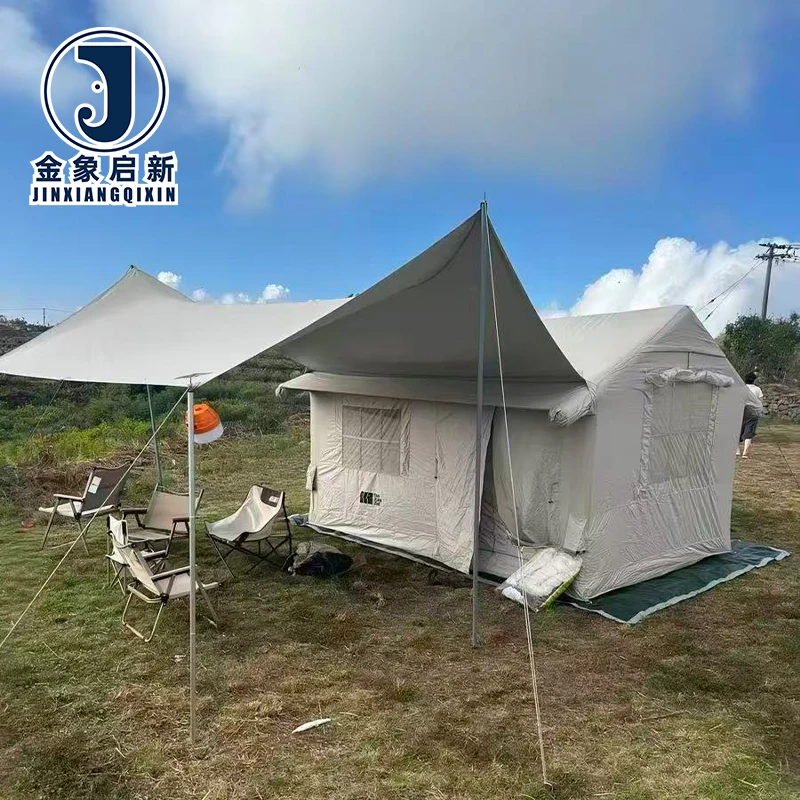
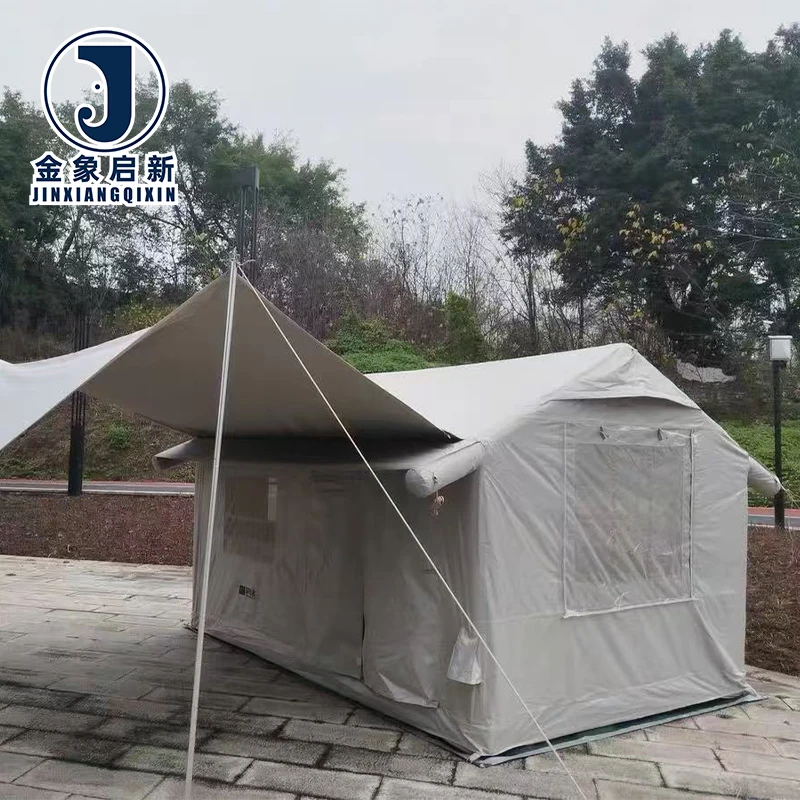
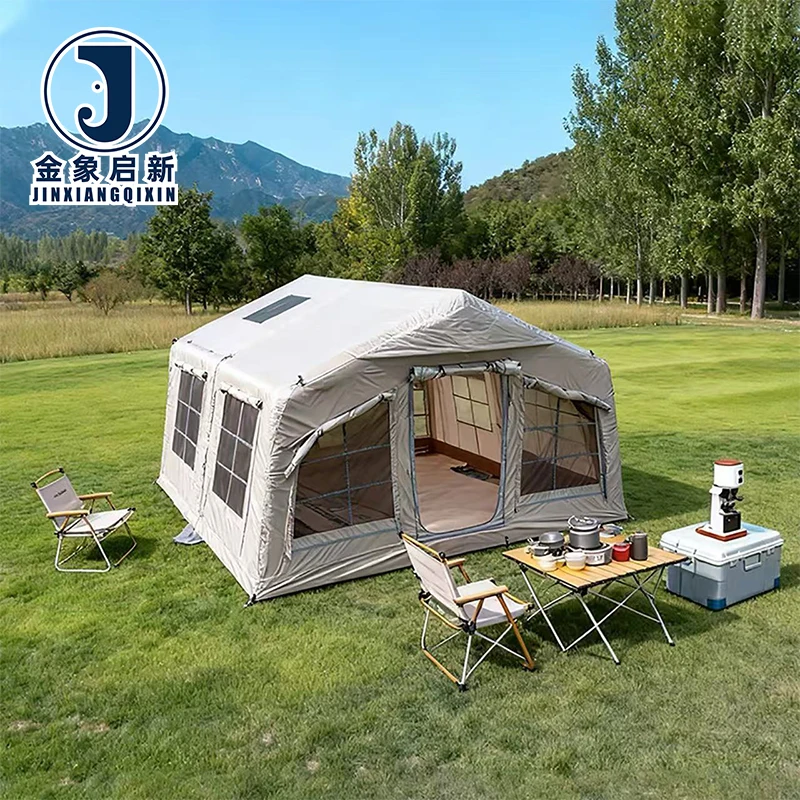
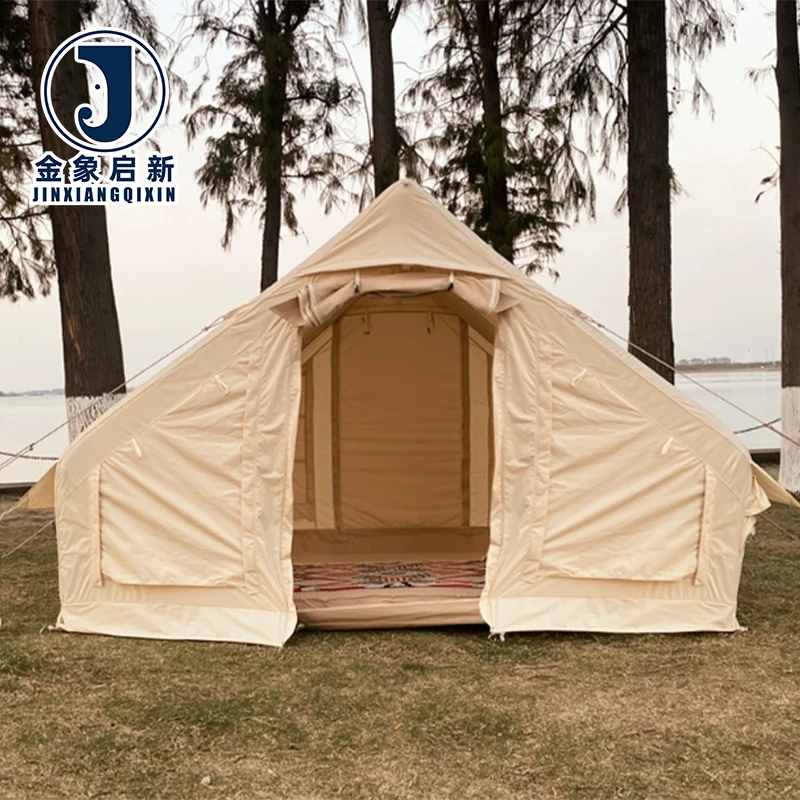
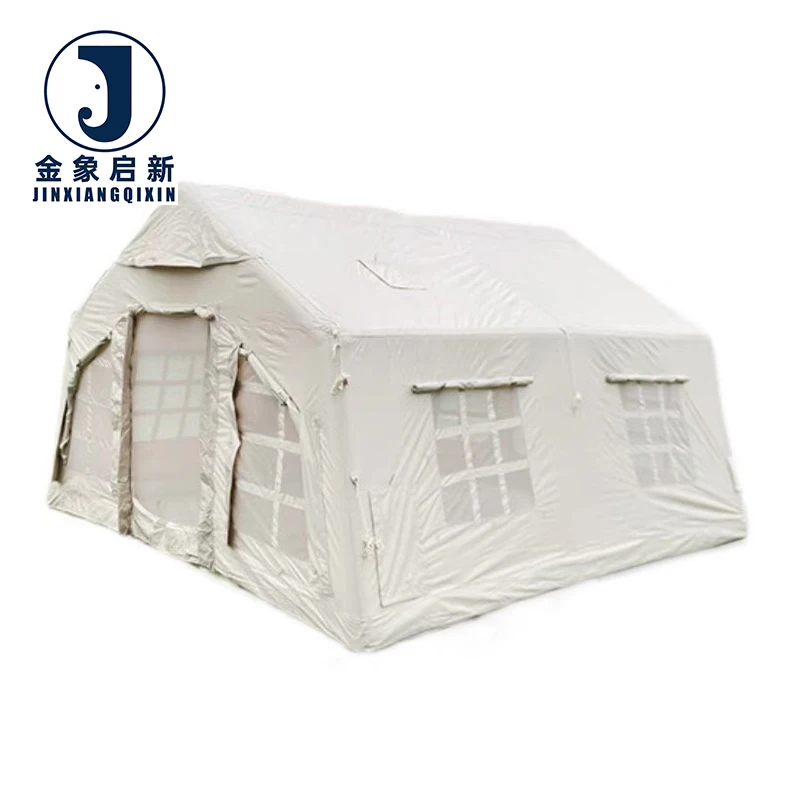
Description
Coated Fabric Process Control — batch-consistent PVC coating with dedicated QA/QC at every production stage, ensuring colour and weight uniformity across inflatable tent fabric rolls
Technical Specifications
| Parameter | Value |
|---|---|
| Product Type | Inflatable Tent |
| Core Material | PVC tarpaulin |
| Coating Material | PVC |
| Key Performance | Waterproof, UV-resistant, tear-resistant |
| Construction | Single layer |
| Customization Service | OEM & ODM, sample customization, pattern printing |
| Production Facility | 9,180 m² with 3 full production lines and 36 sets of processing equipment |
| R&D Support | 10 technicians for material selection and sample development |
| Quality Control | Strict full-process inspection with dedicated QA & QC staff on site |
| Standards | ISO 9001, ISO 14001, ISO 45001, CE |
Application Suitability
| Application | Exposure & Requirement |
|---|---|
| Temporary outdoor event shelters | Rapid inflatable deployment, multi-day weather exposure, crowd safety compliance |
| Mobile field stations on engineering sites | Dust and moisture ingress, frequent relocation, rough ground abrasion |
| Construction site storage facilities | Prolonged UV exposure, wind load, mechanical puncture risk from tools and materials |
| Commercial outdoor shelters | Year-round climate variation, branded appearance retention, repeated inflation cycles |
Why Roll Consistency Matters More Than the Spec Sheet for Inflatable Tent Fabric
Colour variation between rolls in a single inflatable tent order becomes immediately visible once panels are heat-welded side by side on site.
Procurement teams often receive material that matches the quoted GSM on paper but arrives with subtle shade differences across rolls, forcing fabricators to reject entire batches or accept a patchwork appearance. For an inflatable tent manufacturer, this inconsistency means re-cutting panels, delaying project handover, and absorbing waste costs that were never budgeted. Batch-to-batch uniformity in both coating weight and pigment dispersion is what separates a reliable Inflatable tent manufacturer from one that simply fills orders. [NEED_CITE: coating weight variance tolerance for PVC tarpaulin per ISO 1421]
Coating Adhesion and Weld Integrity for Inflatable Structures
Inflatable tents depend entirely on sealed seams to hold internal air pressure. The PVC coating must bond firmly to the base fabric so that heat-welded joints do not delaminate under cyclic inflation stress. Our coating process controls adhesion at every stage, and the single layer construction allows fabricators to set weld parameters with confidence. When sourcing custom inflatable tent fabric, verifying peel strength at the weld line is as critical as checking the base material itself.
Balancing Transport Weight and Structural Durability
A single layer PVC tarpaulin construction keeps packed weight manageable for crews moving shelters between event or construction sites. The tear-resistant performance of the core material supports anchor point loads where tether lines attach to the inflatable frame. Field teams benefit from a shelter that deploys quickly through automatic inflation yet withstands handling abrasion during repeated packing and transport cycles. [NEED_CITE: tear propagation test methods for coated fabrics]
Reading the Specification Sheet Beyond the GSM Figure
GSM alone does not define how a PVC tarpaulin will perform as inflatable tent fabric. The base fabric denier and weave density determine how tear forces propagate once the surface is punctured, while the coating weight contributes waterproofing and UV shielding. A lighter base fabric with a heavier coating may show the same GSM as a denser weave with a thinner coat, yet their tear behaviour under wind load differs significantly. Buyers specifying custom inflatable tent fabric should request the base fabric construction details alongside the total weight figure to make an informed comparison. The interplay between denier, thread count, and PVC coating thickness directly influences how the material handles the repeated flexing inherent in inflatable frame designs.
The Hidden Cost of Underspecified Inflatable Tent Material
When the PVC coating weight on arrival falls short of the quotation, inflatable tent frames lose rigidity faster under wind load, and panels sag between structural ribs. Shade variation between rolls forces fabricators to sort and match panels manually, adding labour hours and pushing delivery dates. Missing UV treatment documentation can lead to premature surface degradation, leaving the commercial client with a faded, brittle shelter within a single season. [NEED_CITE: field failure analysis of PVC tarpaulin shelters under UV exposure] These consequences rarely surface at the quoting stage but appear once the structure is deployed and inspected.
Why Buyers Source Inflatable Tent Fabric Here
Three full production lines and 36 sets of processing equipment provide the capacity to fulfil bulk inflatable tent fabric orders without splitting batches across different machines, which is a common source of roll-to-roll inconsistency. A 10-person R&D team handles pattern printing layouts and sample development, enabling buyers to approve material and print quality before mass production begins. Dedicated QA and QC staff inspect coating weight, colour reference, and weld compatibility at each production stage rather than relying solely on final sampling. The sample confirmation process ensures that custom inflatable tent fabric meets project specifications before the production run is committed. Nearly 30 years of coated fabric manufacturing underpin the process control that keeps batch output uniform across repeat orders.
Documentation & Verification
- Material specification sheet stating base fabric, PVC coating details, and colour reference per batch
- Weight verification record per roll against the stated GSM before dispatch
- Test reports for UV resistance and waterproof performance where grades are specified
- Pre-shipment inspection record signed by dedicated QA & QC staff
- ISO 9001, ISO 14001, ISO 45001, and CE certificates included with shipping documentation
Fabrication, Handling & Storage
- Set heat-weld temperature and dwell time to match the single layer PVC coating thickness for consistent seam strength
- Store rolls upright on pallets to prevent flat-spot creases that interfere with inflatable frame inflation
- Use pattern printing proofs on actual PVC tarpaulin stock before approving the full print run
- Avoid dragging rolls on unprotected ground to preserve the waterproof coating surface
- Clean with mild detergent only to protect the UV-resistant treatment layer
Before You Request a Quote
Share your intended deployment environment, expected inflation cycle frequency, and any fire safety compliance your local jurisdiction requires. Specify whether you need rolls for in-house fabrication or finished cut-and-printed panels ready for assembly. Providing target dimensions and annual volume helps us recommend the most efficient production run structure.
Frequently Asked Questions
Q: How is batch-to-batch colour consistency controlled across custom inflatable tent orders?
A: Every production run follows a controlled PVC coating process with pigment dispersion checks at each stage. Dedicated QA and QC staff compare every roll against the approved colour reference before packing. This in-line verification prevents shade variation from reaching the fabrication floor, ensuring all panels in your inflatable tent order match visually once assembled.
Q: What UV-resistant and waterproof test documentation is provided with each shipment?
A: Where UV-resistant and waterproof grades are specified in the order, corresponding test reports are included in the documentation package. The material specification sheet details the treatment parameters applied. Buyers are advised to confirm the specific test standard required for their market at the inquiry stage so the correct grade is produced and documented.
Q: What OEM and ODM customization options are available for size, printing, and material grade?
A: Customization covers PVC tarpaulin material selection, roll width, cut panel dimensions, and pattern printing for branding. The R&D team develops samples within days for buyer approval before mass production. OEM and ODM specifications are confirmed through the sample approval step, ensuring the final inflatable tent fabric meets your project requirements.
Q: How does the sample approval process work before mass production?
A: After initial inquiry, our team produces a sample reflecting your specified material grade, colour, and any pattern printing requirements. You review and approve the sample before the full production run is scheduled. This step eliminates guesswork on coating weight, surface finish, and print clarity for custom inflatable tent fabric orders.
Q: What certifications accompany each order for project compliance?
A: Each shipment includes ISO 9001, ISO 14001, ISO 45001, and CE certificates alongside the pre-shipment inspection record and certificate of origin. These documents support international project compliance and customs clearance. Buyers should specify any additional regional certifications needed at the inquiry stage to ensure all paperwork is prepared before dispatch.