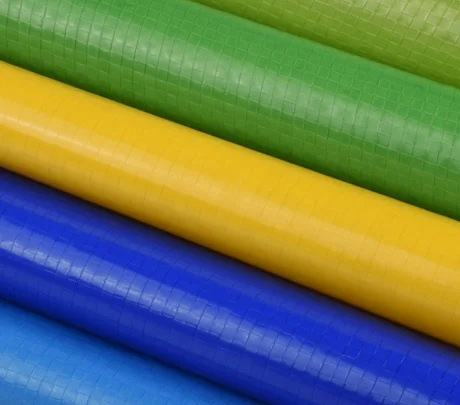
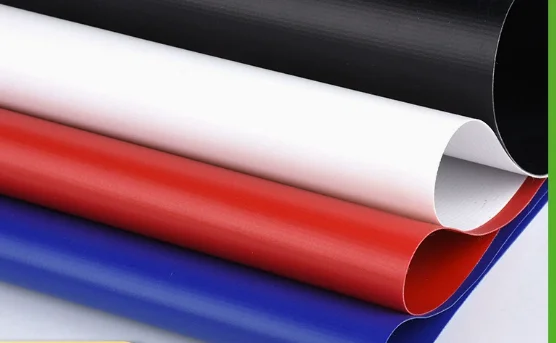
Description
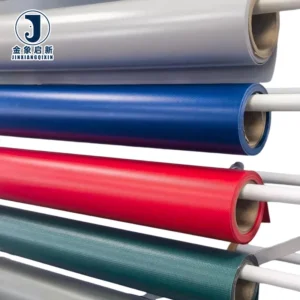
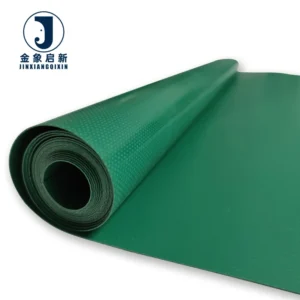
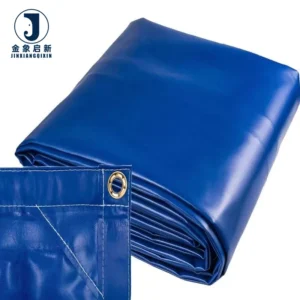
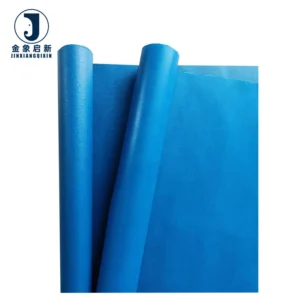
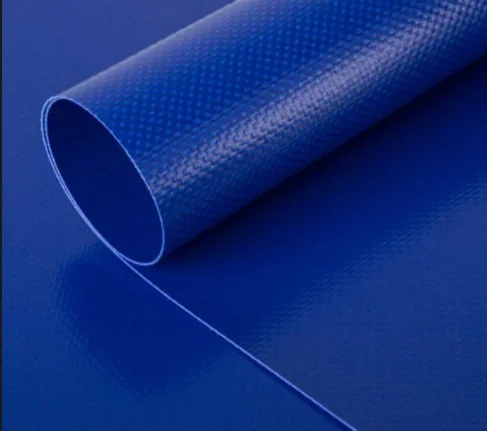
Batch-consistent roll stock — coating weight and pigment are controlled at every production stage so the PVC knife coated tarpaulin roll you receive matches the specification sheet, not just the quotation.
Technical Specifications
| Parameter | Value |
|---|---|
| Product Type | PVC Coated Tarpaulin Roll |
| Base Fabric | PVC coated polyester fabric |
| Coating Method | Knife coated |
| Surface Finish | Self-cleaning surface |
| Treatment Options | Fire retardant, UV resistance, antibacterial, mildew proof, oil and stain resistance, acid and alkali resistance (grades to be confirmed per roll) |
| Temperature Resistance | High temperature and cold resistant (values to be confirmed per specification sheet) |
| Welding Compatibility | HF welding, hot air welding, sewing |
| Key Features | Anti-oxidation, weather resistant, highly flexible yet resistant to cracking |
Application Suitability
| Application | Exposure & Requirement |
|---|---|
| Tensile structures | Permanent tension loads, UV exposure, wind-driven rain, flame retardant compliance for public spaces |
| Large format technical textiles | Wide-format cutting and welding, batch colour matching across panels, structural load distribution |
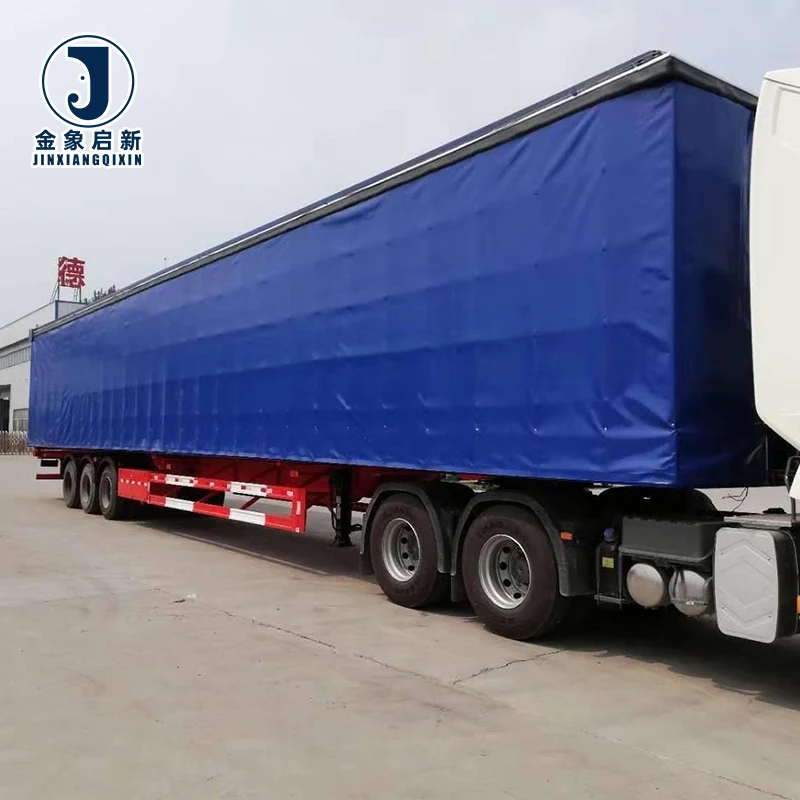
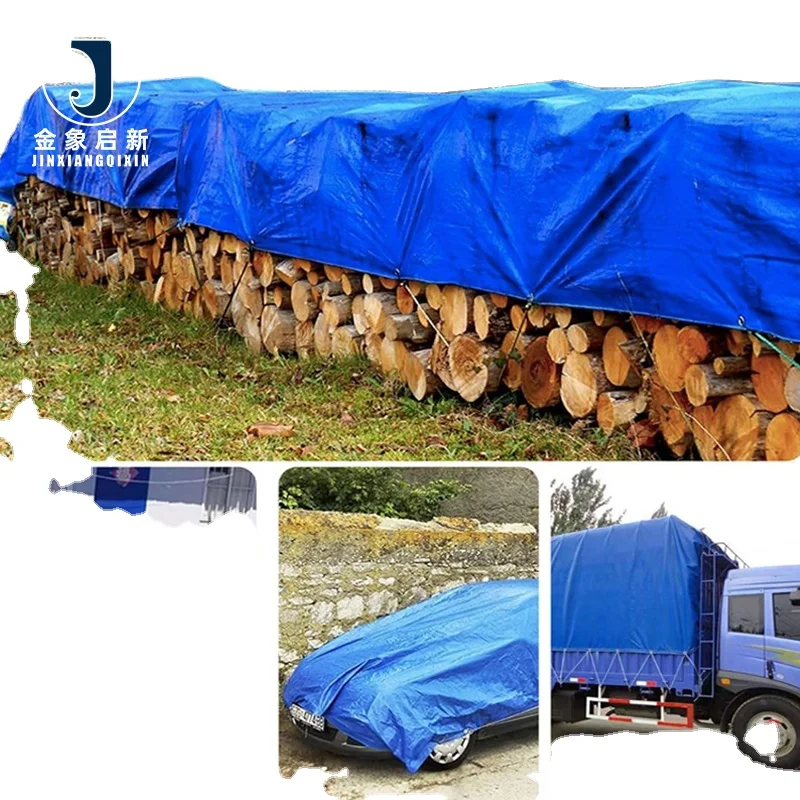
| Portable storage structures | Repeated assembly and teardown, abrasion at frame contact points, water ingress at seams |
| Airport hangars | High wind uplift, aviation fire safety requirements, large unsupported spans |
| Shade systems and shadings | Continuous solar exposure, thermal expansion and contraction, colour fastness under direct sunlight |
| Stadium architectural structures | Long-span membrane tension, crowd safety fire codes, resistance to pooling water at low-slope areas |
Why Roll-to-Roll Colour Matching Matters More Than You Think
Colour drift between rolls becomes visible the moment panels are installed side by side — and by then the material is already cut, welded and on site.
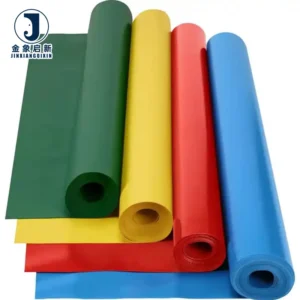
When you order a full container of PVC knife coated tarpaulin roll wholesale, the shade on roll seven needs to match roll one exactly. Distributors and fabricators who have received mixed-batch shipments know the cost: panels rejected by the end client, reorders placed under time pressure, and credibility lost on a project that was otherwise specified correctly [NEED_CITE: colour matching standards for architectural coated fabrics]. The issue is rarely intentional — it is a consequence of pigment dosing and coating temperature drifting between production runs that were not treated as a single batch.
How We Hold Colour and Coating Weight Across a Full Container Order
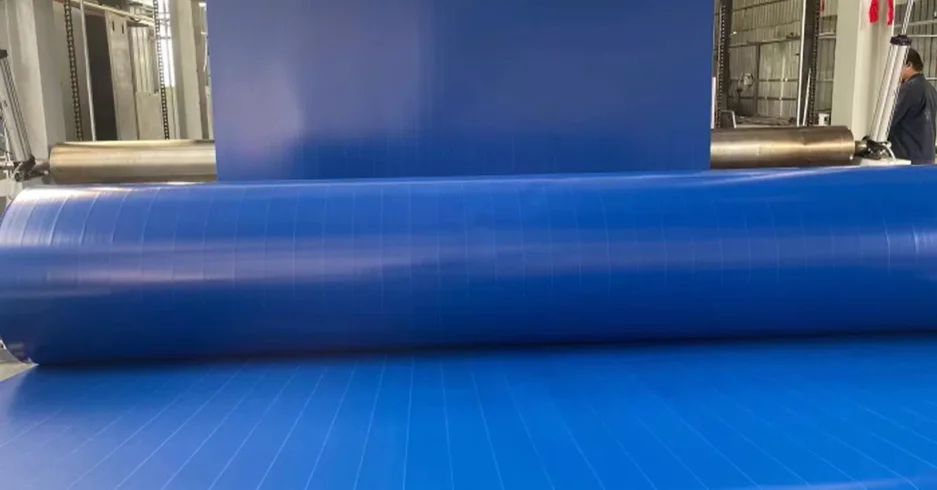
Every roll in your PVC knife coated tarpaulin roll wholesale shipment is produced under a single batch instruction with locked pigment ratios and coating-head settings. In-process QA checks coating weight at defined intervals rather than relying on end-of-line sampling alone. This means the GSM you specified on the purchase order is the GSM that ships — verified per roll, not assumed from a production average. For distributors loading containers by roll count, this consistency is what makes your downstream pricing and yield predictable.
Stock Widths, Bulk Tiers and Container Loading Efficiency
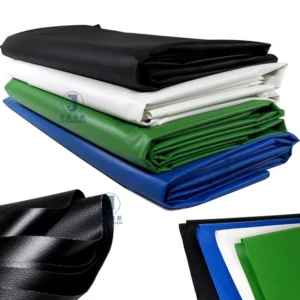
Roll widths are stocked in standard ranges that align with common cutting tables and welding beds used by tent, awning and inflatable manufacturers. When you consolidate an order across widths, the container loading plan is built around roll diameter and weight distribution to prevent crushing on lower tiers [NEED_CITE: container loading practices for flexible coated fabric rolls]. Bulk pricing tiers are structured by roll count and total weight, giving importers a clear cost ladder without needing to commit to a single width or colour for the entire container.
What the Coating Method Means for Your Fabrication Line
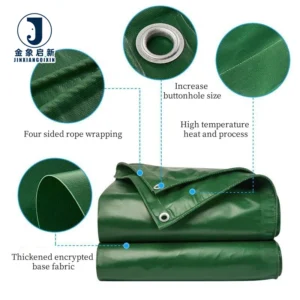
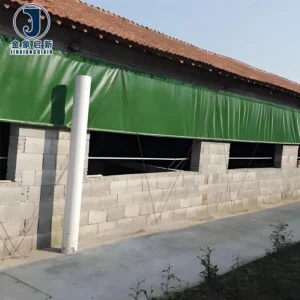
Knife coating deposits a measured layer of PVC compound directly onto the polyester base fabric, producing a smooth, dimensionally stable surface that holds tension without bias stretch. This matters when you are cutting panels for tensile structures or shade systems — the fabric tracks straight through automated cutting tables and does not distort during HF or hot air welding. The self-cleaning surface finish reduces dust adhesion during fabrication, which keeps weld lines clean and minimises rejected seams on the shop floor. The polyester base fabric provides tensile and tear resistance that scales with denier and weave density, not just with overall weight.
The Hidden Cost of Specifying on GSM Alone
A roll that arrives lighter than quoted is the most common complaint in coated fabric procurement. But GSM alone does not determine whether a membrane structure will hold its tension or whether a shade panel will resist tearing at the grommet line. Base fabric denier, weave density and coating adhesion all contribute to the in-service performance — and none of these are visible from a weight measurement on a single sample [NEED_CITE: tensile and tear test methods for coated fabrics per ISO 1421]. When a shade structure panel fails at a stress point, the root cause is often a base fabric that was too light for the span, even though the total GSM met the specification. Fabricators who specify on weight without requesting base fabric details are leaving structural margin to chance.
Why Fabricators and Distributors Source Their Roll Stock Here
Three full production lines and dedicated equipment sets mean your roll order is not squeezed between smaller custom jobs — production scheduling protects batch integrity for wholesale volumes. A ten-person R&D team handles material selection and sample development, so when you need a colour match or a treatment combination that is not in standard stock, sample rolls are developed within days rather than weeks. QA inspection runs at every production stage with a full pre-shipment check on every roll, meaning the dispatch record matches what arrives at your warehouse. Documentation accompanies every shipment — specification sheets, inspection records and customs paperwork are prepared as standard, not requested as an afterthought.
Documentation & Verification
- Material specification sheet stating GSM, base fabric construction and coating type per roll
- Pre-shipment inspection record with weight verification against the stated GSM before dispatch
- Roll packing list detailing roll count, individual weights and container loading plan
- Test reports for fire retardant and UV treatments where applicable to the grade specified
- Certificate of origin and customs documentation prepared for export shipments
Fabrication, Handling & Storage
- HF and hot air welding both compatible — adjust dwell time to the knife coated PVC layer thickness
- Self-cleaning surface reduces dust contamination at weld lines during shop fabrication
- Store rolls upright on pallets to prevent flat spots that cause tracking issues on cutting tables
- Allow rolls to acclimatise before unrolling in cold conditions to avoid stiffness-related cracking
- Use PVC-compatible cleaners only to preserve the self-cleaning surface treatment on finished structures
What to Include With Your Enquiry
Specify the end-use application and the environmental exposure the fabric will face — tensile span, UV intensity, wind load and any fire code requirements in your target market. Indicate the roll widths and total linear metres you need per colour, along with any treatment combinations required such as fire retardant plus UV resistance. If you are consolidating multiple widths or colours in one container, list each variant so the loading plan and batch schedule can be built around your full order.
Frequently Asked Questions
Q: What GSM tolerance can I expect across a full container order?
A: Every roll is checked against the stated GSM during production and again at pre-shipment inspection. The verification record travels with your documentation so you can confirm on arrival. Tolerance is governed by the coating process control rather than a blanket percentage — request the inspection record for your specific order to see the measured values per roll.
Q: Do you supply test reports for fire retardant and UV treatments?
A: Yes, where the treatment is specified on your order. Fire retardant grades and UV resistance levels are available in multiple options, each with a corresponding test report. Confirm the grade or standard required for your market when you enquire, and the matching report is included with your shipment documentation.
Q: Can I mix different widths or colours in one container?
A: Mixed containers are accommodated. The loading plan is built around roll diameter and weight distribution across widths and colours. Each variant is produced as a defined batch to maintain colour consistency within that group, and the packing list details roll count and weight per variant for your warehouse intake.
Q: What is the minimum order and lead time for custom colour or print?
A: Minimums depend on the width and treatment combination you require. Custom colours are developed as sample rolls first for your approval before full production runs. Lead times vary with the complexity of the specification — standard stock widths and colours ship on shorter schedules than fully custom builds.
Q: How do you ensure colour consistency when I reorder months later?
A: Colour references are recorded against your original order so that reorders are matched to the same pigment formulation. Production treats each reorder as a controlled batch with in-process colour checks. Requesting a reference sample from your previous shipment alongside the new order gives your team a physical comparison point on arrival.