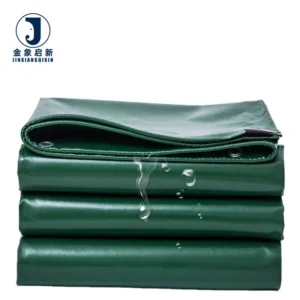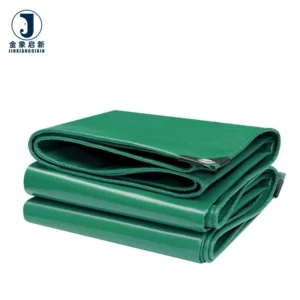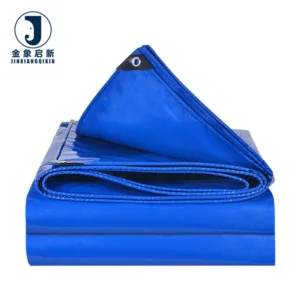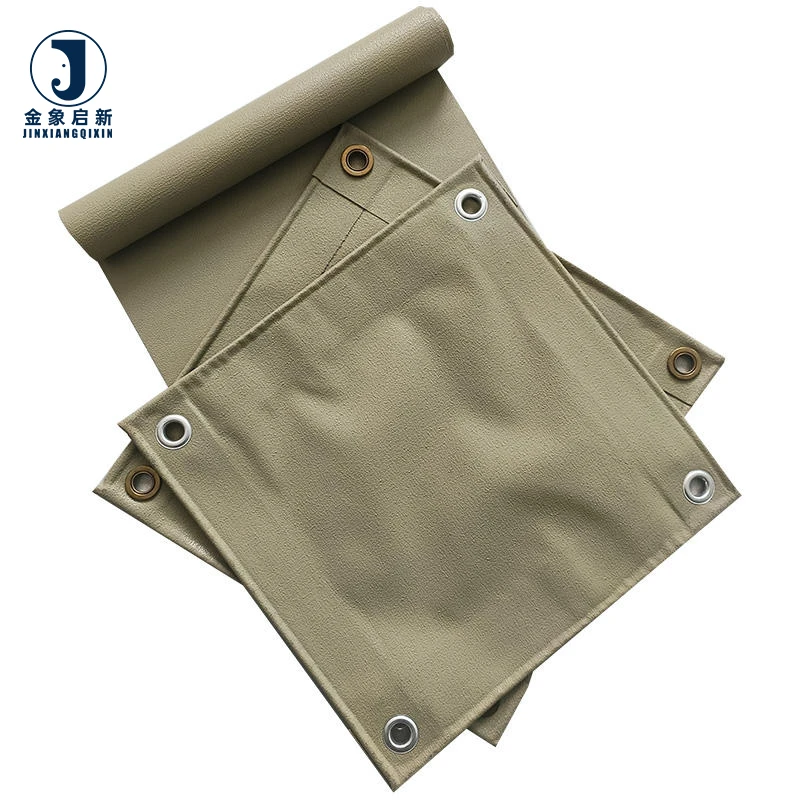
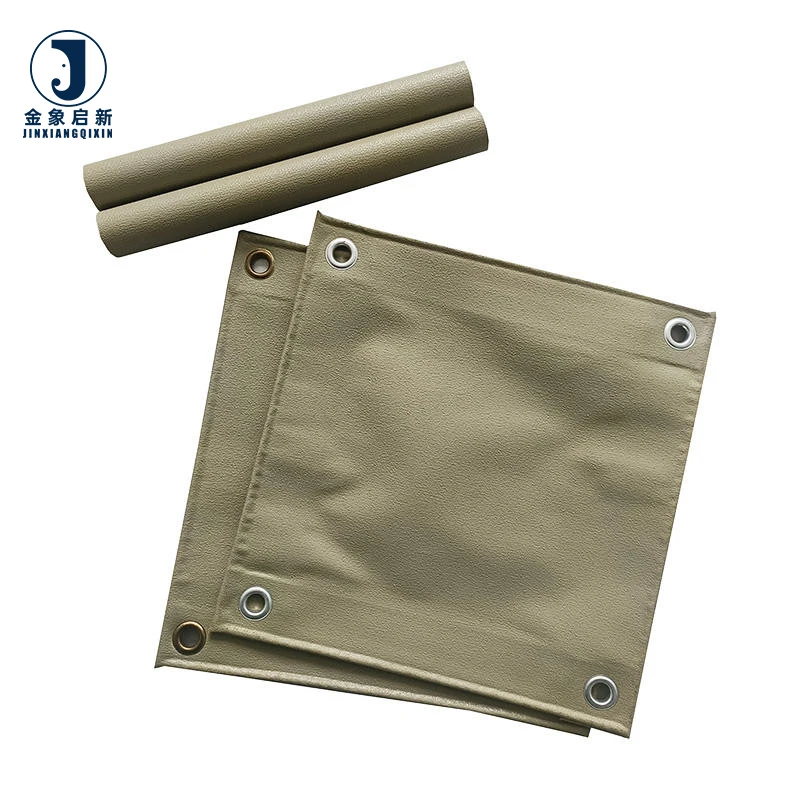
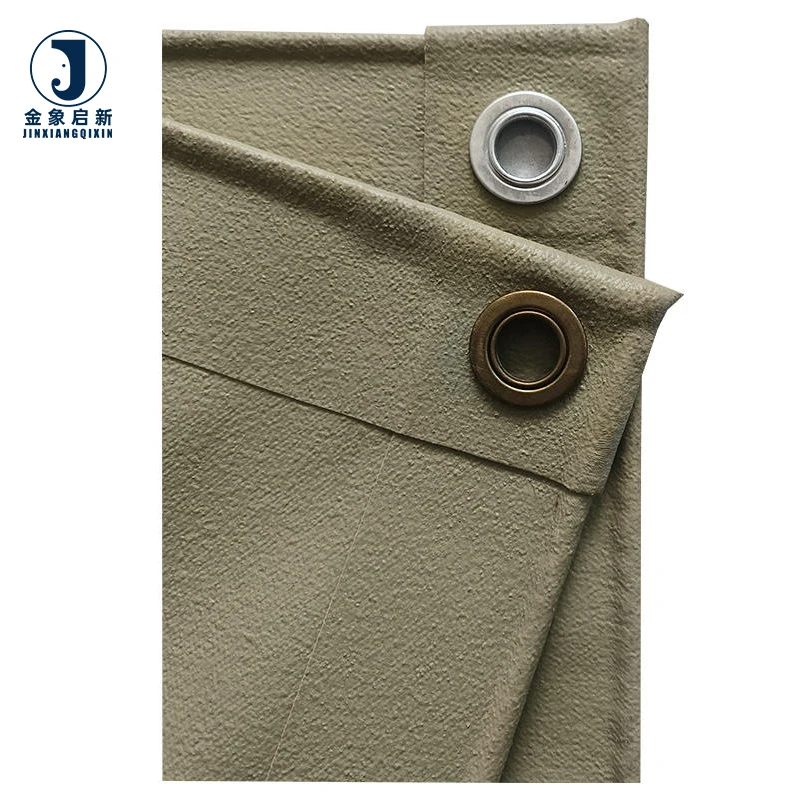
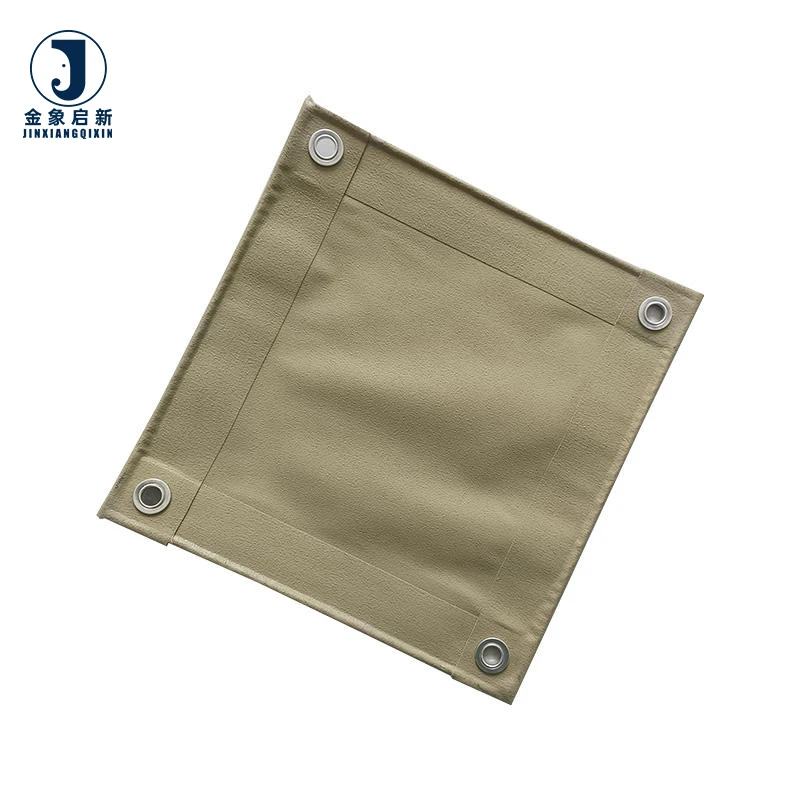
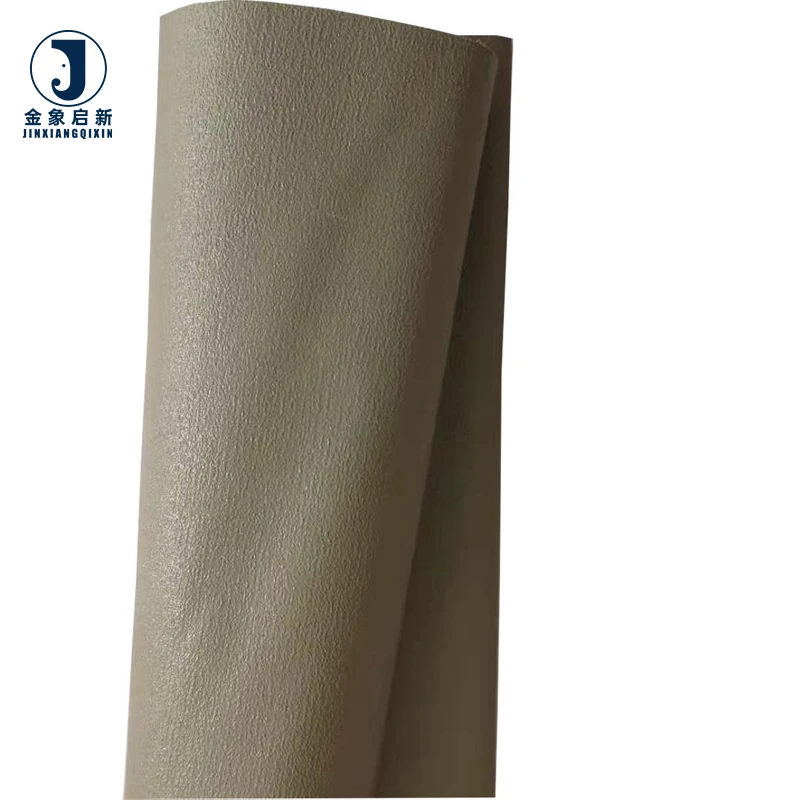
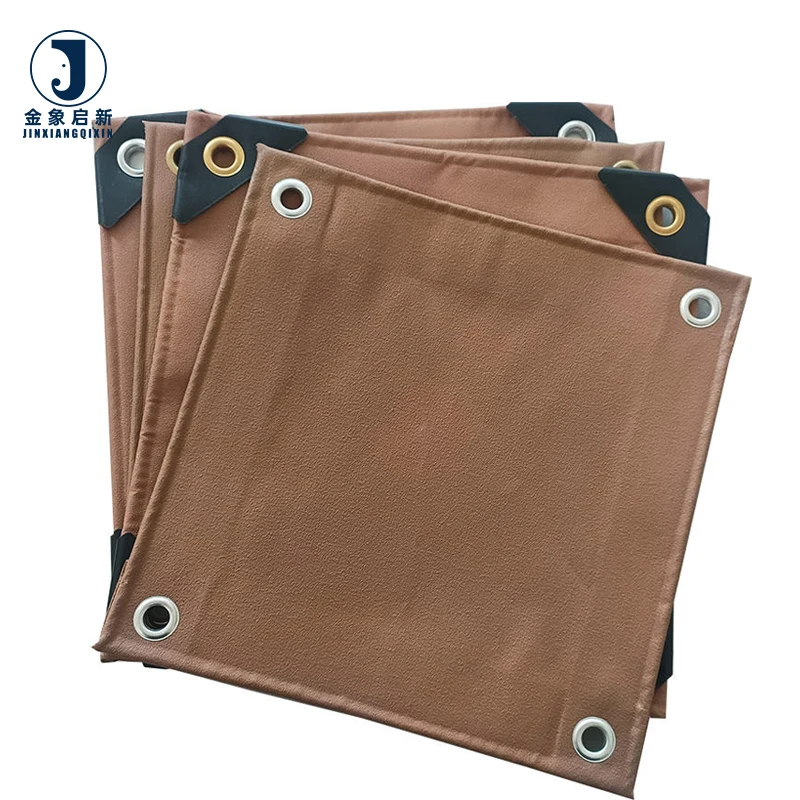
Description
Consistent Roll-Stock Quality — Every PVC coated tarpaulin roll undergoes in-process QA and pre-shipment inspection to ensure GSM, colour, and coating weight match the spec sheet before container loading.
Technical Specifications
| Parameter | Value |
|---|---|
| Product Type | PVC Coated Tarpaulin |
| Coating Material | PVC |
| Weight (GSM) | 700gsm, 850gsm, 900gsm (confirm grade per application) |
| Waterproof | Fully waterproof coated construction |
| Flame Retardant | Available in flame retardant grades — confirm the grade required for your market |
| Anti-Static | Available — confirm the standard required for your site |
| Anti-Mildew | Available |
| Anti-Cold | Available for low-temperature transport environments |
| UV Treatment | Available — request test basis for your exposure conditions |
| Outdoor Life | Suited to extended outdoor exposure (verify against specific grade) |
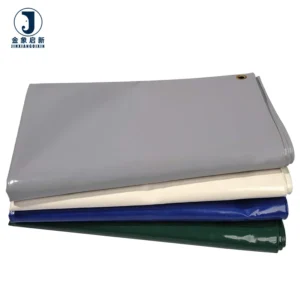
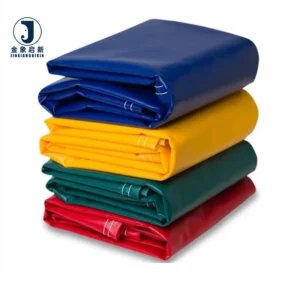
| Surface Finish | Glossy or matte (select per requirement) |
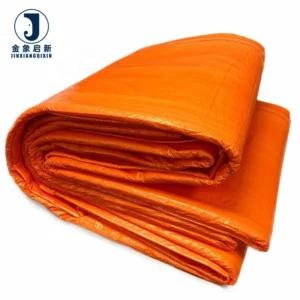
| Colour | Single or double-side colour options available |
| Custom Dimensions | Width and length configurable per order |
Application Suitability
| Application | Exposure & Requirement |
|---|---|
| Truck and trailer cargo cover | Constant road vibration, wind loading, UV exposure, flex at tie-down points |
| Side curtain fabric for curtain-siders | Repeated rolling and folding, abrasion against frame rails, weather sealing |
| Flatbed load protection | Direct sun, rain ingress risk, load shift abrasion |
| Pallet and equipment wrap in transit | Stacking pressure, forklift contact, outdoor staging |
| Regional tarpaulin distribution stock | Roll-to-roll batch consistency, multiple width requirements, container loading efficiency |
Why Batch Consistency Matters More Than Quoted GSM
A quoted GSM is meaningless if the roll on arrival is lighter than agreed.
Buying PVC Coated Tarpaulin Roll wholesale should not be a gamble on what actually arrives at the dock. Distributors and fleet operators regularly face a pattern: the material specification sheet states one weight, but the physical roll falls short once unwrapped and measured. The cost is not only in the weight discrepancy itself — it surfaces later as premature tearing at high-stress points, failed welds during fabrication, and warranty claims from end users who trusted the cover to hold through a season. Across regional tarpaulin import markets, this gap between paper specification and delivered reality is the single largest source of buyer-supplier friction. [NEED_CITE: common discrepancies in coated fabric weight verification for bulk import orders]
Roll-to-Roll Weight Verification Before Dispatch
Every roll of PVC coated tarpaulin is checked against the stated GSM during production and again at pre-shipment inspection. This is not a spot-check on a single sample — it is a documented process that covers the full batch. For wholesale buyers stocking multiple grades for regional fabrication, this means the 700gsm rolls in one container will match the specification, and the 850gsm rolls in the next will match theirs. Weight consistency across the order eliminates the most common reason fabricators reject incoming stock and re-order from a different supplier.
Colour Matching Across a Multi-Roll Order
When several rolls from the same order are cut and installed side by side on adjacent trailers or across a fleet, even a minor shade difference becomes immediately visible. The coating formulation and pigment batching are controlled at the mixing stage to ensure each roll within a single PVC coated tarpaulin order carries the same colour reference. This is critical for transport fleet operators standardising their cover material and for distributors who supply fabricators working on multi-unit contracts. [NEED_CITE: colour consistency control methods in PVC coating production]
Specifying the Right Grade for Transport Exposure
The relationship between base fabric denier, weave density, and coating weight determines how the material performs under load. A higher GSM does not automatically mean higher tear resistance — a 700gsm fabric woven from high-denier yarns with a tight weave can outperform a heavier grade built on a looser base. The coating method — whether knife-coated, laminated, or calendered — affects peel strength between the PVC layer and the base fabric, which directly influences how the material behaves at welded seams. For truck cargo covers that flex constantly during transport, peel strength at the weld line often matters more than tensile strength measured in isolation. Surface finish also plays a role: a matte finish reduces glare for side curtain applications, while a glossy surface sheds dirt more readily and supports printed branding if required. The choice between anti-mildew, anti-cold, or flame retardant treatment should be driven by the operating environment — cold-chain transport, tropical humidity, or enclosed site storage each demand different additive packages. [NEED_CITE: relationship between coating method and peel strength in PVC coated fabrics per ISO 1421]
What Happens When Roll Specifications Are Wrong
Ordering a PVC coated tarpaulin grade without confirming the flame retardant certification for a specific market can result in a full container load that cannot clear customs or pass site inspection. A batch with inconsistent GSM across rolls forces fabricators to adjust heat-seal temperatures mid-production, producing weak welds on some panels and burnt edges on others. Rolls that vary in colour within the same order create visible mismatches once the covers are installed across a fleet, triggering rework and client complaints. These failures rarely show up at the quotation stage — they appear only after the material has been shipped, cleared, cut, and assembled. [NEED_CITE: fabrication defects linked to batch inconsistency in coated fabric supply]
Why Sourcing PVC Coated Tarpaulin Roll Stock Here Works
Three full production lines with 36 sets of professional equipment support bulk roll output with the capacity to fill container orders on schedule. A 10-person R&D team handles material selection, custom width configuration, and sample development for specific GSM grades before full production begins. Dedicated QA and QC checkpoints at every production stage mean weight, colour, and coating adhesion are verified in-process, not only at final packing. Samples for custom width, colour, or treatment requirements are developed within days, allowing buyers to approve the material before committing to a full order. Pre-shipment inspection covers every roll against the specification sheet, and packing is planned around container dimensions to maximise loading efficiency and minimise transit damage.
Documentation & Verification
- Material specification sheet listing exact GSM, base fabric denier, and coating type per roll
- Pre-shipment inspection record confirming weight and treatment compliance per batch
- Test reports for flame retardant and UV grades supplied where applicable
- Roll packing list with count, weight, and dimensions for container loading plans
- Certificate of origin and full customs documentation with every shipment
Fabrication, Handling & Storage
- Heat-seal temperature must be set to the specific GSM grade — 700gsm and 900gsm require different profiles
- Store PVC coated tarpaulin rolls upright on cores to prevent flat-spot creasing across the width
- Allow cold-stored rolls to reach ambient temperature before unrolling to avoid coating crack at low flex
- Use compatible PVC welding tape for seam repair — solvent adhesives may not bond to matte-finish surfaces
- Cut panels with allowance for shrinkage at weld zones, particularly on custom-width rolls
- Avoid stacking heavy pallets on horizontal rolls during warehouse storage to protect coating integrity
Before You Place a Roll Stock Order
To match the right PVC coated tarpaulin grade to your requirements, share the target GSM, the width and roll length you need, and the intended application — whether for truck covers, side curtains, or general distribution stock. Specify any treatment requirements such as flame retardant or anti-static grades and the compliance standard your market demands. If colour consistency across multiple rolls is critical, provide the reference colour and request a pre-production sample for approval before full batch manufacturing.
Frequently Asked Questions
Q: How is GSM verified per roll and what documentation accompanies shipment?
A: Each roll is weighed and measured during production and again at pre-shipment inspection against the stated GSM on the specification sheet. A documented inspection record accompanies the shipment, along with a roll packing list detailing count, weight, and dimensions. This gives wholesale buyers traceable verification for every roll received.
Q: What is the MOQ for custom width or colour on roll stock orders?
A: Custom width and colour are available on bulk roll orders, with minimums set per production run. The R&D team develops a sample roll for approval before the full batch is manufactured. Contact the sales team with your required dimensions and colour reference to confirm the minimum quantity for your specification.
Q: How is batch colour consistency controlled across multiple rolls?
A: Pigment batching is controlled at the coating formulation stage, with each batch mixed to a single colour reference for the full order. In-process quality checks verify shade uniformity before rolls are packed. This ensures rolls installed side by side on adjacent vehicles or structures present a consistent appearance.
Q: What roll lengths and widths are available for container loading?
A: Standard and custom widths are produced to suit fabrication requirements, with roll lengths configured to optimise container loading by count and weight. The packing list details roll dimensions for logistics planning. Buyers can specify dimensions that align with their cutting patterns to reduce material waste.
Q: How are rolls packed to prevent damage during ocean freight?
A: Rolls are wound on rigid cores, wrapped in protective film, and secured in the container to prevent movement and crushing during transit. Packing configuration is planned around standard container dimensions to maximise space utilisation while protecting coating surfaces from abrasion and compression damage.