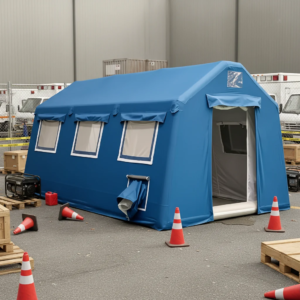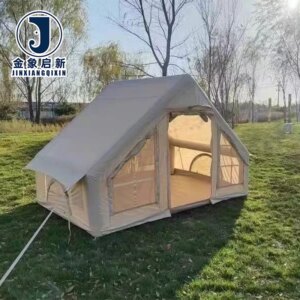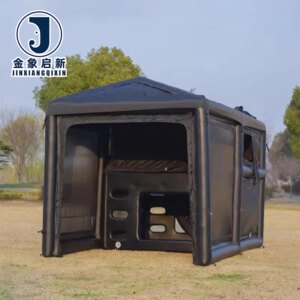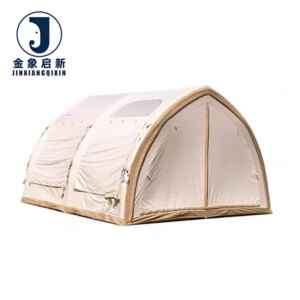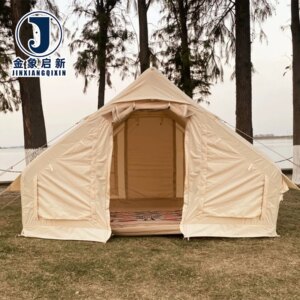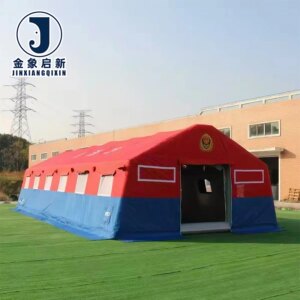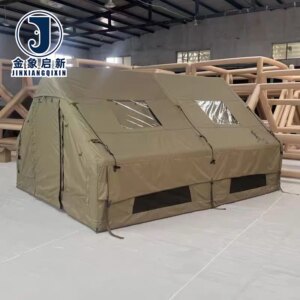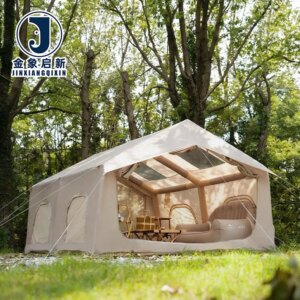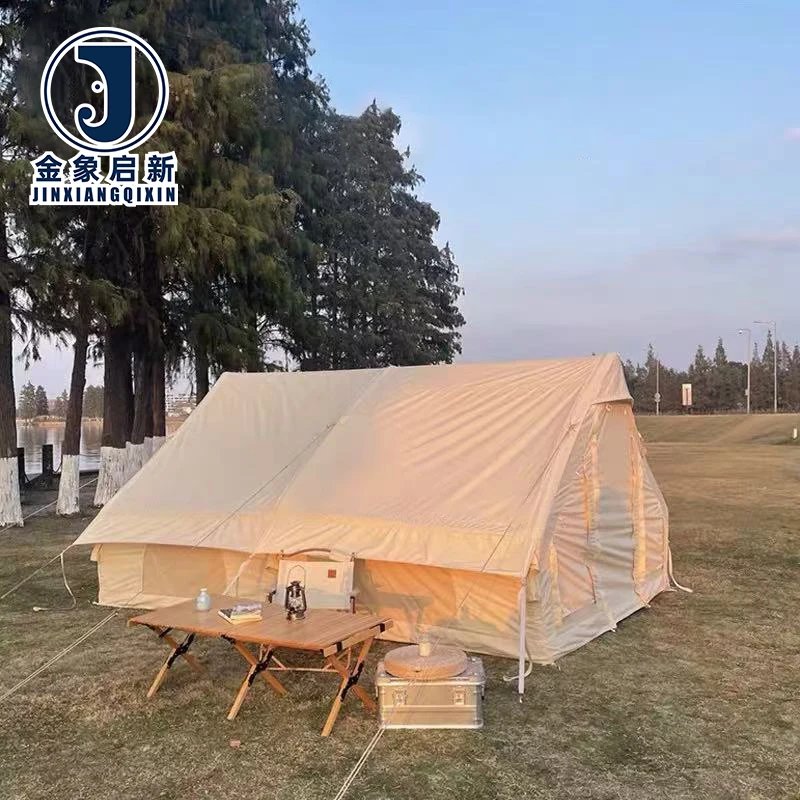
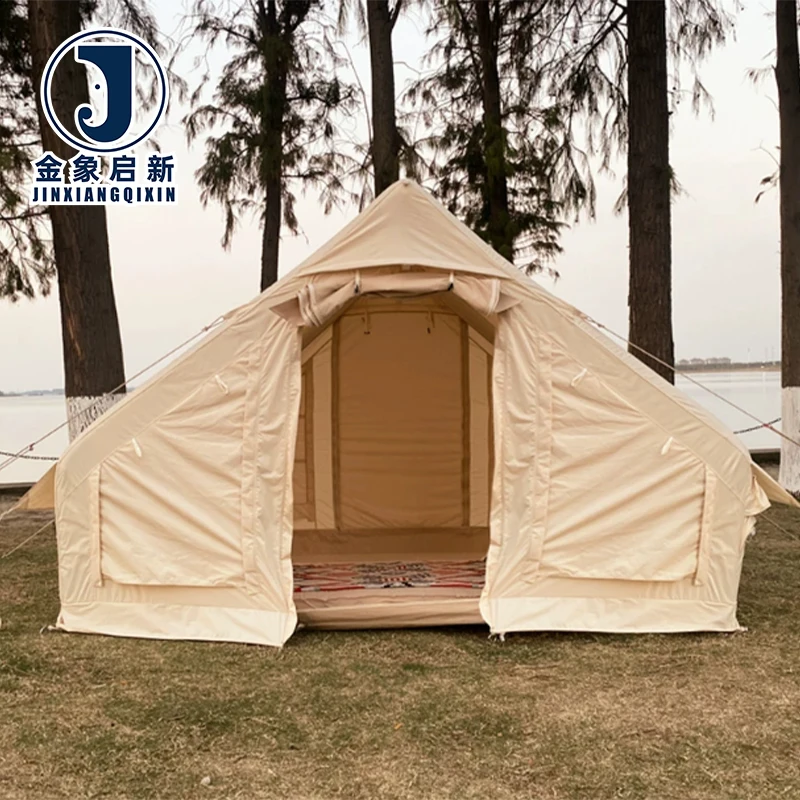
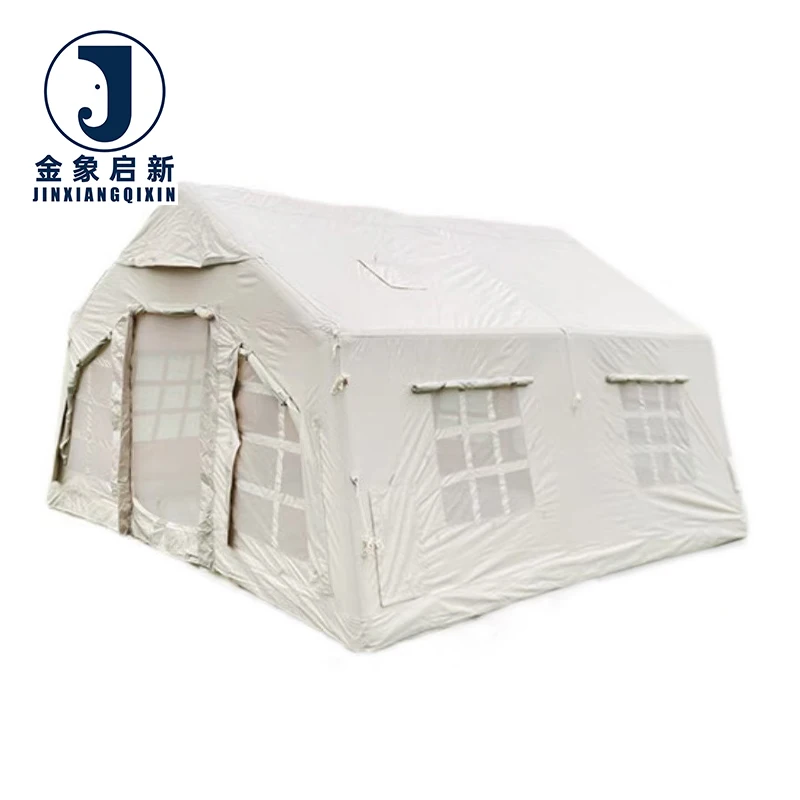
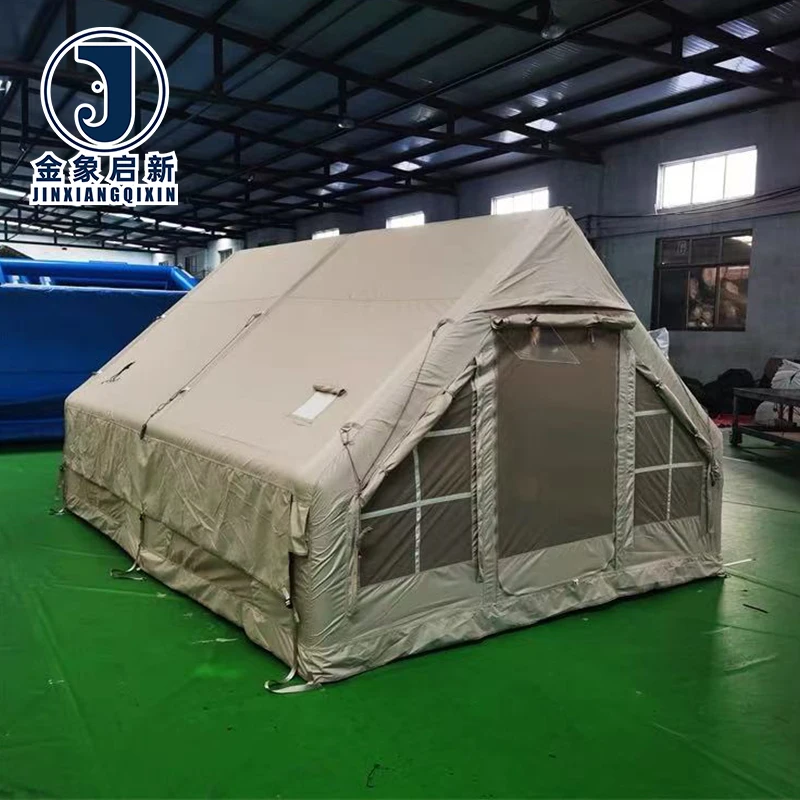
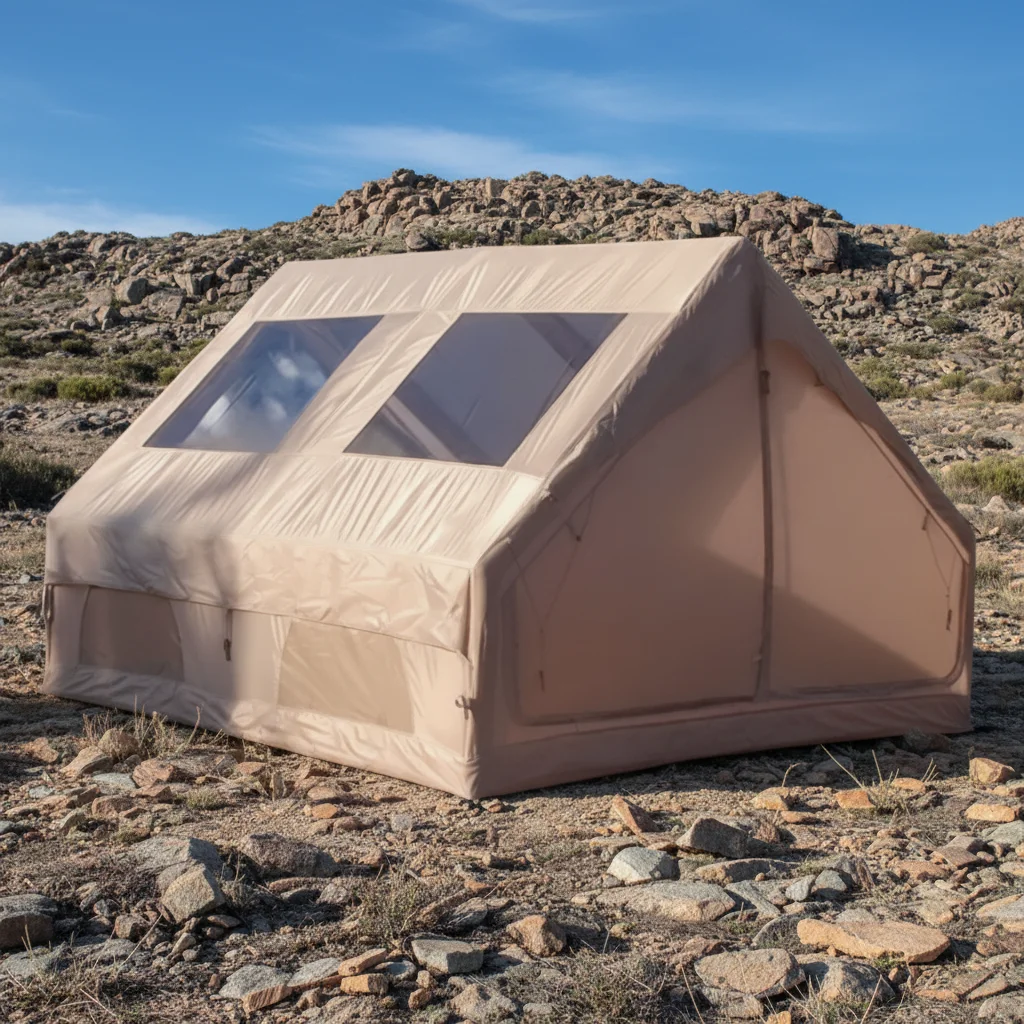
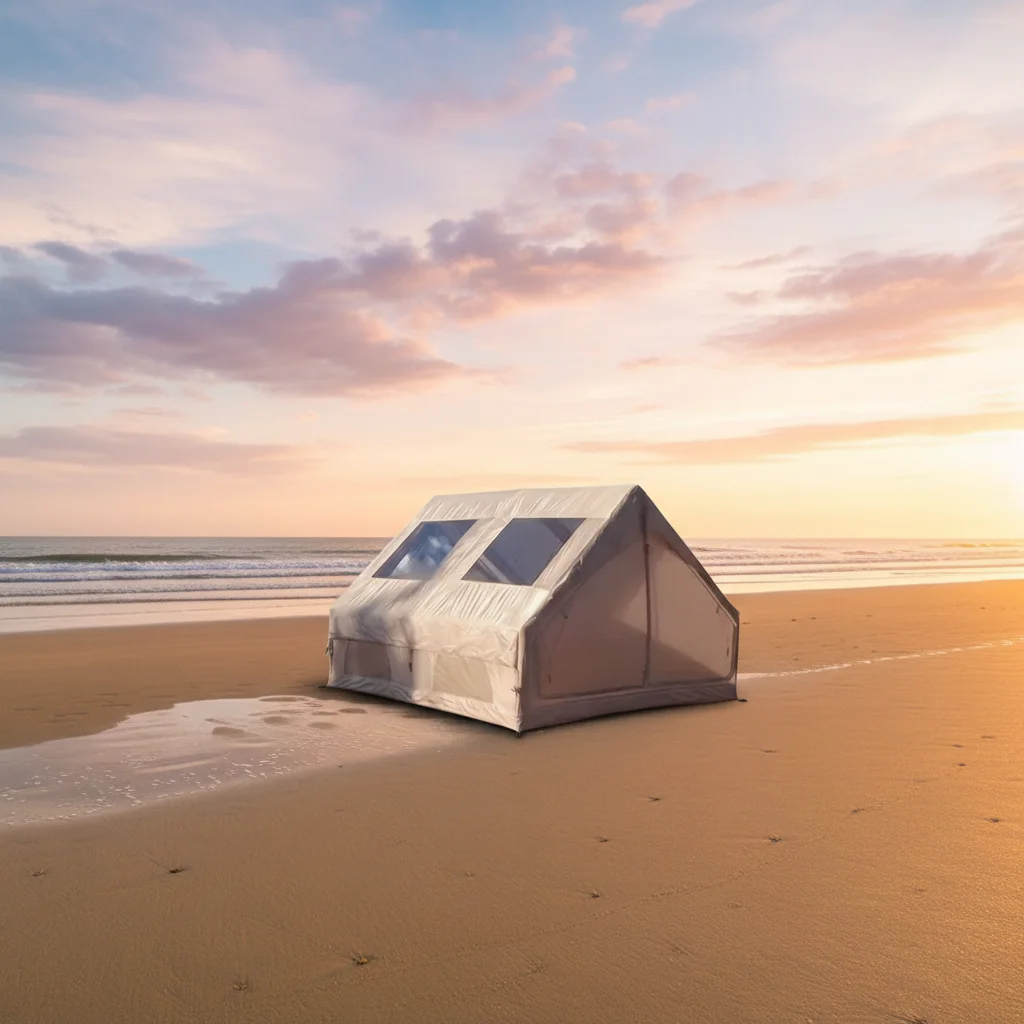
Description
Batch-Matched Roll Consistency — every roll of Inflatable Tent Fabric in your order ships from the same production run with batch ID traceability, eliminating visible colour variation across units on a single glamping or event site.
Technical Specifications
| Parameter | Value |
|---|---|
| Product Type | Inflatable Tent Fabric / PVC Tent |
| Core Material | PVC |
| Key Performance | Waterproof, Quick Automatic Opening, Four-Season Design, Single Layer Construction |
| Certifications | ISO9001, ISO14001, ISO45001, CE |
| Production Facility Area | 9180 square meters |
| Production Lines | 3 full production lines |
| Processing Equipment | 36 sets of professional processing equipment |
| R&D Team Scale | 10 technicians |
| Customization Service | OEM & ODM (sample customization, pattern printing) |
| Quality Control System | Strict full-process quality inspection with dedicated QA&QC staff on site |
Application Suitability
| Application | Exposure & Requirement |
|---|---|
| Commercial glamping campgrounds | Year-round all-weather exposure, guest-facing aesthetics, rapid deployment between bookings |
| Outdoor festival and event shelters | High-volume unit deployment, colour consistency across dozens of tents, frequent assembly and teardown cycles |
| Remote workforce housing projects | Extended outdoor exposure in harsh climates, waterproof integrity, durable single-layer construction |
| Inflatable structure manufacturing | Roll-stock purchasing by fabricators, batch-to-batch GSM and colour repeatability, weldability for tube and seam construction |
Why Roll-to-Roll Colour Variation Destroys Multi-Unit Deployments
A tent fabric order that looks matched on the roll but shifts shade once installed side by side costs more in rework than the fabric itself.
When a glamping operator deploys twenty inflatable tents across a single site, guests notice the shade difference between neighbouring units before they notice anything else. Fabricators cutting from multiple rolls face the same problem: panels from one roll meet panels from another at the weld line, and the colour boundary becomes a visible fault. This is not a defect in the coating chemistry — it is a consequence of pulling rolls from different production runs without batch matching [NEED_CITE: batch colour management in PVC coated fabric production]. Sourcing wholesale Inflatable Tent Fabric from a single production run with documented batch identification eliminates this failure mode before the first roll is cut.
Controlling Batch Identity Across a Container Load
Ordering PVC Glamping Tent roll stock in volume means a single shipment can contain dozens of rolls. Each roll carries a batch identification tag linking it to the specific coating run, base fabric lot, and colour mixing session. This traceability allows fabricators to allocate rolls to individual tent builds or event deployments with confidence that every panel within one unit originated from the same production batch. The 36 sets of professional processing equipment in the facility support this level of lot control by allowing dedicated runs rather than mixing output from parallel lines.
Production Capacity Without Sacrificing Consistency
Three full production lines enable the facility to run large-volume inflatable tent fabric orders without compressing lead times at the expense of quality. Dedicated QA&QC staff inspect at every production stage rather than sampling only at the end. When a batch of PVC Glamping Tent roll stock is designated for a single customer order, the coating weight, colour formulation, and surface finish remain locked for the duration of that run [NEED_CITE: in-process QA protocols for coated textile manufacturers]. This approach prevents the mid-order drift that occurs when a line switches between customer specifications without adequate changeover controls.
Reading the Specification Sheet Beyond the Headline Numbers
The single-layer PVC construction of this Inflatable Tent Fabric balances material weight against structural demands. A single-layer design reduces roll weight and shipping cost per square metre, which matters when loading a container with enough fabric for a multi-unit campground project. The waterproof coating is applied to fully encapsulate the base fabric, creating a continuous barrier that does not rely on a secondary membrane or laminate. Four-season design indicates the formulation is intended for extended all-weather outdoor exposure rather than seasonal temporary use, though the specific UV treatment grade and flame retardant classification should be confirmed against your local regulatory requirements. The quick automatic opening mechanism compatibility depends on the fabric’s flexibility at operating temperature — request the low-temperature flex test data if your deployment environment includes cold-climate conditions. Width and roll length options are available to match your cutting pattern and minimise off-cuts; confirm the specific dimensions needed for your tent design [NEED_CITE: PVC coated fabric tensile and tear test methods per ISO 1421].
The Hidden Cost of Specifying on Price per Kilogram Alone
Buyers who award an Inflatable Tent Fabric order based solely on the lowest cost per kilogram often discover the real cost at the welding table. A lighter coating applied to cut material expense will show the correct GSM on the quotation but may fail to hold a welded seam under the inflation pressure of a glamping tent tube. The seam peels before the fabric reaches its rated tear load, and the failure appears in the field rather than in pre-production testing. Colour variation between unmatched rolls forces fabricators to sort and re-pair panels, adding labour hours that erase the initial savings. Waterproof performance that degrades after a season of UV exposure turns a commercial campground’s asset into a recurring replacement expense [NEED_CITE: common failure modes in PVC tent fabric at welded seams].
Why Fabricators Source Their Tent Material Here
The 10-person R&D team develops samples for custom width, colour, and pattern printing requirements within days, allowing fabricators to validate material behaviour before committing to a production run. Strict full-process quality inspection with dedicated QA&QC staff on site means every roll passes through inspection before dispatch — not just a statistical sample from the batch. ISO9001, ISO14001, ISO45001, and CE certifications underpin the management systems behind the fabric output, not just a logo on a brochure. OEM and ODM customization including sample customization and pattern printing supports brand differentiation for glamping tent manufacturers who print logos or bespoke graphics onto the shelter exterior. Three full production lines provide the capacity to fulfil container-volume orders without subcontracting coating to an uncontrolled external source.
Documentation & Verification
- Material specification sheet stating GSM, base fabric type, coating weight, and colour reference per roll
- Pre-shipment inspection record confirming 100 percent inspection before dispatch
- Roll packing list with batch identification tags for lot traceability across the order
- Certificate of origin and customs documentation supporting international container shipments
- Test reports for UV and flame retardant grades where applicable to the specification ordered
- ISO and CE certificates documenting the management system governing production
Fabrication, Handling & Storage
- Heat-weld seam parameters should be established with sample pieces from the actual production batch before cutting full panels
- Store PVC Glamping Tent roll stock on horizontal racks to prevent edge creasing that transfers into the finished tent surface
- Allow cold-transported rolls to acclimatise to workshop temperature before unrolling to avoid coating micro-cracking
- Plan cutting layouts around the available roll width to minimise welded joins in high-stress tube sections
- Use PVC-compatible solvent cleaners on single-layer construction to avoid delamination risks associated with aggressive chemicals
- Handle rolls with fabric slings rather than metal hooks to prevent puncture damage to the waterproof coating
Requesting a Quotation for Your Tent Fabric Requirement
Provide the intended tent design dimensions and inflation tube diameter so the correct fabric weight and flexibility can be recommended. Specify the deployment climate and any local fire classification or UV performance standards your market requires. Indicate whether you need rolls cut to a specific width and length or standard stock dimensions, along with the estimated annual volume. Confirm whether pattern printing or custom colour matching is part of your project scope so the R&D team can prepare samples accordingly.
Frequently Asked Questions
Q: How is batch colour consistency controlled across multiple rolls in the same order?
A: Each roll is tagged with a batch identification linking it to a specific coating run and colour mixing session. Orders are fulfilled from a single production run wherever possible, and dedicated QA&QC staff verify colour matching against the reference standard before dispatch. This prevents visible shade variation when panels from different rolls are installed side by side on a commercial site.
Q: What custom widths and roll lengths are available, and what are the minimums?
A: Width and length options are configured to suit your cutting pattern and tent design dimensions. The 10-person R&D team prepares samples in the requested dimensions for validation before mass production. Minimum order quantities depend on whether the specification is a stock grade or a custom colour and width combination; confirm your requirements for an exact figure.
Q: How is GSM verified on arrival and what documentation supports the quoted weight?
A: A material specification sheet accompanies each shipment stating the GSM, base fabric, and coating details per roll. The pre-shipment inspection record documents the weight verification conducted before dispatch. Buyers are encouraged to perform their own weight check on receipt using a calibrated scale and compare against the stated values on the packing list.
Q: What pattern printing and branding options are available for tent fabric rolls?
A: OEM and ODM customization includes pattern printing and sample customization for brand-specific graphics on the tent exterior. The R&D team develops printed samples for approval before the production run proceeds. Provide artwork files and colour references early in the inquiry process to allow adequate time for sample development and buyer sign-off.
Q: How are rolls packed and loaded into containers to prevent transit damage?
A: Rolls are packed with protective wrapping and loaded according to a roll packing list that documents position and batch identity within the container. Horizontal stacking and edge protection prevent crushing and creasing during ocean freight. The packing list serves as both a shipping document and a traceability record for matching rolls to specific tent builds upon arrival.