
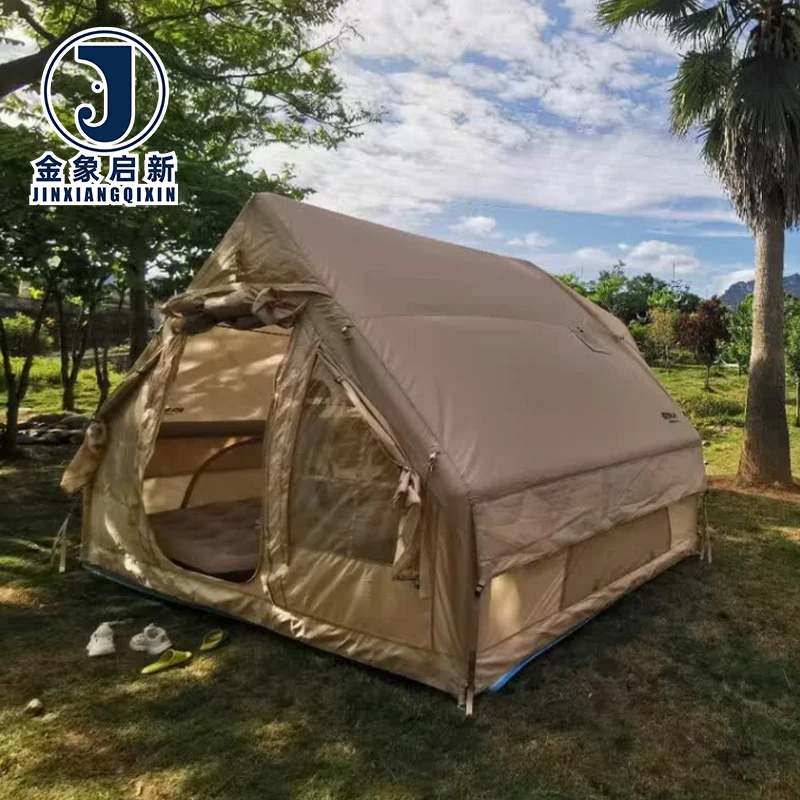
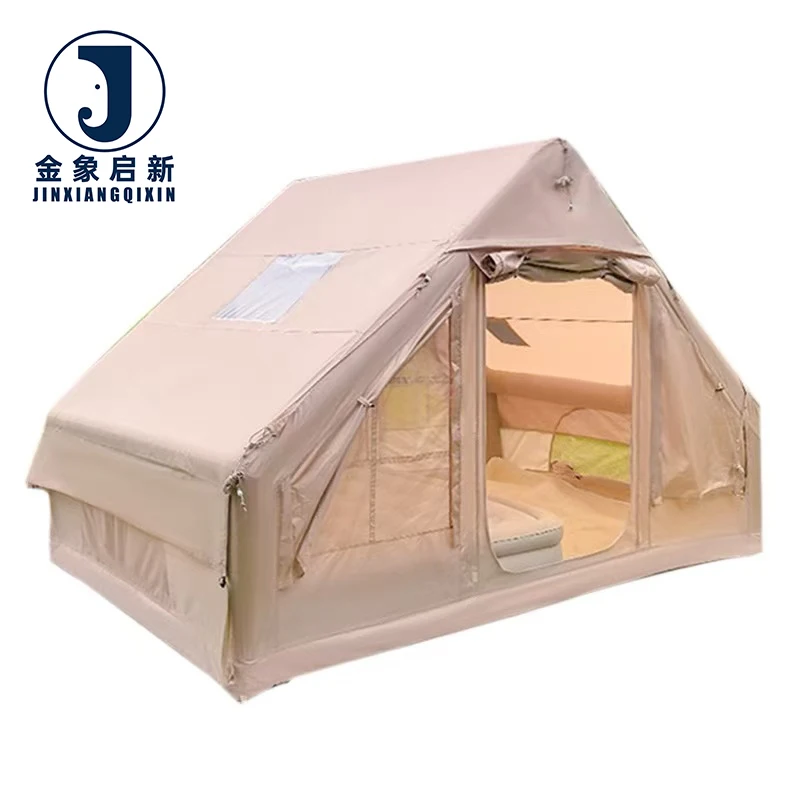
Description
Roll-to-Roll Consistency — Every batch of PVC coated inflatable tent fabric undergoes 100% pre-shipment inspection to guarantee colour, weight, and coating uniformity across your entire order.
Technical Specifications
| Parameter | Value |
|---|---|
| Product Type | Inflatable Tent Fabric |
| Core Material | PVC Coated Fabric |
| Construction | Single Layer |
| Key Performance | Waterproof, Tear-resistant |
| UV Resistance | Available with anti-UV treatment — confirm the required standard for your market |
| Fire Retardancy | Available in flame retardant grades — confirm the grade required for your market |
| Anti-static | Available in anti-static grades — confirm the standard required for your application |
| Customization | OEM & ODM (sample customization, pattern printing, size adjustments, material thickness modifications) |
| Quality Control | Full-process QA & QC inspection |
| Sample Lead Time | 7-10 working days |
| Standards | ISO 9001, ISO 14001, ISO 45001, CE |
Application Suitability
| Application | Exposure & Requirement |
|---|---|
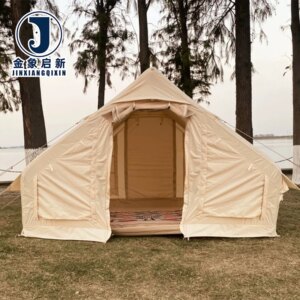
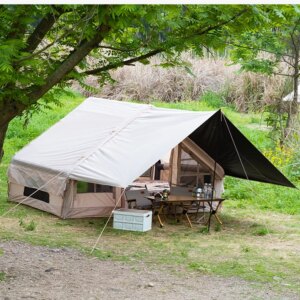
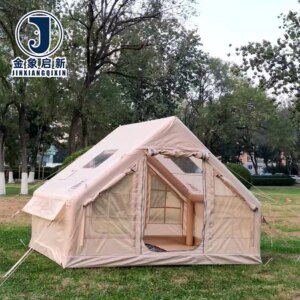
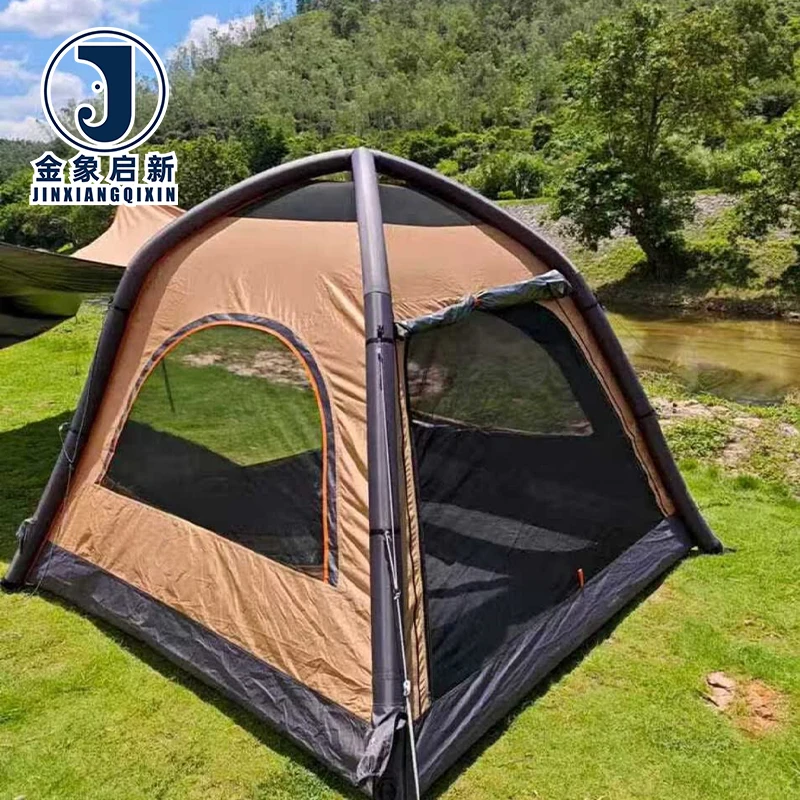
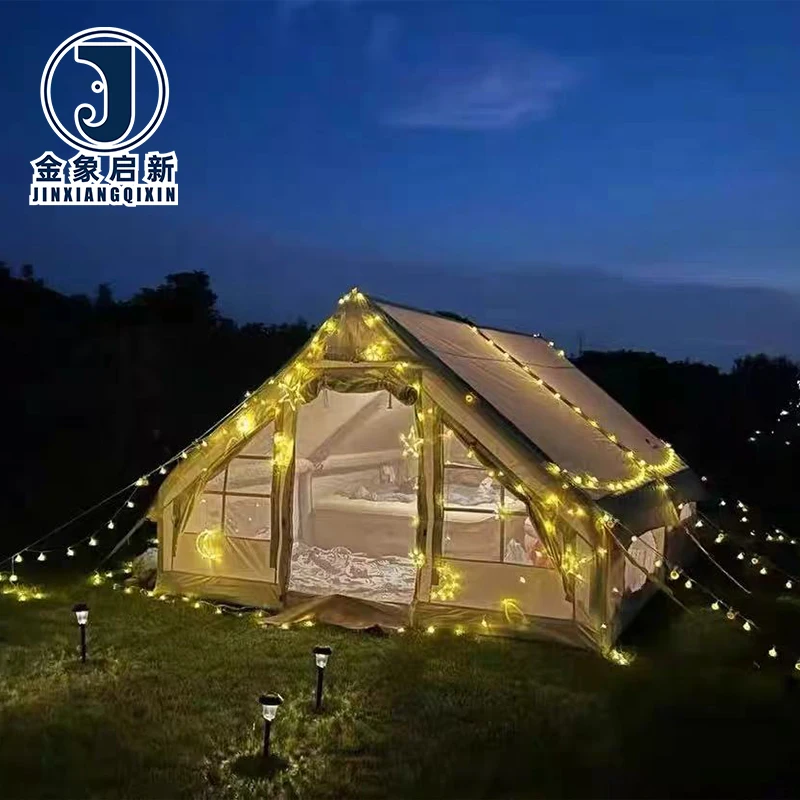
| Inflatable Camping Tents | Repeated inflation/deflation cycles, flex stress at beam seams, outdoor weather exposure |
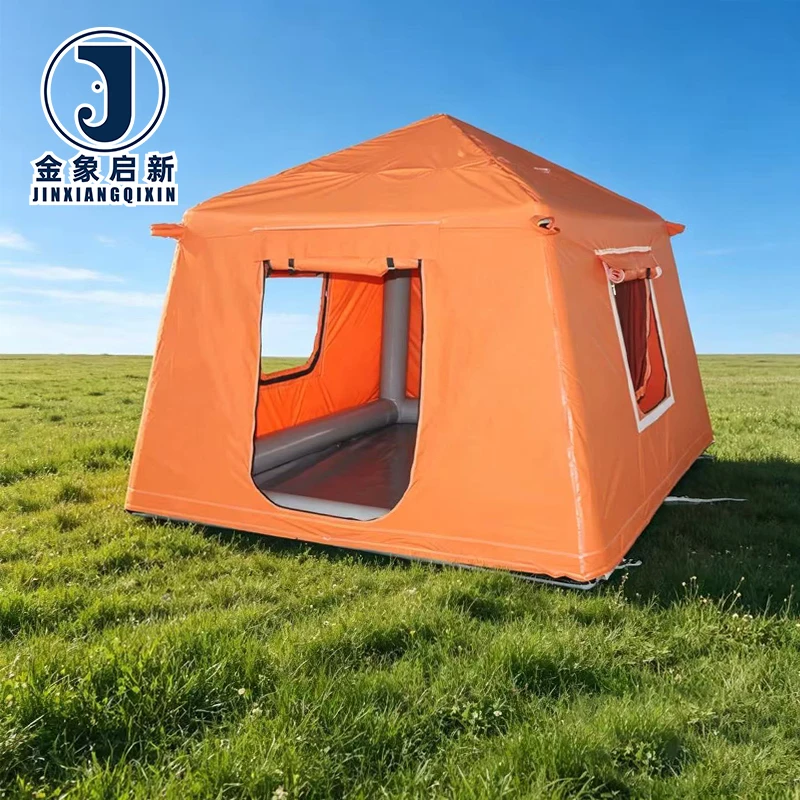
| Construction Site Shelters | Heavy wind loads, abrasive ground contact, rapid deployment and teardown |
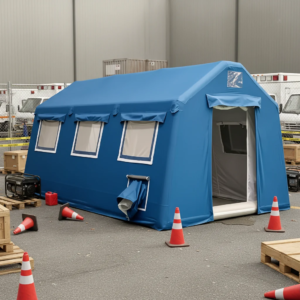
| Disaster Relief Command Centers | Continuous occupation, harsh weather, requirement for verified fire safety performance |
| Outdoor Event Logistics Hubs | High foot traffic, UV exposure, need for consistent appearance across multiple units |
| Industrial Storage Facilities | Long-term weathering, potential chemical exposure, structural tension on fabric |
Why Batch Colour Variance Destroys Tent Production Runs
Colour shifting between rolls in the same shipment forces fabricators to reject entire batches once the panels are sewn side by side.
When a tent manufacturer cuts panels from different rolls and the shade varies even slightly, the finished structure looks patched together. This defect often appears only after the tent is fully inflated and installed on-site, making rework extremely costly. Inflatable Tent Fabric wholesale buyers who specify a Pantone reference expect every roll to match, yet inconsistent pigment dispersion during coating causes visible banding across adjacent panels [NEED_CITE: ISO 105-A02 grey scale for assessing colour fastness]. Maintaining chromatic uniformity requires tight control over pigment dosing and coating temperature throughout the production run.
Sourcing Roll Stock for Inflatable Structure Manufacturing
Inflatable tent producers require fabric that behaves predictably during high-frequency welding and maintains airtight seams under continuous internal pressure. The PVC coating must bond firmly to the base fabric so that welded joints do not delaminate when the air beams flex during inflation. Manufacturers running continuous production lines need Inflatable Tent Fabric wholesale supply that arrives with consistent thickness, allowing welding parameters to remain stable from one batch to the next without constant machine recalibration.
Volume Planning and Container Loading for Bulk Fabric Orders
Purchasing coated fabric by the roll demands careful calculation of container capacity, roll dimensions, and weight limits. Buyers ordering full container loads need to know the exact roll count and gross weight to finalize shipping documentation and customs declarations. Coordinating production schedules with ocean freight bookings requires reliable lead times from the mill. When a fabricator commits to a large order for a seasonal product line, any delay in Inflatable Tent Fabric wholesale dispatch cascades into missed market windows and idle assembly lines [NEED_CITE: coated fabric roll packing and container loading best practices].
How Base Fabric and Coating Determine Inflatable Beam Performance
The base fabric denier and weave density establish the tensile and tear foundation, while the PVC coating adds waterproofing, UV protection, and the surface properties needed for heat welding. A heavier coating does not automatically mean a stronger fabric; a high-density base yarn with a moderate coating weight often outperforms a loose weave buried under thick PVC. The coating method — whether knife-over-roll, dip, or calender — affects peel strength and determines how well the coating adheres during thermal welding. For inflatable beams that must hold air pressure continuously, the weld line must be as strong as the body fabric, which depends directly on coating formulation and base fabric preparation. Surface finish also matters: a matte surface reduces glare during installation, while a glossy finish may offer easier cleaning in field conditions.
The Cost of Specifying Without Verified Documentation
Ordering PVC coated fabric based on a quotation that lists GSM and flame retardancy without accompanying test reports leaves buyers exposed. Material that arrives lighter than the stated weight compromises the structural integrity of inflatable beams, leading to sagging or collapse under wind load. Flame retardant claims unsupported by a recognized test standard mean the finished tent may fail a fire safety inspection at the venue or job site, resulting in rejected shipments and contract penalties. Weld seams that fail before the fabric itself tears indicate a mismatch between coating chemistry and welding temperature, a problem that only surfaces during production or, worse, in the field [NEED_CITE: common failure modes in heat-welded PVC coated fabric seams].
Why Fabricators Source Their Roll Stock Here
Nearly 30 years of focused coated fabric production means the coating weight and adhesion parameters for inflatable tent materials are refined through decades of process data. Three full production lines and 36 sets of professional equipment provide the capacity to fulfil container-load orders without splitting batches across different machines. A 10-technician R&D team develops custom samples within days, adjusting thickness, colour, and surface finish to match your welding equipment and design requirements. Dedicated QA and QC staff inspect every roll before shipment, verifying weight, colour, and coating integrity against the purchase specification. Full documentation including material specification sheets, pre-shipment inspection records, and ISO and CE certificates ships with every order to support your import compliance and customer audits.
Documentation & Verification
- Material specification sheet stating GSM, base fabric construction, coating type, and colour reference per batch
- Pre-shipment inspection record with batch-specific test results for waterproof rating and tensile strength
- ISO 9001, ISO 14001, ISO 45001, and CE certificates included with each shipment for import compliance
- Test reports for UV and flame retardant grades provided where applicable and requested before production
- Roll packing list with individual roll weights and dimensions for customs and warehouse receiving
Fabrication, Handling & Storage
- Set high-frequency welding temperature and dwell time based on the specific PVC coating thickness to avoid delamination at beam seams
- Store rolls horizontally on padded racks to prevent permanent creasing that weakens the coating at fold lines
- Allow cold-stored rolls to acclimate to workshop temperature before unrolling to prevent coating cracking during cutting
- Use PVC-compatible cleaners on the matte or glossy surface to maintain coating integrity during field maintenance
- Plan cutting layouts to minimize transverse seams on inflatable beam panels, preserving airtight integrity
Requesting a Quotation for Your Production Line
To receive an accurate specification and sample, share your target roll width, required annual volume, and any colour or pattern printing requirements. Specify the fire safety or anti-static standards your end market mandates so we can match the correct treatment grade. Let us know if you need finished cut panels or full rolls, and whether a pre-production sample is required for your welding equipment validation.
Frequently Asked Questions
Q: How is batch-to-batch colour consistency maintained across large roll orders?
A: Pigment dosing is controlled digitally during the coating process, and every roll is checked against the approved colour standard under controlled lighting before packing. This ensures that panels cut from different rolls within the same order match when installed side by side on a finished inflatable structure.
Q: What documentation supports the stated GSM when the rolls arrive?
A: Each shipment includes a material specification sheet and a pre-shipment inspection record that documents the verified weight per square metre. Buyers can cross-check these documents against their own scale measurements upon receiving to confirm the fabric matches the quoted specification.
Q: How are bulk roll orders packed and loaded into containers?
A: Rolls are packed with protective wrapping and loaded based on calculated roll count and gross weight to maximize container utilization. A detailed roll packing list is provided so buyers can plan warehouse space and confirm the received quantity against the shipping documents immediately upon arrival.
Q: What is the process and lead time for developing an OEM sample?
A: After receiving your requirements for thickness, colour, and surface finish, the R&D team produces a sample within 7-10 working days. Once you approve the sample, it becomes the production benchmark, and mass manufacturing proceeds only after your written confirmation of the material specification.
Q: Which certificates ship with each order to support import compliance?
A: Every order is accompanied by ISO 9001, ISO 14001, ISO 45001, and CE certificates, along with a certificate of origin. Where fire retardant or anti-static grades are specified, the corresponding test reports are included to satisfy customs requirements and local fire safety regulations at the destination market.