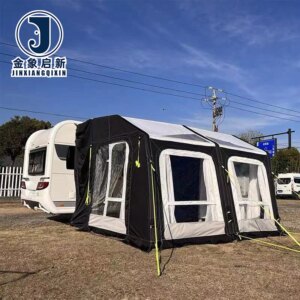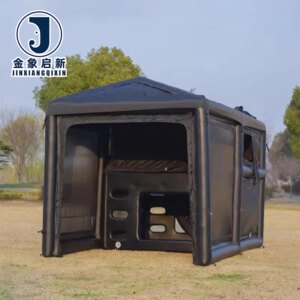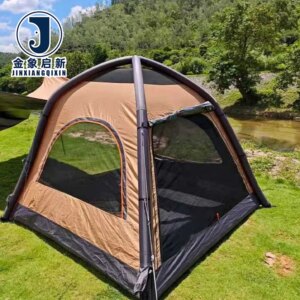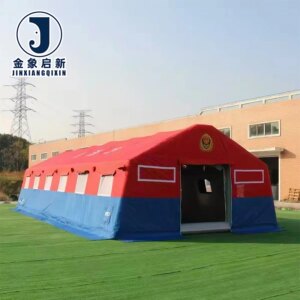
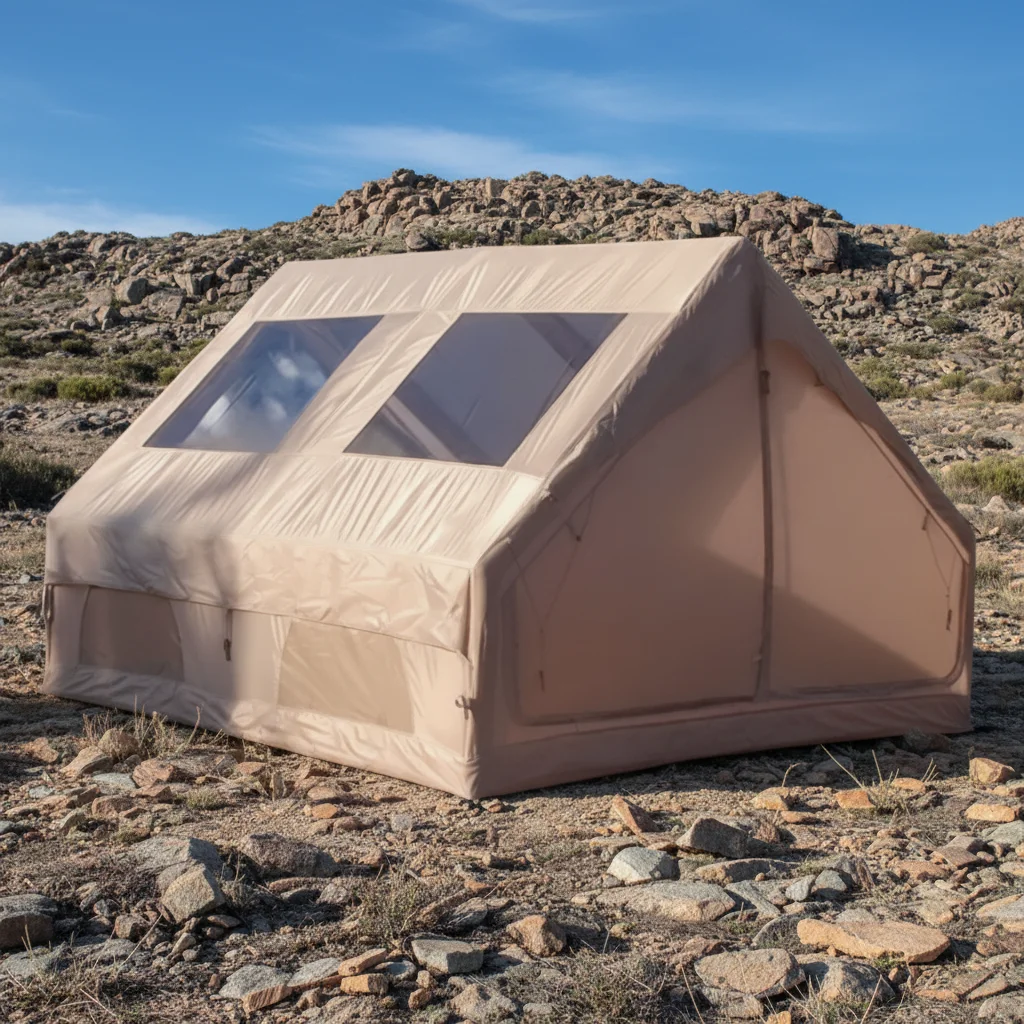

Description
Controlled Coating Weight — Every roll of PVC camping tent fabric we dispatch carries a verified GSM reading taken in-line, so batch-to-batch weight stays uniform across full-container orders.
Technical Specifications
| Parameter | Value |
|---|---|
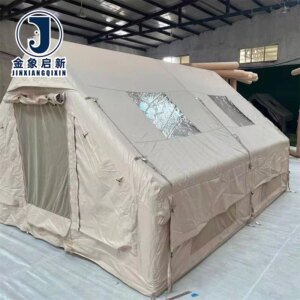
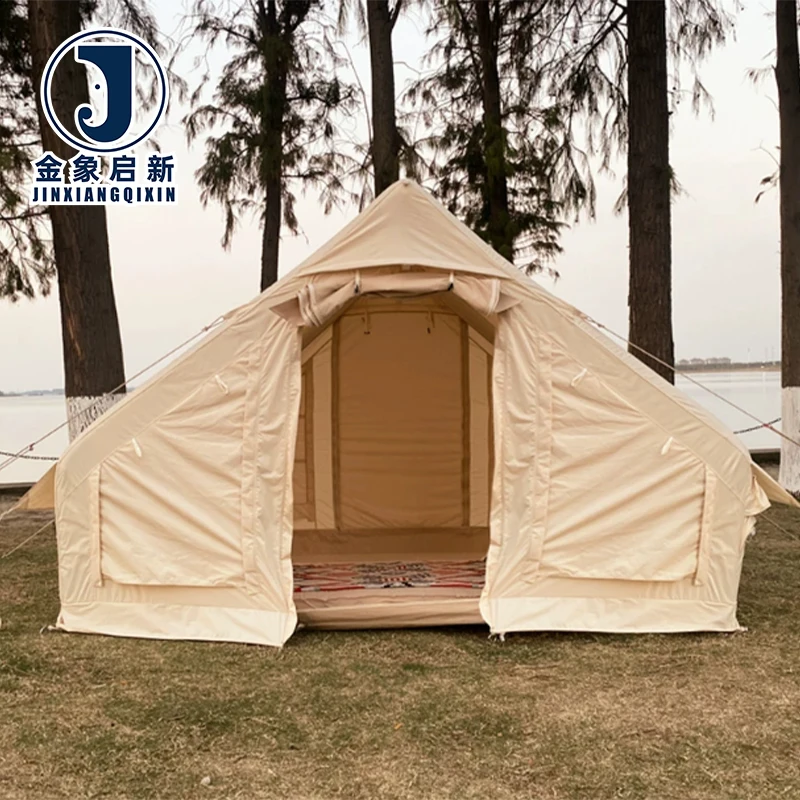
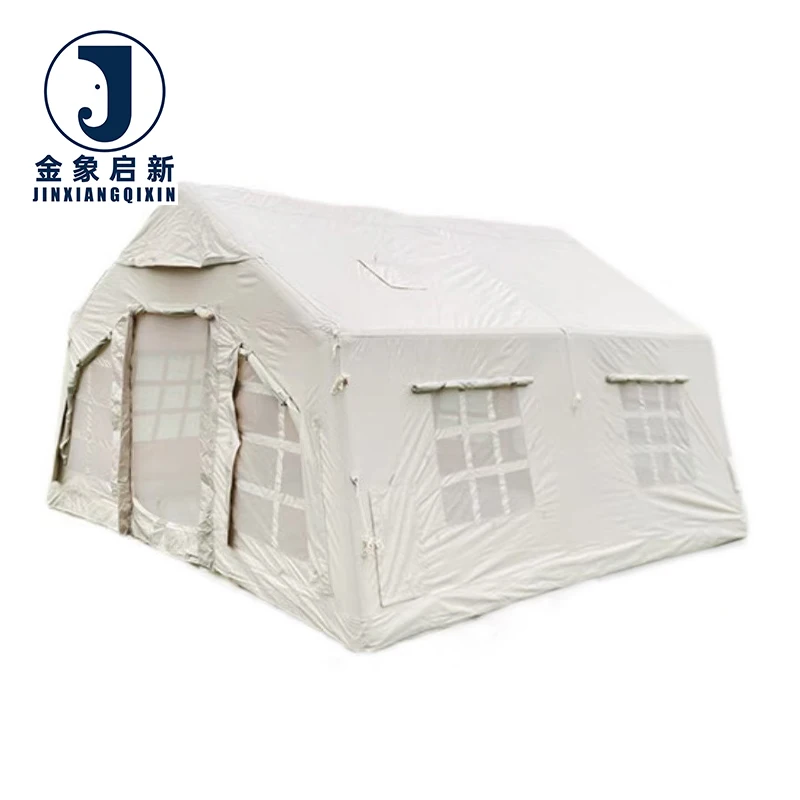
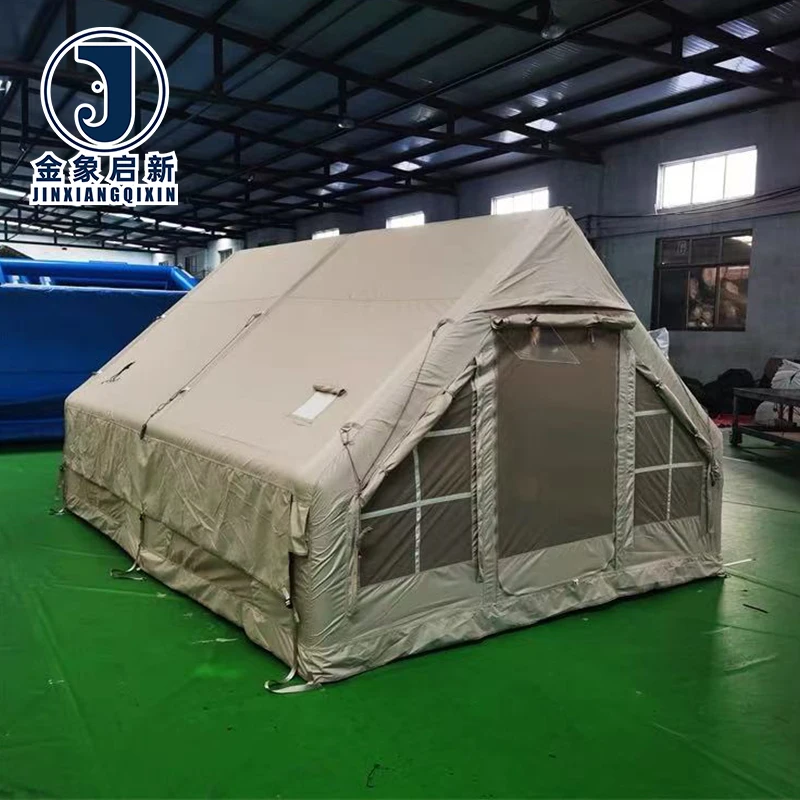
| Product Type | Inflatable Tent |
| Core Material | PVC tarpaulin |
| Key Performance | Waterproof, Windproof, UV-resistant (test basis available on request), Tear-resistant |
| Product Forms | 2–8 person capacity |
| Coating Material | PVC |
| Customization | OEM & ODM including sample customization and pattern printing |
| Production Facility | 9,180 m² with 3 full production lines and 36 sets of processing equipment |
| R&D Team | 10 technicians |
| Quality Control | Full-process QA/QC with 100% pre-shipment inspection |
| Certifications | ISO 9001, ISO 14001, ISO 45001, CE |
Application Suitability
| Application | Exposure & Requirement |
|---|---|
| Commercial outdoor equipment manufacturing | Repeated assembly cycles, multi-season weather exposure, abrasion at pole and seam contact points |
| Industrial temporary shelters | Wind loading, rain ingress prevention, rapid deployment and tear-down on site |
| Large-scale event facilities | High foot traffic, UV exposure over extended event durations, visual consistency across multiple units |
| Construction site temporary shelters | Dust, debris impact, moisture, frequent relocation across uneven ground |
| Commercial outdoor event spaces | Colour uniformity across adjoining structures, branding and print clarity, seasonal weather cycling |
Why Consistent Roll Weight Matters More Than the Number on the Label
A stated GSM only protects you if the supplier can prove it matches what arrives at your dock.
When PVC camping tent fabric is quoted at a specific weight, the expectation is that every roll in the container meets that figure. In practice, buyers have reported rolls arriving lighter than agreed — sometimes noticeably thinner at the edges or mid-roll — because the supplier’s coating line lacks in-line weight monitoring. For a PVC Camping Tent wholesale buyer, this inconsistency means some units pass quality inspection while others fail, creating downstream rework and customer complaints. [NEED_CITE: coating weight variance in PVC tarpaulin production and its effect on tensile performance]
Coating Process Control Across Large-Volume Orders
Maintaining roll-to-roll consistency in PVC Camping Tent wholesale production requires more than a final spot check. Jinxiang operates three full production lines with dedicated in-line QA at each coating stage, catching weight deviation before the roll is wound. This matters for commercial tent manufacturers who cut hundreds of panels per batch: even a small GSM drift between rolls forces pattern adjustments and increases offcut waste.
Colour Uniformity When Rolls Sit Side by Side
Colour variation between rolls in the same shipment is a complaint we frequently hear from buyers who previously sourced elsewhere. For event tent manufacturers, a visible shade difference between two adjacent units damages perceived quality. Our PVC Tent Fabric bulk orders go through colour matching checks during coating, and every roll in a batch is compared against the approved reference before packing. [NEED_CITE: colour consistency standards for coated fabrics in commercial textile procurement]
How PVC Base Fabric and Coating Interact for Tent Performance
The tear resistance of PVC camping tent fabric depends on the interplay between base fabric denier, weave density, and coating adhesion — not coating weight alone. A heavier PVC layer on a loosely woven base fabric can crack at fold points, while a well-bonded coating on a tighter weave delivers better flex durability. Our 10-person R&D team selects base fabric and coating parameters together, ensuring the finished material withstands repeated inflation, deflation, and folding cycles without delamination.
Reading GSM, Coating Weight, and Base Fabric Together
Buyers often focus on total GSM as the single indicator of quality, but the useful specification is how that weight breaks down. Base fabric weight determines tensile and tear strength; coating weight governs waterproofing, UV shielding, and surface durability. For inflatable tent applications, the coating must remain flexible at low temperatures and resist cracking at heat-sealed seams. A PVC tarpaulin that scores well on total weight but has poor coating-to-substrate adhesion will fail at the weld line before the fabric itself tears. [NEED_CITE: relationship between coating adhesion strength and seam failure in PVC tarpaulin]
The Hidden Cost of Skipping Batch Verification
When a PVC Tent Fabric bulk order ships without per-roll weight documentation, the buyer absorbs the risk. Lighter rolls in the mix lead to thinner tent walls that puncture under wind load, while inconsistent coating thickness produces uneven waterproofing. At the fabrication stage, heat-sealing parameters that work on one roll may burn through a lighter one or fail to bond a heavier one, resulting in seam rework across the production floor. These are not isolated defects — they scale with order volume. [NEED_CITE: seam failure rates in PVC-coated fabric fabrication linked to material inconsistency]
Why Commercial Buyers Source Inflatable Tent Fabric Here
Our three production lines handle PVC camping tent fabric in container-load volumes while maintaining batch traceability on every roll. The 10-person R&D team develops OEM samples within days, including custom pattern printing and sizing from 2-person to 8-person configurations. Full-process QA means coating weight, colour, and surface quality are checked at each stage — not just at the end. Every shipment includes a material specification sheet and pre-shipment inspection record so your receiving team can verify immediately. ISO 9001, ISO 14001, ISO 45001, and CE certifications are standard on all orders.
Documentation & Verification
- Material specification sheet stating PVC base fabric type, coating material, and GSM per order
- Batch-to-batch colour and weight consistency verified with recorded readings before dispatch
- Pre-shipment inspection record covering 100% of rolls or finished units in the order
- UV-resistant and waterproof test reports provided on request with applicable test basis noted
- ISO 9001, ISO 14001, ISO 45001, and CE certificates included with each shipment
- Roll packing list with batch traceability codes for every container load
Fabrication, Handling & Storage
- Heat-seal PVC tarpaulin panels at temperatures matched to the specific coating weight grade supplied
- Store rolls vertically on pallets to prevent flat-spotting and surface creasing on the PVC coating
- Avoid dragging finished tent panels across abrasive ground to protect the coated surface layer
- Use PVC-compatible adhesives for field repairs, matching the coating material of the supplied fabric
- Plan cutting layouts to maximise yield from standard roll widths and reduce seam count per tent unit
- Clean with mild detergent only — harsh solvents can degrade the PVC coating surface finish
How to Structure Your Inquiry
Tell us the intended application environment, including expected weather conditions and deployment frequency. Specify whether you need PVC camping tent fabric supplied as roll stock for your own cutting line, or as finished OEM units with pattern printing and custom sizing. Include your target order volume, preferred roll width, and any colour or branding requirements so we can confirm lead time and minimum quantities.
Frequently Asked Questions
Q: How is GSM verified on arrival and what documentation supports it?
A: Every roll in your shipment is weighed and measured during our pre-shipment inspection, with recorded GSM values listed on the inspection report and material specification sheet. Your receiving team can cross-check these figures against the roll packing list included in the container. We recommend spot-checking a sample of rolls on arrival using a calibrated scale for your own records.
Q: How do you ensure colour consistency across rolls in a bulk order?
A: During production, each roll is compared against the approved colour reference at the coating stage and again before packing. Rolls that fall outside the accepted tolerance are pulled from the batch. For PVC Tent Fabric bulk orders, we record the colour batch number on the packing list so you can trace any visual discrepancy back to the production run.
Q: What are the MOQ and lead time for custom sizes and printed patterns?
A: MOQ and lead time depend on the specific size, pattern complexity, and total order volume. Our R&D team typically produces an OEM sample within days for approval before mass production begins. Once the sample is confirmed, we provide a detailed production schedule with dispatch date. Contact us with your specifications for a precise quote.
Q: How are tent fabric rolls packed and loaded for container shipping?
A: Rolls are wound on cores, wrapped in protective film, and palletised to prevent surface damage and creasing during transit. Each pallet is labelled with batch traceability information matching the roll packing list. Container loading plans account for roll count and weight distribution to maximise space while protecting the PVC coating surface.
Q: What test basis supports the UV-resistant claim for long-term outdoor use?
A: Our UV-resistant treatment is applied during the PVC coating process, and test reports are available on request with the applicable test method stated. Because UV performance requirements vary by market and application, we recommend confirming the specific test standard your region or end customer requires so we can match the treatment grade accordingly.