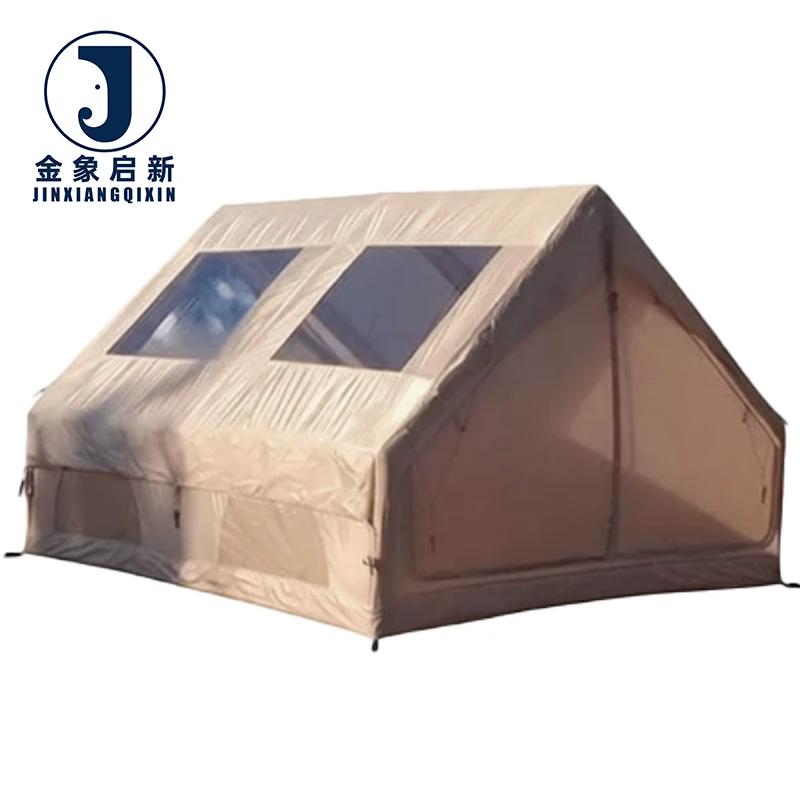

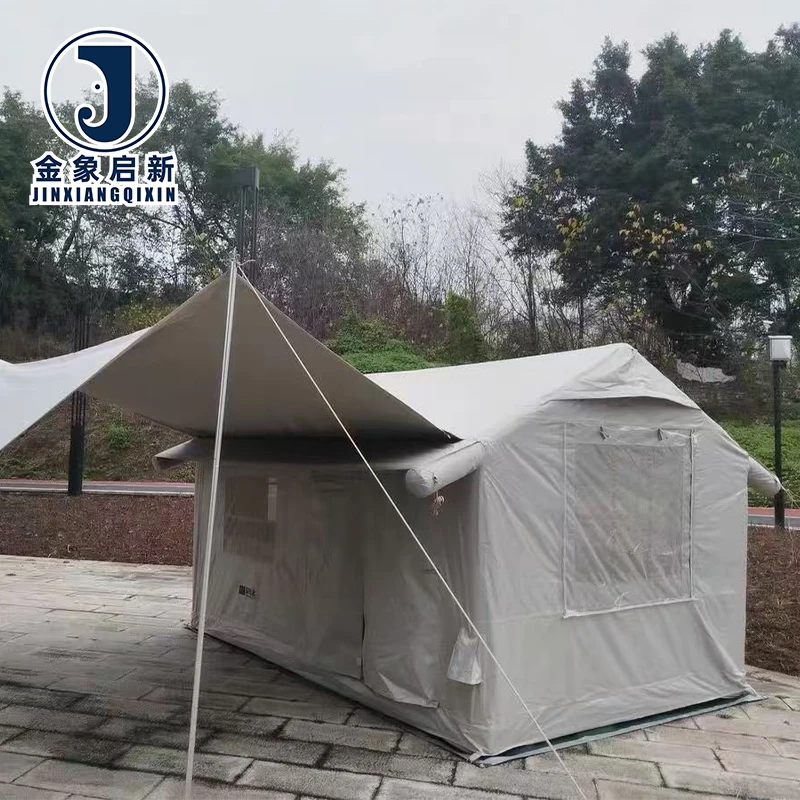
Description
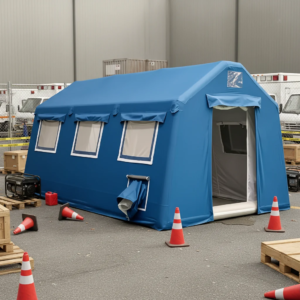
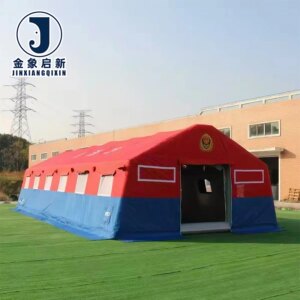
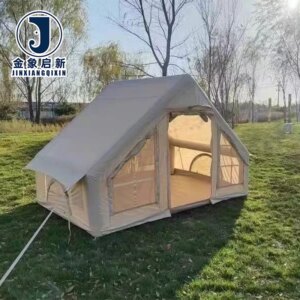
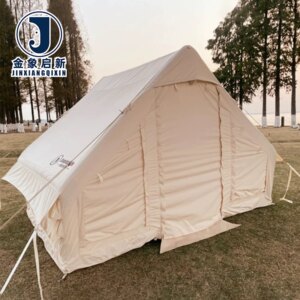
Consistent Roll-to-Roll Output — Every batch of Inflatable Tent Fabric roll undergoes 100% pre-shipment inspection to eliminate shade variation and GSM deviation before dispatch.
Technical Specifications
| Parameter | Value |
|---|---|
| Product Type | Inflatable Tent Fabric |
| Core Material | PVC tarpaulin |
| Waterproof | Fully waterproof coated construction |
| UV Resistance | Available in UV-resistant grades — confirm the grade required for your market |
| Tear Resistance | Tear-resistant construction (test standard available on request) |
| Flame Retardant | Available in flame retardant grades — confirm the grade required for your market |
| Anti-Static | Available in anti-static grades — confirm surface resistance standard required |
| Customization Service | OEM & ODM (sample customization, pattern printing, material selection, product design) |
| Production Lines | 3 full production lines |
| Processing Equipment | 36 sets of professional processing equipment |
| R&D Team | 10 technicians |
| Standards | ISO9001, ISO14001, ISO45001, CE |
Application Suitability
| Application | Exposure & Requirement |
|---|---|
| Commercial inflatable tent manufacturing | Repeated inflation cycles, internal air pressure stress, UV exposure, outdoor weathering |
| Outdoor event management fleet deployments | Rapid setup and teardown, transport abrasion, batch colour consistency across multiple units |
| Industrial field operation base camps | Extended outdoor exposure, wind load, fire safety compliance on remote sites |
| Construction site workforce housing | Heavy daily use, dust and debris exposure, flame retardant compliance for site safety audits |
| Commercial camping facility operations | Guest-facing aesthetics, seasonal storage, UV and mildew resistance over repeated seasons |
Why Batch Colour Consistency Determines Inflatable Tent Fabric Roll Viability
Shade variation across rolls from the same order is the most common reason commercial tent manufacturers reject entire shipments.
When you are producing a fleet of inflatable tents for an event management company or a camping resort, every panel must match once the units are erected side by side. A roll that arrives half a shade lighter than the rest forces the fabricator to either segregate it into a different production run or scrap it entirely. This is not a cosmetic complaint — it is a production bottleneck that delays container loading and pushes back delivery schedules [NEED_CITE: colour fastness and batch consistency standards in coated fabric procurement]. Sourcing Inflatable Tent Fabric roll stock from a facility that controls coating weight and pigment dispersion at every stage eliminates this failure point before it reaches the cutting table.
Coating Weight and Pigment Dispersion Controls
Producing PVC tarpaulin for inflatable tent applications requires precise control over the coating formulation and the application process. The PVC compound must be mixed to a consistent viscosity so that each pass through the coating line deposits an identical layer onto the base fabric. Any fluctuation in coating weight between rolls results in visible shade differences once the material is unrolled and laid out under natural light. Our 10-person R&D team monitors formulation parameters and works directly with buyers to lock in a colour reference that governs every batch produced.
Production Line Capacity for Bulk Roll Orders
Three full production lines and 36 sets of professional processing equipment allow us to fulfil large-volume Inflatable Tent Fabric roll orders without splitting production across incompatible line settings. When a single order runs continuously on the same line with the same coating head calibration, roll-to-roll consistency is maintained by default. Splitting an order across different lines or different production dates introduces variables that even experienced operators cannot always reconcile. We schedule bulk tent fabric orders as continuous runs wherever lead times permit [NEED_CITE: tensile and tear test methods for coated fabrics per ISO 1421].
Reading the Specification Sheet Beyond the GSM Figure
The GSM value on a quotation tells you the total weight per square metre, but it does not explain how that weight is distributed between the base fabric and the PVC coating. A roll with a heavy coating over a light base fabric will feel stiff and may crack at fold points during cold-weather deployment. A roll with a lighter coating over a denser base fabric will be more flexible and resistant to tearing at stress concentrations. For inflatable tent manufacturers, the base fabric denier and weave density determine how well the air beams hold their shape under internal pressure, while the coating thickness governs waterproofing and UV protection. Request the full material specification sheet that breaks down base fabric construction and coating weight separately to make an informed comparison.
The Hidden Cost of Specifying on Price Per Kilogram Alone
Buyers who select Inflatable Tent Fabric roll stock based solely on the lowest price per kilogram often discover the material is lighter than the quoted GSM once it arrives at their facility. The coating may be thinner than agreed, the base fabric may have fewer yarns per centimetre, or the UV stabiliser may have been reduced in the formulation to cut raw material cost. The tent panels pass initial visual inspection but begin to show premature fading, weld line failure, or fabric tearing within the first season of commercial use [NEED_CITE: common causes of premature coated fabric failure in outdoor structures]. Verifying the material specification sheet against a physical sample cut from the delivered roll is the only reliable defence against this discrepancy.
Procurement Verification at Every Stage
Our QA/QC staff inspect every roll at multiple production stages rather than relying on a single end-of-line check. Coating weight is measured at intervals across the roll width to detect edge-to-edge variation. Colour is compared against the approved reference under standardised lighting conditions before the roll is wound and packed. Each roll is logged against the purchase order so that batch-level traceability is maintained from the coating line through to the container. This process means the pre-shipment inspection record you receive documents actual measurements, not just a pass or fail stamp.
Documentation & Verification
- Material specification sheet stating GSM, base fabric denier, and coating weight for each roll batch
- Pre-shipment inspection record with roll-level weight measurements and colour comparison results
- ISO9001, ISO14001, ISO45001, and CE certificates included in the documentation package
- Roll packing list with individual roll identifiers for warehouse receiving and batch traceability
- Certificate of origin and customs documentation prepared for the destination market
Fabrication, Handling & Storage
- Hot air welding temperature and speed must be calibrated to the PVC coating thickness to prevent seam failure at air beam junctions
- Store rolls upright on end caps in a dry warehouse to avoid flat-spot deformation on the outer layers
- Unroll and allow the PVC tarpaulin to relax at ambient temperature before cutting to minimise dimensional drift
- Use PVC-compatible solvent cleaners on the coated surface to avoid dissolving the plasticiser that maintains flexibility
- Plan cutting layouts to maximise panel yield from each roll width and reduce offcut waste on large tent orders
What We Need to Prepare Your Quotation
To recommend the correct Inflatable Tent Fabric roll specification, please share the target tent dimensions, the air beam diameter, and the end-use environment including expected wind load and temperature range. Let us know the fire safety classification required by your local regulations so we can confirm the available flame retardant grade. Specify your required roll width, colour reference, and whether pattern printing or branding is needed on the outer surface. If you require a pre-production sample for weld testing and colour approval, we can develop one within days of finalising the material selection.
Frequently Asked Questions
Q: How do I verify the GSM on arrival matches the quotation?
A: We provide a pre-shipment inspection record documenting the measured coating weight for each roll in your order. On arrival, cut a measured sample from the roll and weigh it on a calibrated scale to confirm it falls within the stated tolerance. If any discrepancy is found, the batch-level traceability in the documentation allows us to investigate the specific production run immediately.
Q: What controls prevent shade variation between rolls in the same order?
A: We schedule bulk orders as continuous production runs on a single line with locked coating parameters. Pigment batches are mixed to a master colour reference approved during sampling, and every roll is compared against that reference under standardised lighting before packing. Any roll falling outside the agreed tolerance is segregated before it reaches the dispatch area.
Q: Which fire safety test standards apply to inflatable tent fabric?
A: Fire safety requirements vary by market and application. We offer flame retardant grades for commercial tent structures, and the specific test standard applicable to your project depends on local building or event safety codes. Request the flame retardant grade documentation during the inquiry stage so we can confirm the available certifications against your site compliance requirements.
Q: What roll widths and lengths are available for tent manufacturing?
A: Roll width and length are customised to your cutting layout and container loading plan. Our R&D team works with buyers to determine the most material-efficient width for the tent panel sizes being produced. Minimum order quantities apply per specification, and we provide a roll packing plan showing container utilisation before production begins.
Q: How are rolls packed for ocean freight to prevent damage?
A: Each roll is wound on a core and wrapped in protective packaging to prevent surface abrasion and moisture ingress during transit. Rolls are loaded into the container with blocking and bracing to prevent shifting. The roll packing list included in the shipping documentation identifies each roll by its production batch number for easy verification at your receiving dock.