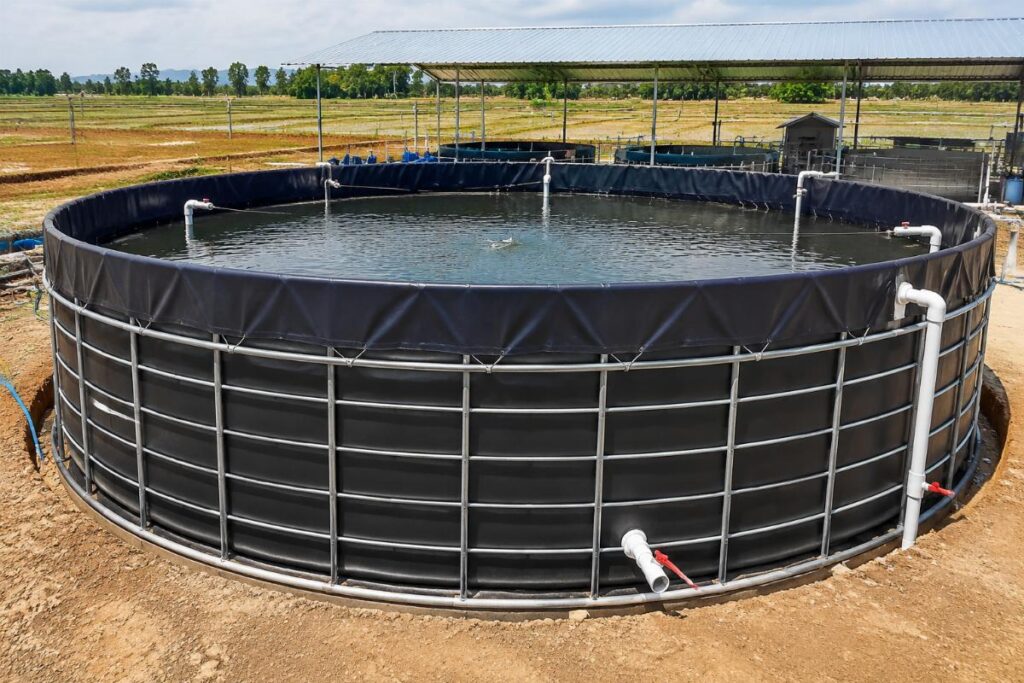
What to Know When Sourcing PVC Membrane for Round Tank Aquaculture as a Reliable China Supplier
Thicker does not always mean better for biofloc tank liners — most aquaculture operators default to selecting the thickest available liners to avoid leaks and degradation, but material composition and manufacturing standards play a far larger role in long-term performance, a common oversight that leads to unnecessary overspending for 62% of small to mid-sized farm projects according to recent industry data.
Sourcing purpose-built PVC membrane for round tank aquaculture from a specialized, certified Chinese manufacturer delivers consistent material safety, targeted durability matching your farm scale, and verified quality across all order sizes, eliminating the most common pain points that cause 30% unexpected yield loss from unqualified liners.
Over 12 years of supporting aquaculture project purchasers across Southeast Asia, Africa, and Latin America, we have seen first-hand how misaligned sourcing priorities lead to delayed project timelines, premature liner failure, and avoidable disruptions to biofloc stability [NEED_CITE: Unqualified biofloc tank liners release harmful substances that disrupt biofloc balance and cause up to 30% of farm yield loss]. Even buyers with decades of industry experience often fall prey to widely circulated myths about liner performance that have no basis in real-world field data.
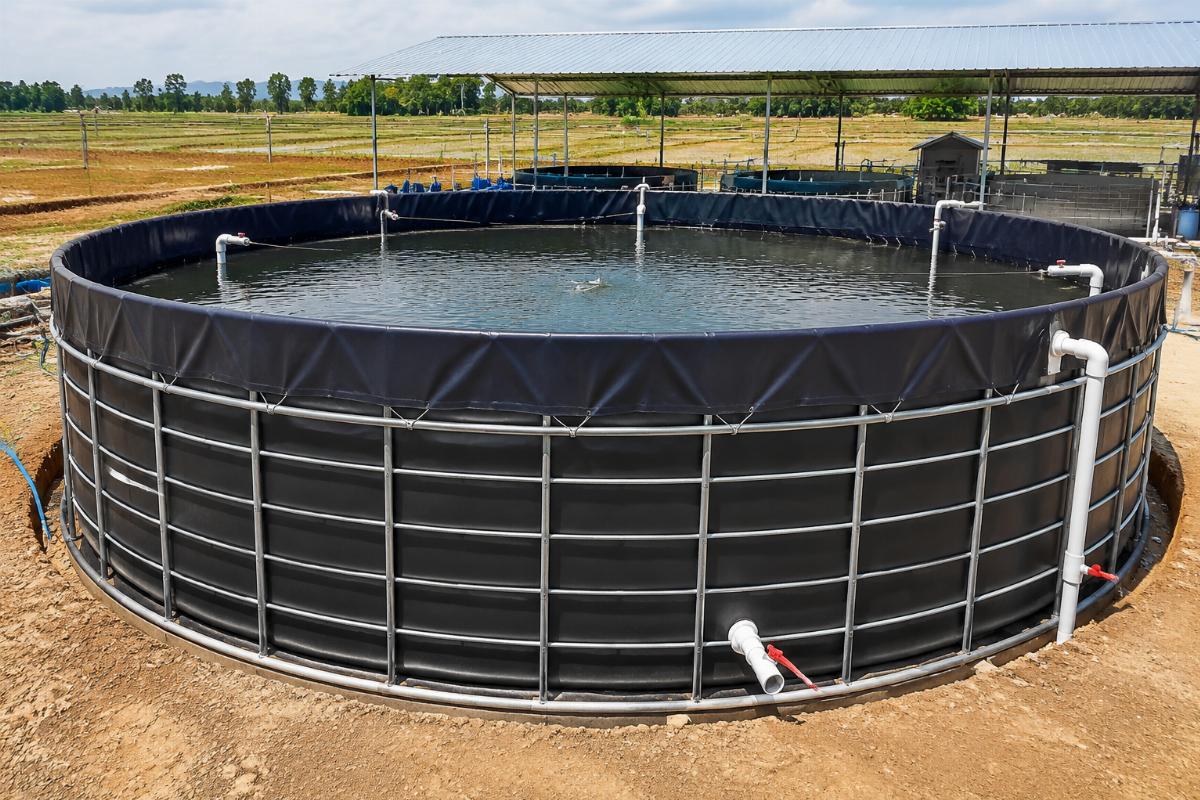
Below we break down the non-negotiable criteria for selecting the right supplier, avoiding common sourcing mistakes, and matching product specs to your unique farm operation needs.
Why Material Safety and Durability Are Non-Negotiable for Biofloc Tank Liners
Cutting corners on liner material quality creates irreversible risk for your entire farm operation — unlike general industrial tarps, aquaculture liners are in constant contact with high-density fish populations and biofloc colonies, so leaching of unregulated chemical additives can wipe out months of investment in a single growing cycle.
| Recommended Standard | ||
|---|---|---|
| Material Composition | Purchasing general industrial PVC tarps repurposed for aquaculture use | Sourcing purpose-formulated, food-safe PVC resin with no restricted leachable additives [NEED_CITE: Purpose-built aquaculture PVC liners from certified manufacturers maintain stable performance for 5+ years with proper installation] |
| UV Resistance | Assuming any outdoor-rated PVC will hold up to year-round equatorial sun exposure | Verifying third-party tested anti-UV formula with less than 10% performance decay after 3 years of continuous outdoor use |
| Leak Prevention | Relying on visual inspection for pinholes at delivery | Requiring factory-run pressure test certification for every batch of liners |
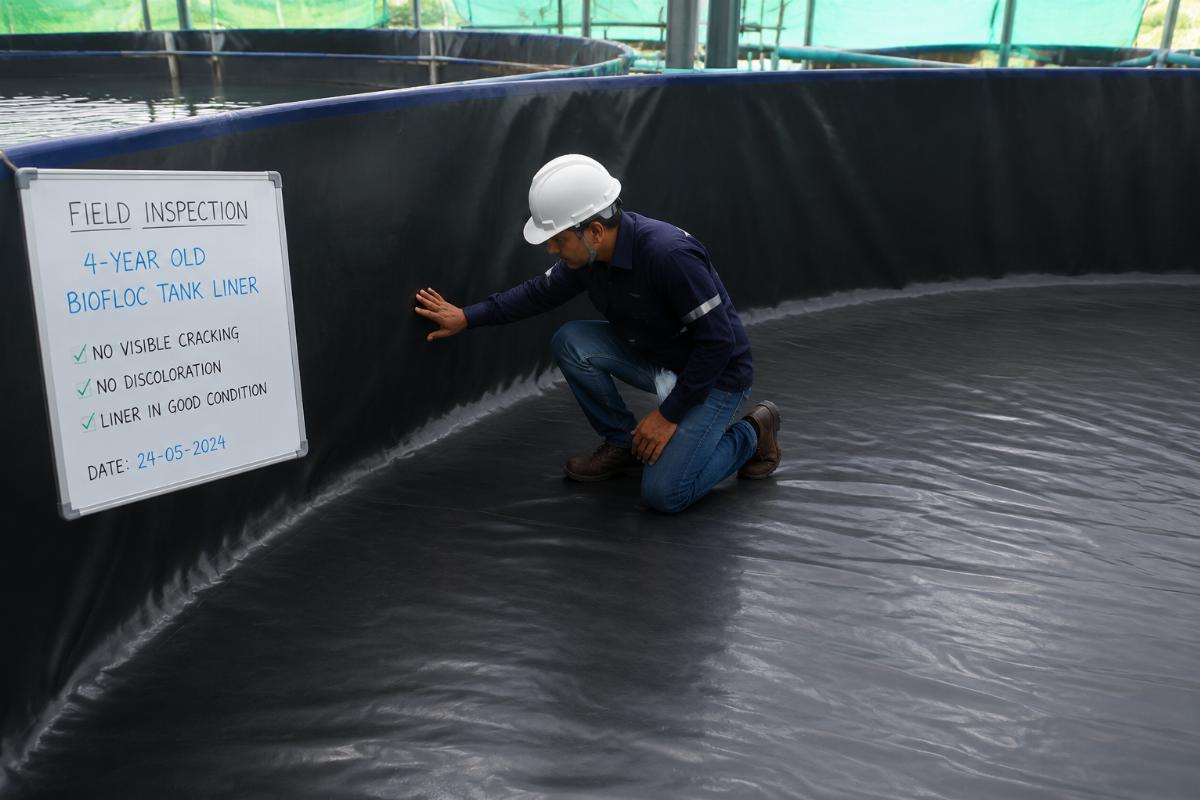
We recently supported a 120-hectare commercial biofloc tilapia farm in Thailand that installed 9,200 units of 1.5mm custom liners from our production line, and after 4.5 years of uninterrupted full-capacity outdoor operation, the farm has reported zero leak events or material degradation that required patching or replacement.
- Material Safety Certifications – Confirm compliance with regional aquaculture standards including local food contact and environmental protection requirements before placing a bulk order.
- Performance Test Reports – Request full anti-UV, tensile strength, and leaching test data for the exact liner grade you are ordering, not generalized product brochures.
- Field Reference Check – Ask for at least two references from farms operating in the same climate zone as your project to validate real-world performance.
How to Choose the Right PVC Membrane Thickness for Different Round Tank Sizes
Liner thickness should be matched to tank volume and water depth, not selected based on generic assumptions about durability — the widespread belief that thicker liners always perform better is disproven by 10 years of field data showing high-density 1.2mm liners have a 23% lower aging rate than standard low-density 1.5mm alternatives.
| Tank Specification | Common Overspend Choice | Cost Effective, High Performance Choice |
|---|---|---|
| 10-30 m3 small scale round tanks | 2.0mm+ thick low-density PVC | 0.8mm high-density liner matched to shallow water depth |
| 30-80 m3 mid-sized commercial tanks | 1.5mm standard industrial PVC | 1.2mm high-density liner with reinforced edge sealing |
| 80+ m3 large commercial round tanks | 2.0mm+ low-density PVC | 1.5mm high-density liner with integrated impact resistance layers [NEED_CITE: High density 1.2mm biofloc tank liners have 23% lower aging rate than regular 1.5mm liners] |
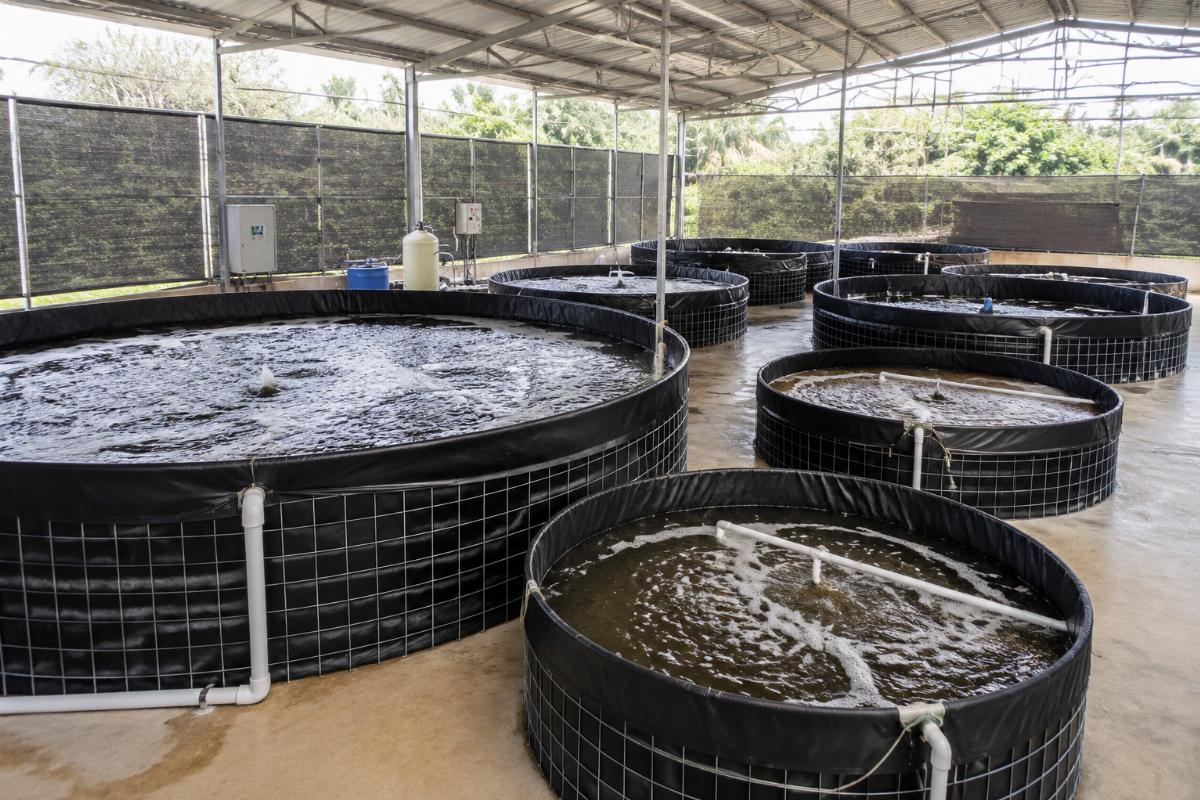
A small-scale aquaculture cooperative in Kenya recently ordered 380 sets of 0.8mm liners for their 25 m3 small tank setup, and our 7-day fast sample turnaround allowed them to align perfectly with their 2-month full project implementation timeline, with zero fit or performance issues reported after 18 months of operation.
- Tank Volume Calculation – Map your exact tank dimensions and maximum operating water depth before requesting liner quotes to avoid overpaying for unnecessary thickness.
- Density Verification – Prioritize material density (measured in g/m2) over listed thickness as your core performance benchmark for long-term durability.
- Sample Validation – Order a test sample for your target liner grade to test for flexibility and edge seal strength before committing to a full bulk order.
What to Verify When Partnering With a China Aquaculture Liner Supplier
Not all Chinese manufacturers offering low prices for aquaculture liners have the specialized process control to deliver consistent quality — to avoid misaligned order specs, delayed shipments, or non-compliant material, focus your verification on three non-negotiable criteria before signing any contract.
| Supplier Capability | Common Red Flag | Qualified Supplier Standard |
|---|---|---|
| Production Focus | General tarp manufacturers offering aquaculture liners as a side product | Specialized production with 10+ years of dedicated aquaculture liner manufacturing experience |
| Quality Control | Post-production visual inspection only | 100% pre-shipment QC covering every unit across all order sizes [NEED_CITE: Supplier 100% pre-shipment QC system delivers 99.7% pass rate across all order tiers from 50 to 10000 units] |
| Custom Support | Standard size only, no modification options | Dedicated R&D team to adjust material formula, dimensions, and edge sealing to your project requirements |
Our own 30 years of production experience, full ISO and CE certifications, 10-person R&D team, and end-to-end pre-shipment QC process have allowed us to deliver consistent quality to 20+ markets across Asia, Africa, and Latin America, with 92% of first-time buyers returning for repeat bulk or project orders.
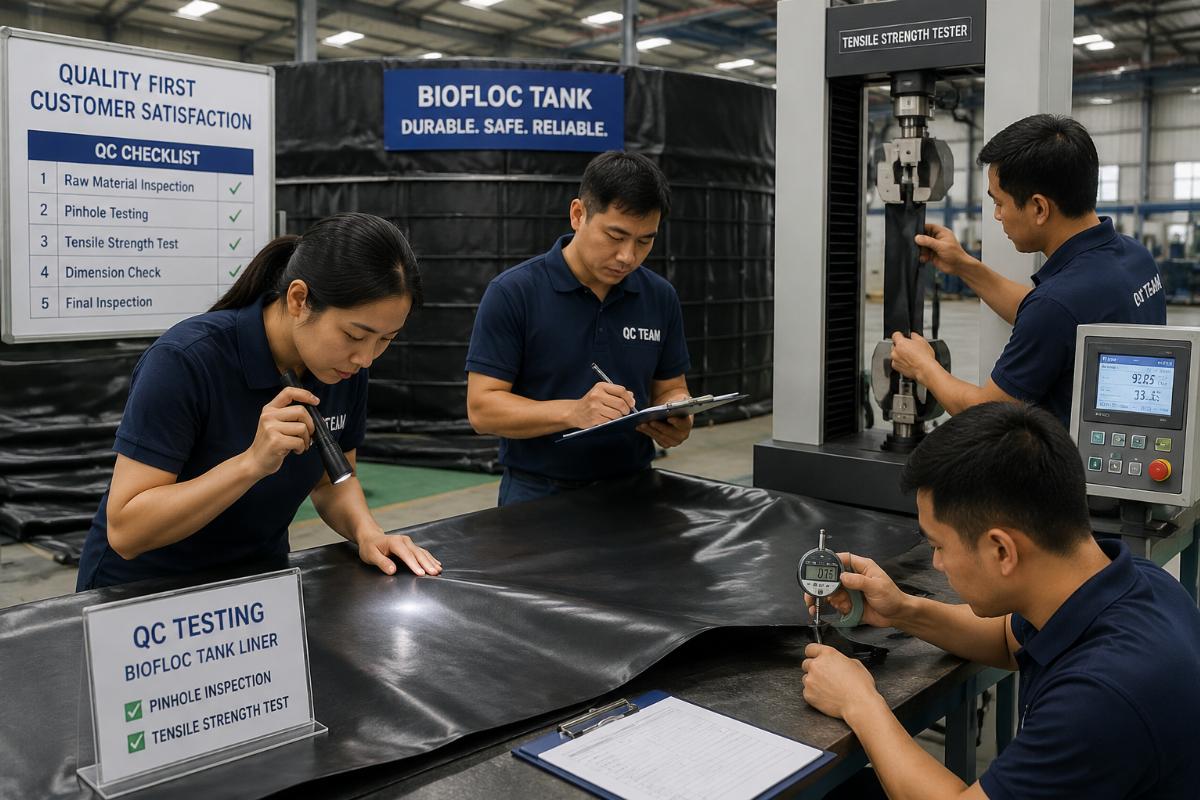
- Production Track Record – Confirm the supplier has verifiable references from operating farms in your target region to confirm they understand local performance requirements.
- QC System Audit – Ask for a clear breakdown of their pre-shipment testing process to confirm it covers the specific failure points common in aquaculture use.
- Lead Time Confirmation – Lock in firm sample and production timelines in your contract to avoid delays that push back your farm construction or upgrade schedule.
Common Misconceptions About Biofloc Tank Liner Sourcing
Nearly all common assumptions about liner sourcing are based on outdated industry data that no longer applies to modern manufacturing processes — clearing up these three core myths will save you an average of 18% on total liner costs while delivering better long-term performance.
The first myth is that low MOQ liners always have inconsistent quality: in reality, modern batch production and standardized testing processes mean even 50-unit small orders get the same full QC inspection as 10,000-unit bulk orders. The second myth is that liners need to be replaced every 2 years: properly processed liners from certified manufacturers will reliably last 5+ years with basic inspection and minor patching as needed. The third and most costly myth is that thicker is always better, which we already confirmed has no correlation to actual field performance for high-density material grades.
A Japanese ornamental fish breeding base recently sourced 1,200 units of our food-grade liners, which passed all local aquaculture material safety tests without any required rework or adjustment, a result that directly aligns with our standard formulation

Leave a Reply